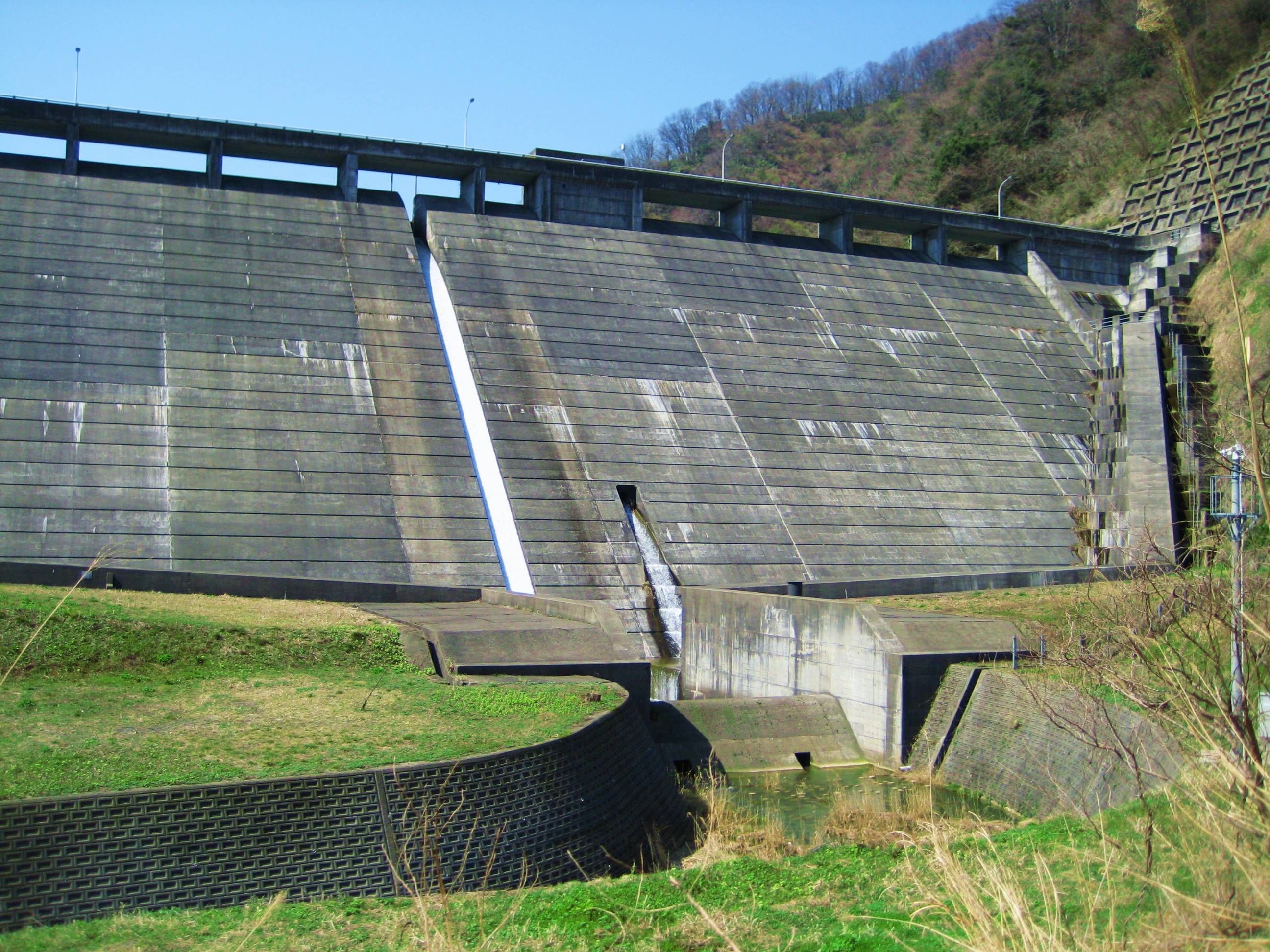
正善寺ダム (Shōzenji Dam) – A Hidden Gem in Joetsu, Niigata
Discover the tranquil beauty of Niigata’s countryside, the engineering marvel of 正善寺ダム, and the charming attractions that surround it.
1. Introduction
If you’ve ever dreamed of wandering off the beaten path to explore Japan’s lesser‑known natural wonders, the 正善寺ダム (Shōzenji Dam) in Joetsu, Niigata, should be at the top of your list. Nestled amid rolling hills and verdant rice paddies, this modest dam offers a peaceful retreat for photographers, hikers, and anyone looking to experience the serene side of Japanese engineering. While it may not have the fame of Kurobe or the grandeur of the Kanto Plain’s massive reservoirs, the dam’s quiet charm, spectacular reflections, and proximity to hidden waterfalls make it a perfect day‑trip destination for travelers seeking authentic countryside vibes.
2. About 正善寺ダム
A Brief Overview
- Name: 正善寺ダム (Shōzenji Dam)
- Type: Dam 🏗️
- Location: Joetsu City, Niigata Prefecture, Japan
- Coordinates: 37.145363 N, 138.182668 E
- Height / Altitude: Data not publicly disclosed
The dam is managed by the local water authority and primarily serves as a water‑storage facility for agricultural irrigation and municipal supply in the Joetsu region. Its construction reflects the post‑war push to modernize rural infrastructure across Niigata, a prefecture renowned for its abundant rice fields and abundant water resources.
Historical Context
Although the exact year of completion is not listed on the official Wikipedia entry, 正善寺ダム was built during a period when Niigata’s government prioritized flood control and reliable irrigation for its famed rice production. The dam’s name derives from the nearby Shōzenji Temple, a small historic Buddhist site that once served as a spiritual waypoint for local farmers. Over the decades, the dam has become an integral part of the community’s water management system, quietly supporting the lush paddies that define Niigata’s landscape.
Why It Matters
- Agricultural Lifeline: The dam’s reservoir supplies essential water to surrounding rice paddies, helping maintain Niigata’s reputation as the “Rice Kingdom” of Japan.
- Ecological Balance: By regulating river flow, 正善寺ダム helps protect downstream ecosystems, especially during heavy snowfall melt in the winter months.
- Scenic Spot: The calm surface of the reservoir mirrors the surrounding mountains, making it a favored spot for sunrise and sunset photography.
3. How to Get There
By Train
- Start from Tokyo: Take the Joetsu Shinkansen to Jōetsu‑Shi Station (approximately 2 hours).
- Transfer to Local Line: From Jōetsu‑Shi, hop on the JR Shin’etsu Main Line to Jōetsu Station (about 15 minutes).
By Bus or Taxi
- Local Bus: From Jōetsu Station, board a Niigata Kotsu bus heading toward the Shōzenji area. The route typically passes the dam’s parking lot; the ride is roughly 30 minutes.
- Taxi: For maximum flexibility (especially if you’re traveling with gear or a group), a taxi from Jōetsu Station to the dam takes about 20 minutes and costs roughly ¥3,000–¥4,000.
By Car
If you’re renting a car, follow National Route 8 north from Jōetsu City, then turn onto Prefectural Road 42 toward the dam. The drive is scenic, winding through rice fields and forested hills, and takes around 25 minutes from the city center. Parking is available near the dam’s observation area.
4. Best Time to Visit
| Season | Highlights | Why Visit |
|---|---|---|
| Spring (Mar–May) | Cherry blossoms along the riverbanks, fresh green reflections | Ideal for photography; mild temperatures (10–18 °C) |
| Summer (Jun–Aug) | Lush foliage, occasional mist over the reservoir | Perfect for early‑morning walks; water level high |
| Autumn (Sep–Nov) | Brilliant red‑orange maples, golden rice fields | Spectacular color contrast; cooler weather (12–20 °C) |
| Winter (Dec–Feb) | Snow‑capped hills, quiet serenity, occasional ice‑glazed shore | Rare, peaceful atmosphere; limited crowds |
Top recommendation: Late October to early November, when the surrounding forest bursts into autumn colors, providing a dramatic backdrop for the calm water surface.
5. What to Expect
Scenic Views
- Mirror‑like Reservoir: On calm days, the water reflects the surrounding mountains, creating a picture‑perfect canvas for landscape photographers.
- Gentle Trails: A short, well‑maintained walking path circles the dam, offering multiple viewpoints and benches for contemplation.
Wildlife
- Birdwatching: You may spot migratory waterfowl, especially during early morning hours.
- Aquatic Life: Small fish and occasional turtles can be seen near the shoreline.
Facilities
- Observation Deck: A modest wooden deck equipped with informational plaques (in Japanese and English) explains the dam’s purpose and construction.
- Restrooms: Clean public toilets are available near the parking lot.
- Picnic Area: A shaded spot with benches allows visitors to enjoy a packed lunch while listening to the gentle ripple of water.
Atmosphere
The dam exudes a calm, almost meditative vibe. Unlike bustling tourist hotspots, 正善寺ダム offers a quiet escape where you can hear the rustle of leaves, the distant call of a crane, and the soft lapping of water against the dam’s concrete face.
6. Nearby Attractions
While the dam itself is a rewarding destination, the surrounding area boasts several hidden treasures that are perfect for a full‑day itinerary.
| Attraction | Distance | Type | Why Visit |
|---|---|---|---|
| 角間棚田 (Kakuma Terraced Rice Fields) | 5.4 km | Waterfall & terraced fields | A picturesque waterfall cascades through tiered rice paddies—ideal for a short hike and photo ops. |
| 上越工業用取水堰 (Jōetsu Industrial Water Weir) | 7.4 km | Weir | Offers insight into the region’s water management history; great for engineering enthusiasts. |
| Local Fountain ① | 7.4 km | Fountain | A charming stone fountain tucked in a small garden—perfect for a quick refreshment stop. |
| Local Fountain ② | 7.6 km | Fountain | Another serene water feature surrounded by native flora. |
| Local Fountain ③ | 7.6 km | Fountain | A quiet spot for meditation or a brief pause during your walk. |
Tip: All these sites are reachable by local bus or a short drive from 正善寺ダム. Combine them into a “water‑theme” day trip for a cohesive experience.
7. Travel Tips
- Check Water Levels: The reservoir’s water level can fluctuate seasonally. For the best reflections, aim for days after recent rain (late spring or early autumn).
- Dress in Layers: Niigata’s weather can change quickly, especially near the water. Bring a light jacket even in summer.
- Footwear: Sturdy walking shoes or light hiking boots are recommended; some paths near the waterfall can be slippery.
- Parking: The dam’s parking lot fills up quickly on weekends during peak foliage season. Arrive early (before 9 am) to secure a spot.
- Photography: Sunrise (around 5:30 am in summer) offers golden light on the water; bring a polarizing filter to reduce glare.
- Respect the Environment: The area is a functional water source. Avoid littering and follow posted signage, especially near the weir and fountains.
- Language Help: Signage at the dam includes English translations, but a basic Japanese phrasebook can be handy for asking locals about bus schedules.
8. Wrap‑Up
正善寺ダム may not headline Japan’s travel brochures, but that’s precisely why it feels like a secret sanctuary for those who discover it. From its tranquil reservoir reflecting seasonal colors to the nearby waterfall‑filled terraces of 角間棚田, the dam offers a blend of natural beauty, cultural heritage, and engineering insight—all within easy reach of Joetsu’s city center.
Whether you’re a photographer chasing perfect reflections, a nature lover craving quiet riverside walks, or an inquisitive traveler eager to see how Japan’s water infrastructure supports its iconic rice fields, 正善寺ダム promises a rewarding, off‑the‑grid experience. Pack your camera, hop on a local bus, and let Niigata’s hidden dam reveal its calm, captivating story.
Keywords: 正善寺ダム, Shōzenji Dam, Niigata dam, Joetsu travel, Japan dam sightseeing, 角間棚田 waterfall, Niigata countryside, Japanese engineering, rice paddies Niigata, autumn foliage Japan, hidden gems Japan, travel Niigata, dam photography, water management Japan.


