鷹の巣ダム (Takanosu Dam) – A Hidden Gem in Murakami, Niigata
Discover the serene beauty of one of Niigata’s lesser‑known dams, perfect for a day‑trip away from the crowds.
1. Introduction
If you’re wandering the coastal prefecture of Niigata and crave a slice of nature that feels both untouched and photogenic, look no further than 鷹の巣ダム (Takanosu Dam). Nestled in the quiet town of Murakami, this modest dam offers sweeping water vistas, gentle forest trails, and a glimpse into Japan’s meticulous water‑management heritage. Whether you’re a photography enthusiast, a family on a weekend outing, or a traveler seeking off‑the‑beaten‑path scenery, Takanosu Dam delivers a peaceful retreat that’s easy to reach yet far from overrun.
2. About 鷹の巣ダム
Description & Location
- Name: 鷹の巣ダム (Takanosu Dam)
- Type: Dam 🏗️
- Coordinates: 38.073172 N, 139.607898 E
- Municipality: Murakami, Niigata Prefecture, Japan
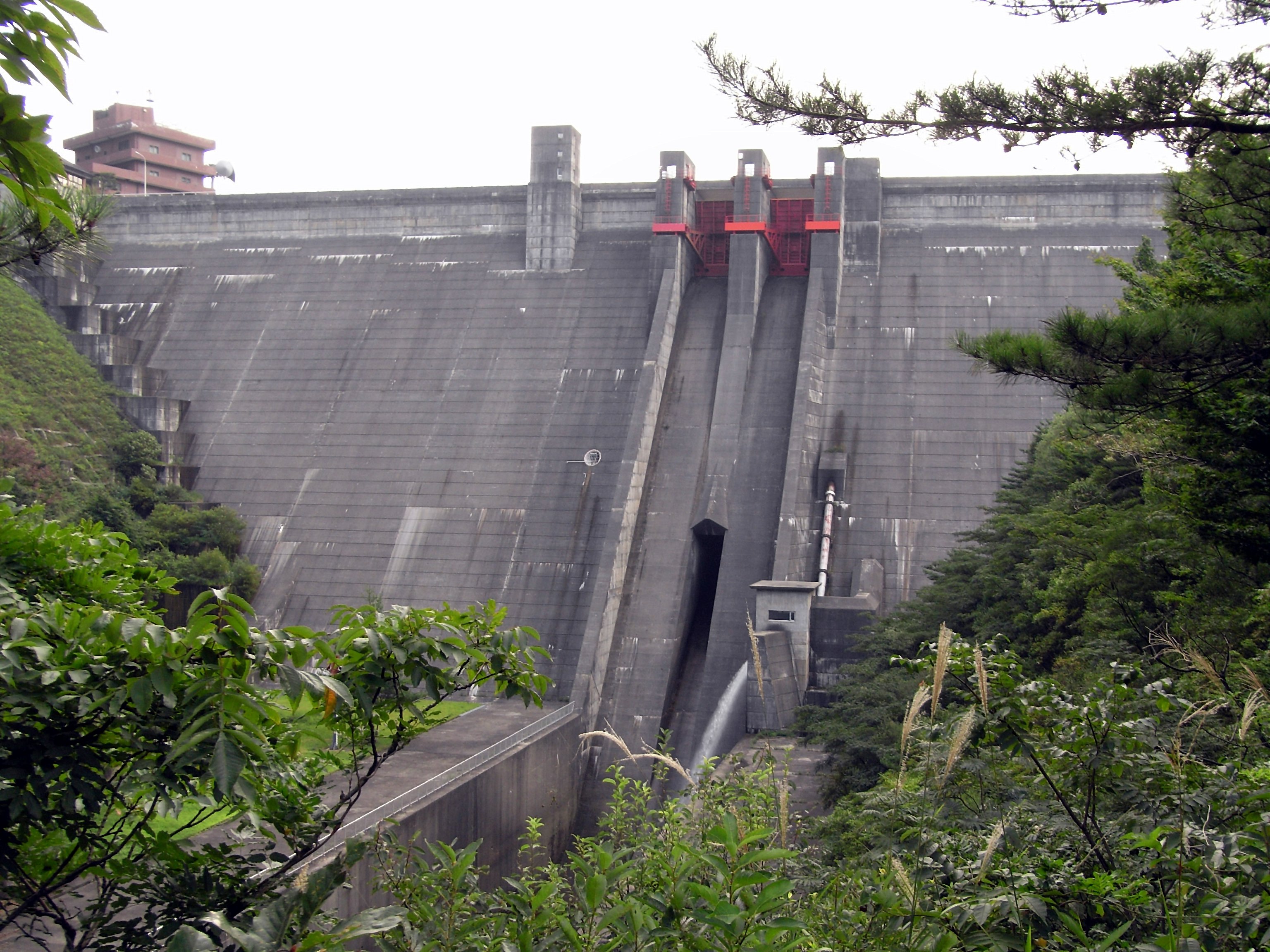
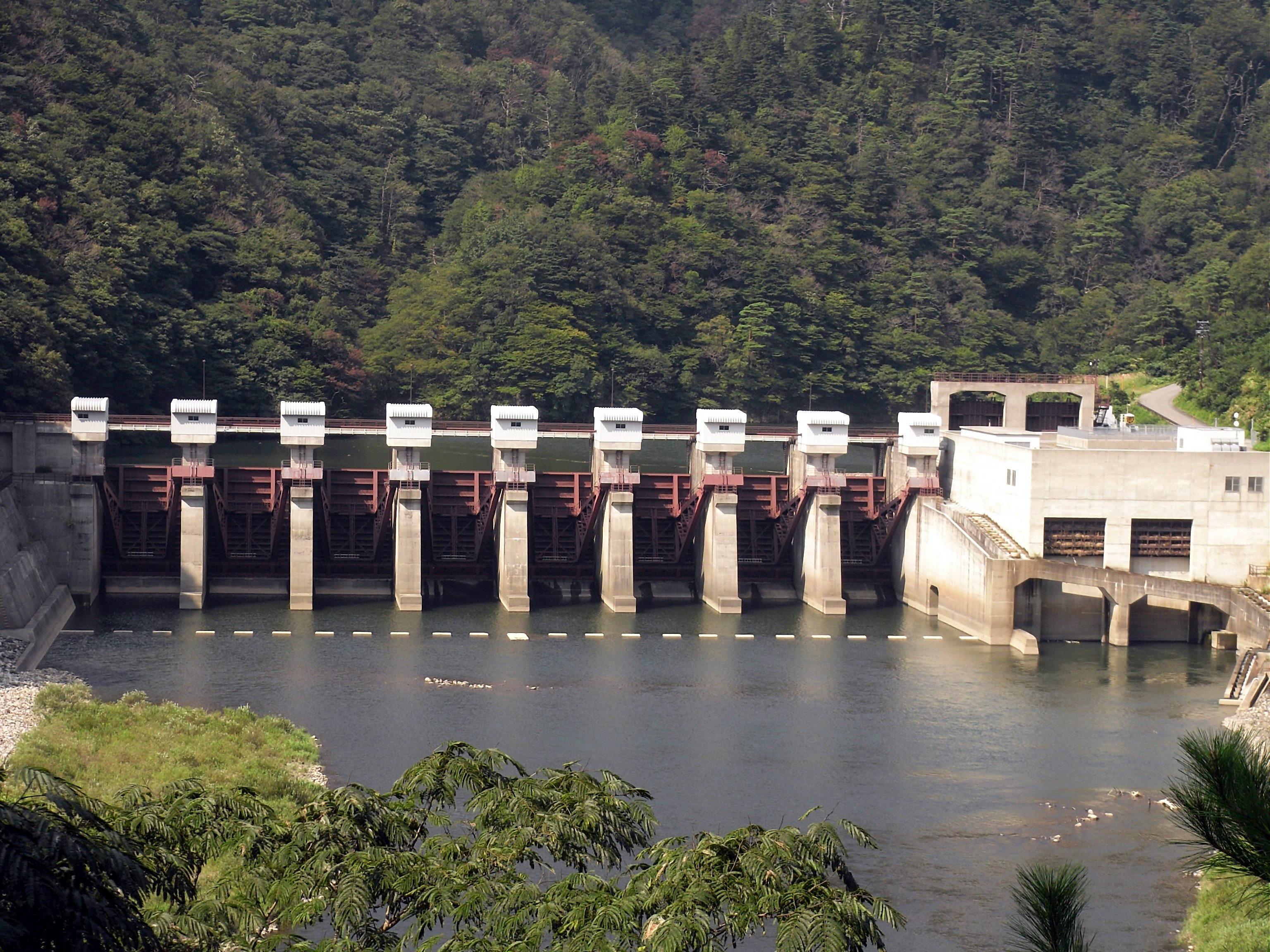
Takanosu Dam sits amid rolling hills and lush forest that cascade down to the water’s edge. While official records do not list its exact height or altitude, the surrounding landscape gives visitors a sense of scale—gentle slopes rise behind the reservoir, framing the water like a natural amphitheater.
History & Significance
Built as part of Niigata’s extensive network of water‑control structures, Takanosu Dam plays a vital role in regional irrigation, flood mitigation, and hydro‑electric support. Though it may not boast the massive dimensions of larger Japanese dams, its contribution to local agriculture and community resilience is indispensable. The dam also reflects Japan’s broader commitment to harmonizing engineering with the environment—a philosophy evident in the careful integration of walking paths and observation decks that allow visitors to appreciate the water without disrupting its function.
3. How to Get There
By Train
- Start from Tokyo or Osaka: Take the Joetsu Shinkansen to Niigata Station (≈2 hours from Tokyo).
- Transfer to the Uetsu Main Line: Board a local train bound for Murakami Station (≈1 hour 30 minutes).
By Car
- From Niigata City: Drive north on National Route 7 for roughly 120 km (≈2 hours).
- From Murakami Station: Follow signs for the dam; it’s a short 5‑minute drive along local roads. Parking is available near the visitor area.
By Bus
Local Niigata‑wide buses run from Murakami Station to the dam’s vicinity a few times a day, especially during peak tourist seasons (spring and autumn). Check the Niigata Bus website for the latest timetable.
4. Best Time to Visit
| Season | What to Expect | Why It’s Ideal |
|---|---|---|
| Spring (Mar‑May) | Cherry blossoms along the reservoir, mild temperatures (10‑18 °C). | The contrast of pink blossoms against the blue water creates postcard‑perfect scenes. |
| Summer (Jun‑Aug) | Lush green foliage, occasional mist over the water. | Early mornings offer cool breezes, perfect for a relaxing stroll. |
| Autumn (Sep‑Nov) | Vibrant maple and ginkgo leaves turning red, orange, and gold. | The colorful canopy reflects beautifully on the dam’s surface—great for photography. |
| Winter (Dec‑Feb) | Snow‑capped hills, tranquil silence. | If you enjoy quiet, wintry landscapes, the dam looks like a scene from a Japanese ink painting. |
Tip: Mid‑week visits during shoulder seasons (late April or early October) usually mean fewer crowds and clearer skies.
5. What to Expect
Scenic Walks & Photo Ops
A well‑maintained path circles the reservoir, offering multiple viewpoints. Look for the wooden observation deck on the east side—its elevation gives an unobstructed panorama of the dam’s spillway and the surrounding forest. Photographers love the way sunrise light filters through the trees, creating a soft glow on the water.
Wildlife & Flora
The area is a haven for birdwatchers. You may spot kingfishers, Japanese bush warblers, and, in the summer, dragonflies skimming the surface. Seasonal wildflowers dot the trail, while the forest hosts Japanese cedar and pine, providing a fresh, pine‑scented atmosphere.
Picnic & Relaxation
Designated picnic spots with benches and waste‑recycling bins are scattered near the shoreline. Bring a bento box and enjoy a leisurely lunch while listening to the gentle lapping of water against the dam’s concrete face.
Facilities
- Restrooms: Clean public toilets near the parking lot.
- Information Board: A bilingual (Japanese/English) board explains the dam’s purpose and local ecology.
- Accessibility: The main walking trail is relatively flat and wheelchair‑friendly, though some observation points involve short steps.
6. Nearby Attractions
While Takanosu Dam is the star of the day, the surrounding area offers several other water‑related sights within a short drive. Explore them to enrich your Niigata itinerary:
| Attraction | Distance from Takanosu Dam | Type | Quick Link |
|---|---|---|---|
| Unnamed Dam | 2.9 km | Dam | (no dedicated page – explore via local maps) |
| 大石ダム (Ōishi Dam) | 5.9 km | Dam | Ōishi Dam – Wikipedia |
| Unnamed Dam | 5.9 km | Dam | (local landmark – great for a quick photo stop) |
| Unnamed Dam | 7.4 km | Dam | (scenic viewpoint along the river) |
| Unnamed Weir | 11.1 km | Weir | (ideal for a short nature walk) |
Bonus Spot: The historic Murakami Castle Ruins sit just 12 km north of the dam, offering a glimpse into the region’s samurai past. Combine a dam visit with a cultural stroll through the castle’s stone walls and surrounding cherry‑tree lane.
7. Travel Tips
| Tip | Details |
|---|---|
| Bring a Rain Jacket | Niigata’s weather can shift quickly, especially near the water. A lightweight waterproof layer keeps you comfortable. |
| Carry Cash | Small vending machines and local souvenir stalls often accept cash only. |
| Timing for Photography | Early morning (sunrise) and late afternoon (golden hour) provide the softest light. |
| Respect the Environment | Stay on marked paths, avoid feeding wildlife, and dispose of trash in provided bins. |
| Check Dam Operation Notices | Occasionally, maintenance may restrict access to certain areas. Look for posted notices at the entrance. |
| Local Cuisine | After your dam tour, try Murakami’s famous sake or fresh seafood at a nearby izakaya. |
| Language Help | While signage is bilingual, a few Japanese phrases (e.g., “トイレはどこですか?” – “Where is the restroom?”) can be handy. |
Final Thoughts
Takanosu Dam may not appear on the typical “must‑see” list of Japan’s massive hydro‑engineering feats, but its understated charm, easy accessibility, and surrounding natural beauty make it a perfect day‑trip destination for travelers exploring Niigata. Whether you’re chasing seasonal colors, seeking a quiet spot to unwind, or simply love discovering hidden corners of Japan, 鷹の巣ダム promises an authentic, tranquil experience that captures the spirit of Murakami’s landscape. Pack your camera, hop on the train, and let the calm waters of Takanosu Dam refresh your travel itinerary.
Happy travels, and may your journey through Niigata be as smooth as the gentle flow of the dam’s reservoir!