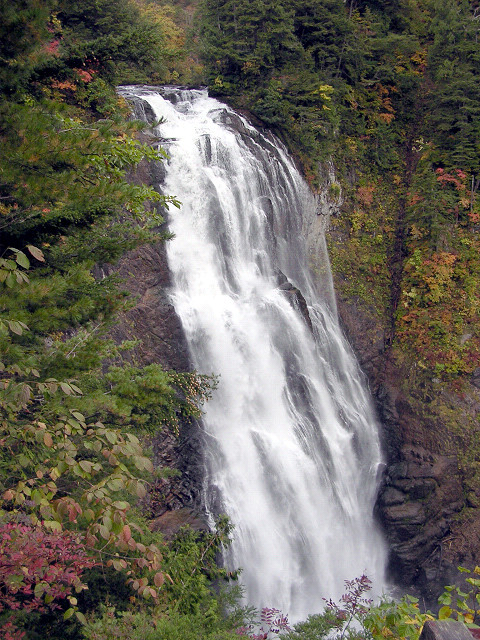
Discover the Hidden Gem of Niigata: 三条ノ滝 (Sanjo-no-Taki) Waterfall
If you’re chasing the serene sound of rushing water and the untouched beauty of Japan’s countryside, the waterfall 三条ノ滝 in Muikamachi, Niigata, should be at the top of your itinerary. Nestled amid forested hills and just a short trek from a handful of other natural wonders, this secluded cascade offers a peaceful retreat far from the crowds of Japan’s more famous tourist spots.
1. Introduction
Imagine stepping off a quiet mountain path and being greeted by a veil of mist, the cool spray of water brushing your face, and the gentle roar of a waterfall echoing through pine‑scented air. That’s the experience waiting at 三条ノ滝—a modest yet captivating waterfall that embodies the raw, unfiltered charm of Niigata’s highland landscapes. Whether you’re a seasoned hiker, a photography enthusiast, or simply a traveler looking for a slice of tranquility, Sanjo‑no‑Taki delivers an authentic slice of Japan’s natural heritage.
2. About 三条ノ滝
- Location: Muikamachi, Minamiuonuma City, Niigata Prefecture, Japan
- Coordinates: 36.965592° N, 139.250230° E
- Type: Waterfall (cascade)
While the exact height and altitude of 三条ノ滝 remain undocumented, the waterfall’s allure lies in its unpretentious setting. The cascade tumbles over a rugged rock face surrounded by dense cedar and birch forests, creating a picturesque tableau that changes with the seasons.
History & Significance
The name “三条” (Sanjo) translates to “three strips” or “three lines,” a reference that is believed to describe the multiple strands of water that split and rejoin as they descend. Local folklore tells of travelers who, centuries ago, used the waterfall as a natural waypoint while navigating the mountain passes that connected Niigata’s coastal plains to the interior. Over time, the site became a modest pilgrimage spot for those seeking the soothing power of flowing water—an element deeply rooted in Shinto and Buddhist traditions.
Today, 三条ノ滝 remains relatively unknown to international tourists, which helps preserve its pristine condition. The waterfall is managed by the Niigata prefectural government, and visitors are encouraged to respect the natural environment by staying on marked trails and avoiding litter.
For a quick reference, see the Japanese Wikipedia entry: 三条の滝 (Wikipedia).
3. How to Get There
By Train
- Start from Niigata Station – Take the Joetsu Shinkansen (bullet train) toward Echigo-Yuzawa.
- Alight at Muikamachi Station – The ride takes roughly 55 minutes. Muikamachi is the nearest rail hub to the waterfall.
By Bus or Taxi
- Local Bus: From Muikamachi Station, board a Niigata Kotsu bus heading toward the “Sanjo-no-Taki” stop (check the latest timetable; service is limited, especially on weekends).
- Taxi: A 10‑minute taxi ride (≈ 5 km) from the station will drop you off at the trailhead parking area.
By Car
If you’re renting a car, follow the National Route 291 north from Muikamachi. Turn onto the local road marked “三条ノ滝入口” (Sanjo-no-Taki Entrance). There is a small free parking lot near the trailhead—just be mindful of seasonal snow closures in winter.
Trail Details
- Distance: Approximately 1.2 km round‑trip from the parking lot to the viewing platform.
- Difficulty: Easy to moderate; the path is well‑maintained but can be slippery after rain.
- Facilities: A modest rest area with benches and a stone water basin for rinsing hands (a nod to traditional Japanese “temizu” practices).
4. Best Time to Visit
| Season | What to Expect | Why It’s Ideal |
|---|---|---|
| Spring (April‑May) | Fresh green foliage, occasional cherry blossoms in higher elevations, moderate water flow. | The air is crisp, and the forest is alive with birdsong—perfect for photography. |
| Summer (June‑August) | Lush canopy, higher water volume from rain, cooler micro‑climate at the falls. | A refreshing escape from the heat of the city; early mornings are less crowded. |
| Autumn (September‑October) | Vibrant maple and ginkgo leaves, thinner mist, comfortable hiking temps. | The color contrast between orange foliage and the white cascade creates stunning visuals. |
| Winter (November‑March) | Snow‑capped surroundings, frozen edges of the stream, quiet solitude. | For the adventurous, the waterfall takes on a mystical, icy beauty—just ensure you have proper winter gear. |
Tip: The waterfall is most powerful during the rainy season (June‑July). If you prefer a gentler flow, aim for late autumn or early spring.
5. What to Expect
Arriving at the trailhead, you’ll be greeted by a modest signboard detailing the waterfall’s name and a short safety notice. The path winds through a forest of Japanese cedar (sugi) and birch (shirakaba), with occasional wooden benches where you can pause to listen to the distant murmur of water.
As you near the clearing, the sound of the cascade becomes unmistakable—a soothing rush that grows louder with each step. The viewing platform offers a panoramic vista of the waterfall’s multi‑layered descent. On sunny days, sunlight filters through the leaves, casting a shimmering rainbow across the spray—a photographer’s dream.
The surrounding area is tranquil, with only the occasional rustle of wildlife. You may spot Japanese macaques playing in the trees or hear the call of the Japanese bush warbler (uguisu). The air is cool and carries a faint, fresh scent of pine and mineral-rich water.
6. Nearby Attractions
While you’re in the region, consider adding these natural gems to your itinerary. All are within a short drive and complement the serene atmosphere of 三条ノ滝.
| Attraction | Type | Distance from 三条ノ滝 | Quick Link |
|---|---|---|---|
| 平滑ノ滝 (Heikō no Taki) | Waterfall | 0.6 km | 平滑ノ滝 |
| 渋沢大滝 (Shibusawa Ōtaki) | Waterfall | 1.5 km | 渋沢大滝 |
| 弥四郎清水 (Yashiro Shimizu) | Spring | 2.8 km (Gunma) | 弥四郎清水 |
| 湧水ポイント (Yūsui Point) | Spring | 5.0 km (Gunma) | No dedicated page – local guidebooks list it. |
| 蛇滝 (Hebi Taki) | Waterfall | 7.7 km (Tochigi) | 蛇滝 |
These sites are perfect for a day‑long nature circuit: start with 三条ノ滝 in the morning, hike to 平滑ノ滝, then enjoy a picnic near 渋沢大滝 before heading east toward the soothing springs of Gunma. If you have extra time, the dramatic 蛇滝 in Tochigi offers a more rugged waterfall experience.
7. Travel Tips
| Tip | Details |
|---|---|
| Footwear | Wear sturdy, waterproof hiking shoes with good traction. The trail can be slippery after rain or during winter freeze. |
| Weather Check | Mountain weather changes quickly. Check the Niigata Meteorological Agency forecast before heading out. |
| Timing | Arrive early (before 10 am) to avoid the occasional weekend crowd and to capture the soft morning light. |
| Respect the Environment | Stay on marked paths, carry out all trash, and avoid feeding wildlife. The area is part of a protected forest zone. |
| Photography | Bring a polarizing filter to reduce glare on the water and a tripod for low‑light shots of the waterfall’s misty veil. |
| Food & Water | There are no vending machines at the site. Pack a lightweight lunch, plenty of water, and perhaps a thermos of green tea for a relaxing break. |
| Language | Signage is primarily in Japanese, but most locals speak basic English. A translation app can help with bus schedules. |
| Connectivity | Mobile signal can be spotty; consider downloading offline maps (Google Maps offline or MAPS.ME) beforehand. |
| Safety | In winter, icy patches near the cascade can be hazardous. If you’re unsure about conditions, turn back or hire a local guide. |
Final Thought
三条ノ滝 may not boast the towering height of Japan’s famous Kegon or Nachi waterfalls, but its quiet charm, lush surroundings, and proximity to other natural attractions make it a must‑visit for anyone exploring Niigata’s highland treasures. Pack your sense of adventure, follow the trail, and let the gentle cascade of Sanjo‑no‑Taki refresh your spirit—one misty splash at a time.
Happy travels, and may your journey be as smooth as the water that flows over 三条ノ滝!