大石ダム (Ōishi Dam) – A Hidden Gem in Murakami, Niigata, Japan
Explore the tranquil beauty of Niigata’s countryside, snap stunning reservoir views, and discover nearby dam‑side attractions—all in one day trip.
1. Introduction
If you think Japan’s travel highlights are limited to neon‑lit Tokyo streets or the snow‑capped peaks of Hokkaido, think again. Nestled in the verdant hills of Murakami City, 大石ダム (Ōishi Dam) offers a peaceful escape that blends engineering marvels with natural scenery. Whether you’re a photography enthusiast, a nature lover, or simply curious about Japan’s water‑management heritage, Ōishi Dam is a perfect off‑the‑beaten‑path destination that promises serenity, fresh air, and unforgettable views.
2. About 大石ダム
What is Ōishi Dam?
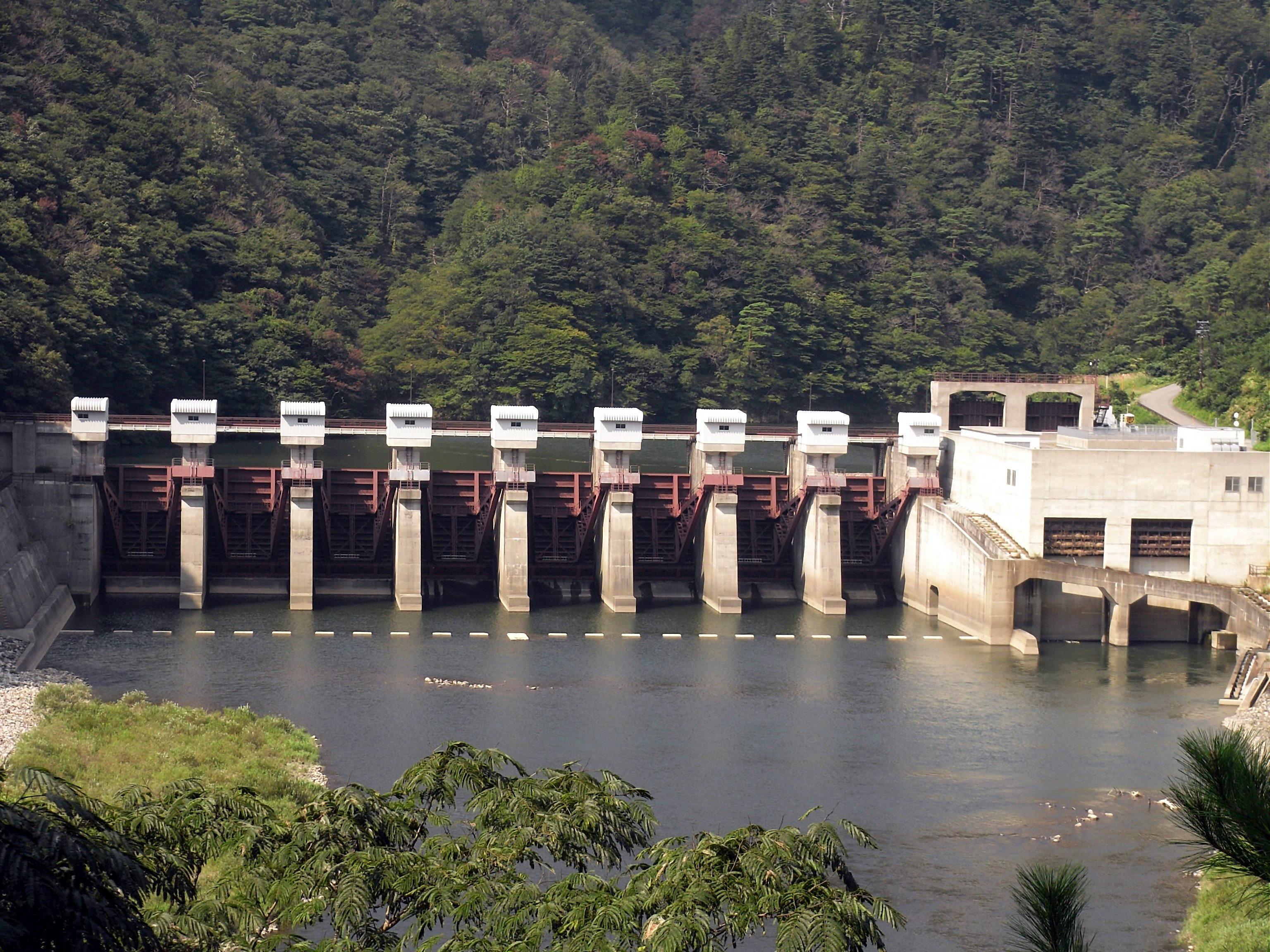
Ōishi Dam is a concrete gravity dam located at 38.031006° N, 139.566876° E in the coastal prefecture of Niigata. It sits on the 胎内川 (Tainai River) watershed, serving multiple purposes such as flood control, water supply, and hydro‑electric power generation for the surrounding communities. While the exact height and altitude of the structure remain unpublished, the dam’s presence is unmistakable: a broad, sleek concrete wall that gently curves along the river’s edge, creating a calm reservoir that mirrors the sky.
A Brief History
The dam was constructed during Japan’s post‑war infrastructure boom, a period when the nation prioritized reliable water resources for agriculture and industry. Though specific dates are scarce in English‑language sources, local archives (see the Japanese Wikipedia entry) note that Ōishi Dam has been a cornerstone of Murakami’s water management for several decades. Over the years, the reservoir has become a favored spot for locals to fish, picnic, and enjoy seasonal foliage.
Why It Matters
- Regional Water Security – Ōishi Dam helps regulate the flow of the Tainai River, protecting downstream towns from seasonal flooding.
- Renewable Energy – The dam’s hydro‑electric facilities contribute clean electricity to Niigata’s grid, supporting Japan’s green‑energy goals.
- Tourism & Recreation – The calm lake formed by the dam attracts anglers, hikers, and photographers, boosting Murakami’s eco‑tourism profile.
3. How to Get There
By Train & Bus (Public Transport)
- Start from Niigata Station – Take the JR Uetsu Main Line (or the Joetsu Shinkansen to Niigata, then transfer).
- Ride to Murakami Station – The journey is roughly 1 hour 45 minutes. Trains run roughly every hour.
- Bus or Taxi – From Murakami Station, board the local Niigata Kotsu bus heading toward “大石ダム入口” (Ōishi Dam entrance). The bus ride takes about 30 minutes. Taxis are also readily available; a 20‑minute drive costs around ¥3,500–¥4,500.
By Car
- From Niigata City – Rent a car and follow National Route 7 north to Murakami, then turn onto Prefectural Road 71 toward the dam. The drive is ~120 km and takes about 2 hours.
- Parking – A small free parking lot sits near the dam’s visitor area. Arrive early on weekends, as spaces fill quickly during peak foliage season.
By Bicycle
For the adventurous, the Shin’etsu Coastal Cycle Route passes near Murakami. Cyclists can enjoy scenic sea‑views before turning inland toward the dam. Expect a full‑day ride (≈80 km round‑trip).
4. Best Time to Visit
| Season | Highlights | Why Visit |
|---|---|---|
| Spring (Mar‑May) | Cherry blossoms along the reservoir, gentle breezes | Perfect for pastel photography and picnics |
| Summer (Jun‑Aug) | Lush green water, cooler hill‑shade | Ideal for fishing, kayaking (if permitted), and long walks |
| Autumn (Sep‑Nov) | Brilliant maple & ginkgo leaves reflecting on the dam’s surface | Best for vibrant foliage shots and leaf‑peeping |
| Winter (Dec‑Feb) | Snow‑capped hills, quiet atmosphere | A serene, less‑crowded experience; great for sunrise shots |
Tip: The dam’s water level fluctuates with seasonal rainfall. Autumn often offers the most dramatic contrast between the dark reservoir and colorful foliage.
5. What to Expect
Scenic Views
- Panoramic Reservoir – The lake created by Ōishi Dam stretches for several kilometers, offering uninterrupted reflections of the sky and surrounding hills.
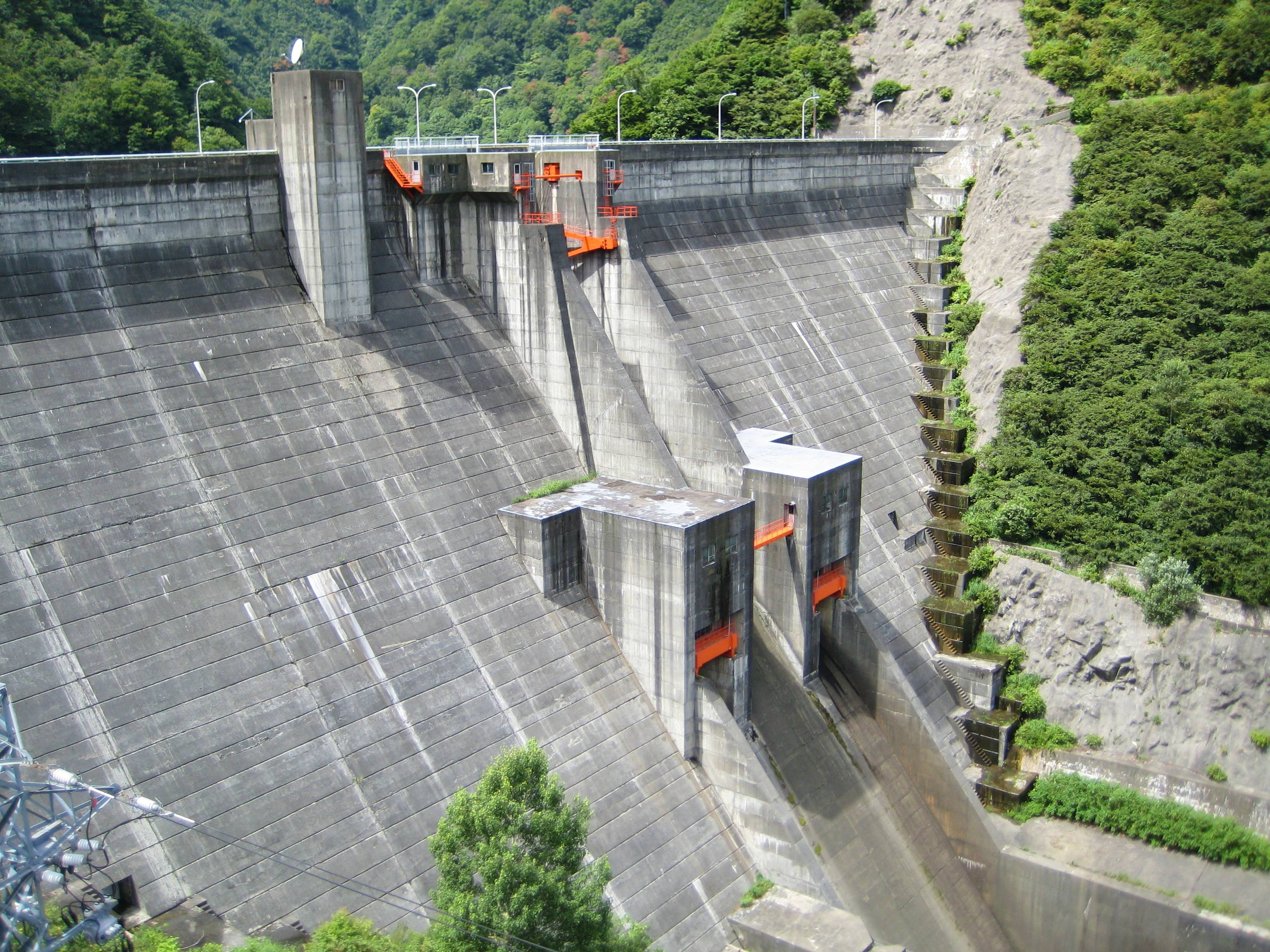
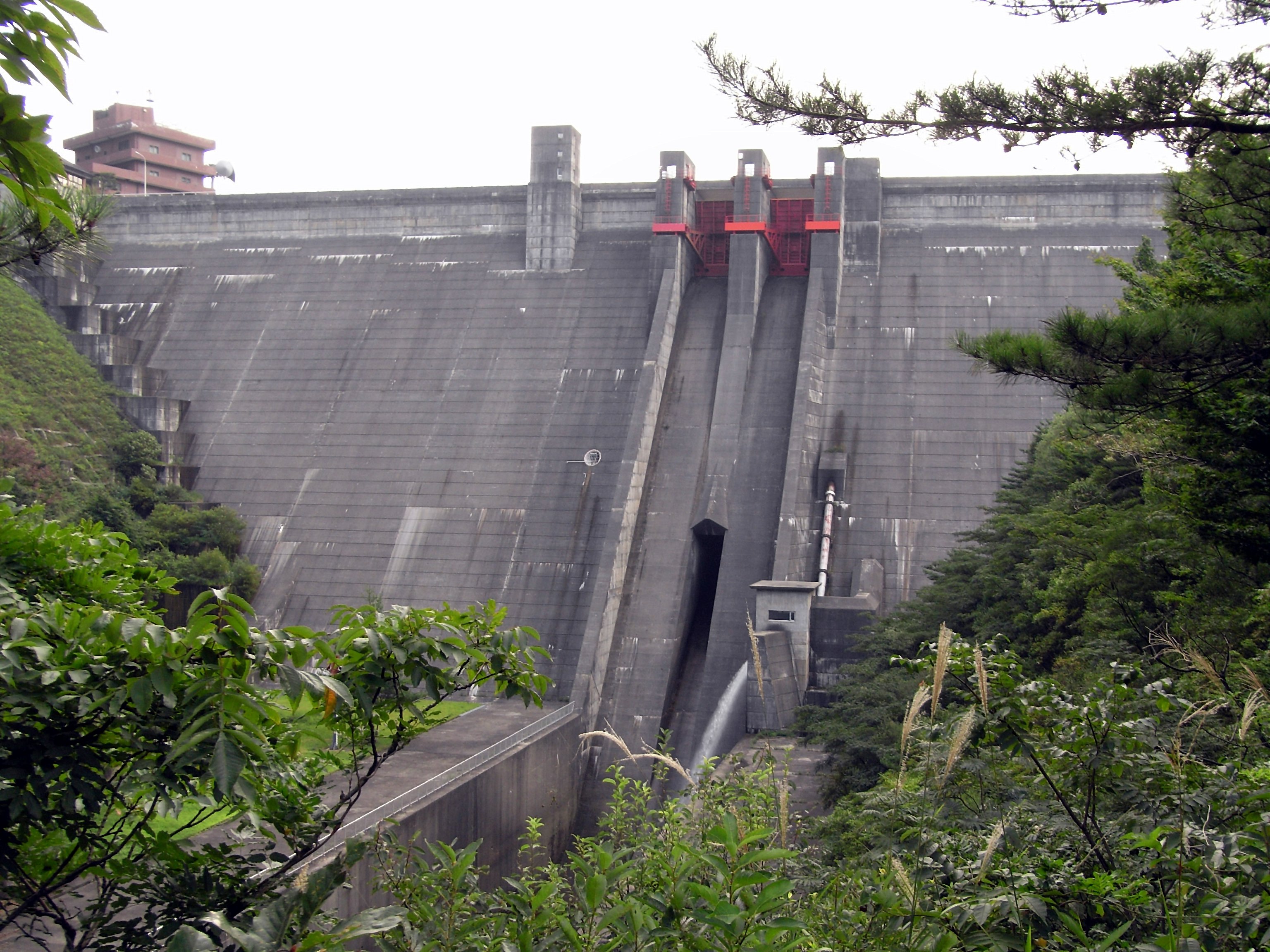
- Dam Architecture – The concrete wall, though functional, has a sleek, minimalist design that blends into the landscape. Walk along the safety railing for close‑up perspectives.
Activities
- Walking Trails – A well‑maintained path circles the reservoir, with several lookout points equipped with benches.
- Birdwatching – The river’s ecosystem attracts kingfishers, herons, and seasonal migratory birds—bring binoculars for a closer look.
- Photography – Sunrise over the dam creates a golden glow on the water; sunset paints the concrete in warm amber tones.
Facilities
- Visitor Center – Small informational kiosk with multilingual brochures (Japanese, English, Chinese).
- Restrooms – Clean, gender‑neutral facilities near the parking area.
- Picnic Spots – Designated grassy areas with trash bins; grilling is prohibited.
6. Nearby Attractions
While Ōishi Dam can easily fill a half‑day itinerary, the surrounding region boasts several other dam‑related sights worth a quick detour. All are within a 10‑km radius, making them perfect for a “dam tour” of Murakami’s water landscape.
| Attraction | Distance from Ōishi Dam | What to See |
|---|---|---|
| 胎内第2ダム (Tainai No. 2 Dam) | 5.5 km | Another concrete dam with a striking spillway; great for engineering enthusiasts. |
| 鷹の巣ダム (Takanosuna Dam) | 5.9 km | Set amidst dense forest; offers a peaceful walking trail and occasional wildlife sightings. |
| 胎内川大噴水 (Tainai River Grand Fountain) | 6.1 km | A seasonal water fountain that erupts during spring melt; perfect for family photos. |
| 胎内川ダム (Tainai River Dam) | 8.2 km | The largest dam on the Tainai River, featuring a visitor observation deck with panoramic views. |
All attractions are reachable by car or local bus. For up‑to‑date opening hours, check the Niigata Prefecture tourism website or the individual dam’s information boards.
7. Travel Tips
- Check Weather & Water Levels – Heavy rain can raise the reservoir, limiting access to certain viewpoints. The Niigata Meteorological Agency provides real‑time updates.
- Bring Cash – Some small vendors or parking attendants may not accept credit cards.
- Wear Comfortable Shoes – The walking trail around the dam is uneven in places; sturdy sneakers or hiking shoes are recommended.
- Respect the Environment – Stay on marked paths, avoid littering, and follow any posted signs about water safety.
- Timing for Photos – Early morning (6:30–8:00 am) offers soft light and fewer crowds; late afternoon (4:30–6:30 pm) provides warm tones and dramatic shadows.
- Language Help – While signage is primarily Japanese, the visitor center often has English pamphlets. A translation app can be handy for reading detailed dam information.
- Combine with Local Cuisine – Murakami is famous for its fresh seafood, especially sake‑marinated salmon and soba noodles. Plan a lunch at a nearby izakaya for a true Niigata culinary experience.
Final Thoughts
Ōishi Dam may not appear on the typical “Japan travel bucket list,” but that’s precisely why it shines. It offers a quiet, authentic slice of Niigata’s rural charm—where engineering meets nature, and where you can unwind away from bustling city crowds. Pack a camera, hop on a local bus or rent a car, and let the gentle ripple of the reservoir guide you into a day of discovery.
Ready to explore? Add “大石ダム” to your travel itinerary and experience the serene side of Japan’s dam heritage.
Keywords: 大石ダム, Ōishi Dam, Murakami Niigata travel, Niigata dam tourism, Japan dam sightseeing, Tainai River dam, seasonal foliage Niigata, off‑the‑beaten‑path Japan, dam photography, eco‑tourism Niigata.