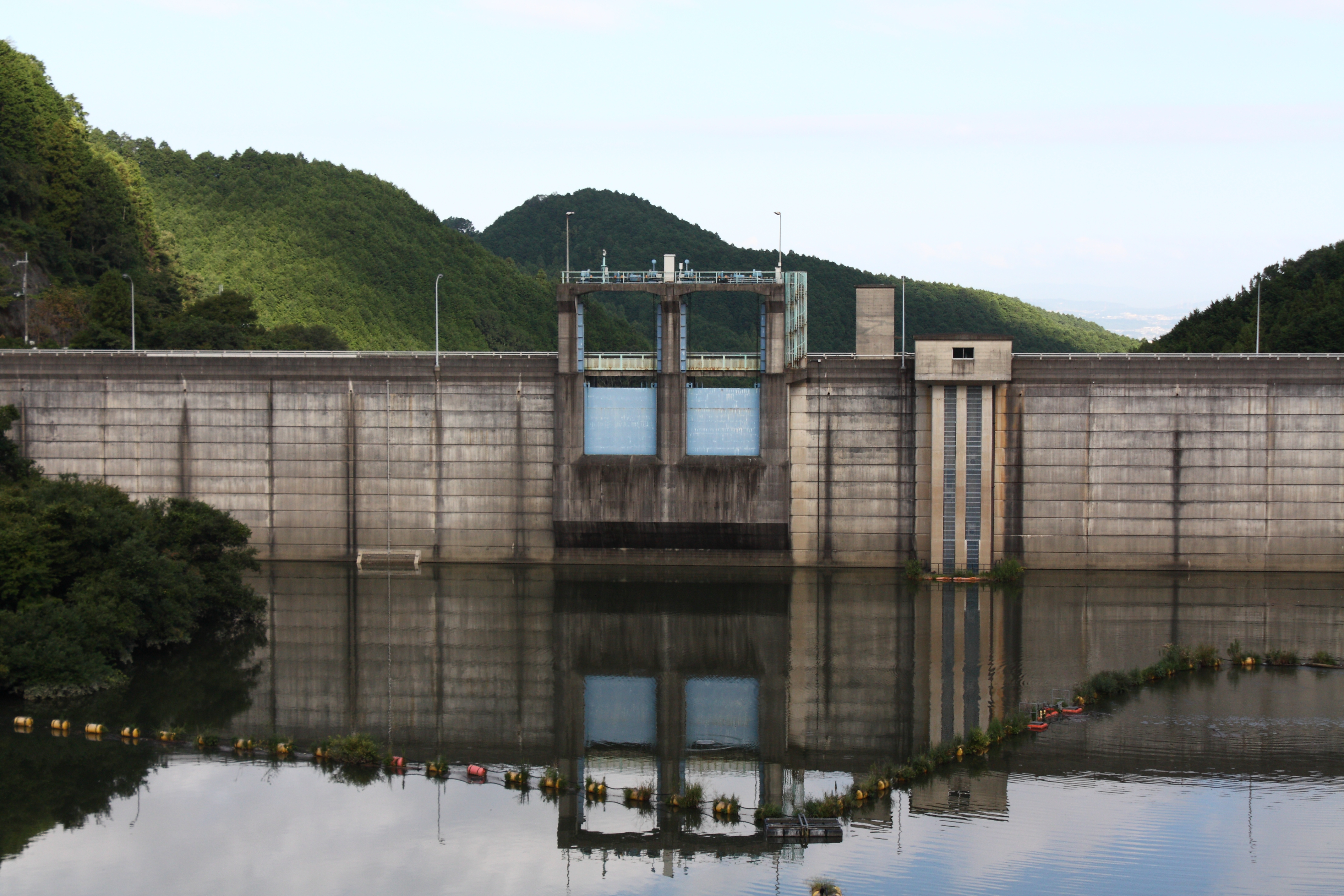
Discover Tenri Dam (天理ダム) – A Hidden Gem in Nara, Japan
Your ultimate guide to exploring the tranquil Tenri Dam, nearby waterfalls, and the best travel tips for an unforgettable day in Nara.
1. Introduction
Imagine a serene body of water framed by gentle hills, the soft murmur of flowing streams, and the subtle sparkle of sunlight on a glass‑like surface. That’s the experience waiting for you at Tenri Dam (天理ダム), a modest yet captivating dam tucked away in the city of Tenri, Nara Prefecture. While it may not boast the towering heights of Japan’s famous hydro‑engineered marvels, Tenri Dam offers a peaceful escape for nature lovers, photographers, and anyone looking to unwind away from the bustling tourist hotspots of Kyoto and Osaka.
If you’re planning a road trip through the Kansai region, a day‑trip from Osaka, or a quiet weekend getaway, add Tenri Dam to your itinerary. In this guide, we’ll walk you through everything you need to know—history, how to get there, the best seasons to visit, what you’ll see on site, nearby attractions, and insider travel tips.
2. About 天理ダム
A Brief Description
- Name: Tenri Dam (天理ダム)
- Type: Dam (🏗️)
- Location: Tenri, Nara, Japan
- Coordinates: 34.588460 N, 135.876679 E
- Height / Altitude: Data not publicly disclosed
Tenri Dam sits in the gentle basin of the Tenri River system, serving primarily as a water‑resource facility for the surrounding agricultural lands and residential neighborhoods. Although its engineering specifications (such as height and reservoir capacity) are not widely published, the dam’s modest scale makes it ideal for leisurely walks, picnics, and low‑impact recreation.
Historical Context
Built during a period of rapid post‑war development in Japan, Tenri Dam reflects the nation’s broader effort to modernize rural infrastructure while preserving natural scenery. The dam’s construction helped stabilize water supply for Tenri City, supporting both irrigation and municipal needs. Over the decades, it has become an understated landmark that locals cherish for its functional role and its calming presence.
Significance
- Environmental: The reservoir created by Tenri Dam supports a variety of aquatic plants and provides a habitat for local bird species, making it a small but valuable ecological niche.
- Cultural: Tenri City is known for its spiritual heritage (the headquarters of the Tenrikyo religion) and historic sites. The dam adds a contemporary layer to this cultural tapestry, offering a place where modern engineering meets natural beauty.
- Recreational: Because the dam is not heavily commercialized, visitors enjoy a relatively uncrowded environment—perfect for sunrise photography, quiet contemplation, or a gentle stroll along the embankment.
3. How to Get There
By Train & Bus
- From Osaka or Kyoto:
- Take the JR Yamatoji Line (or the Kintetsu Osaka Line) to Tenri Station. The ride from Osaka Station takes roughly 45 minutes, while Kyoto to Tenri is about 1 hour. - Bus Transfer:
- From Tenri Station, board the Nara Kotsu Bus bound for “Tenri Dam” or “Tenri‑cho.” The bus stop is typically labeled “天理ダム入口” (Tenri Dam Entrance). The journey is about 15 minutes.
By Car
- From Osaka: Drive via the Hanshin Expressway → Nishi‑Kobe Route → Nara Expressway and exit at Tenri Interchange. Follow the signs for “Tenri Dam” (approximately 30 km, 45 minutes).
- From Nara City: Take Route 169 southbound; the dam is sign‑posted after about 12 km.
Parking: A small free parking lot is available near the dam’s visitor area. Spaces fill up quickly on weekends, so arriving early (around 8 am) is advisable.
By Bicycle
The surrounding countryside features gentle, well‑maintained bike lanes. From Tenri Station, the ride to the dam is roughly 5 km—ideal for a scenic, low‑impact adventure.
4. Best Time to Visit
| Season | Highlights | Why Visit |
|---|---|---|
| Spring (March–May) | Cherry blossoms framing the reservoir; mild temperatures (10‑20 °C). | Perfect for photography and picnics; the nearby waterfall is fed by spring melt, creating a lively backdrop. |
| Summer (June–August) | Lush green foliage; occasional fireflies at dusk. | Early mornings offer cool breezes; the reservoir’s surface reflects the sky beautifully. |
| Autumn (September–November) | Vibrant maple and ginkgo leaves; crisp air (15‑20 °C). | The dam’s calm water mirrors the fiery colors—an Instagram‑worthy scene. |
| Winter (December–February) | Bare trees, occasional light snow; serene stillness. | Fewer visitors; the quiet atmosphere is ideal for meditation or a peaceful walk. |
Overall recommendation: Late April to early May (cherry‑blossom season) and mid‑October (autumn foliage) provide the most photogenic settings.
5. What to Expect
Scenic Walks & Photo Ops
- Embankment Trail: A paved path runs along the northern side of the reservoir, offering unobstructed views of the water and surrounding hills. Benches are spaced every few hundred meters, perfect for a quick rest or a snapshot.
- Sunrise Spot: The eastern edge of the dam faces the sunrise; early visitors are rewarded with a golden glow that reflects off the water.
Wildlife & Plant Life
- Birdwatching: Look for Japanese white-eyes, kingfishers, and occasional migratory waterfowl.
- Flora: Seasonal wildflowers dot the grassy banks, while evergreen Japanese cedar trees provide a constant backdrop.
Facilities
- Restrooms: Located near the main parking lot.
- Picnic Area: Small tables and grills are available on a first‑come, first‑served basis.
- Information Board: A bilingual (Japanese/English) board explains the dam’s purpose and local ecology.
Accessibility
The main trail is wheelchair‑friendly, with gentle slopes and smooth surfaces. However, some peripheral paths near the water’s edge may be uneven.
6. Nearby Attractions
A short stroll from Tenri Dam reveals several natural gems that complement your visit.
| Attraction | Distance from Tenri Dam | Type | Quick Details |
|---|---|---|---|
| [Fountain] | 0.1 km | Fountain | A modest stone fountain sits near the dam’s entrance, ideal for a quick photo. |
| [Waterfall] | 1.1 km | Waterfall | A gentle cascade that feeds into a small creek; perfect for a short hike. |
| 桃尾の滝 (Momoi no Taki) | 1.1 km | Waterfall | Known locally for its clear, turquoise pool; accessible via a paved trail. |
| [Weir] | 6.6 km | Weir | A historic weir used for traditional rice‑field irrigation; offers insight into local agriculture. |
| [Weir] | 7.1 km | Weir | Another small weir surrounded by forested paths—great for a leisurely walk. |
Note: Links point to general information pages where available. For the most up‑to‑date details, check local tourism websites or the Nara Prefecture travel portal.
7. Travel Tips
- Arrive Early: Parking fills quickly on weekends and holidays, especially during cherry‑blossom season.
- Bring Snacks: While there are picnic tables, there are no vending machines or cafés on site. Pack a bento or local snacks (e.g., Tenri‑style mochi).
- Dress in Layers: Weather can shift quickly, especially in spring and autumn. A light jacket and comfortable walking shoes are ideal.
- Respect the Environment: The area is a protected water source. Avoid littering, and refrain from swimming or feeding wildlife.
- Photography Gear: A wide‑angle lens captures the expansive reservoir, while a telephoto lens works well for birdwatching. A small tripod can help with sunrise shots.
- Cash is King: Small vending machines or local stalls nearby may only accept cash. Carry some yen for convenience.
- Check Bus Schedules: If you’re relying on public transport, confirm the latest bus times at Tenri Station—services may be reduced on public holidays.
- Combine with Tenri City Highlights: After your dam visit, consider exploring Tenri’s cultural sites, such as the Tenrikyo Church Headquarters or the historic Ishikiri Shrine—both within a 15‑minute drive.
Final Thoughts
Tenri Dam (天理ダム) may not headline Japan’s travel brochures, but its understated charm makes it a rewarding stop for travelers seeking authenticity, tranquility, and a touch of nature’s simplicity. Whether you’re a photographer chasing the perfect reflection, a family looking for a safe outdoor space, or a solo explorer craving quiet contemplation, the dam and its surrounding attractions deliver a memorable slice of Nara’s countryside.
Pack your camera, hop on the train to Tenri, and let the gentle ripple of the reservoir guide you into a slower, more reflective pace of travel.
Keywords: Tenri Dam, 天理ダム, Nara travel, Japan dam, Tenri tourism, things to do in Tenri, Nara attractions, dam sightseeing, travel guide Japan, Tenri waterfall, 桃尾の滝, Nara countryside