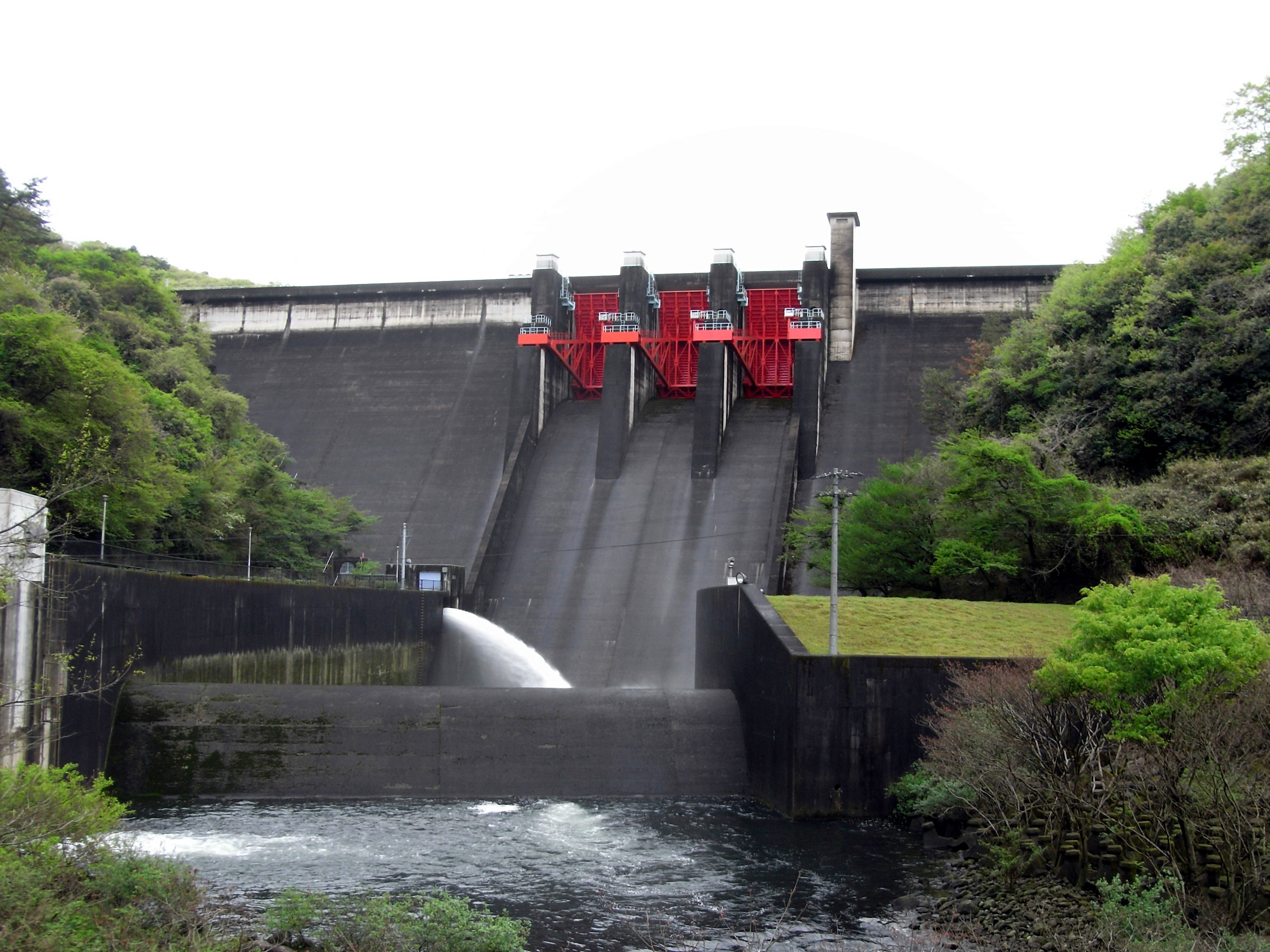
Discover the Tranquil Beauty of 室生ダム (Muroi Dam) in Nara, Japan
Your ultimate guide to visiting one of Nara’s hidden engineering gems, complete with travel tips, seasonal advice, and nearby natural wonders.
1. Introduction
Tucked away in the rolling hills of Haibara‑akanedai, Nara Prefecture, 室生ダム (pronounced Muroi Dam) is more than just a concrete structure—it’s a serene viewpoint, a quiet spot for photography, and a gateway to some of the region’s most picturesque waterfalls. While the dam may not appear on the typical “must‑see” list for tourists heading to Kyoto or Osaka, its 63.5‑meter height and pristine surroundings make it a rewarding detour for travelers who love off‑the‑beaten‑path experiences. In this guide, we’ll explore everything you need to know to make the most of your visit to 室生ダム, from practical travel logistics to the best times of year to soak in the scenery.
2. About 室生ダム
A Brief Overview
- Name: 室生ダム (Muroi Dam)
- Type: Concrete gravity dam 🏗️
- Location: Haibara‑akanedai, Nara, Japan
- Coordinates: 34.555326 N, 136.006944 E
- Height: 63.5 m
Built to regulate water flow and support local irrigation, 室生ダム also plays a role in flood control for the surrounding valleys. Although the exact altitude of the dam site isn’t publicly listed, its placement in the gentle uplands of Nara gives visitors sweeping views of forested ridges and the river that feeds the reservoir.
Historical Significance
The dam’s construction reflects Japan’s post‑war emphasis on modernizing rural infrastructure while preserving natural landscapes. It stands as a testament to the engineering expertise that helped transform Nara’s agricultural communities into resilient, water‑secure regions. While the dam itself is utilitarian, the surrounding parkland has gradually become a favored spot for locals to enjoy picnics, sunrise walks, and seasonal foliage.
3. How to Get There
Getting to 室生ダム is straightforward, especially if you have a rental car. Public transport options exist, but they require a few transfers and a short walk from the nearest bus stop.
| Mode | Details |
|---|---|
| By Car | From Nara City (≈ 45 km, 1‑hour drive). Take the Nara‑Mie Expressway (奈良県道) toward Mie Prefecture, then follow signs for Haibara‑akanedai. Parking is available near the dam’s visitor area. |
| By Train + Bus | Take the Kintetsu Osaka Line to Kashihara Station (or Yamato‑Sanzai). From there, board a local bus bound for Haibara‑akanedai (≈ 30 min). The bus drops you at a stop a 10‑minute walk from the dam. |
| By Bicycle | For the adventurous, the Nara Rural Cycle Route offers a scenic ride through rice paddies and forest trails. The distance from central Nara is about 45 km, with gentle elevation gain. |
Pro tip: Input the exact coordinates (34.555326, 136.006944) into your GPS or smartphone map app for the most accurate navigation, especially if you’re driving on rural roads.
4. Best Time to Visit
The dam’s reservoir mirrors the sky, making every season photogenic, but a few months stand out:
| Season | Highlights |
|---|---|
| Spring (March‑May) | Cherry blossoms (桜) begin to fringe the dam’s banks, and the water is still clear from winter melt. Ideal for early‑morning photography. |
| Summer (June‑August) | Warm days invite picnics on the grassy shoreline. Early mornings often bring mist that creates ethereal reflections. |
| Autumn (October‑November) | Vibrant maple (紅葉) and ginkgo trees turn the landscape into a palette of reds, oranges, and golds. The water takes on a deep, glassy hue. |
| Winter (December‑February) | Snow‑capped hills frame the dam, and the reservoir’s surface can freeze in patches—perfect for dramatic, low‑light shots. |
Insider tip: Mid‑week visits in October usually guarantee fewer crowds and the best foliage lighting (soft, angled sunlight).
5. What to Expect
When you arrive at 室生ダム, you’ll be greeted by a modest visitor pavilion that offers panoramic views of the reservoir and the surrounding forest. The dam itself is an impressive concrete wall, but the real draw is the tranquil water and the natural backdrop.
- Scenic Walks: A short, well‑maintained path circles the reservoir, with several lookout points marked by simple wooden railings.
- Photography Opportunities: Capture long‑exposure shots of the water’s surface, especially at sunrise or sunset when the sky paints the scene in pastel tones.
- Quiet Picnic Spots: Benches and grassy patches near the water’s edge are perfect for a packed lunch.
- Birdwatching: The area attracts a variety of migratory birds in spring and autumn; keep an eye out for kingfishers and herons.
Because the dam is primarily a functional infrastructure site, there are no commercial shops or cafés on‑site. Bring water, snacks, and any personal comforts you might need (e.g., a rain jacket or sunscreen).
6. Nearby Attractions
After exploring 室生ダム, extend your adventure to the surrounding natural sites—each within a 10‑km radius.
| Attraction | Type | Distance | Prefecture | Why Visit |
|---|---|---|---|---|
| [Unnamed Dam] | Dam | 5.8 km | Nara | Another small dam offering similar lakeside views—great for a quick stop. |
| [Unnamed Dam] | Dam | 6.7 km | Mie | Slightly larger reservoir; perfect for a short hike along the water’s edge. |
| [布曳滝 (Nunobiki‑taki)] | Waterfall | 7.6 km | Mie | A cascading waterfall hidden in a forest gorge—ideal for a refreshing misty break. |
| [陰陽滝 (In‑yo‑taki)] | Waterfall | 7.8 km | Mie | Known as the “Yin‑Yang Waterfall,” its dual streams create a striking visual contrast. |
| [Unnamed Weir] | Weir | 8.1 km | Nara | A historic weir that demonstrates traditional water‑management techniques. |
Note: While the specific names of the nearby dams and weir are not listed, they are easily reachable by local roads and often feature small parking areas and informational signs.
7. Travel Tips
- Check Road Conditions: Rural roads can be narrow and winding, especially after heavy rain or snowfall. Use a navigation app that offers real‑time traffic updates.
- Bring Cash: Small vending machines or local convenience stores near the dam may only accept cash.
- Stay Connected: Mobile reception can be spotty near the reservoir. Download offline maps before you set off.
- Respect the Environment: The area is a protected watershed. Pack out all trash and avoid feeding wildlife.
- Timing for Photos: The “golden hour” (approximately one hour after sunrise and one hour before sunset) provides the softest light for capturing the dam’s reflections.
- Dress in Layers: Temperatures can swing dramatically between morning chill and afternoon warmth, especially in spring and autumn.
- Safety First: While the reservoir is generally calm, avoid swimming near the dam wall and stay behind safety railings at lookout points.
Ready to Explore?
Whether you’re a photography enthusiast, a nature lover, or simply curious about Japan’s engineering landmarks, 室生ダム offers a peaceful escape from the bustling city streets. Combine the dam’s tranquil scenery with nearby waterfalls and hidden dams for a full‑day itinerary that showcases the natural and cultural charm of Nara’s countryside.
Pack your camera, hit the road, and let the gentle ripple of the reservoir guide you into a quieter side of Japan that many travelers miss. Safe travels!