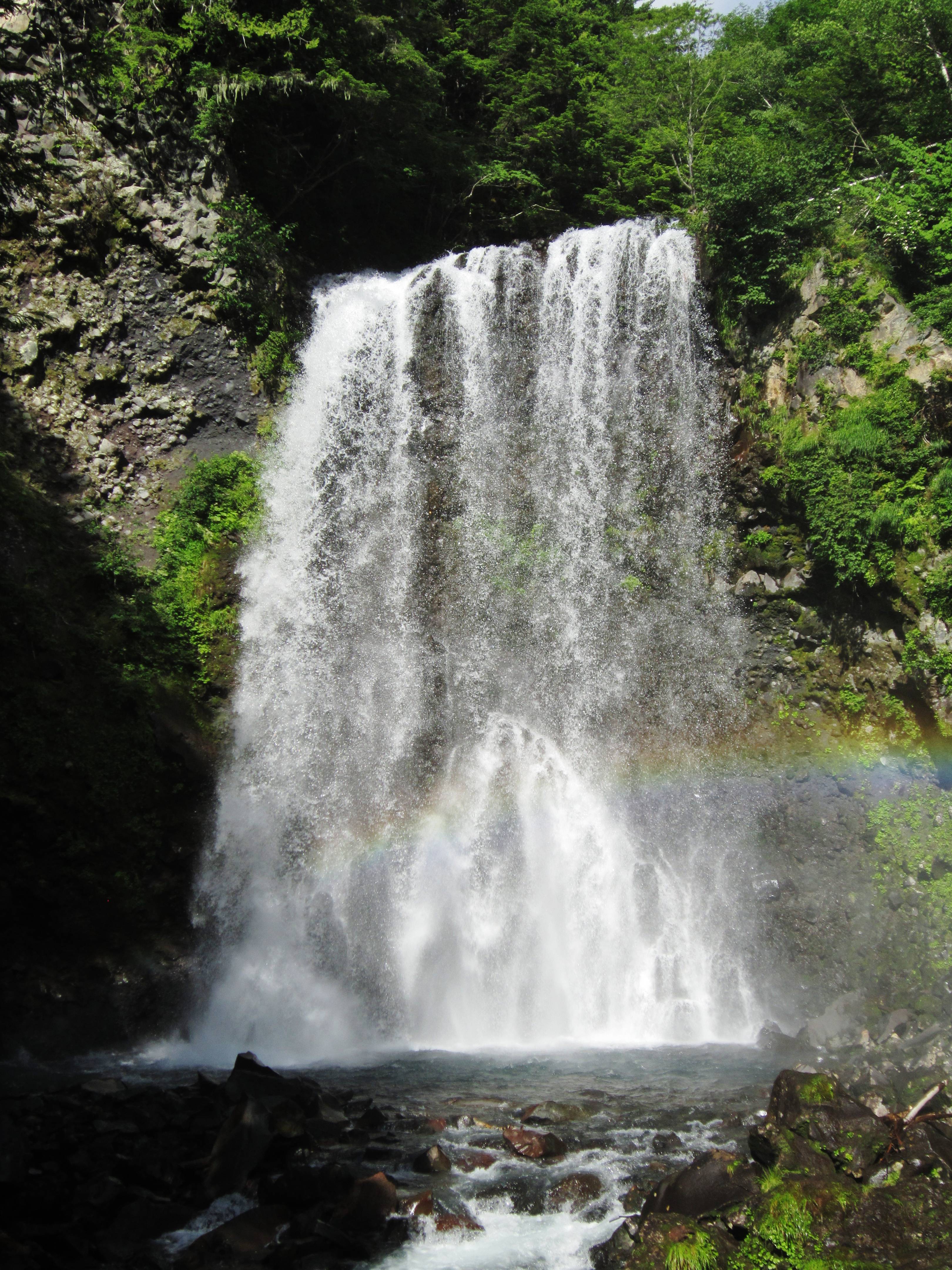
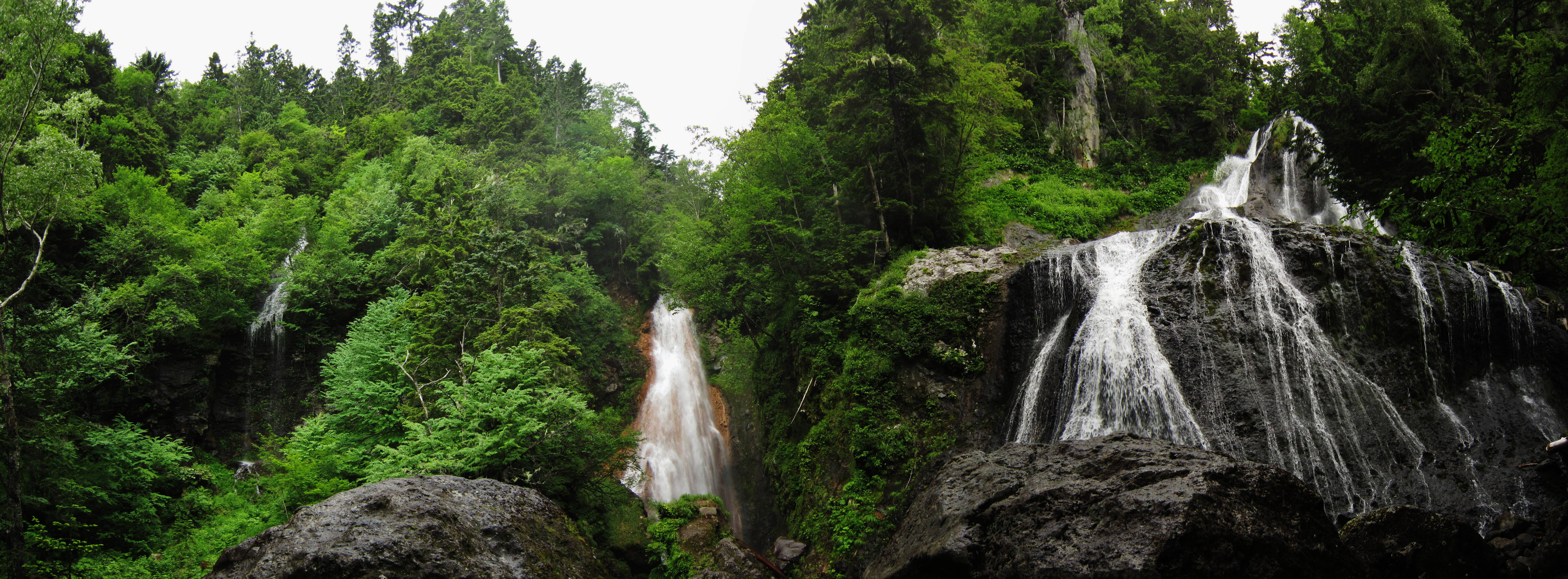
善五郎の滝 (Zengoro no Taki) – A Hidden Gem in Nagano’s Mountain Landscape
Discover the serene 21.5‑meter cascade perched at 1,525 m above sea level, just outside Toyoshina, Nagano. Whether you’re a seasoned waterfall hunter or a first‑time visitor to Japan’s alpine region, 善五郎の滝 offers a peaceful retreat that’s easy to miss—unless you know where to look.
1. Introduction
Imagine stepping off a quiet forest trail and hearing the soft roar of water tumbling over stone, framed by mist‑kissed pines and the crisp mountain air of central Japan. That moment is exactly what awaits you at 善五郎の滝 (pronounced Zengoro no Taki), a modest yet mesmerizing waterfall nestled in the highlands of Toyoshina, Nagano.
While Nagano is famous for its ski resorts and historic temples, its hidden waterfalls remain under‑the‑radar for most travelers. Zengoro no Taki is the perfect example—a 21.5 m drop that feels both intimate and grand, set at an altitude of 1,525 m where the seasons paint the scenery in vivid colors year‑round. If you’re searching for “Nagano waterfall,” “waterfall hiking Nagano,” or “best waterfalls in Japan,” this tranquil cascade should be at the top of your list.
2. About 善五郎の滝
A Brief Description
- Location: Toyoshina, Nagano Prefecture, Japan
- Coordinates: 36.118281 N, 137.617934 E
- Height: 21.5 m (≈ 70 ft)
- Altitude: 1,525 m (≈ 5,003 ft) above sea level
The waterfall plunges into a clear pool surrounded by dense beech and fir forests. Its name, 善五郎 (Zengoro), is a traditional Japanese given name, hinting at local folklore or perhaps the name of a historic landowner—though specific legends are not documented in public sources. The cascade’s modest size makes it accessible for a short hike, yet the elevation provides a refreshing chill even in summer.
Historical & Cultural Significance
Although there is no dedicated Wikipedia entry or widely published history for 善五郎の滝, waterfalls in Japan have long been revered as sacred sites in Shinto and Buddhist traditions. They are often considered places of purification, where travelers pause to cleanse both body and spirit. The surrounding Toyoshina region, known for its agricultural heritage and mountain villages, has historically depended on the pristine water from such streams for rice paddies and local crafts.
Even without a recorded legend, the waterfall’s presence contributes to the cultural landscape of Nagano’s highlands, offering a natural shrine where locals and hikers alike can enjoy a moment of quiet reflection.
3. How to Get There
From Tokyo or Osaka
- Shinkansen to Nagano – Board the Hokuriku Shinkansen (Tokyo → Nagano) or the Tokaido Shinkansen (Osaka → Nagano). The ride from Tokyo is about 1.5 hours; from Osaka, roughly 3 hours.
- Local Train to Toyoshina – Transfer at Nagano Station to the Shinano Railway Line (or JR East’s Oito Line) and alight at Toyoshina Station. The local ride takes 20–30 minutes.
From Nagano Station
- Bus – Nagano City’s public bus system runs a regional line (e.g., Bus No. 33) that stops near the trailhead for Zengoro no Taki. Check the latest timetable on the Nagano Transportation Bureau website.
- Taxi – A taxi from Nagano Station to the trailhead is roughly ¥3,500–¥4,500 and takes about 30 minutes.
Trailhead & Parking
The waterfall is reachable via a short, well‑marked forest path that starts at a small parking lot just off Route 141 (the main road that runs through Toyoshina). The lot is free for day use and accommodates a handful of cars—arrive early on weekends in peak season to secure a spot.
Walking Directions
- From the parking area, follow the signposted trail heading eastward. The path is a gentle 10‑minute walk (≈ 800 m) on a compacted dirt surface.
- The trail is relatively flat, with occasional wooden steps near the water’s edge. No special equipment is required, though sturdy walking shoes are recommended.
4. Best Time to Visit
| Season | What to Expect | Why It’s Ideal |
|---|---|---|
| Spring (April–May) | Snowmelt swells the stream, creating a fuller cascade; cherry blossoms may frame the forest. | Fresh water flow and vibrant foliage. |
| Summer (June–August) | Comfortable temperatures at 1,525 m; the pool is cool enough for a quick dip. | Pleasant hiking weather; fewer crowds than major tourist spots. |
| Autumn (September–November) | Brilliant red, orange, and gold leaves reflect off the water, creating a photographer’s dream. | Peak color season; crisp air enhances the waterfall’s mist. |
| Winter (December–February) | The waterfall may partially freeze, forming delicate ice ribbons; the surrounding landscape turns into a quiet snow‑covered wonderland. | Unique icy scenery; low visitor numbers. |
Overall recommendation: Late September to early October offers the most striking visual contrast, making it the prime time for photography and nature appreciation.
5. What to Expect
The Senses
- Sight: A clean, single‑drop cascade that plunges 21.5 m into a sapphire pool. The water’s clarity reveals smooth river stones at the base.
- Sound: A gentle roar that grows louder as you approach, mixed with the rustle of pine needles and occasional bird calls.
- Touch: The mist creates a fine, cooling spray—perfect for a quick refresh on a warm day.
- Smell: Fresh, earthy pine scent blended with the faint mineral aroma of the river.
Trail Experience
The path to 善五郎の滝 is short enough for families with children and senior travelers, yet it still feels like a true mountain hike thanks to the surrounding forest canopy. Along the way, you may spot small wildlife—squirrels, Japanese bush warblers, and occasionally a shy Japanese macaque.
At the waterfall’s base, a natural rock ledge offers a safe spot to sit, enjoy a packed lunch, or simply watch the water tumble. Because the pool is relatively shallow, swimming is not recommended, but wading in the shallower edges is allowed.
6. Nearby Attractions
While 善五郎の滝 can easily fill a half‑day itinerary, the surrounding area boasts several other natural highlights that are just a short walk or drive away.
| Attraction | Distance | Type | Quick Link |
|---|---|---|---|
| Zengoronataki | 0 km | Waterfall | Zengoronataki Details |
| Zengoro Falls | 0 km | Waterfall | Zengoro Falls Info |
| Unnamed Weir | 0.9 km | Weir | Local Weir Spot |
| 三本滝 (Mitsuhon Taki) | 2.1 km | Waterfall (Gifu) | Mitsuhon Taki Guide |
| Sanbondaki Falls | 2.2 km | Waterfall (Gifu) | Sanbondaki Falls Overview |
Note: The first two entries refer to the same cascade—different transliterations of 善五郎の滝—so you’ll encounter the same beautiful waterfall from multiple signposts.
If you have extra time, consider a short drive into neighboring Gifu Prefecture to explore 三本滝 and Sanbondaki Falls, both renowned for their dramatic rock formations and lush surroundings.
7. Travel Tips
| Tip | Details |
|---|---|
| Check Weather Beforehand | Mountain weather can change quickly. Bring a light rain jacket even in summer. |
| Footwear | Sturdy hiking shoes with good grip are essential, especially if the trail is wet or icy in winter. |
| Timing | Arrive early in the morning (7–8 am) during peak foliage season to avoid small crowds and capture soft light for photos. |
| Leave No Trace | Pack out all trash, stay on marked paths, and avoid disturbing the natural vegetation. |
| Photography | Use a polarizing filter to reduce glare on the water surface. A tripod helps for low‑light shots in winter or sunrise. |
| Food & Water | There are no shops at the waterfall, so bring snacks, water, and a small picnic. |
| Accessibility | The short walk is wheelchair‑friendly up to the viewpoint, but the final steps near the water may be uneven. |
| Local Etiquette | When visiting natural sites in Japan, it’s customary to bow slightly before entering a sacred or particularly beautiful spot—a quiet sign of respect. |
| Currency | No vending machines are available at the site; carry cash (¥) for any nearby convenience stores or taxi rides. |
| Emergency Services | The nearest medical facility is in Toyoshina Town. In case of injury, dial 119 for emergency assistance. |
Final Thought
善五郎の滝 may not have the fame of Japan’s iconic Kegon or Nachi waterfalls, but its unspoiled charm, easy accessibility, and breathtaking alpine backdrop make it a standout destination for anyone traveling through Nagano. Pair the gentle roar of the cascade with the crisp mountain air, and you’ll leave with a sense of calm that only nature can provide.
Pack your hiking boots, bring a camera, and set your compass for Toyoshina, Nagano—Zengoro no Taki is waiting to surprise you.
Keywords used: Nagano waterfall, Zengoro no Taki, Toyoshina travel, waterfall hiking Nagano, Japan nature travel, best waterfalls in Japan, how to get to 善五郎の滝, Nagano travel guide, mountain waterfall Japan.