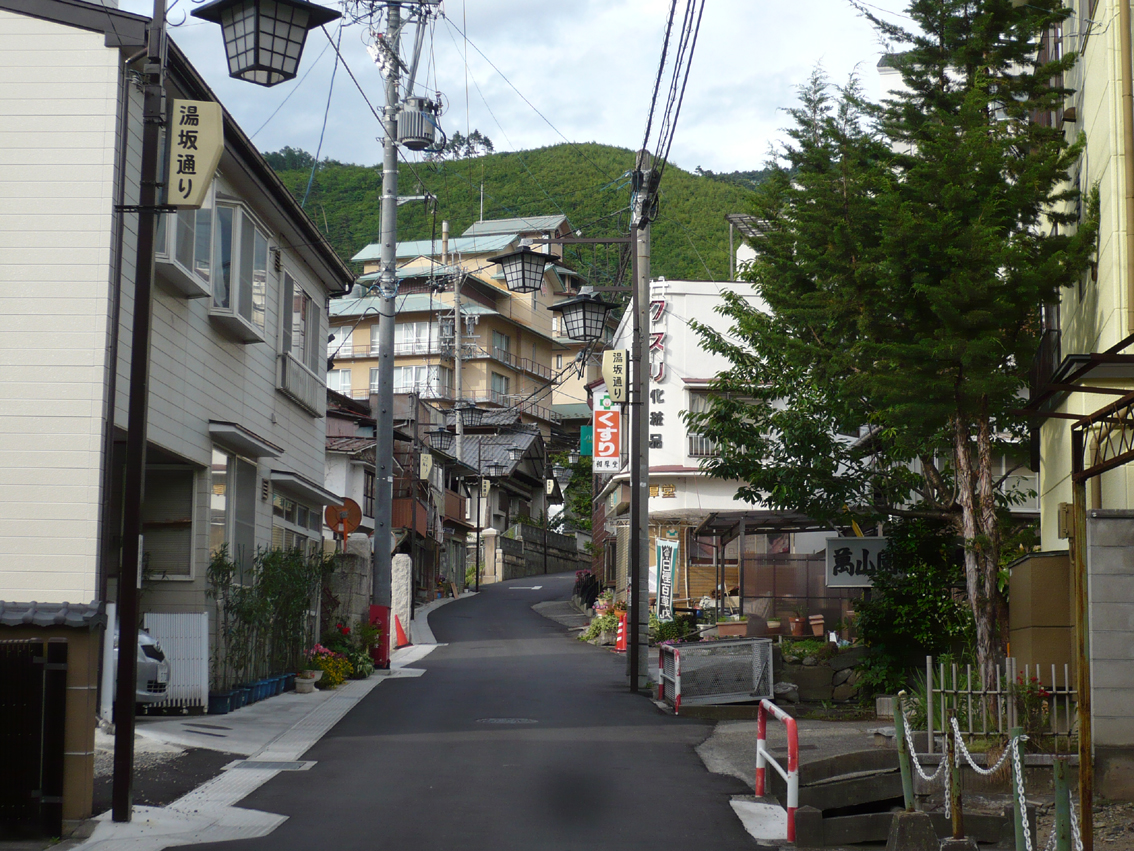
浅間温泉 (Asama Onsen) – A Hidden Gem in Matsumoto, Nagano
Discover the soothing waters, serene mountain backdrop, and authentic Japanese onsen culture that make Asama Onsen a must‑visit destination for travelers exploring Nagano.
1. Introduction
Imagine stepping out of a crisp mountain breeze into a steaming pool of mineral‑rich water, the scent of pine forests drifting around you, and the gentle murmur of a nearby river. This is the experience awaiting you at 浅間温泉 (Asama Onsen), a tranquil spring tucked away in the historic city of Matsumoto, Nagano Prefecture. While the region is famous for its iconic castle and snow‑capped peaks, Asama Onsen offers a quieter, more intimate glimpse of Japan’s onsen heritage—perfect for travelers seeking relaxation, cultural immersion, and a touch of adventure away from the typical tourist trail.
2. About 浅間温泉 (Asama Onsen)
A Brief Description
Asama Onsen is a natural hot spring (温泉) located at latitude 36.262613 and longitude 137.988587 in the foothills of the Japanese Alps. The spring’s waters emerge from the earth at a temperature ideal for soaking, providing a therapeutic blend of minerals that have been cherished by locals for generations.
Historical Roots
Although precise records of Asama Onsen’s founding are scarce, the spring has long been associated with the surrounding Matsumoto area, which boasts a rich history dating back to the Sengoku period. Traditional inns (旅館) and public baths (共同浴場) have historically used the spring’s water for communal bathing, healing, and spiritual purification—practices that continue to this day.
Cultural Significance
In Japanese culture, onsen are more than just hot tubs; they are communal spaces where people unwind, share stories, and reconnect with nature. Asama Onsen embodies this spirit, offering visitors a chance to experience authentic Japanese onsen etiquette—from washing thoroughly before entering the bath to enjoying the quiet contemplation that the surrounding forest inspires.
3. How to Get There
From Tokyo
- Shinkansen to Nagano – Board the Hokuriku Shinkansen from Tokyo Station to Nagano Station (≈ 1.5 hours).
- Limited‑Express Train – Transfer to the JR Shinano limited‑express bound for Matsumoto (≈ 50 minutes).
- Local Bus or Taxi – From Matsumoto Station, catch a local bus heading toward the Asama Onsen area or take a short taxi ride (≈ 15 minutes).
From Nagano City
- JR Oito Line – Direct trains run from Nagano Station to Matsumoto Station (≈ 45 minutes).
- Bus – Highway buses also connect Nagano City to Matsumoto; alight at Matsumoto Station and follow the same local transport steps above.
By Car
If you prefer driving, rent a car and follow the Jōshin‑Ōi Expressway (E41) to the Matsumoto interchange. From there, take National Route 143 southward; signage for Asama Onsen appears after a few kilometers. Parking is available at most ryokan (traditional inns) and public bath facilities near the spring.
4. Best Time to Visit
| Season | Highlights | Why Visit |
|---|---|---|
| Spring (March‑May) | Cherry blossoms around Matsumoto Castle; mild temperatures | Warm water feels especially soothing after cool mornings. |
| Summer (June‑August) | Lush green valleys; occasional mist over the mountains | Evening dips are refreshing after a day of hiking. |
| Autumn (September‑November) | Brilliant foliage (紅葉) with reds and golds | The contrast of hot water against crisp autumn air is unforgettable. |
| Winter (December‑February) | Snow‑capped peaks; quiet, low‑crowd atmosphere | Soak under a sky of falling snow for a classic “snow onsen” experience. |
Insider tip: The autumn foliage season (late October to early November) is often considered the peak time for onsen photography, as the surrounding forest turns vivid shades of orange and crimson.
5. What to Expect
The Bathing Experience
- Indoor and Outdoor Baths – Most facilities at Asama Onsen provide both a traditional indoor rotenburo (heated stone pool) and an open‑air rotenburo with views of the surrounding hills.
- Water Quality – The spring water is naturally rich in minerals such as calcium and sodium, known for easing muscle tension and improving circulation.
- Etiquette – Before entering the bath, rinse thoroughly at the washing stations. Towels are for modesty outside the water; they should not touch the pool.
Amenities
- Ryokan Stays – Several ryokan near the spring offer tatami rooms, kaiseki (multi‑course) meals featuring local Nagano produce, and private onsen baths.
- Public Bathhouses – If you’re on a tighter budget, community bathhouses (共同浴場) provide clean facilities at a modest fee.
- Dining – Expect regional specialties like soba noodles, shirakawa-go style grilled fish, and locally brewed sake.
Atmosphere
The ambiance at Asama Onsen is deliberately low‑key. Wooden beams, stone pathways, and the faint sound of a nearby stream create a meditative environment. Even during peak tourist months, the spring retains an intimate feel, making it ideal for solo travelers, couples, and families alike.
6. Nearby Attractions
While Asama Onsen is the star of the show, the surrounding area offers several natural and cultural points of interest within a short drive.
| Attraction | Type | Distance from Asama Onsen | Quick Link |
|---|---|---|---|
| Unnamed Spring | Spring | 2.9 km | — |
| なわて若がえりの水 | Spring | 3.5 km | — |
| Unnamed Weir | Weir | 3.6 km | — |
| Unnamed Fountain | Fountain | 3.8 km | — |
| Another Fountain | Fountain | 4.2 km | — |
Note: Because many of these sites are small, locally known water features, they may not have dedicated English webpages. However, a quick search using their Japanese names (e.g., “なわて若がえりの水”) will reveal maps and occasional visitor photos.
Other Must‑See Spots in Matsumoto
- Matsumoto Castle – One of Japan’s most beautiful original castles, just 15 minutes by train from the onsen area.
- Nawate Street (Nawate-dori) – A historic shopping arcade perfect for souvenir hunting and sampling street food.
- Kamikochi Valley – A short train ride plus bus transfer brings you to this alpine paradise, ideal for hiking and wildlife spotting.
7. Travel Tips
- Bring a Small Towel – Most onsen provide a larger towel for modesty, but a personal hand towel is useful for washing.
- Cash Is King – Many ryokan and public baths still operate on a cash‑only basis; ATMs can be scarce in rural Nagano.
- Check Bath Hours – Some facilities close early in winter (around 6 pm). Verify opening times before you go.
- Respect Quiet – Onsen are places of relaxation; keep conversations low and avoid using mobile phones inside the baths.
- Health Precautions – If you have open wounds, high blood pressure, or are pregnant, consult the facility staff before entering the hot water.
- Seasonal Gear – In winter, wear insulated slippers and bring a warm robe for the walk from the parking lot to the bathhouse.
- Language Help – While many ryokan staff speak basic English, carrying a small phrasebook or translation app (e.g., “温泉に入ってもいいですか?” – “May I use the onsen?”) can smooth communication.
Final Thoughts
Whether you’re a seasoned onsen enthusiast or a first‑time visitor to Japan’s hot spring culture, 浅間温泉 (Asama Onsen) offers an authentic, soul‑soothing experience set against the breathtaking backdrop of Nagano’s mountains. From the mineral‑rich waters to the nearby cultural gems, a trip to Asama Onsen is a perfect blend of relaxation, adventure, and Japanese tradition.
Pack your bathing suit, brush up on onsen etiquette, and let the gentle steam of Asama Onsen melt away the stresses of everyday life—your unforgettable Nagano getaway awaits.
Keywords: Asama Onsen, 浅間温泉, Nagano hot springs, Matsumoto travel, Japan onsen guide, best time to visit Asama Onsen, how to get to Asama Onsen, Nagano attractions, Japanese onsen etiquette, ryokan Matsumoto.