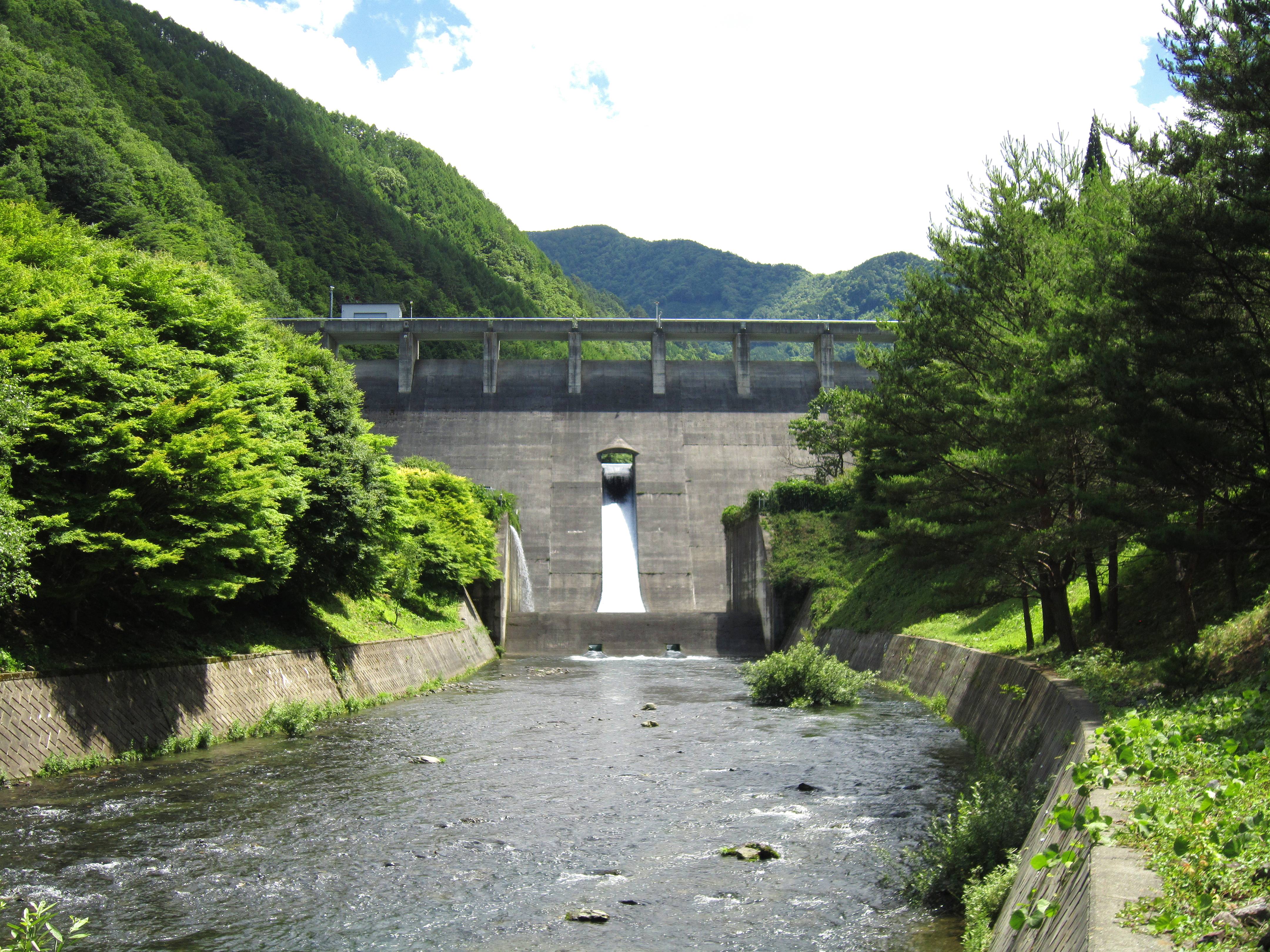
Discover 横川ダム – A Hidden Gem in Nagano, Japan
Travel, nature, and engineering converge at 横川ダム, a serene dam tucked away in the mountains of Tatsuno, Nagano. Whether you’re a photography enthusiast, a hiking lover, or simply looking for an off‑the‑beaten‑path spot in Japan, this dam offers a peaceful retreat with stunning views of the Japanese Alps.
1. Introduction
Imagine standing on a quiet riverbank, the gentle hum of water flowing over a concrete spillway, and the majestic peaks of the Nagano countryside rising in the distance. That’s the experience awaiting you at 横川ダム (Yokogawa Dam). While it may not appear on the typical “must‑see” lists of Japan, this dam is a perfect illustration of how functional infrastructure can become a beautiful outdoor destination. In this guide, we’ll explore the dam’s background, how to reach it, the best seasons to visit, what you’ll see on site, nearby attractions, and practical travel tips to make your trip smooth and memorable.
2. About 横川ダム
- Location: Tatsuno, Nagano Prefecture, Japan
- Coordinates: 35.981594° N, 137.905500° E
- Type: Dam (purpose primarily for water management)
The 横川ダム was constructed as part of Nagano’s extensive water‑resource network, helping to regulate river flow and protect downstream communities from flooding. Although detailed specifications such as height and altitude are not publicly disclosed, the dam’s modest size blends seamlessly with the surrounding forested hills, making it an unobtrusive yet vital piece of regional infrastructure.
Historical Context
Nagano’s mountainous terrain has long required careful water management. In the post‑war era, a series of dams and weirs were built throughout the prefecture to support agriculture, hydroelectric power, and flood control. 横川ダム is one of these projects, reflecting the engineering ingenuity that enables the region’s thriving rice paddies and ski resorts to coexist with pristine natural landscapes. While the dam itself may not be a tourist hotspot, its presence underscores the harmony between human activity and nature that defines much of rural Japan.
Why It Matters
For travelers, 横川ダム offers more than just a glimpse of engineering; it provides a tranquil spot for reflection, birdwatching, and photography. The dam’s reservoir often mirrors the sky, creating perfect conditions for sunrise and sunset shots. Moreover, its location in Tatsuno—an area known for hot springs (onsen) and traditional crafts—makes it an ideal stop on a broader Nagano itinerary.
3. How to Get There
By Train
- Start from Nagano Station (JR Shinano Line).
- Take the Kita-Shinano Line to Tatsuno Station (approximately 30 minutes).
- From Tatsuno Station, you’ll need a local taxi or rental car for the final leg (about 15 km).
By Car
- From Nagano City: Take the Nagano Expressway (E29) heading north, exit at Tatsuno Interchange. Follow Route 140 southward; the dam is signposted near the river bend at coordinates 35.981594, 137.905500.
- Parking: A small, free parking lot sits near the dam’s visitor area. Expect limited spaces during weekends, so arrive early if possible.
By Bus
Local bus routes (Nagano Bus) run from Nagano Station to Tatsuno. The last stop is “Tatsuno‑mae,” about a 10‑minute walk to the dam’s trailhead. Check the latest timetable as services are infrequent on weekends and holidays.
Pro tip: Use a navigation app with the exact coordinates (35.981594, 137.905500) to avoid any confusion—especially if you’re driving on rural roads.
4. Best Time to Visit
| Season | Highlights | Why Visit |
|---|---|---|
| Spring (Mar‑May) | Cherry blossoms along the river, fresh green foliage | Mild temperatures (10‑18 °C) and fewer crowds |
| Summer (Jun‑Aug) | Lush forest canopy, vibrant wildflowers, cool river breezes | Perfect for hiking and picnics; occasional mist adds a mystical feel |
| Autumn (Sep‑Nov) | Brilliant maple (momiji) colors reflecting on the reservoir | Ideal for photography; temperatures comfortably cool (12‑20 °C) |
| Winter (Dec‑Feb) | Snow‑capped mountains, quiet serenity, occasional ice formations | Rarely crowded; great for winter photography and nearby onsen visits |
Top Recommendation: Late October offers spectacular autumn foliage that mirrors beautifully on the dam’s water surface, creating a postcard‑worthy scene.
5. What to Expect
Scenic Views
Approaching 横川ダム, you’ll first notice the gentle curve of the river as it widens into a calm reservoir. The dam itself is a low concrete structure, but its surrounding forest—primarily Japanese cedar and larch—creates a natural frame. From the main observation platform, you can enjoy panoramic views of the Kiso River tributaries and distant peaks of the Japanese Alps.
Activities
- Photography: Sunrise over the dam, misty mornings, and autumn reflections are especially photogenic.
- Birdwatching: The reservoir attracts waterfowl such as the Japanese Cormorant and seasonal migratory birds. Bring binoculars for a closer look.
- Light Walking: A short, well‑maintained trail circles the dam, suitable for all fitness levels. The path is mostly flat, with occasional wooden boardwalks over wet areas.
- Picnic: Designated picnic spots with benches are available near the parking lot. Remember to pack out all trash to keep the area pristine.
Facilities
- Restrooms: Basic public toilets near the parking area.
- Information Board: Provides brief details about the dam’s purpose and local wildlife.
- No Admission Fee: Access to the dam and surrounding trail is free of charge.
6. Nearby Attractions
While 横川ダム is a highlight on its own, the surrounding region offers several other natural and cultural points of interest within a short drive:
| Distance | Attraction | Type | Approx. Travel Time |
|---|---|---|---|
| 6.7 km | [Unnamed Weir] | Weir | 10 min by car |
| 6.7 km | [Unnamed Weir] | Weir | 10 min by car |
| 7.9 km | [Unnamed Fountain] | Fountain | 12 min by car |
| 8.2 km | [Unnamed Fountain] | Fountain | 13 min by car |
| 8.3 km | [Unnamed Weir] | Weir | 12 min by car |
Note: These nearby water features are modest but add to the serene river landscape. They are perfect for quick stops, especially if you enjoy exploring lesser‑known waterways.
Additional Recommendations
- Tatsuno Onsen: After a day of walking, unwind in one of the local hot springs just 5 km from the dam.
- Kamikochi Valley: A world‑renowned alpine park about 45 km north—ideal for a day‑trip if you have extra time.
- Matsumoto Castle: The “Crow Castle” is a historic landmark roughly 70 km west, reachable by train or car.
For more detailed information on the dam itself, visit the official Wikipedia page: https://ja.wikipedia.org/wiki/%E6%A8%AA%E5%B7%9D%E3%83%80%E3%83%A0%20(%E9%95%B7%E9%87%8E%E7%9C%8C).
7. Travel Tips
| Tip | Details |
|---|---|
| Check Weather | Mountain weather can change quickly. Bring a light rain jacket and layers even in summer. |
| Footwear | Sturdy walking shoes or light hiking boots are recommended; some sections of the trail can be slippery after rain. |
| Timing | Arrive early (before 10 am) to avoid the small weekend crowd and capture the best light for photos. |
| Respect the Environment | The area is a protected water resource. Do not feed wildlife or litter. |
| Cash on Hand | Rural shops and onsen may only accept cash. ATMs are limited near Tatsuno. |
| Language | Signage is primarily in Japanese. Having a translation app or a few basic phrases (e.g., “Konnichiwa,” “Arigatou”) can be helpful. |
| Connectivity | Mobile signal may be weak near the dam. Download offline maps beforehand. |
| Safety | The dam’s spillway can be dangerous during high flow periods. Stay behind safety railings and follow posted signs. |
Final Thoughts
横川ダム may not be a headline attraction, but its quiet charm, stunning natural backdrop, and easy accessibility make it a rewarding stop for anyone traveling through Nagano. Pair it with a soak in a nearby onsen, a hike in the surrounding forest, or a scenic drive through the Japanese Alps, and you’ll experience a slice of authentic, off‑the‑tourist‑track Japan. Pack your camera, bring a sense of adventure, and let the gentle flow of the Yokogawa River guide you to a memorable day in the heart of Nagano.
Happy travels! 🌿🏞️