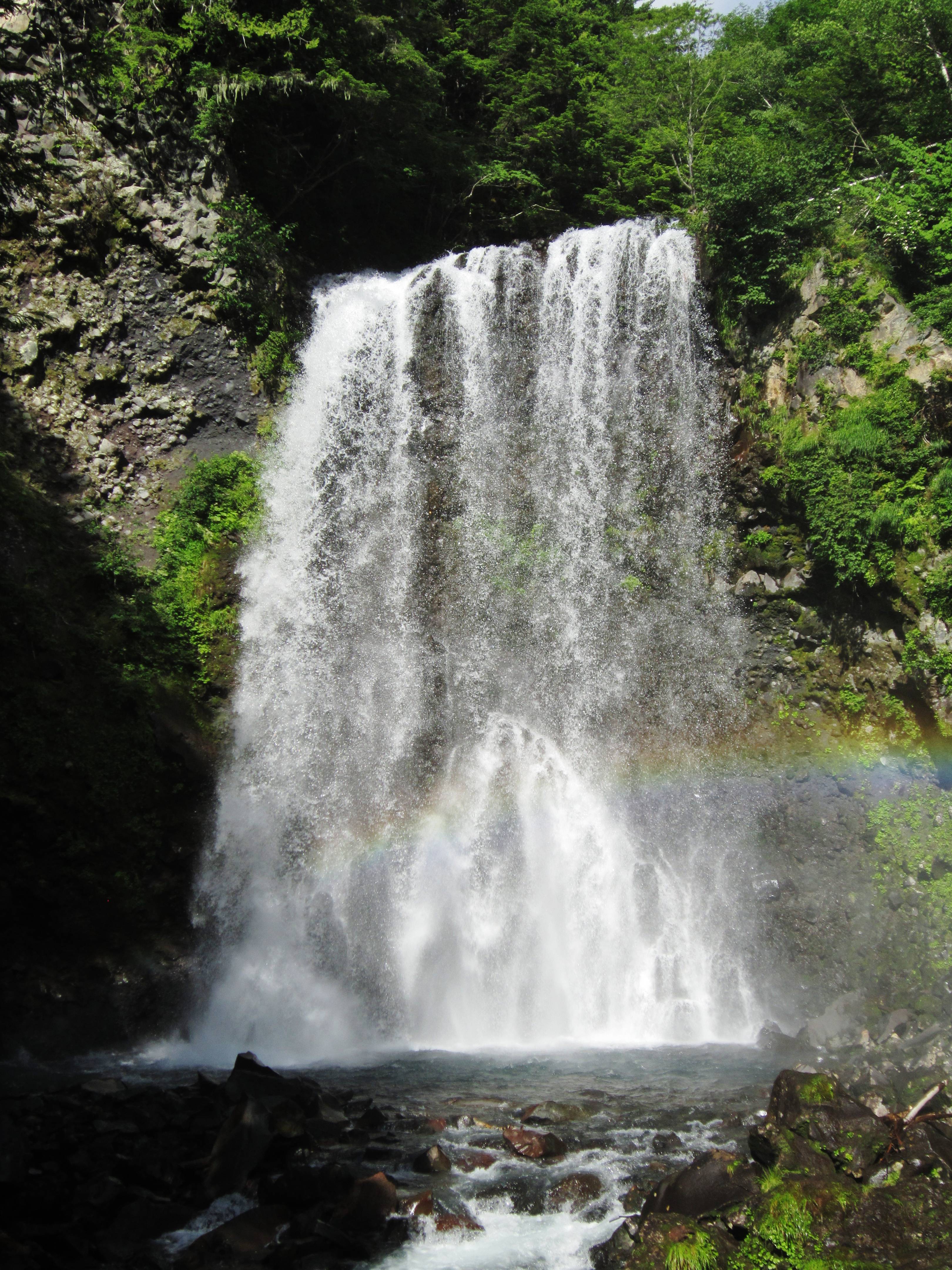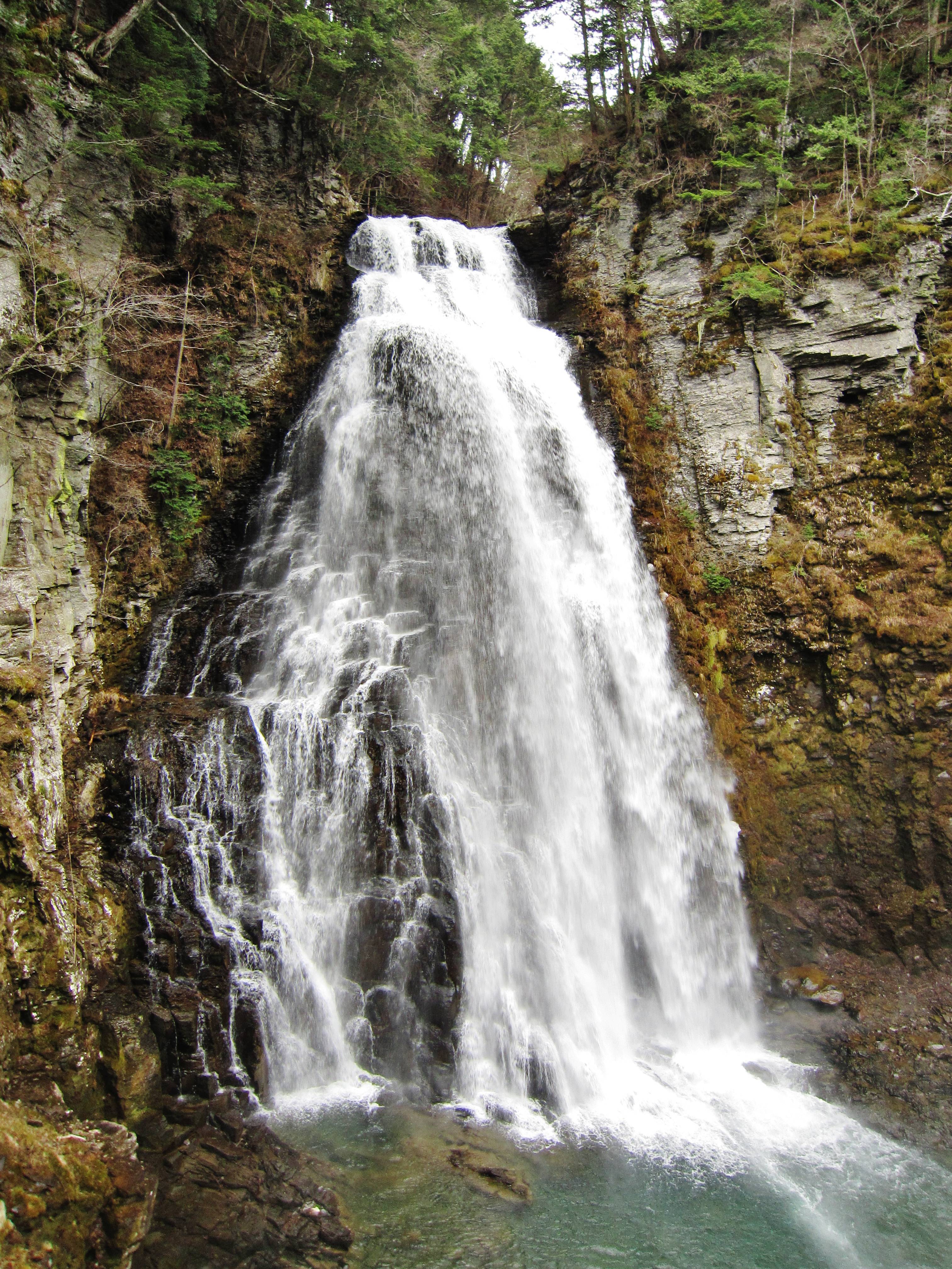
番所大滝 (Bansho Ōtaki) – A Hidden Waterfall Gem in Nagano, Japan
Discover the 40‑meter cascade that drops from 1,240 m above sea level, tucked away in the forested hills of Toyoshina, Nagano.
1. Introduction
If you’re hunting for a waterfall that feels like a secret kept by the mountains, 番所大滝 (Bansho Ōtaki) should be at the top of your Nagano itinerary. While Japan’s iconic falls such as Kegon or Nachi draw crowds, Bansho Ōtaki offers a quieter, more intimate experience—an unspoiled 40‑meter plunge surrounded by pristine alpine forest, crisp mountain air, and the gentle murmur of the river below. Whether you’re a seasoned hiker, a nature photographer, or simply a traveler craving a peaceful spot to unwind, this waterfall delivers a perfect blend of natural beauty and cultural charm.
2. About 番所大滝
- Location: Toyoshina, Nagano Prefecture, Japan
- Coordinates: 36.128002 N, 137.657743 E
- Height: 40 m (≈131 ft)
- Altitude: 1,240 m (≈4,068 ft) above sea level
Bansho Ōtaki is part of the Kurosawa River system that winds through the northern Nagano highlands. The name “番所” (Bansho) historically refers to a guard post or checkpoint, hinting that the area once served as a strategic waypoint along ancient mountain routes. While there is no extensive written record of the waterfall’s early history, locals have long revered it as a place of spiritual renewal—its mist is said to cleanse both body and mind.
The waterfall’s sheer drop creates a dramatic curtain of water that thunders into a deep pool, framed by moss‑covered rocks and towering cedars. In autumn, the surrounding foliage turns fiery red and gold, adding a painterly backdrop to the cascade. In winter, light snow and ice lace the rocks, turning the scene into a quiet, frosty wonderland.
3. How to Get There
By Public Transportation
- From Nagano Station – Take the JR Shinonoi Line to Toyoshina Station (≈30 min).
- Bus Transfer – From Toyoshina, board a local community bus heading toward the Bansho area. The bus stop is a short walk from the trailhead parking lot.
- Walking – From the bus stop, follow the signposted forest path (≈15 min) that leads directly to the waterfall’s viewing platform.
Tip: Bus schedules are limited on weekends, so check the latest timetable on the Nagano City transportation website before you travel.
By Car
If you prefer driving, rent a car in Nagano City and follow the Nagano Expressway (E19) to the Toyoshina Interchange. From there, take Route 403 north for about 7 km; you’ll see a small parking lot marked “番所大滝”. The road is well‑maintained but narrow in places, so a compact vehicle is ideal.
By Bicycle
For the adventurous, the Nagano Cycling Route passes near Toyoshina. The ride is moderately hilly (≈200 m elevation gain) and takes about 2 hours from Nagano Station. Bring a lock for the bike at the parking area.
4. Best Time to Visit
| Season | What to Expect | Why It’s Ideal |
|---|---|---|
| Spring (April‑May) | Snowmelt swells the river; fresh green leaves appear. | The waterfall is at its fullest, and the forest is vibrant with new growth. |
| Summer (June‑August) | Warm days, occasional mist from the falls. | Comfortable hiking temperatures (15‑25 °C) and long daylight hours for photography. |
| Autumn (September‑November) | Brilliant foliage (maple & ginkgo). | The contrast between orange‑red leaves and the white cascade creates stunning photo opportunities. |
| Winter (December‑February) | Light snow, icy spray, quiet atmosphere. | Fewer visitors; the frozen surroundings give a mystical feel (be cautious on slippery rocks). |
Overall recommendation: Late April to early November offers the best combination of water flow, accessibility, and scenic variety.
5. What to Expect
When you arrive at the trailhead, a short, well‑marked path winds through a mixed‑conifer forest. The air carries a faint, refreshing scent of pine and river mist. After about 10‑15 minutes of gentle ascent, you’ll emerge onto a modest wooden platform that frames the waterfall perfectly.
From this viewpoint you can:
- Hear the roar of 40 m of water crashing into the pool below—an invigorating sound that drowns out city noise.
- Feel the spray on your face, especially on windy days; it’s a natural, cooling mist.
- Spot wildlife such as Japanese macaques, small birds, and occasional deer that venture near the water’s edge.
If you’re up for a little extra adventure, a side trail leads downstream to 番所小滝 (Bansho Small Waterfall), a delicate 10‑meter cascade just 100 m away—perfect for a quick photo detour.
The site is maintained by local volunteers, so you’ll find clean restrooms and a small information board detailing the waterfall’s geology and local flora. No admission fee is required.
6. Nearby Attractions
While Bansho Ōtaki is the star, the surrounding area offers several complementary spots that can fill a full day of exploration:
- 番所小滝 (Bansho Small Waterfall) – A petite 10 m drop only 0.1 km away; ideal for a quick side‑trip.
- 千間淵 (Senbanuchi Waterfall) – A scenic cascade 0.2 km from the main falls, known for its clear, turquoise pool.
- Weir (堰) – An historic stone weir 2.9 km away, offering insight into traditional water management in Nagano.
- Zengoro Falls (前郷の滝) – A larger, dramatic waterfall 3.7 km away, surrounded by rugged cliffs.
- [Zengoronataki (前郷の滝) – same as above] – Often referenced under a slightly different spelling; both point to the same impressive fall.
All of these sites are reachable via short forest trails or local roads, making it easy to create a “waterfall loop” itinerary. Pack a lunch and enjoy a picnic by the gentle sounds of Senbanuchi’s pool before heading back to Bansho Ōtaki for sunset.
7. Travel Tips
| Tip | Details |
|---|---|
| Footwear | Wear sturdy hiking shoes with good grip; the trail can be slippery near the falls, especially after rain. |
| Timing | Arrive early (7‑8 am) on weekends to avoid the modest crowd that gathers later in the day. |
| Photography | Use a polarizing filter to reduce glare on the water; a tripod helps capture silky‑smooth motion during low‑light evening shots. |
| Weather | Check the forecast; heavy rain can make the river swell dangerously. In winter, ice can make the viewing platform hazardous. |
| Respect Nature | Stay on marked paths, avoid stepping on delicate moss, and pack out any trash. |
| Language | Signage is primarily in Japanese, but most locals speak basic English. Having a translation app handy for the information board can be useful. |
| Local Food | Try the nearby Azumino soba (buckwheat noodles) at a family‑run restaurant in Toyoshina—perfect after a hike. |
| Connectivity | Mobile signal is spotty near the waterfall; download offline maps (Google Maps or MAPS.ME) beforehand. |
| Safety | No lifeguard or swimming area at the base; keep children away from the edge. |
Final Thought
番所大滝 may not appear on every “top 10 Japan waterfalls” list, but that’s exactly why it feels like a personal discovery. The combination of a powerful 40‑meter drop, high‑altitude forest ambience, and easy access from Nagano City makes it a must‑visit for anyone craving authentic nature without the crowds. Pack your camera, lace up your boots, and let the mist of Bansho Ōtaki refresh your spirit.
Happy travels, and may the sound of the falls guide you to new adventures in Nagano!