Discover the Hidden Gem of Miyazaki: 杉安ダム (Sugiyasu Dam)
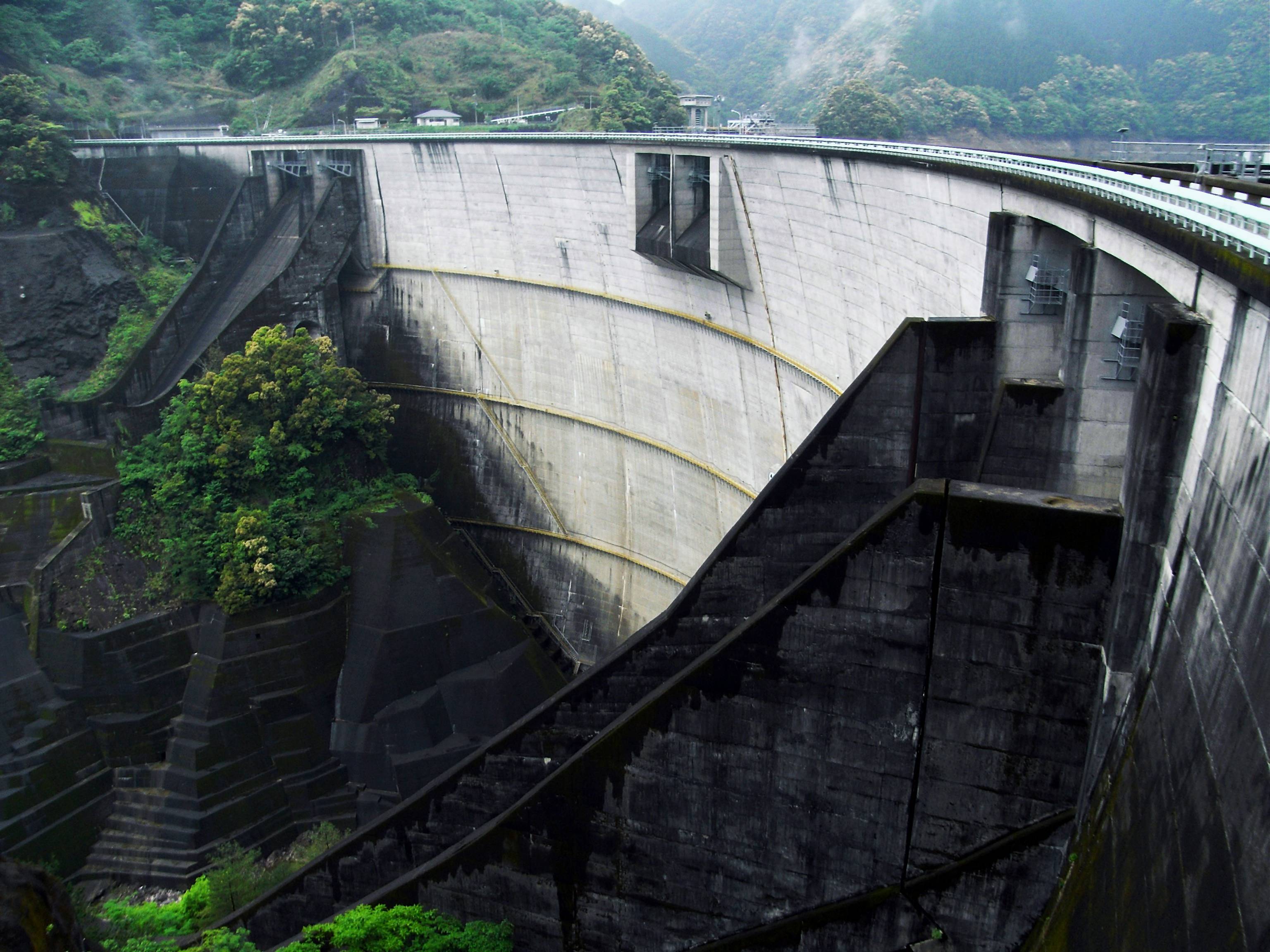
If you think Japan’s iconic sights are limited to bustling cities and ancient temples, think again. Tucked away in the verdant hills of Tsuma, Miyazaki, lies 杉安ダム (Sugiyasu Dam) – a tranquil spot where engineering meets nature. Whether you’re a road‑trip enthusiast, a photography lover, or simply craving a peaceful escape, this modest dam offers a surprisingly rich experience.
1. Introduction
Travelers who venture off the beaten path often stumble upon places that feel like a secret shared only with locals. Sugiyasu Dam is one of those hidden treasures. Set against the backdrop of Miyazaki’s rolling countryside, the dam provides sweeping views of sparkling water, lush forests, and distant mountains. Its serene atmosphere makes it an ideal stop for anyone exploring Kyushu’s southern coast, and it serves as a perfect base for discovering nearby attractions such as 一ツ瀬ダム, 川原ダム, and the charming 金丸堰 weir.
In this guide, we’ll walk you through everything you need to know to make the most of a visit to Sugiyasu Dam—from how to get there, to the best seasons for photography, to practical tips that keep your journey smooth and enjoyable.
2. About 杉安ダム
What Is Sugiyasu Dam?
- Type: Concrete dam (🏗️)
- Location: Tsuma, Miyazaki Prefecture, Japan
- Coordinates: 32.162725 N, 131.358942 E
- Primary Purpose: While specific operational details are scarce, most dams in Miyazaki serve multiple functions—water supply, flood control, and sometimes hydro‑electric generation.
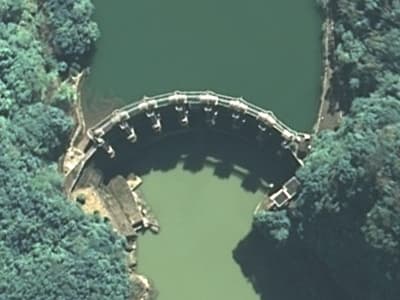
The dam’s modest size blends seamlessly into the surrounding landscape, allowing visitors to enjoy the water’s gentle ripple without the overwhelming industrial feel of larger reservoirs. Although the exact height and altitude remain undocumented, the dam’s placement at a modest elevation provides panoramic vistas of the Kyushu countryside.
A Brief History
Sugiyasu Dam was constructed as part of Miyazaki Prefecture’s post‑war infrastructure development, aimed at stabilizing water resources for agriculture and local communities. Its name—杉安 (Sugiyasu)—derives from the historic Sugiyasu village that once thrived in this region. Over the decades, the dam has become a quiet landmark, cherished by locals for its reliability and by travelers for its understated beauty.
Why It Matters
- Environmental Stewardship: The dam contributes to sustainable water management, supporting rice paddies and other crops that define Miyazaki’s rural charm.
- Recreation: The reservoir offers a calm setting for fishing, birdwatching, and low‑impact hiking.
- Cultural Connection: Visiting the dam provides insight into Japan’s balance between modern engineering and respect for natural scenery—a theme that resonates throughout the country’s infrastructure projects.
3. How to Get There
By Car
The most convenient way to reach Sugiyasu Dam is by rental car or private vehicle:
-
From Miyazaki City:
- Take the Miyazaki Expressway (E3) heading west toward Nobeoka.
- Exit at Tsuma Interchange (approximately 45 km from the city center).
- Follow local signs for Tsuma Town and continue on Route 219 toward the dam. -
Parking: A small parking lot sits near the dam’s visitor area. Spaces fill quickly during weekends and holidays, so arrive early for a guaranteed spot.
By Public Transportation
While public transit options are limited, you can still make the journey using a combination of train and bus:
- Train: Board the JR Nippō Main Line from Miyazaki Station to Tsuma Station (about 40 minutes).
- Bus: From Tsuma Station, hop on the local Miyazaki Bus (route 12) that heads toward the dam. The bus runs roughly every hour on weekdays and less frequently on weekends.
Tip: Purchase a Miyazaki One-Day Pass for unlimited rides on local buses—great value if you plan to explore multiple attractions.
By Bicycle
For the adventurous, the Miyazaki Coastal Cycle Route connects several scenic spots, including Sugiyasu Dam. The ride is moderately challenging due to gentle hills, but the reward is an up‑close view of the reservoir and surrounding forest.
4. Best Time to Visit
| Season | Weather | What to Expect | Why It’s Ideal |
|---|---|---|---|
| Spring (Mar‑May) | Mild temps (15‑22 °C), cherry blossoms nearby | Fresh green foliage, occasional sakura along the riverbanks | Perfect for photography and picnics |
| Summer (Jun‑Aug) | Warm (25‑30 °C), occasional rain | Lush, vibrant landscape; good for early‑morning visits before heat peaks | Ideal for fishing and cool water reflections |
| Autumn (Sep‑Nov) | Cool (18‑24 °C), vivid foliage | Brilliant reds and golds against the dam’s blue water | Best for landscape photography and tranquil walks |
| Winter (Dec‑Feb) | Cool (10‑15 °C), occasional frost | Quiet, misty mornings; fewer crowds | Great for contemplative photography and birdwatching |
Overall Recommendation: Late October to early November offers the most striking color contrast and comfortable temperatures, making it the prime season for Instagram‑worthy shots.
5. What to Expect
Scenic Views
Approach the dam via a short, paved walkway that leads to a viewing platform overlooking the reservoir. From here, you can capture:
- The calm water surface mirroring surrounding hills.
- Seasonal changes—cherry blossoms in spring, emerald leaves in summer, fiery maples in autumn.
Outdoor Activities
- Fishing: Local anglers often cast lines from the dam’s edge. A simple fishing permit (available at nearby shops) grants access.
- Birdwatching: The area attracts species such as the Japanese Bush Warbler and Eurasian Tree Sparrow. Bring binoculars for a rewarding experience.
- Gentle Hiking: A loop trail of roughly 2 km circles the reservoir, suitable for families and casual walkers. Trail markers are clearly posted, and the path is mostly flat.
Facilities
- Restrooms: Clean, gender‑neutral facilities near the parking lot.
- Picnic Area: A few wooden tables and benches under a shaded canopy—perfect for a packed lunch.
- Information Board: Provides brief historical notes and safety guidelines (e.g., no swimming, keep a safe distance from the dam wall).
Atmosphere
Unlike crowded tourist hotspots, Sugiyasu Dam exudes a peaceful, almost meditative vibe. The gentle hum of water, rustling leaves, and occasional bird song create a soothing backdrop for reflection or creative work.
6. Nearby Attractions
While Sugiyasu Dam is a highlight on its own, the surrounding region boasts several other points of interest within a short drive. Each offers a unique glimpse into Miyazaki’s natural and engineered beauty.
| Attraction | Type | Distance from Sugiyasu Dam | Quick Insight |
|---|---|---|---|
| (Unnamed) Weir | Weir | 2.9 km | Small water control structure ideal for a quick photo stop. |
| 一ツ瀬ダム (Ichitsuse Dam) | Dam | 7.2 km | Larger reservoir surrounded by forest trails—great for kayaking (where permitted). |
| 川原ダム (Kawahara Dam) | Dam | 7.8 km | Offers a scenic overlook and a modest hiking loop. |
| 金丸堰 (Kanemaru Weir) | Weir | 9.2 km | Known for its rustic stonework and tranquil water flow. |
| 大瀬内ダム (Ōsenai Dam) | Dam | 9.3 km | The biggest of the group; features a visitor center with educational exhibits. |
Explore these sites by following the local road signs or using a GPS navigation app. For more detailed information, you can visit each Wikipedia page (if available) or the Miyazaki tourism website.
7. Travel Tips
- Check Road Conditions – Rural roads can be narrow and winding, especially after heavy rain. Use a real‑time navigation app (e.g., Google Maps) for live traffic updates.
- Carry Cash – Small local shops and vending machines may not accept credit cards.
- Dress in Layers – Weather can shift quickly in the hills; a light jacket is advisable even in summer evenings.
- Respect the Environment – The dam area is a protected water source. Dispose of trash in designated bins and avoid feeding wildlife.
- Timing for Photography – Early morning (sunrise) and late afternoon (golden hour) provide the softest light and the most dramatic reflections on the water.
- Stay Connected – Cellular coverage can be spotty. Download offline maps before you set out.
- Local Cuisine – After your dam adventure, stop by a nearby Tsuma eatery for Miyazaki’s famous Chicken Nanban or fresh Miyazaki beef.
Ready to Experience Sugiyasu Dam?
From its quiet waters to the surrounding forested hills, 杉安ダム offers a slice of authentic Miyazaki that many travelers overlook. Whether you’re mapping a road‑trip across Kyushu or seeking a peaceful day away from city crowds, this dam and its neighboring attractions promise a rewarding blend of nature, culture, and engineering marvel.
Pack your camera, hit the road, and let the gentle ripple of Sugiyasu Dam guide you to a new favorite corner of Japan. Safe travels! 🌿🚗📸