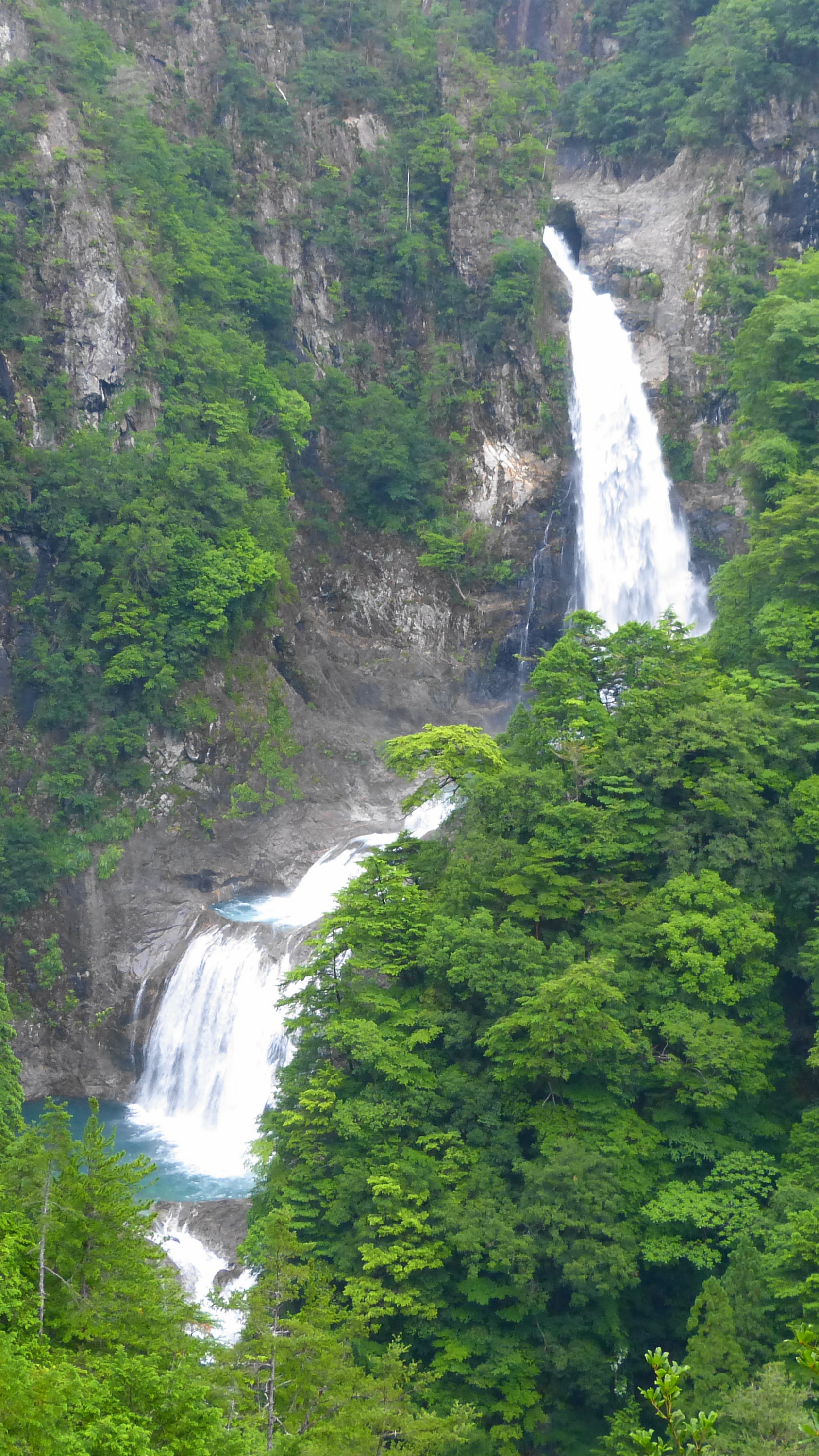
Discover the Hidden Gem of Mie: 不動七重滝 (Fudo Nanajū Waterfall)
If you’re chasing the secret waterfalls of Japan, the cascading wonder of 不動七重滝 in Ow‑a‑se, Mie Prefecture should be at the top of your list. Nestled deep in the Kii Peninsula’s verdant forest, this multi‑tiered waterfall offers a tranquil escape from the crowds, a photographer’s dream, and a genuine taste of Japan’s untouched natural beauty.
1. Introduction
Imagine stepping into a forest where the air smells of pine and fresh rain, the sound of water thundering over stone echoes all around, and sunlight filters through a canopy of emerald leaves. This is the experience that awaits you at 不動七重滝—a series of seven graceful drops that tumble down a hidden gorge in Owase, Mie. While Japan’s iconic waterfalls like Kegon and Nachi draw throngs of tourists, Fudo Nanajū remains a quiet sanctuary, perfect for those who crave authentic, off‑the‑beaten‑path adventure.
In this guide, we’ll dive into the history, travel logistics, seasonal highlights, and nearby attractions that make a day (or a weekend) around 不動七重滝 unforgettable. Whether you’re a seasoned hiker, a nature photographer, or simply a curious traveler, read on to plan your perfect Mie waterfall getaway.
2. About 不動七重滝
Description
不動七重滝 (pronounced Fudō Nanajū no Taki) translates roughly to “Fudo’s Seven‑Tier Waterfall.” True to its name, the waterfall consists of seven distinct cascades that flow over rugged volcanic rock, creating a rhythmic, layered spectacle. The exact height of each tier isn’t officially recorded, but the combined descent is impressive enough to generate a misty veil that blankets the surrounding forest floor.
Located at 34.096334° N, 135.954102° E, the waterfall sits within the Owase city limits, a region famed for its abundant rainfall and dense, primeval woodlands. The water source is a network of mountain streams that swell during the rainy season, feeding the waterfall year‑round.
History & Significance
While detailed historical records are scarce, the name “Fudo” links the site to Fudō Myōō, a guardian deity in Japanese Buddhism often associated with steadfastness and protection. Local folklore suggests that the waterfall was considered a sacred place where travelers prayed for safe journeys and fishermen offered thanks for bountiful catches.
The waterfall’s remote location helped preserve its pristine condition, making it a beloved spot for nature conservationists and spiritual seekers alike. Today, it remains largely untouched, offering a glimpse into the traditional relationship between Shinto‑Buddhist reverence and Japan’s natural landscapes.
3. How to Get There
By Train
- Start from Osaka or Nagoya – Take the Kansai Main Line (JR) to Kii‑Tahara Station (approx. 2‑3 hours).
- Transfer to the Kisei Main Line – Ride toward Owase Station (about 1 hour).
Owase Station is the nearest major rail hub. From there, the waterfall is ≈ 15 km away, so you’ll need additional transport.
By Bus
- Mie Kotsu Bus runs a limited service from Owase Station to the Fudo Nanajū Trailhead (bus stop: Fudo‑no‑Taki Mae).
- The journey takes roughly 30 minutes; buses run every 2‑3 hours, especially on weekends and holidays.
Tip: Check the latest schedule on the Mie Kotsu website before you travel, as seasonal adjustments are common.
By Car
- Rent a car in Osaka, Nagoya, or even in the nearby city of Kumano‑hon.
- From Owase Station, follow National Route 42 south, then turn onto Prefectural Road 247 toward the trailhead.
- Parking is available at the Fudo Nanajū Visitor Center (a modest lot with a small fee).
Driving gives you the flexibility to explore the surrounding attractions (see Section 6) at your own pace.
By Bicycle
For the adventurous, the Kii Peninsula Cycling Route passes near Owase. A bike‑friendly road leads to the waterfall’s parking area, but be prepared for steep climbs and limited bike‑rental options.
4. Best Time to Visit
| Season | Highlights | Why Visit |
|---|---|---|
| Spring (Mar‑May) | Cherry blossoms framing the waterfall; water flow moderate. | Perfect for photography with pastel colors and comfortable hiking temperatures (12‑20 °C). |
| Summer (Jun‑Aug) | Lush green foliage; waterfall at its fullest due to the rainy season. | Ideal for cooling off in the mist; early mornings avoid occasional afternoon showers. |
| Autumn (Sep‑Nov) | Brilliant maple and ginkgo leaves create a fiery backdrop. | The contrast of orange‑red foliage against the white water makes for dramatic shots. |
| Winter (Dec‑Feb) | Crystalline ice formations on the lower tiers; quieter trails. | For the intrepid, a frosty landscape offers a rare, serene experience (temperatures can drop below 5 °C). |
Overall recommendation: Late April to early May and late October to early November deliver the most photogenic scenery with comfortable weather.
5. What to Expect
The Trail Experience
- Length & Difficulty: The main trail from the visitor center to the waterfall’s base is ≈ 2.5 km round‑trip, with a moderate elevation gain of about 200 m. The path is well‑maintained but includes rocky sections, wooden boardwalks, and occasional stream crossings.
- Senses Engaged: As you approach, the roar of water becomes louder, and a cool mist settles on your skin. The scent of damp moss and pine intensifies, while shafts of sunlight pierce the canopy, creating a natural spotlight on each tier.
- Viewing Points: There are three designated viewing platforms—lower, middle, and upper—allowing you to admire each cascade from different angles. The upper platform offers a panoramic view of the surrounding forest and, on clear days, distant peaks of the Kii Mountains.
Wildlife & Flora
- Birdwatchers may spot the Japanese white‐eye or the elusive Mikado pheasant.
- Flora includes Japanese cedar, sugi, and a carpet of ferns that thrive in the moist microclimate. In early summer, you might find delicate shiso and wild ginger along the trail.
Facilities
- Restrooms and a small information kiosk are located near the parking lot.
- Refreshments are limited; it’s advisable to bring water, snacks, and a packed lunch.
- Guided tours are occasionally offered by local volunteers, especially during peak foliage seasons.
6. Nearby Attractions
After soaking in the serenity of 不動七重滝, explore these neighboring gems—each within a short drive and perfect for extending your Mie adventure.
| Attraction | Distance from Fudo Nanajū | Highlights | Link |
|---|---|---|---|
| 三重滝 (Mie Waterfall) | 1.9 km | Another picturesque cascade, ideal for a quick side‑trip. | 三重滝 (Japanese Wikipedia) |
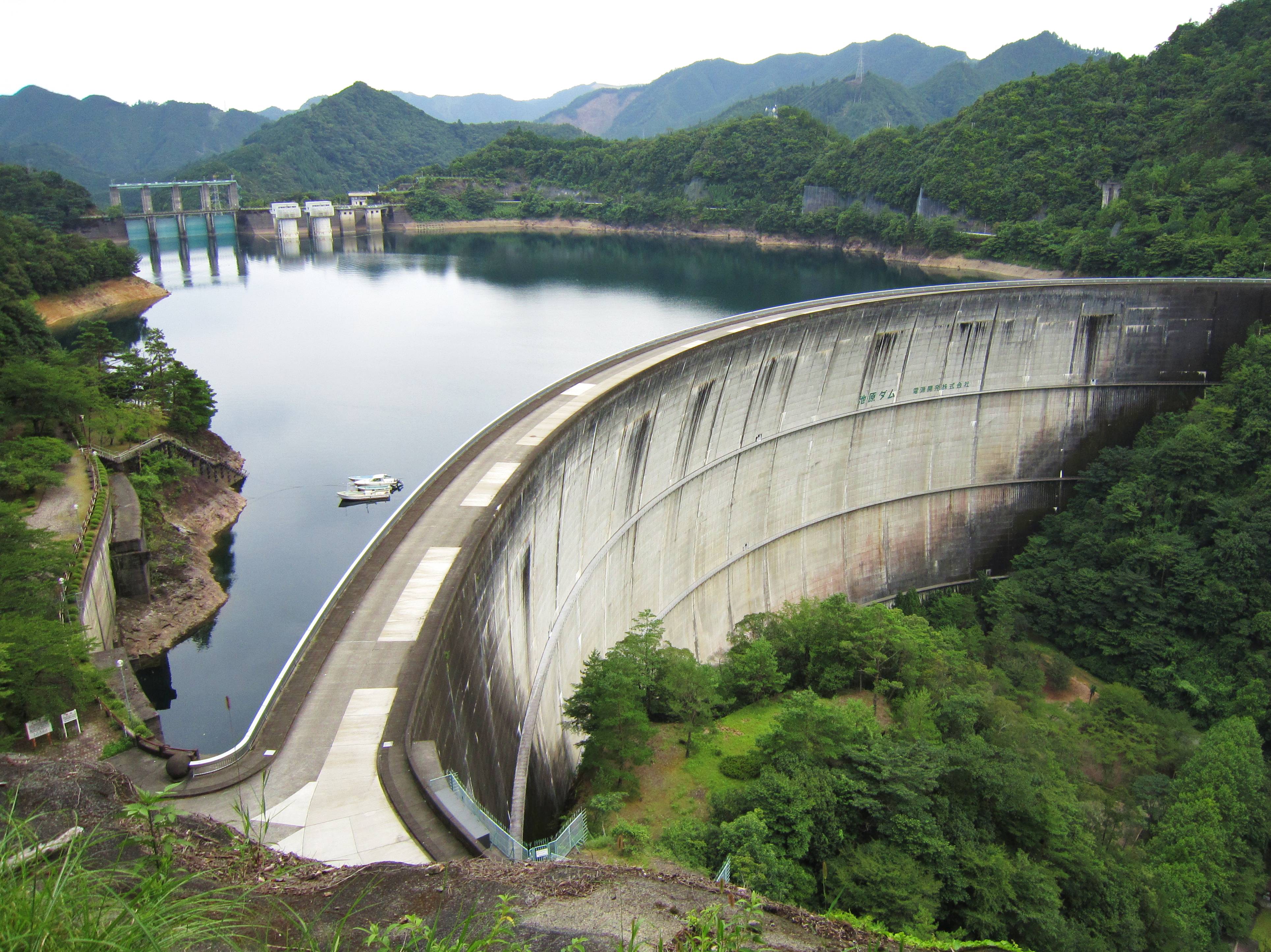
| 池原ダム (Ikehara Dam) | 5.6 km | Scenic reservoir surrounded by forest trails; great for picnics and fishing. | 池原ダム (Japanese Wikipedia) |
| Other Local Dams | 5.6‑6.3 km | Small hydro‑dams offering quiet lakeside walks and bird‑watching spots. | — |
| Kumano Kodo Pilgrimage Routes | 15‑20 km | UNESCO World Heritage trails that pass through Owase, providing cultural depth and historic shrines. | Kumano Kodo (UNESCO) |
| Owase City Aquarium | 8 km | Showcases marine life from the Pacific coast of Mie, perfect for families. | — |
Tip: Combine the waterfall visit with a day trip to the Ikehara Dam for a relaxed lakeside lunch. The dam’s tranquil waters reflect the surrounding forest, offering superb photo opportunities at sunset.
7. Travel Tips
| Tip | Details |
|---|---|
| Footwear | Wear sturdy, waterproof hiking shoes with good ankle support. The trail can be slippery after rain. |
| Weather Check | Mie’s climate is rainy, especially June‑July. Check the forecast and bring a lightweight rain jacket. |
| Timing | Arrive early (7‑8 am) during peak seasons (spring foliage, autumn colors) to avoid crowds and capture soft lighting. |
| Respect Nature | Stay on marked paths, avoid touching delicate moss, and pack out all trash. The area is a protected natural site. |
| Photography Gear | A wide‑angle lens (16‑35 mm) captures the full cascade; a polarizing filter reduces glare and enhances water texture. |
| Food & Drink | No vending machines on site—bring enough water (minimum 1 L per person) and high‑energy snacks. |
| Language | Signage is primarily in Japanese. Having a translation app or a small phrasebook helps, especially when asking locals for directions. |
| Emergency | Cell service can be spotty; note the nearest Owase Police Station (phone: 0596‑44‑0111) and Owase Hospital for emergencies. |
| Cash | Small fees (parking, restrooms) require cash; ATMs are limited near the trailhead. |
Final Thoughts
不動七重滝 may not appear on every mainstream travel guide, but that’s precisely what makes it a treasure for the discerning explorer. Its seven graceful tiers, serene forest setting, and proximity to other natural wonders create a compact yet richly rewarding itinerary in Mie Prefecture. Pack your hiking boots, bring a sense of wonder, and let the rhythmic roar of Fudo Nanajū guide you into the heart of Japan’s hidden waterfall paradise.
Happy travels, and may your journey to Owase be as refreshing as the mist that kisses the rocks of 不動七重滝!