喜撰山ダム (Kisen‑yama Dam) – A Hidden Gem in Uji, Kyoto
Discover the tranquil beauty of one of Kyoto’s lesser‑known engineering marvels, and learn how to make the most of your visit to this scenic dam.
Introduction
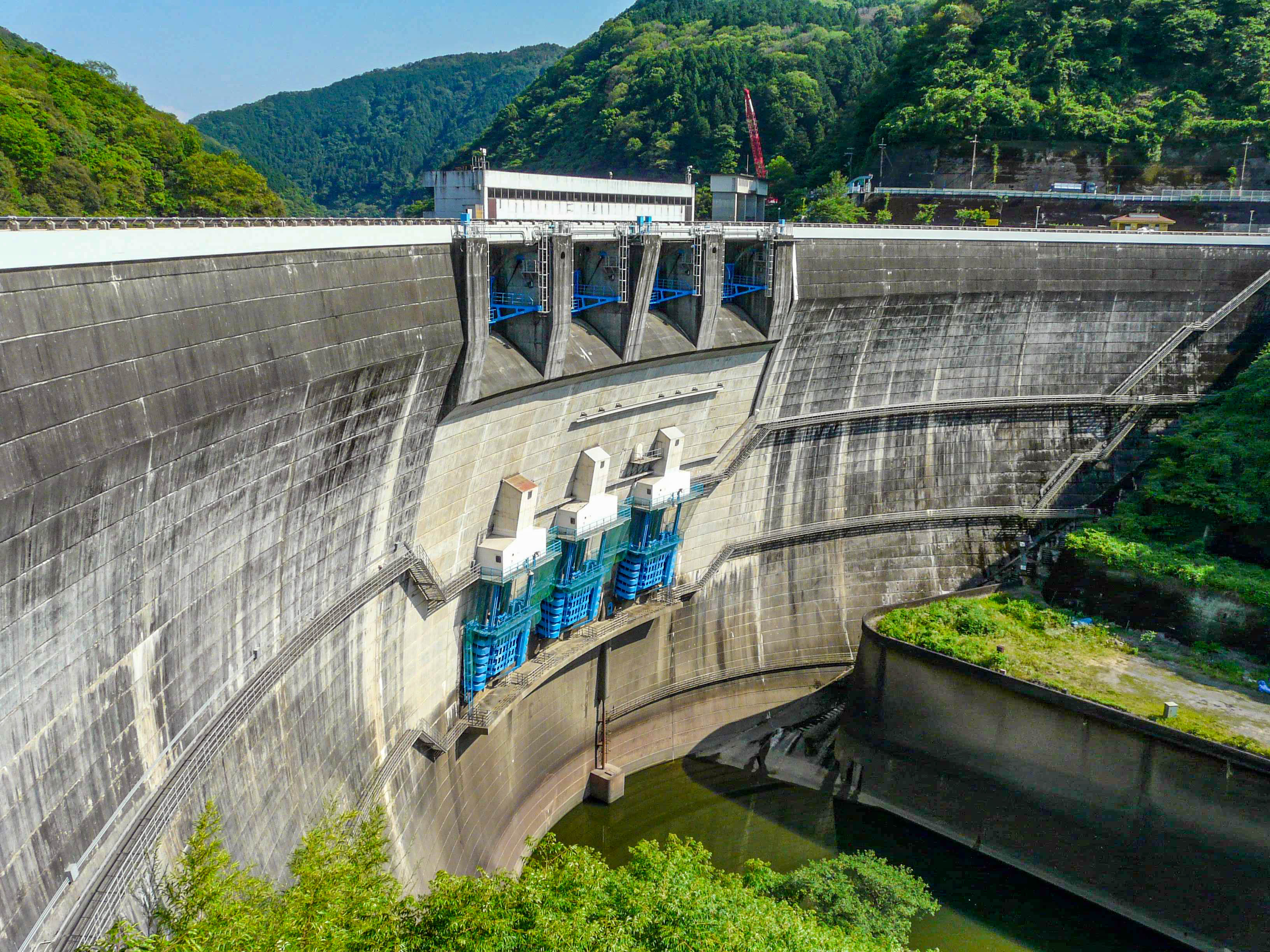
If you think Kyoto is only about ancient temples, tea houses, and cherry‑blossom avenues, think again. Nestled in the verdant hills of Uji, the 喜撰山ダム (Kisen‑yama Dam) offers a refreshing escape for nature lovers, photography enthusiasts, and anyone curious about Japan’s impressive water‑management infrastructure. With its sleek 91‑meter‑high concrete wall, crystal‑clear reservoir, and panoramic views of the surrounding countryside, the dam is a perfect spot for a day‑trip that blends engineering wonder with serene landscapes.
In this guide, we’ll walk you through everything you need to know—from the dam’s history and significance to practical travel tips, the best seasons to visit, and nearby attractions that can round out your itinerary.
About 喜撰山ダム
A Brief Overview
- Location: Uji, Kyoto Prefecture, Japan
- Coordinates: 34.894455 N, 135.853920 E
- Type: Concrete gravity dam
- Height: 91 m
The 喜撰山ダム was constructed as part of the broader effort to secure water resources for the Kyoto metropolitan area and to regulate river flow in the region. While the exact year of completion is not listed in the public domain, the dam’s modern design reflects Japan’s post‑war emphasis on reliable water supply, flood control, and hydro‑electric potential.
Historical Significance
Built amid the rapid economic growth of the mid‑20th century, Kisen‑yama Dam played a crucial role in supporting agricultural irrigation and municipal water needs for Uji and neighboring towns. Its presence helped stabilize the Uji River system, reducing the risk of seasonal flooding that historically plagued the low‑lying rice paddies.
Beyond its utilitarian purpose, the dam has become a symbol of harmony between engineering and nature—a theme that resonates deeply in Japanese culture. The reservoir’s calm surface mirrors the surrounding forested slopes, creating a visual balance that attracts both locals and visitors seeking a moment of quiet contemplation.
Why It Matters to Travelers
For travelers, the dam offers more than a functional viewpoint. It’s a place where you can:
- Capture stunning photos of a towering concrete structure set against lush hills.
- Enjoy peaceful walks along the reservoir’s perimeter trails.
- Learn about Japan’s water management through on‑site information boards (where available).
Because it is less crowded than Kyoto’s famous temples, you’ll often have the space to soak in the scenery at your own pace.
How to Get There
By Train & Bus
- Start from Kyoto Station – Take the JR Nara Line (or the Keihan Main Line) to Uji Station (≈15 minutes).
- Bus Transfer – From Uji Station, board a local bus heading toward the Uji River or “Kisen‑yama” stop. The ride is roughly 20 minutes.
- Walking – The dam is a short 5‑minute walk from the bus stop; follow the signs pointing to the reservoir.
Tip: Bus schedules may be less frequent on weekends, so check the latest timetable on the Kyoto City Bus website before you travel.
By Car
If you prefer driving, rent a car in Kyoto or Uji and follow these directions:
- From the Kyoto Expressway (E1), take the Uji Interchange exit.
- Follow National Route 1 south toward Uji, then turn onto Prefectural Road 27 (signposted for “Kisen‑yama”).
- The dam’s parking lot is located near the visitor’s center, with clear signage.
Parking is free for a limited number of vehicles, but it can fill up during peak foliage season, so arrive early.
By Bicycle
Uji is a cyclist‑friendly city. You can rent a bike from several rental shops near Uji Station and enjoy a scenic 12‑km ride along the riverbanks to the dam. The route is mostly flat with occasional gentle climbs, making it suitable for casual riders.
Best Time to Visit
| Season | What to Expect | Why It’s Ideal |
|---|---|---|
| Spring (Mar‑May) | Cherry blossoms along the river, mild temperatures (10‑20 °C) | The dam’s reservoir reflects pink blossoms, creating postcard‑perfect shots. |
| Summer (Jun‑Aug) | Lush green foliage, occasional mist over the water | Early mornings are cool; perfect for photography enthusiasts. |
| Autumn (Sep‑Nov) | Brilliant red‑orange maple leaves, crisp air (15‑22 °C) | The contrast between the dam’s gray concrete and fiery foliage is striking. |
| Winter (Dec‑Feb) | Snow‑capped hills, quiet atmosphere | Fewer visitors, making it an ideal time for a peaceful walk. |
Peak visitation tends to occur during the cherry‑blossom and autumn‑leaf periods, so if you prefer solitude, consider early winter or a weekday in late spring.
What to Expect
Scenic Views
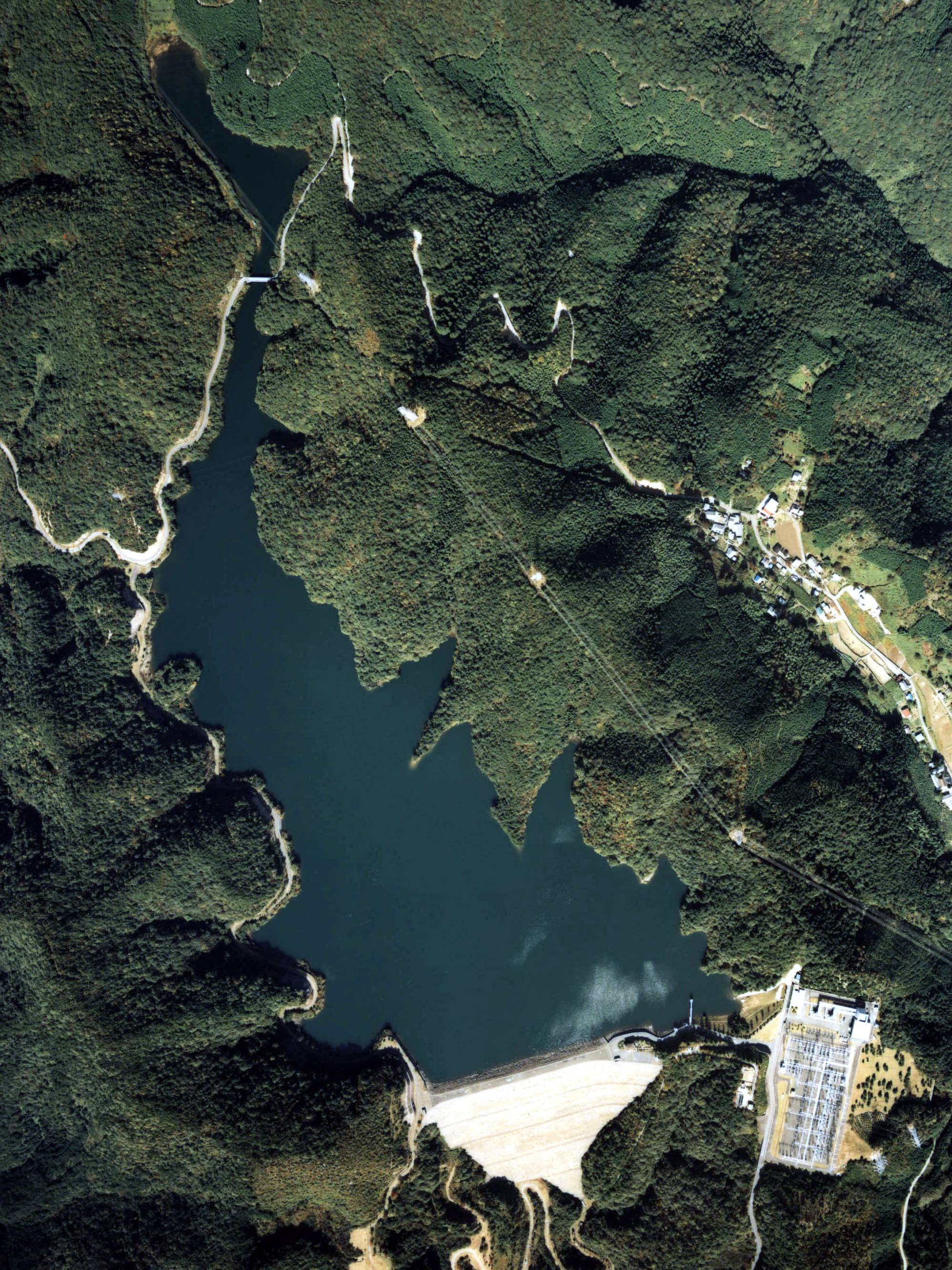
From the main observation deck, you’ll enjoy a sweeping vista of the Kisen‑yama Reservoir stretching into the distance, framed by dense woodlands. On clear days, you can see the distant silhouettes of the Kyoto Mountains and even the city lights of Uji at dusk.
Walking Trails
A well‑maintained, 2‑km loop trail circles the reservoir, offering multiple photo‑stop points:
- North Shore: Ideal for sunrise shots as the sun rises over the water.
- East Overlook: Provides a panoramic view of the dam’s spillway and the surrounding valley.
- South Picnic Area: Equipped with benches and a small kiosk selling local snacks (seasonal).
The trail is mostly flat, with a few gentle inclines, and is suitable for families with children and seniors.
Educational Elements
Information boards placed near the visitor’s center explain the dam’s construction, its role in flood control, and the environmental measures taken to protect local wildlife. While there is no formal museum, the concise displays make the site both educational and accessible.
Wildlife
The reservoir attracts a variety of birds, especially during migration seasons. Keep an eye out for kingfishers, herons, and occasionally, the elusive Japanese bush warbler.
Nearby Attractions
After exploring 喜撰山ダム, you can extend your day with these nearby points of interest (all within a 5‑km radius):
- 天ヶ瀬ダム – A sister dam located just 2.8 km away. It offers a similar reservoir view and is a great spot for a quick photo walk.
- 天ヶ瀬ダム on Wikipedia
- Local Weir (3.2 km) – A small weir that showcases traditional Japanese water‑management techniques. Ideal for those interested in historic irrigation methods.
- Another Dam (3.3 km) – A modest concrete dam that provides a quiet picnic area and river fishing opportunities.
- Second Weir (3.6 km) – A scenic spot where the river narrows, creating gentle rapids that are popular with local anglers.
These attractions can be reached by a short drive or bike ride, allowing you to experience a variety of water‑related sites in the Uji region.
Travel Tips
| Tip | Details |
|---|---|
| Bring a camera with a zoom lens | The dam’s height and the surrounding mountains make for compelling long‑distance shots. |
| Wear comfortable walking shoes | The trail surface can be uneven near the water’s edge, especially after rain. |
| Check weather forecasts | Fog can roll in during early mornings in summer, creating mystical scenes—but also reducing visibility. |
| Carry cash | Some small kiosks near the picnic area accept only cash. |
| Respect the environment | Stay on marked paths, avoid littering, and follow any posted signs regarding wildlife protection. |
| Plan for limited Wi‑Fi | Cellular reception can be spotty near the dam; download offline maps beforehand. |
| Timing for sunrise/sunset | Arrive at least 30 minutes before sunrise or sunset to secure a good viewing spot. |
| Combine with a Uji city tour | After your dam visit, head back to Uji for its famous Uji tea, Byodo-in Temple, and historic streets. The train ride back is only 15 minutes. |
Final Thoughts
Whether you’re a seasoned traveler hunting off‑the‑beaten‑path locations, a photography hobbyist seeking dramatic backdrops, or simply someone who enjoys a quiet walk beside water, 喜撰山ダム delivers a rewarding experience. Its blend of modern engineering, natural beauty, and cultural relevance makes it a standout destination within the Kyoto prefecture.
Plan your trip, pack your curiosity, and let the tranquil waters of Kisen‑yama Dam refresh your spirit.
Keywords: 喜撰山ダム, Kisen‑yama Dam, Uji dam, Kyoto dam, dam tourism Japan, travel to Uji, things to do near 喜撰山ダム, Kyoto day trips, Japan dam sightseeing