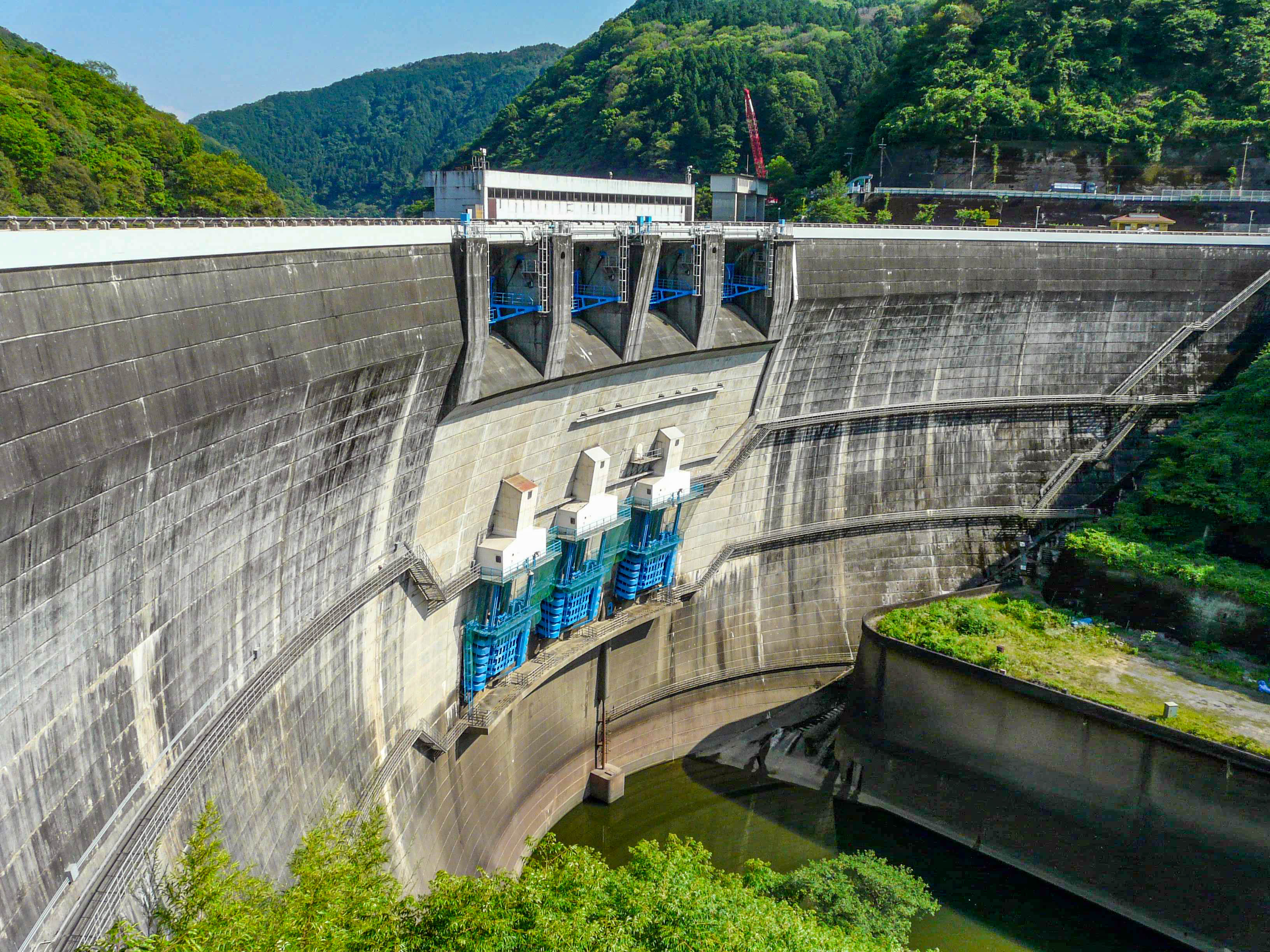
天ヶ瀬ダム (Amagase Dam) – A Hidden Gem in Uji, Kyoto
Discover the tranquil beauty of Kyoto’s lesser‑known dam, perfect for nature lovers, photographers, and anyone seeking a peaceful escape from the city.
1. Introduction
If you think Kyoto is only about ancient temples, traditional tea houses, and vibrant geisha districts, think again. Nestled in the rolling hills of Uji, just a short ride from downtown Kyoto, lies 天ヶ瀬ダム (Amagase Dam). This 73‑meter‑tall concrete dam may not appear on the typical tourist map, but it offers stunning water‑front scenery, crisp mountain air, and a glimpse into Japan’s modern water‑management heritage. Whether you’re a local looking for a weekend hike or an international traveler craving off‑the‑beaten‑path experiences, Amagase Dam is a perfect addition to your Kyoto itinerary.
2. About 天ヶ瀬ダム
What is Amagase Dam?
- Type: Concrete dam (🏗️)
- Location: Uji City, Kyoto Prefecture, Japan
- Coordinates: 34.881018° N, 135.827653° E
- Height: 73 m
Built to regulate the flow of the surrounding rivers and to secure a reliable water supply for the Kansai region, Amagase Dam plays a quiet yet vital role in the area’s infrastructure. While the exact construction date and purpose details are documented on the Japanese Wikipedia page, the dam’s most striking feature is its harmonious blend of engineering and nature. The reservoir stretches behind the dam, reflecting the surrounding forested hills and creating a mirror‑like surface that changes color with the seasons.
Why It Matters
Kyoto is famous for its cultural heritage, but its natural resources are equally important. Amagase Dam helps protect downstream communities from flooding, supplies water for agriculture, and supports local ecosystems. For travelers, the dam offers a rare chance to witness a functional piece of modern Japanese engineering set against a backdrop of timeless scenery.
3. How to Get There
From Kyoto Station
- Train: Take the JR Nara Line (Rapid Service) from Kyoto Station to Uji Station (≈ 15 minutes).
- Bus or Taxi: From Uji Station, hop on a local bus heading toward the Uji River area (look for signs for “天ヶ瀬ダム” or ask the driver). The bus ride is about 20 minutes. Alternatively, a taxi from the station will get you there in roughly 10 minutes (≈ 5 km).
By Car
- Route: From the Kyoto city center, follow the Keihan Expressway (E24) toward Uji, then exit onto National Route 1. Turn onto Prefectural Road 23 (Uji‑Kizugawa Line) and follow the signs for 天ヶ瀬ダム. Parking is available in a small lot near the dam’s visitor area.
By Bicycle
For the adventurous, the Uji River Cycle Path provides a scenic, mostly flat ride to the dam. The distance from central Uji is about 7 km, making it a pleasant half‑day excursion.
Pro tip: Bring a Japanese‑language map app or offline GPS, as signage around the dam can be limited in English.
4. Best Time to Visit
| Season | Highlights | Why Visit |
|---|---|---|
| Spring (Mar‑May) | Cherry blossoms along the reservoir, gentle mist over the water | Ideal for photography; comfortable temperatures |
| Summer (Jun‑Aug) | Lush green foliage, occasional fireworks from local festivals | Cool breezes off the water; early morning is refreshing |
| Autumn (Sep‑Nov) | Vibrant red‑orange maples framing the dam | Spectacular color contrast with the blue reservoir |
| Winter (Dec‑Feb) | Snow‑capped hills, quiet atmosphere | Rare, serene views; fewer crowds |
Overall, late April to early May and mid‑October are the most popular periods due to the iconic cherry‑blossom and autumn‑leaf scenery, respectively. If you prefer solitude, consider visiting on a weekday during early summer mornings.
5. What to Expect
Scenic Views
- Panoramic Reservoir: The dam creates a wide, glass‑like lake that reflects surrounding mountains. Sunrise and sunset cast golden hues across the water—perfect for landscape photography.
- Observation Deck: A modest platform near the dam’s spillway offers unobstructed views of the concrete structure and the flowing river downstream.
Walking Trails
A short, well‑maintained trail circles the reservoir, allowing you to explore different viewpoints. The path is mostly flat, making it accessible for families and casual walkers. Look out for informational plaques that explain the dam’s function and local wildlife.
Wildlife
While the area is primarily managed for water control, you may spot Japanese bush warblers, kingfishers, and occasional cormorants fishing near the spillway. In autumn, the forest floor is dotted with mushrooms, adding a subtle charm to the hike.
Facilities
- Restrooms: Available near the visitor parking area.
- Picnic Spot: A small lawn with benches is perfect for a packed lunch.
- Souvenir Stand: Occasionally, local vendors sell simple items like stickers and postcards featuring the dam’s silhouette.
6. Nearby Attractions
After soaking in the dam’s serenity, extend your day with these nearby natural sites (all within a 2‑km radius):
| Attraction | Distance | Description | Link |
|---|---|---|---|
| 桐原水 (Kirihara Spring) | 1.9 km | A crystal‑clear spring that feeds into the river, surrounded by mossy stones and shaded by towering cedars. | 桐原水 |
| 阿彌陀水 (Amida Spring) | 2.0 km | Another pristine spring known for its slightly alkaline water, often visited by locals for its reputed health benefits. | 阿彌陀水 |
| Unnamed Weir | 2.2 km | A small historic weir that demonstrates traditional water‑control methods used before modern dams. | Weir |
These spots are easily reachable on foot or by a short bike ride, allowing you to craft a full‑day nature loop around Uji’s lesser‑explored water landscape.
7. Travel Tips
| Tip | Details |
|---|---|
| Dress in layers | Weather near the reservoir can shift quickly, especially in spring and autumn. |
| Footwear | Sturdy walking shoes or trail sneakers are recommended; the paths can be slippery after rain. |
| Timing | Arrive early (before 9 am) to avoid the occasional school group and to catch the soft morning light. |
| Food | Pack a bento or onigiri; there are no restaurants directly at the dam, but Uji’s downtown offers many options. |
| Photography | Bring a polarizing filter to reduce glare on the water surface and enhance sky colors. |
| Respect the environment | Stay on marked trails, avoid feeding wildlife, and dispose of trash in designated bins. |
| Connectivity | Mobile signal may be spotty; download offline maps or a PDF guide beforehand. |
| Seasonal festivals | Check the Uji city website for any local events (e.g., river lantern festivals) that might coincide with your visit. |
Final Thoughts
天ヶ瀬ダム may not have the fame of Kyoto’s historic temples, but its quiet elegance offers a refreshing perspective on the region’s natural and engineering heritage. Whether you’re chasing cherry blossoms, autumn foliage, or simply a peaceful spot to unwind, Amagase Dam delivers a memorable experience that blends stunning scenery with the subtle hum of modern infrastructure. Add it to your Kyoto travel list, and you’ll discover a side of Japan that many travelers overlook—one that invites contemplation, photography, and a deeper appreciation for the country’s harmonious relationship with water.
Happy travels, and may your visit to 天ヶ瀬ダム be as tranquil as the lake itself!