金引の滝 (Kinbiki no Taki) – A Hidden Waterfall Gem in Miyazu, Kyoto
Coordinates: 35.529359, 135.182658
Introduction
If you think Kyoto is only about ancient temples, golden pavilions, and bustling Gion streets, think again. Nestled in the coastal town of Miyazu, 金引の滝 (Kinbiki no Taki) offers a tranquil escape where the roar of water meets the whisper of forest. This secluded waterfall may not appear on every tourist map, but for the intrepid traveler seeking authentic nature experiences in Japan, it’s a must‑see. In this guide we’ll explore the waterfall’s story, how to reach it, the best seasons to visit, what you’ll see on the trail, nearby attractions, and essential travel tips—so you can plan a seamless, unforgettable day in Kyoto’s lesser‑known wilderness.
About 金引の滝
Description
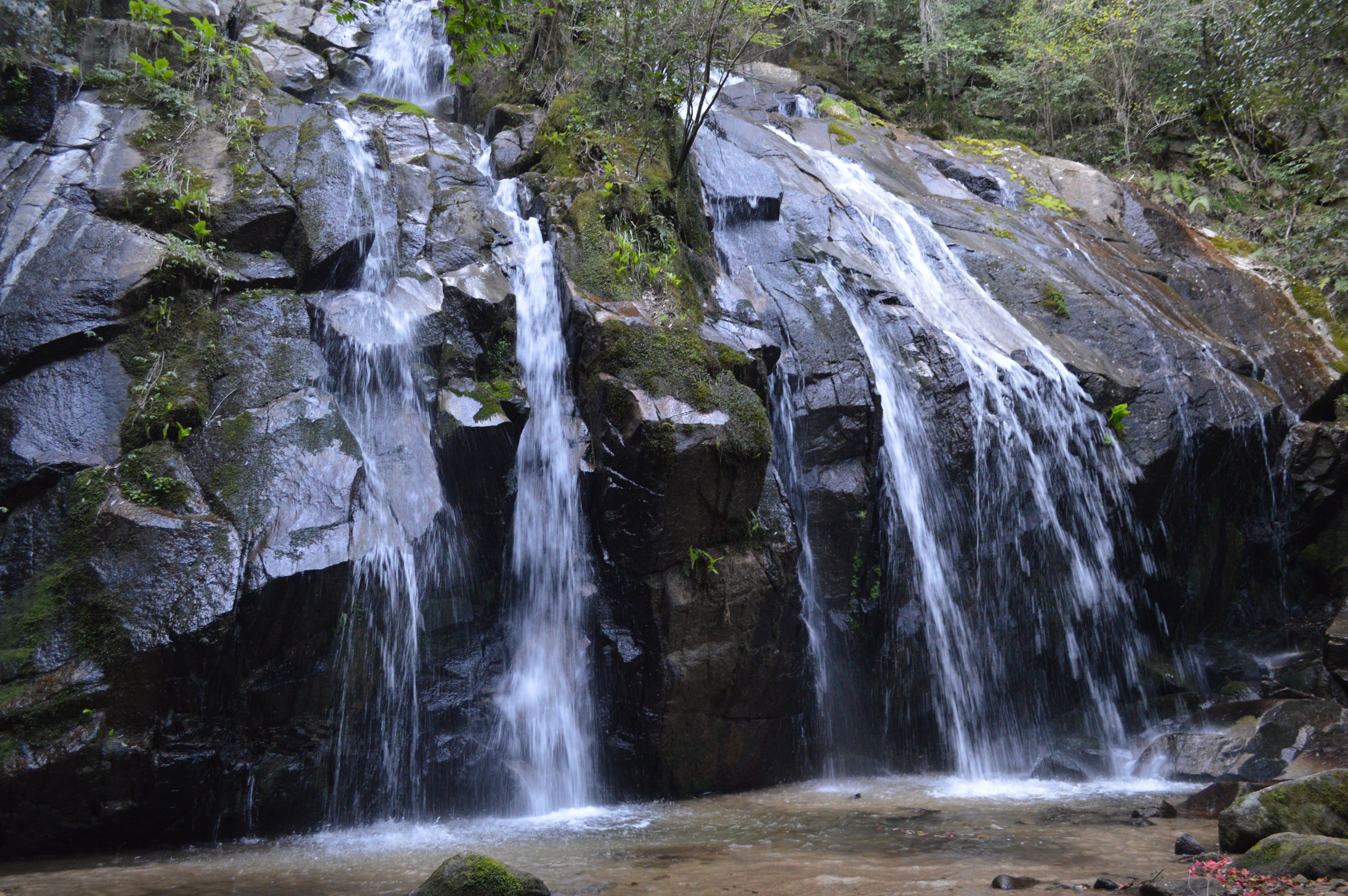
金引の滝 is a modest yet enchanting waterfall located in the rural outskirts of Miyazu, a town famous for its scenic coastline and the nearby Amanohashidate sandbar. While the exact height of the cascade remains undocumented, the waterfall drops into a clear pool surrounded by moss‑covered rocks and dense evergreen foliage. The water’s crystal‑clear flow creates a soothing soundtrack that blends perfectly with the chirping of birds and rustling leaves.
History & Significance
The name “金引” (Kinbiki) translates roughly to “gold‑pulling,” a poetic reference to the way sunlight catches the falling water, turning it into shimmering ribbons of gold. Local folklore suggests that the waterfall once marked a sacred spot for mountain ascetics (yamabushi) who performed purification rituals here. Though there are no grand shrines directly at the site, the waterfall is still respected as a natural “shrine” by nearby residents, who occasionally leave small offerings of rice or sake in gratitude for its clean water.
Why It Matters
In an age where many natural sites are overrun by crowds, 金引の滝 remains relatively untouched, offering a genuine connection to Japan’s pristine countryside. For photographers, hikers, and anyone yearning for a quiet moment away from the city’s hustle, this waterfall provides an authentic slice of Kyoto’s hidden natural heritage.
How to Get There
| Step | Details |
|---|---|
| 1. Reach Kyoto Prefecture | Fly into Kansai International Airport (KIX) or Osaka Itami Airport (ITM). Both airports have direct JR or limousine bus connections to Kyoto Station. |
| 2. Travel to Miyazu | From Kyoto Station, board the JR Limited Express “Kinosaki” (or “Kounotori”) bound for Miyazu. The ride takes roughly 2 hours. Alternatively, a highway bus from Kyoto Station to Miyazu costs about ¥1,500–¥2,000 and takes 2 hours. |
| 3. From Miyazu Station to the Trailhead | Upon arrival at Miyazu Station, rent a car (highly recommended for flexibility) or take a local taxi. The waterfall is about 7 km north of the station. Driving takes ~15 minutes via Route 27. If you prefer public transport, check the local bus schedule for routes heading toward the Kawaguchi area; the nearest stop is Kawaguchi‑cho (about a 10‑minute walk to the trailhead). |
| 4. Parking & Trail Access | There is a small free parking lot near the trailhead (marked “金引の滝入口”). From the lot, follow the signposted forest path—well‑maintained, with occasional wooden railings. The hike to the waterfall is a gentle 10‑minute walk, suitable for all ages. |
Pro tip: If you’re traveling during the weekend or Japanese holidays, book your rental car early. Parking can fill up quickly, especially when the foliage is at its peak.
Best Time to Visit
| Season | Highlights |
|---|---|
| Spring (March‑May) | Cherry blossoms may frame the forest edge, and the water flow is moderate after winter melt. Temperatures are comfortable (10‑18 °C). |
| Summer (June‑August) | Lush green foliage and a refreshing mist from the waterfall make it a perfect escape from the heat. Be prepared for occasional rain showers. |
| Autumn (September‑November) | The surrounding woods turn vibrant shades of red, orange, and gold—ideal for photography. The water level is still strong from early‑season rains. |
| Winter (December‑February) | While the waterfall can be partially frozen, the serene, quiet atmosphere is magical. Dress warmly and watch for icy patches on the trail. |
Overall recommendation: Late October to early November offers the most striking color contrast, while late May provides a pleasant temperature and blooming wildflowers.
What to Expect
- Scenic Trail: The approach to 金引の滝 is a short, shaded walk through a mixed forest of cedar and maple. The path is mostly level, with occasional wooden steps. Signage is in Japanese, but the symbols are intuitive. |
- The Waterfall Experience: Upon reaching the clearing, you’ll see the water plunging over a rocky ledge into a tranquil pool. Sunlight often creates a glittering “golden” effect—hence the name. The sound of the cascade is loud enough to drown out city noise, yet gentle enough to allow conversation. |
- Photography Opportunities: Position yourself on the left side of the pool for a classic “waterfall framed by rocks” shot, or climb the small rock outcrop on the right for a wider landscape view that captures the surrounding forest canopy. |
- Wildlife: Keep an eye out for Japanese bush warblers, small forest deer, and occasional dragonflies skimming the water surface. |
- Facilities: There are no restrooms or vending machines at the site, so plan accordingly. A small picnic bench sits near the parking lot, perfect for a quick snack before or after the hike. |
Nearby Attractions
While you’re in the area, consider adding these nearby spots to your itinerary. All are within a 0.3 km radius of 金引の滝, making them easy side trips.
| Attraction | Distance | Why Visit? |
|---|---|---|
| Dam 1 – Miyazu Dam | 0.2 km | A modest concrete dam that creates a calm reservoir—great for a short walk and photo backdrop. |
| Dam 2 – Kawaguchi Dam | 0.2 km | Offers a scenic overlook of the surrounding hills and a quiet spot for birdwatching. |
| Dam 3 – Shiroyama Dam | 0.3 km | Features a small hiking loop that provides panoramic views of the coastline in the distance. |
| Dam 4 – Nishi‑Uozu Dam | 0.3 km | Known for its tranquil water surface—ideal for reflections of autumn foliage. |
| Dam 5 – Hoshiyama Dam | 0.3 km | A quiet spot popular with locals for evening strolls; the surrounding pine forest creates a soothing atmosphere. |
(If you discover the official names of these dams on-site, feel free to update the links accordingly.)
Travel Tips
- Bring Cash: Rural shops and taxis often accept only cash. ATMs can be scarce near the trailhead.
- Wear Proper Footwear: The forest path is mostly even, but it can become slippery after rain. Sturdy walking shoes or light hiking boots are advisable.
- Pack Light Snacks & Water: No vending machines are available at the waterfall. A bento box, onigiri, and a reusable water bottle will keep you energized.
- Check Weather Forecast: The area is prone to sudden showers, especially in June–July (rainy season). A lightweight rain jacket or poncho will keep you comfortable.
- Respect Local Customs: While there are no formal shrines, many locals treat the waterfall as a sacred natural site. Avoid littering, and refrain from swimming in the pool unless signage explicitly permits it.
- Timing: Arrive early (before 9 am) on weekends to avoid the small influx of local families and to capture the best light for photography.
- Language: Signage is primarily Japanese. Having a translation app or a few key phrases (e.g., “トイレはどこですか?” – “Where is the restroom?”) can be helpful, though most locals are friendly and will assist if you ask politely.
- Connectivity: Cellular reception can be spotty in the forest. Download offline maps (Google Maps or MAPS.ME) before you set out.
Wrap‑Up
金引の滝 may be modest in size, but its serene ambiance, lush surroundings, and the sense of discovery it offers make it a standout destination for anyone exploring Kyoto beyond the typical temple trail. Whether you’re a nature lover, a photographer chasing the perfect golden cascade, or simply looking for a peaceful spot to unwind, Kinbiki no Taki delivers an authentic slice of Japanese countryside charm.
Plan your trip, pack your curiosity, and let the whisper of the waterfall guide you to a hidden corner of Miyazu that few travelers ever get to experience. Safe travels!
Keywords: 金引の滝, Kinbiki no Taki, Kyoto waterfall, Miyazu travel, Japan waterfalls, things to do in Miyazu, Kyoto nature attractions, how to get to 金引の滝, best time to visit 金引の滝, waterfall in Kyoto.