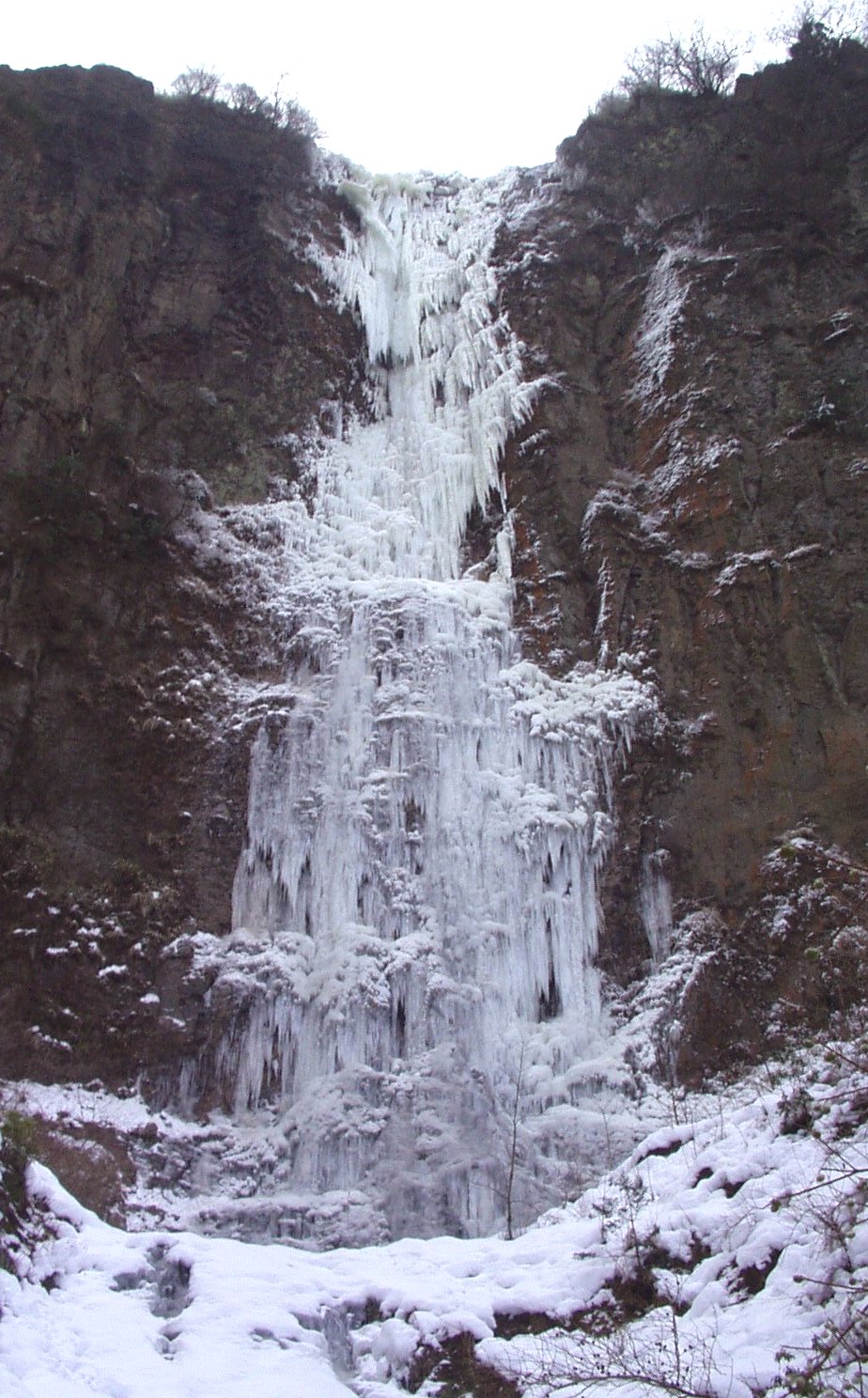
古閑の滝 (Kogano no Taki) – A Hidden 100‑Meter Jewel in Aso, Kumamoto
If you’re chasing the most breathtaking waterfalls Japan has to offer, the towering cascade of 古閑の滝 should sit at the top of your list. Nestled in the volcanic landscape of Aso, Kumamoto, this 100‑meter‑high waterfall drops dramatically into a pristine gorge, delivering a raw, mist‑filled experience that feels worlds away from the bustling city streets. Whether you’re a seasoned hiker, a photography enthusiast, or simply a traveler looking for a serene escape, 古閑の滝 delivers a perfect blend of natural drama and quiet contemplation.
About 古閑の滝
A quick snapshot
| Detail | Information |
|---|---|
| Name | 古閑の滝 (Kogano no Taki) |
| Type | Waterfall 🌊 |
| Location | Aso, Kumamoto, Japan |
| Coordinates | 32.922334, 131.144367 |
| Height | 100 m |
| Altitude | Unknown |
| Wikipedia | 古閑の滝 (Japanese) |
古閑の滝 is part of the larger river system that threads through the Aso volcanic plateau. The waterfall’s name, “古閑” (Kogano), translates roughly to “old river,” a fitting homage to the ancient waters that have carved the surrounding gorge over millennia. While the site is not as commercialized as some of Japan’s more famous falls (like Kegon or Nachi), its sheer height and relatively untouched surroundings give it a sense of wilderness that’s rare in the country’s heavily visited tourist spots.
Historical and cultural significance
Although detailed historical records are scarce, local folklore often ties the waterfall to Aso’s spiritual heritage. In traditional Shinto belief, waterfalls are considered sacred places where the kami (spirits) gather. Travelers and pilgrims have historically paused at 古閑の滝 to perform misogi—a ritual purification—by standing beneath the cascading water. Today, the waterfall continues to inspire reverence, especially among hikers who regard the climb to its base as a meditative journey.
How to Get There
By public transportation
- From Kumamoto City – Take the JR Hōhi Main Line to Aso Station (約1 hour 30 minutes).
- Local bus – From Aso Station, hop on the Kumamoto‑Aso community bus (often labeled “Aso‑Kumamoto Loop”). Ask the driver to drop you off at the “古閑の滝入口” (Kogano no Taki entrance) stop. The bus ride is roughly 20 minutes.
Tip: Buses run less frequently on weekends and holidays, so check the latest timetable on the Kumamoto City Transportation website before you travel.
By car
Renting a car gives you the most flexibility, especially if you plan to explore nearby dams or other Aso attractions.
- From Kumamoto Airport – Follow the Kyushu Expressway (E3) toward Aso, then exit at the Aso Interchange.
- Directions – From the interchange, take Route 57 north toward Aso City, then follow the signs for “古閑の滝”. The drive takes about 1 hour 15 minutes, and you’ll enjoy scenic views of rolling hills and volcanic fields along the way.
Parking: A small, free parking lot sits at the trailhead. It fills up quickly during peak seasons, so arriving early (before 9 am) is advisable.
Best Time to Visit
| Season | Highlights | Considerations |
|---|---|---|
| Spring (Mar–May) | Snowmelt swells the river, creating a powerful, frothy cascade. Cherry blossoms may frame the gorge, offering stunning photo opportunities. | Trails can be muddy; wear waterproof boots. |
| Summer (Jun–Aug) | Warm weather makes the misty spray a refreshing natural air‑conditioner. Longer daylight hours allow for a leisurely hike. | Occasional rain showers; bring a rain jacket. |
| Autumn (Sep–Nov) | The surrounding forest turns vivid shades of red, orange, and gold, providing a dramatic backdrop. | Cooler temperatures; ideal for comfortable trekking. |
| Winter (Dec–Feb) | The waterfall often freezes into delicate ice formations, creating a surreal winter wonderland. | Ice can make the rocks slippery; crampons or sturdy hiking shoes are recommended. |
Peak visitor months are April, May, and October, when the scenery is at its most photogenic. If you prefer solitude, aim for early December or late February—just be prepared for colder conditions.
What to Expect
The hike
The trail to 古閑の滝’s viewing platform is a moderate 1.5 km round‑trip. It begins at the parking lot and follows a well‑marked forest path that gradually ascends through a mix of cedar and Japanese maple trees. Expect a gentle climb of about 200 m in elevation, with occasional wooden boardwalk sections that help you cross small streams.
The waterfall experience
When you reach the viewpoint, the full 100‑meter drop will dominate the horizon. On sunny days, a rainbow often arches through the mist, creating a picture‑perfect moment. The roar of the water is surprisingly loud, and the surrounding air feels perpetually cool—a natural respite on hot summer days.
Photography tips
- Golden hour: Arrive about an hour before sunrise or an hour after sunset for soft, warm lighting.
- Long exposure: Use a neutral density filter or set a low ISO with a tripod to capture the silky motion of the water.
- Foreground interest: Position a fallen log or a cluster of rocks in the foreground to add depth to your composition.
Nearby Attractions
古閑の滝 sits within a cluster of natural and engineered sites that make for a full day of exploration.
| Attraction | Distance | Type | Link |
|---|---|---|---|
| Kogano Falls | 0.1 km | Waterfall | (same as 古閑の滝 – see above) |
| Dam A | 2.1 km | Dam | Dam A Details |
| Dam B | 2.2 km | Dam | Dam B Details |
| Dam C | 2.4 km | Dam | Dam C Details |
| Dam D | 2.6 km | Dam | Dam D Details |
Note: The dams are small hydro‑electric facilities that offer peaceful lakeside walks and occasional fishing spots. While they are not major tourist attractions, they provide a glimpse into the region’s sustainable water management practices and make pleasant stops for a picnic or a quick photo session.
If you have extra time, consider extending your adventure to Aso Kuju National Park, where you can hike the iconic Mount Aso caldera, soak in hot springs, or explore the Kusasenri Grasslands.
Travel Tips
- Pack smart – Even though the trail is short, weather in the Aso region can shift quickly. Bring a lightweight rain jacket, a hat, and sunscreen.
- Stay hydrated – There are no vending machines on the trail, so carry at least 1 L of water, especially in summer.
- Leave no trace – The area is relatively pristine; please take all trash with you and stay on marked paths to protect the delicate ecosystem.
- Respect local customs – If you see locals performing a misogi ritual, give them space. The waterfall is considered a sacred site by many in the community.
- Check road conditions – In winter, snow can affect the mountain roads leading to the trailhead. The Kumamoto Prefectural Road Authority posts real‑time updates on their website.
- Connectivity – Mobile signal can be spotty near the waterfall. Download offline maps (e.g., Google Maps offline area) before you set out.
- Photography etiquette – While photography is encouraged, avoid using flash near the water to preserve the natural ambiance for other visitors.
Final thoughts
古閑の滝 may not have the fame of Japan’s iconic waterfalls, but its 100‑meter plunge, tranquil forest setting, and cultural resonance make it a hidden gem worth the journey. Whether you’re chasing the perfect waterfall shot, seeking a quiet spot for meditation, or simply want to experience the raw power of Aso’s natural landscape, a day at 古閑の滝 will leave you with lasting memories—and perhaps a newfound appreciation for Kumamoto’s lesser‑known wonders.
Ready to add this waterfall to your Japan itinerary? Pack your hiking boots, grab your camera, and let the mist of 古閑の滝 refresh your spirit. Safe travels!
