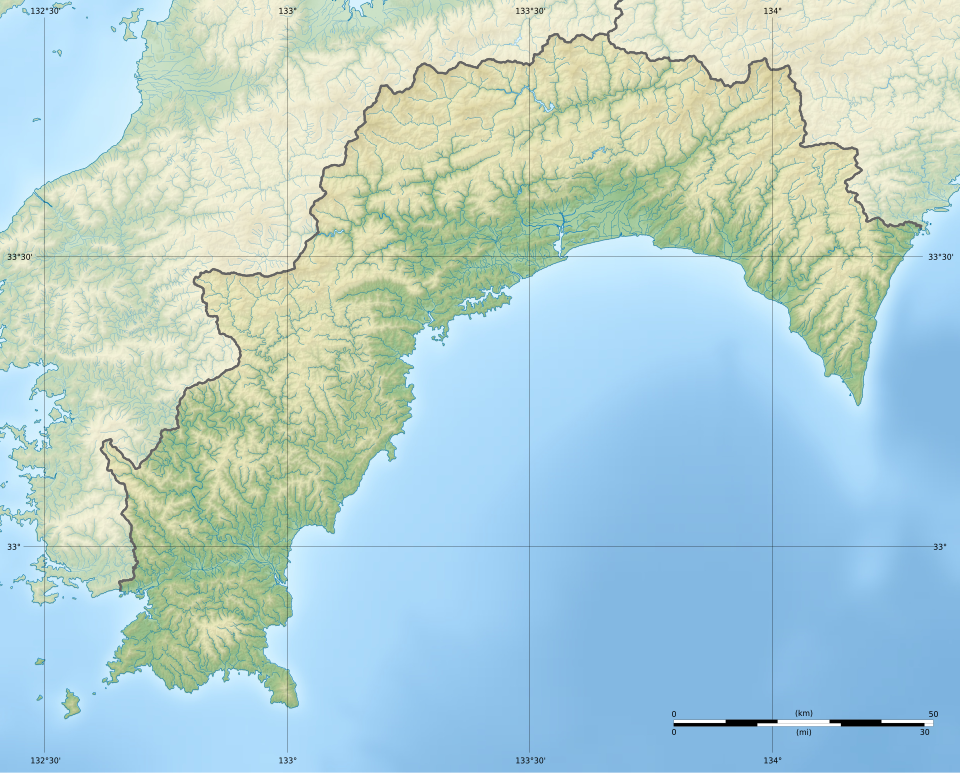
横瀬川ダム (Yokosegawa Dam) – A Hidden Gem in Sukumo, Kochi
Explore the serene beauty of one of Shikoku’s lesser‑known dams, discover how to get there, and plan the perfect day with nearby attractions.
1. Introduction
Tucked away in the lush, subtropical landscape of southern Kochi Prefecture, 横瀬川ダム (Yokosegawa Dam) offers travelers a quiet escape from the bustling city streets of Japan. With its impressive 72.1 m height and crystal‑clear reservoir reflecting the surrounding mountains, the dam is a perfect spot for nature lovers, photography enthusiasts, and anyone craving a slice of authentic Japanese countryside. If you’re mapping a road‑trip through Shikoku or looking for an off‑the‑beaten‑path destination in Sukumo, this dam should be high on your list.
2. About 横瀬川ダム
- Location: Sukumo, Kochi, Japan
- Coordinates: 33.012245 N, 132.816078 E
- Height: 72.1 m
The Yokosegawa Dam sits on the Yokose River (横瀬川) and serves as a vital piece of the region’s water‑management system. While detailed English‑language histories are scarce, the dam’s construction reflects Japan’s post‑war emphasis on flood control, irrigation, and hydro‑electric development in rural prefectures. Its concrete structure blends seamlessly with the surrounding forested hills, creating a harmonious balance between engineering and nature.
From the dam’s observation platform (if accessible), visitors can admire the expansive reservoir that stretches into the valleys below. The water’s turquoise hue changes with the seasons—emerald in summer, misty silver in winter—making every visit a fresh visual experience.
3. How to Get There
By Air
The nearest major airport is Kochi Ryoma Airport (KCZ), located about 140 km north of Sukumo. From the airport, rent a car or catch a highway bus to the city of Sukumo (≈ 2 hours).
By Train
Take the JR Shikoku Dosan Line to Sukumo Station. The journey from Takamatsu or Kochi takes roughly 3–4 hours, depending on connections. From the station, local buses or taxis can bring you to the dam’s parking area.
By Car
Driving is the most flexible option:
-
From Kochi City:
- Take the Kōchi Expressway (E55) southbound toward Sukumo.
- Exit at Sukumo Interchange and follow Route 33 (国道33号) for about 15 km.
- Look for signs directing you to the Yokosegawa Dam parking lot (約 5 km from the main road). -
From Sukumo City Center:
- Head west on Route 33, then turn onto the local road leading to the dam.
- The drive from downtown Sukumo takes roughly 20 minutes.
Parking & Accessibility
A modest parking lot near the dam accommodates cars and small buses. The site is generally wheelchair‑friendly, though some pathways may be uneven due to natural terrain. Always check the latest road conditions, especially during heavy rain season (June–July), when mountain roads can be slippery.
4. Best Time to Visit
| Season | Highlights | Why Visit |
|---|---|---|
| Spring (Mar–May) | Cherry blossoms along the riverbanks; mild temperatures (15‑20 °C). | Ideal for photography and gentle hikes. |
| Summer (Jun–Aug) | Lush green foliage; the reservoir offers a cool breeze. | Perfect for early‑morning walks before the heat peaks. |
| Autumn (Sep–Nov) | Brilliant maple (momiji) colors reflecting on the water. | The most scenic period for landscape shots. |
| Winter (Dec–Feb) | Misty mornings; occasional light snow on surrounding hills. | A tranquil, almost mystical atmosphere. |
Tip: The rainy season (June–July) can cause higher water levels and occasional trail closures. If you’re comfortable with misty conditions, the dam looks especially dramatic, but always verify safety notices.
5. What to Expect
Scenic Views
From the main viewpoint, the dam’s towering concrete face frames the reservoir, while the distant Shikoku Mountains provide a dramatic backdrop. Sunrise over the water creates a soft golden glow, and sunset paints the sky in warm oranges and pinks.
Walking Trails
A short, well‑maintained trail circles the reservoir, offering multiple spots to pause, take photos, or simply enjoy the sound of flowing water. The path is relatively flat, making it suitable for families and casual walkers.
Picnic Areas
Designated picnic spots with benches and waste‑recycling bins are scattered near the parking lot. Bring a bento box and soak in the peaceful ambience—just remember to follow the “Leave No Trace” principle.
Wildlife
Early mornings may reveal local birds such as kingfishers, Japanese white‑eyed robins, and occasional waterfowl. Keep an eye out for the shy Japanese giant salamander, a protected species that inhabits clean mountain streams.
Facilities
Restrooms are available near the parking area. There is no on‑site café, so consider packing snacks and water. Mobile reception can be spotty; a portable power bank is advisable.
6. Nearby Attractions
While Yokosegawa Dam is the star of the day, the surrounding region offers several interesting spots within a short drive. Below are the most accessible attractions, each a perfect complement to your dam visit:
| Distance | Attraction | Type | Quick Link |
|---|---|---|---|
| 5.9 km | [Unnamed Weir – 5.9 km] | Weir | Details |
| 7.9 km | [Unnamed Weir – 7.9 km] | Weir | Details |
| 11.2 km | [Unnamed Weir – 11.2 km] | Weir | Details |
| 11.4 km | [Unnamed Weir – 11.4 km] | Weir | Details |
| 13.1 km | [Unnamed Spring – 13.1 km] | Spring | Details |
Note: The nearby weirs and spring are modest water‑management structures that showcase the region’s intricate river network. They are ideal for short side‑trips, especially for those interested in engineering, ecology, or quiet contemplation.
Bonus Recommendation: If you have extra time, consider a detour to Sukumo City’s historic downtown (≈ 20 km north) where you can explore the Sukumo Castle Ruins and sample local specialties like shirasu (whitebait) dishes.
7. Travel Tips
| Tip | Details |
|---|---|
| Plan Your Route | Use a GPS or a reliable map app (Google Maps, Navitime) to navigate the mountain roads. Download offline maps in case of spotty cellular coverage. |
| Check Weather | The dam area can become foggy in early mornings and rainy in June–July. Dress in layers and bring a waterproof jacket. |
| Parking Fees | Parking is generally free, but some private lots may charge a modest fee (≈ ¥300‑¥500). Have small change ready. |
| Respect the Environment | The reservoir supplies drinking water for local communities. Avoid littering, and do not feed wildlife. |
| Photography Gear | A wide‑angle lens captures the dam’s full scale, while a telephoto lens works well for distant mountain peaks. A tripod helps during low‑light sunrise or sunset shots. |
| Local Cuisine | Stop by a roadside “shokudo” (食堂) in Sukumo for fresh seafood bowls or “katsuo no tataki” (seared bonito). |
| Language | Signage is primarily in Japanese. Having a translation app or a few basic phrases (e.g., “トイレはどこですか?” – “Where is the restroom?”) can be helpful. |
| Safety | Stay on marked paths. The concrete dam edge can be slippery when wet. Children should be supervised at all times. |
| Timing | Arrive early (7:00‑8:00 am) to avoid the occasional weekend crowd and to catch the best light for photos. |
Wrap‑Up
Whether you’re a seasoned traveler seeking hidden engineering marvels or a casual explorer looking for a peaceful spot to unwind, 横瀬川ダム offers a unique blend of natural beauty, subtle cultural insight, and photographic opportunities. Pair it with nearby weirs, a refreshing spring, and the charm of Sukumo city, and you’ve got a full day (or even a weekend) of authentic Kochi experiences.
Pack your camera, hit the road, and let the tranquil waters of Yokosegawa Dam refresh your wanderlust. Safe travels! 🌏✨

