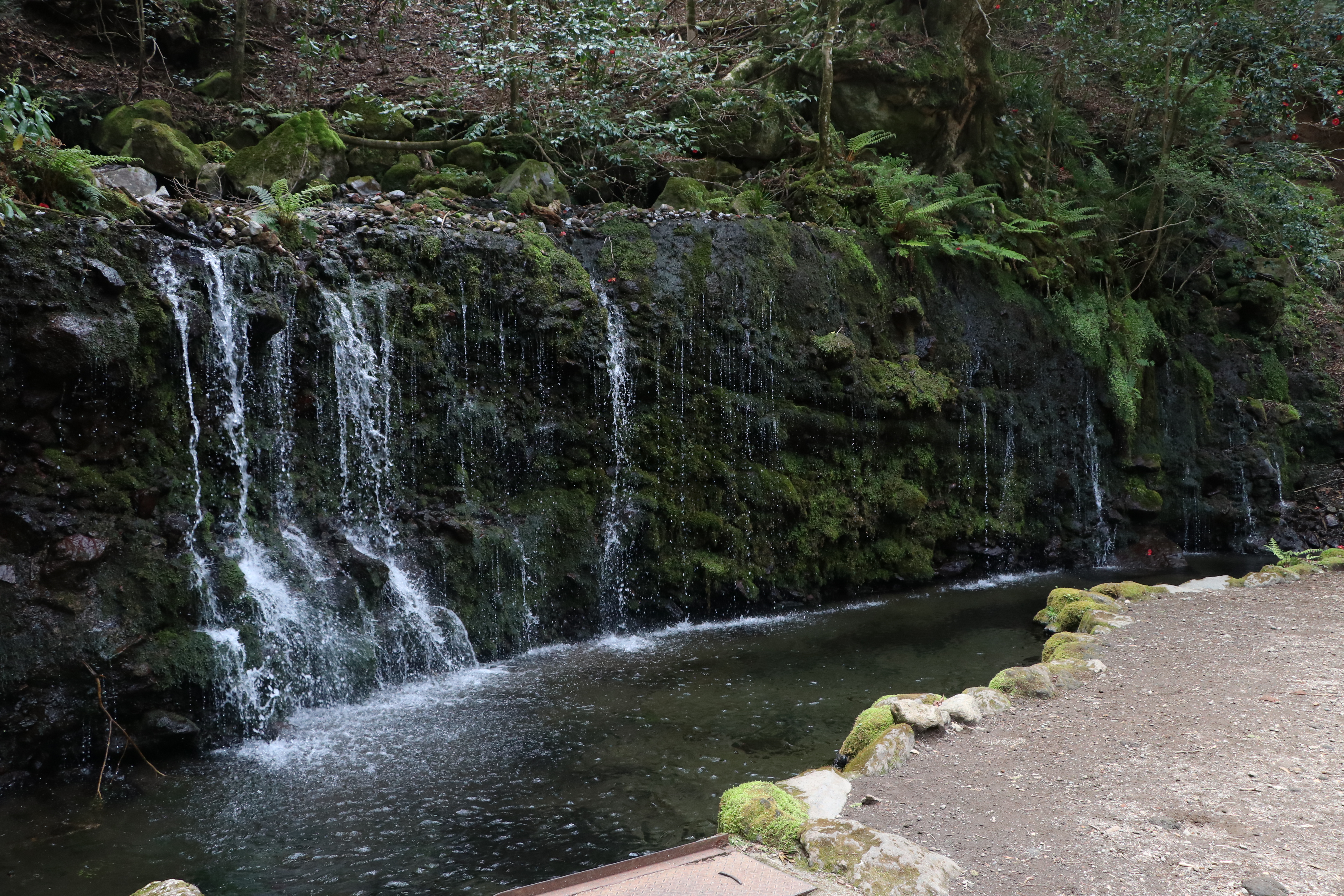
千条の滝 (Senjō no Taki) – A Hidden Gem in Hakone, Kanagawa
Discover the gentle roar of a 3‑meter cascade tucked away in the lush hills of Hakone. Whether you’re a seasoned waterfall hunter or a first‑time visitor to Japan’s scenic heartland, 千条の滝 offers a serene escape that’s perfect for photography, meditation, and a quick dip in nature’s own soundtrack.
1. Introduction
Imagine stepping off a quiet mountain path and being greeted by the soft, misty spray of a waterfall that’s just tall enough to hear its whisper, yet powerful enough to feel its cool embrace. That’s the magic of 千条の滝 (Senjō no Taki), a modest 3‑meter waterfall nestled in the verdant forests of Hakone, Kanagawa Prefecture. While Hakone is famous for its iconic hot springs, towering views of Mount Fuji, and the historic Hakone Open Air Museum, this petite cascade often flies under the radar—making it an ideal spot for travelers who crave authentic, uncrowded experiences.
In this guide, we’ll dive into the waterfall’s background, share practical travel tips, suggest the best seasons to visit, and point out nearby attractions that can round out a perfect day trip in the Hakone region.
2. About 千条の滝
Description & Physical Features
- Location: Hakone, Kanagawa, Japan
- Coordinates: 35.235012 N, 139.050346 E
- Height: 3.0 meters (≈10 feet)
- Type: Free‑fall cascade flowing over a smooth rock ledge into a shallow pool
千条の滝 translates roughly to “Thousand‑Strand Waterfall,” a poetic nod to the fine, thread‑like streams that fan out as the water plunges. Though modest in size, the waterfall’s setting—surrounded by moss‑covered boulders, towering cedar trees, and a gentle forest floor—creates a tranquil micro‑environment that feels worlds away from the bustling streets of Tokyo.
History & Cultural Significance
The waterfall is mentioned in the Japanese Wikipedia entry for 千条の滝, confirming its recognition as a local natural landmark. While there is no extensive recorded history, the name itself hints at a traditional appreciation for the delicate beauty of flowing water—a theme that recurs throughout Japanese art, poetry, and Shinto reverence for nature. Visitors often leave small offerings of water or stones, a subtle homage to the ancient practice of honoring natural spirits (kami).
Because the waterfall is part of Hakone’s extensive network of streams that feed into the larger Ōwakudani volcanic valley and Lake Ashi, it plays a modest role in the region’s hydrology, contributing to the fresh, crisp air that makes Hakone a beloved retreat for city dwellers.
3. How to Get There
From Tokyo
- Train to Odawara – Board the JR Tokaido Shinkansen (or a rapid JR line) from Tokyo or Shinjuku to Odawara Station (≈35 minutes by Shinkansen).
- Hakone Tozan Railway – Transfer to the Hakone Tozan Line and ride to Hakone‑Yumoto Station (≈15 minutes).
- Bus or Taxi – From Hakone‑Yumoto, hop on the Hakone Tozan Bus bound for Miyanoshita or Gora. Get off at the Senjō no Taki stop (approximately 20 minutes). If you prefer a more direct route, a short taxi ride (≈10 minutes) from the station will drop you at the trailhead.
By Car
If you’re driving, take the Tōmei Expressway to the Odawara‑Hakone Interchange. Follow signs for Hakone‑Yumoto and then for Miyanoshita; the waterfall is signposted along the local road network. Parking is available near the trailhead, but spaces fill quickly during peak foliage seasons, so arriving early is advisable.
Walking the Trail
The final stretch is a gentle, well‑maintained forest path (≈300 m) that leads directly to the waterfall’s viewing platform. The trail is wheelchair‑accessible up to the platform, though the final steps to the water’s edge are uneven stone steps.
4. Best Time to Visit
| Season | What to Expect | Why It’s Ideal |
|---|---|---|
| Spring (Mar‑May) | Fresh green foliage, cherry blossoms nearby, moderate temperatures (10‑18 °C). | The waterfall’s mist creates sparkling rainbows against the blooming backdrop. |
| Summer (Jun‑Aug) | Lush canopy, cooler micro‑climate around the cascade, occasional light rain. | A perfect natural “air‑conditioner” for a hot day; the pool at the base is inviting for a quick splash. |
| Autumn (Sep‑Nov) | Vibrant maple and ginkgo leaves, crisp air, lower humidity. | The contrast of orange‑red foliage with the white water makes for striking photographs. |
| Winter (Dec‑Feb) | Bare trees, occasional frost, quieter visitor numbers. | The waterfall’s steady flow against a quiet, misty winter landscape offers a meditative experience. |
Overall recommendation: Late April to early May (cherry blossom season) and mid‑October (autumn color) provide the most photogenic conditions while still offering comfortable weather for hiking.
5. What to Expect
Sensory Experience
- Sound: A gentle, continuous murmur that blends with birdsong—ideal for meditation or a quiet pause.
- Sight: A slender ribbon of water cascading over a polished rock, surrounded by moss and ferns. In sunny weather, fine droplets catch the light, forming miniature prisms.
- Touch: The pool at the base is shallow (≈30 cm deep) but crystal clear. You can dip your feet or simply feel the cool spray on your skin.
- Smell: The forest air is rich with the scent of pine, damp earth, and a subtle mineral tang from the water.
Amenities
- Viewing Platform: A short wooden deck with safety railings offers unobstructed views and photo angles.
- Rest Area: Benches and a small trash receptacle are placed near the entrance of the trail.
- Signage: Information boards provide brief ecological notes and a map of nearby points of interest.
Because the waterfall is not a commercialized tourist hub, there are no food stalls or souvenir shops on site. However, the nearby Hot‑Spring Foot‑Bath (0.9 km away) offers a traditional onsen experience after your waterfall visit.
6. Nearby Attractions
| Attraction | Distance | What to Do | Link |
|---|---|---|---|
| Hot‑Spring Foot‑Bath (足湯) | 0.9 km | Soak your feet in mineral‑rich water while enjoying forest views. Perfect for post‑waterfall relaxation. | Hot‑Spring Foot‑Bath |
| Weir A | 1.3 km | Observe traditional water management structures that channel streams into agricultural fields. | Weir A |
| Weir B | 1.3 km | Walk along the riverbank and spot local wildlife, especially dragonflies and kingfishers. | Weir B |
| Weir C | 1.3 km | Learn about historic irrigation techniques used by Hakone’s farming communities. | Weir C |
| Weir D | 1.3 km | Enjoy a quiet picnic spot with river views; ideal for a lunch break. | Weir D |
All distances are approximate walking routes from the waterfall’s trailhead.
Bonus: If you have extra time, the Hakone Open Air Museum (≈7 km) and Lake Ashi (≈10 km) are must‑see highlights that can be reached via the Hakone Tozan Bus network.
7. Travel Tips
- Timing is everything – Arrive early (before 9 am) during peak seasons to avoid crowds and catch the soft morning light.
- Footwear – Wear sturdy, water‑resistant shoes with good grip. The stone steps near the pool can be slippery when wet.
- Pack light – The trail is short, but a lightweight rain jacket and a small towel are handy for the mist.
- Respect the environment – Keep the area clean, stay on marked paths, and refrain from feeding wildlife.
- Photography – Use a polarizing filter to reduce glare on the water and enhance the rainbow effect. A slow shutter (1/2‑1 second) can capture silky water motion.
- Connectivity – Mobile signal can be spotty near the waterfall; download offline maps (Google Maps or MAPS.ME) beforehand.
- Cash – Small vending machines or local kiosks may only accept cash; carry a few hundred yen for any incidental purchases.
- Language – Signage is primarily in Japanese, but most locals in Hakone speak basic English. A translation app can help with menu items at nearby foot‑bath facilities.
8. Closing Thoughts
千条の滝 may not boast the dramatic height of Japan’s famous Kegon or Nachi waterfalls, but its charm lies in the intimate connection it offers between water, forest, and the traveler. A short stroll away from Hakone’s bustling hot‑spring towns, this 3‑meter cascade invites you to pause, listen, and let the cool mist refresh both body and mind.
Whether you’re planning a solo adventure, a family outing, or a romantic day trip, make sure to add Senjō no Taki to your Hakone itinerary. Pair it with a soothing foot‑bath, explore the nearby historic weirs, and you’ll experience a slice of Japan’s natural heritage that many visitors overlook.
Ready to chase the gentle roar of 千条の滝? Pack your camera, lace up your boots, and let Hakone’s hidden waterfall guide you to a moment of pure tranquility.
Keywords: 千条の滝, Senjō no Taki, Hakone waterfall, Kanagawa waterfalls, Japan travel, Hakone attractions, waterfall in Japan, Hakone hiking, hot‑spring foot‑bath, Hakone nature trail, Japan off‑the‑beaten‑path.