山王海ダム (Sannōkai Dam) – A Hidden Gem in Shizukuishi, Iwate
Discover the tranquil beauty of Japan’s lesser‑known dam, explore nearby waterfalls, and plan the perfect day trip to the heart of Iwate.
1. Introduction
If you’ve already trekked the bustling streets of Tokyo or soaked in the iconic views of Mount Fuji, it’s time to turn your compass toward the serene north‑eastern corner of Honshu. Nestled in the verdant hills of Shizukuishi, Iwate Prefecture, 山王海ダム (Sannōkai Dam) offers a quiet escape for travelers who crave nature, engineering marvels, and authentic Japanese countryside vibes.
Unlike the crowded tourist magnets of Kyoto or Osaka, this dam is a hidden gem—perfect for photographers, hikers, and anyone who enjoys a peaceful lakeside stroll. With crystal‑clear waters reflecting the surrounding forest and a handful of spectacular waterfalls just a few kilometres away, the area around 山王海ダム is a miniature wonderland waiting to be explored.
2. About 山王海ダム
Location: Shizukuishi, Iwate, Japan
Coordinates: 39.547626° N, 141.065416° E
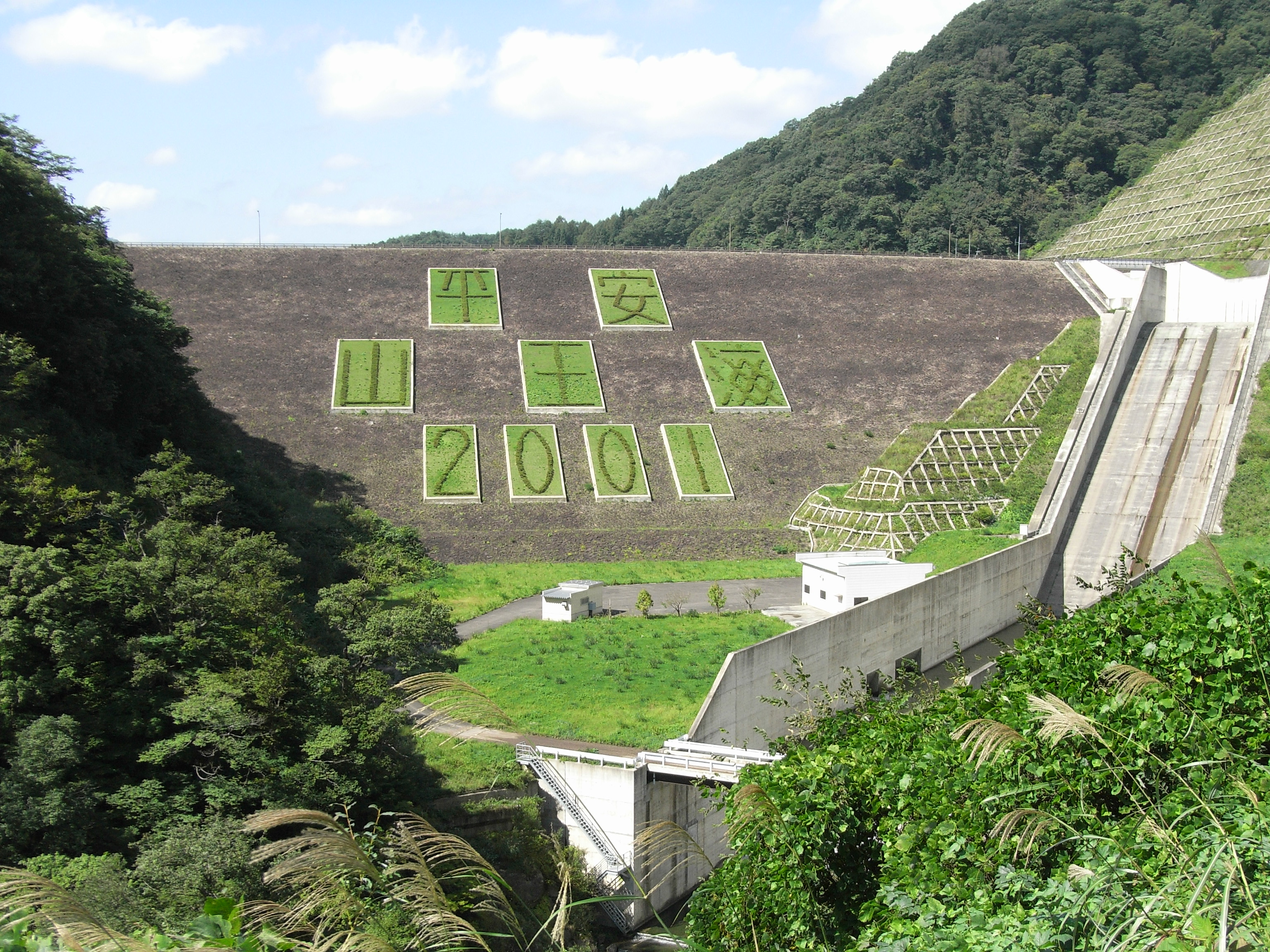
The Sannōkai Dam (山王海ダム) is a concrete gravity dam that plays a vital role in the region’s water management system. While official sources keep the exact height and altitude under wraps, the dam’s presence is unmistakable: a broad concrete wall spanning a gentle river valley, creating a tranquil reservoir that mirrors the sky.
History & Significance
The dam was constructed as part of Iwate’s post‑war infrastructure development, aimed at stabilizing water supply for agriculture, flood control, and hydroelectric power generation. Its strategic placement in Shizukuishi helps regulate the flow of the Kitakami River basin, ensuring downstream communities receive a reliable water source throughout the year.
Beyond its functional importance, 山王海ダム has become a local landmark. Residents often gather at its banks for picnics, fishing, and seasonal festivals. The reservoir’s calm surface provides an ideal backdrop for sunrise and sunset photography, making it a favorite spot for Instagram‑savvy travelers seeking a slice of “off‑the‑beaten‑path” Japan.
For a concise overview, see the Japanese Wikipedia entry: 山王海ダム (Wikipedia).
3. How to Get There
Reaching 山王海ダム is straightforward, even if you’re traveling from major cities like Tokyo or Sendai. Below are the most common routes:
| Starting Point | Transportation | Approx. Travel Time | Notes |
|---|---|---|---|
| Tokyo (Shinjuku Station) | Shinkansen to Morioka → JR Tazawako Line to Shizukuishi Station → Taxi or local bus (≈15 km) | 2.5 h (Shinkansen) + 30 min (local) | Purchase a JR East Pass for unlimited rides. |
| Sendai | JR Tohoku Shinkansen to Morioka → JR Tazawako Line to Shizukuishi → Taxi | 1.5 h + 30 min | Direct bus service from Sendai Station to Shizukuishi (seasonal). |
| Morioka | JR Tazawako Line to Shizukuishi → Bus #30 (Shizukuishi‑Sannōkai Dam) | 45 min | Bus runs every hour from 8 am to 5 pm; check the latest schedule. |
| Car | Rent a car in Morioka or Akita → Follow Route 46 → Route 107 → Signage to 山王海ダム | 1 h | Parking is available near the dam’s visitor area (free for up to 2 hours). |
Tips for public transport:
- Purchase a Suica or Pasmo card for easy boarding on JR lines and local buses.
- The last train from Morioka back to Tokyo departs around 9 pm, so plan your return accordingly.
4. Best Time to Visit
Because 山王海ダム sits in a region with distinct four seasons, each period offers a unique visual treat:
| Season | Highlights | Why Visit |
|---|---|---|
| Spring (Mar‑May) | Cherry blossoms along the reservoir’s edge; gentle breezes. | Ideal for photography and picnics under blooming sakura. |
| Summer (Jun‑Aug) | Lush green foliage; cool lake water for paddle‑boarding. | Escape the city heat; perfect for family outings. |
| Autumn (Sep‑Nov) | Vibrant maple and ginkgo leaves turning fiery reds and yellows. | The most photographed season; the dam’s surface mirrors the autumn colors. |
| Winter (Dec‑Feb) | Snow‑capped hills; quiet, serene atmosphere. | Rare chance to see a frozen dam landscape; great for winter hikers. |
Peak visitor months: Late October to early November (autumn foliage) and early May (cherry blossom). If you prefer solitude, aim for early December or late February when the crowds thin out.
5. What to Expect
Arriving at 山王海ダム, you’ll be greeted by a spacious, well‑maintained lakeside promenade. The dam’s concrete façade may look utilitarian, but the surrounding nature softens its industrial edge.
- Scenic Walks: A paved walking trail circles the reservoir, offering multiple viewpoints. Benches and informational plaques explain the dam’s role in water management.
- Fishing & Boating: Local anglers often cast lines from designated spots. Small rowboats and paddle‑boards are available for rent during the summer months (check the seasonal kiosk).
- Photography: The dam’s reflection pool creates mirror‑like shots, especially during sunrise (≈5:30 am) and sunset (≈5:00 pm). Bring a polarizing filter to enhance water clarity.
- Picnic Areas: Picnic tables and BBQ grills are scattered near the visitor center—perfect for a lunch with a view.
- Wildlife: Keep an eye out for Japanese bush warblers, kingfishers, and occasional deer that wander near the water’s edge.
While there is no large‑scale visitor center, the site is clean, safe, and family‑friendly. Restrooms are located near the main parking lot, and a small kiosk sells bottled water, snacks, and souvenir postcards featuring the dam’s silhouette.
6. Nearby Attractions
The area around 山王海ダム is a waterfall lover’s paradise. All the following spots are within a 5‑km radius, making them perfect for a half‑day itinerary:
| Attraction | Type | Distance from Dam | Highlights | Link |
|---|---|---|---|---|
| Okuhisamei Falls | Waterfall | 3.9 km | Cascading 20 m drop surrounded by mossy rocks. | Okuhisamei Falls |
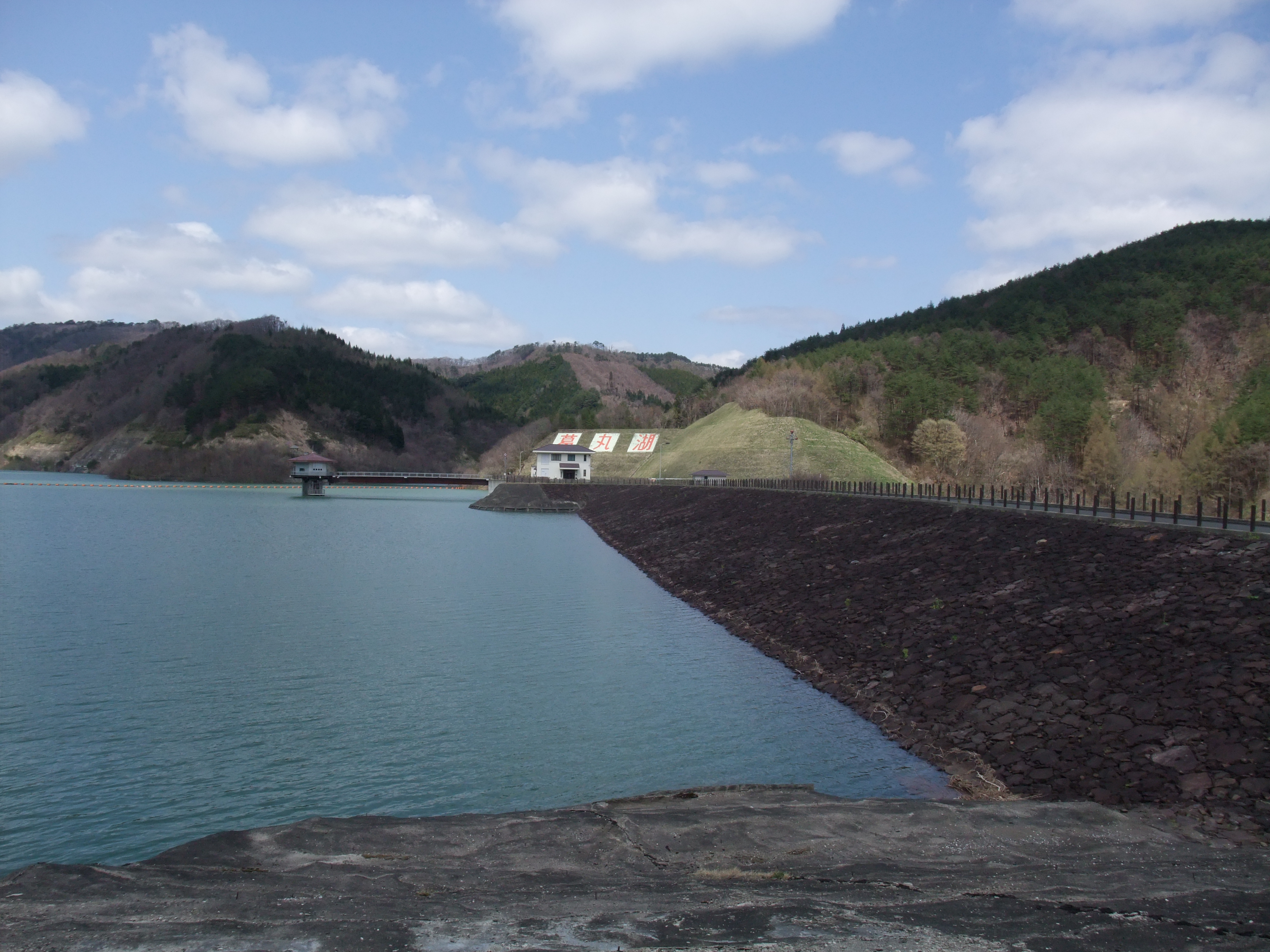
| 葛丸ダム (Katsumaru Dam) | Dam | 3.9 km | Another impressive concrete dam with a scenic walking trail. | 葛丸ダム |
| Yubana Falls | Waterfall | 4.3 km | Gentle tiered falls, ideal for a short hike and photo stop. | Yubana Falls |
| Taroshi Falls | Waterfall | 4.5 km | Known for its clear, turquoise pool at the base. | Taroshi Falls |
| Kurotaki | Waterfall | 5.0 km | A secluded cascade hidden in a forested gorge. | Kurotaki |
Suggested itinerary: After exploring the dam, rent a bicycle (available near the parking lot) and follow the local road to Okuhisamei Falls. Continue on to Katsumaru Dam for a quick comparison of engineering styles, then finish the day with a leisurely hike to Yubana Falls, where you can cool off in the shallow pool before heading back.
7. Travel Tips
- Check the Weather: The region can be foggy in early mornings, especially in autumn. Bring a light rain jacket and waterproof shoes.
- Cash on Hand: While some kiosks accept credit cards, many small vendors near the waterfalls only take cash (¥1,000–¥3,000).
- Respect the Environment: The dam area is a protected water source. No swimming is allowed, and littering is strictly prohibited.
- Timing for Waterfalls: Water flow peaks after heavy rain (usually late spring). If you want the most dramatic waterfall photos, check the local weather forecast a day ahead.
- Stay Connected: Mobile reception is generally good near the dam, but it can drop in the deeper forested sections near the waterfalls. Download offline maps beforehand.
- Local Cuisine: Stop by the Shizukuishi town center for a bowl of Iwate’s famous wanko soba—a fun, endless noodle experience.
- Language: Signage at the dam is bilingual (Japanese/English). However, in the surrounding villages, English may be limited, so a few basic Japanese phrases (e.g., “ありがとう” – thank you) go a long way.
Final Thoughts
山王海ダム may not appear on the typical Japan travel itineraries, but its blend of engineering intrigue, serene waters, and proximity to stunning waterfalls makes it a rewarding destination for the curious traveler. Whether you’re chasing autumn foliage, snapping sunrise reflections, or simply craving a quiet spot away from the tourist crowds, the Sannōkai Dam area delivers an authentic slice of Iwate’s natural charm.
Pack your camera, rent a bike, and let the calm waters of 山王海ダム guide you through a day of discovery in one of Japan’s most tranquil corners. Safe travels!