🌊 Discover the Tranquil Beauty of 葛丸ダム (Kuzumaru Dam) in Hanamaki, Iwate
Hidden among the lush hills of northern Japan, 葛丸ダム (Kuzumaru Dam) offers a perfect blend of engineering marvel and natural serenity. Whether you’re a dam enthusiast, a waterfall chaser, or simply looking for a peaceful spot off the beaten path, this little‑known gem in Hanamaki, Iwate, deserves a place on your itinerary.
1. Introduction
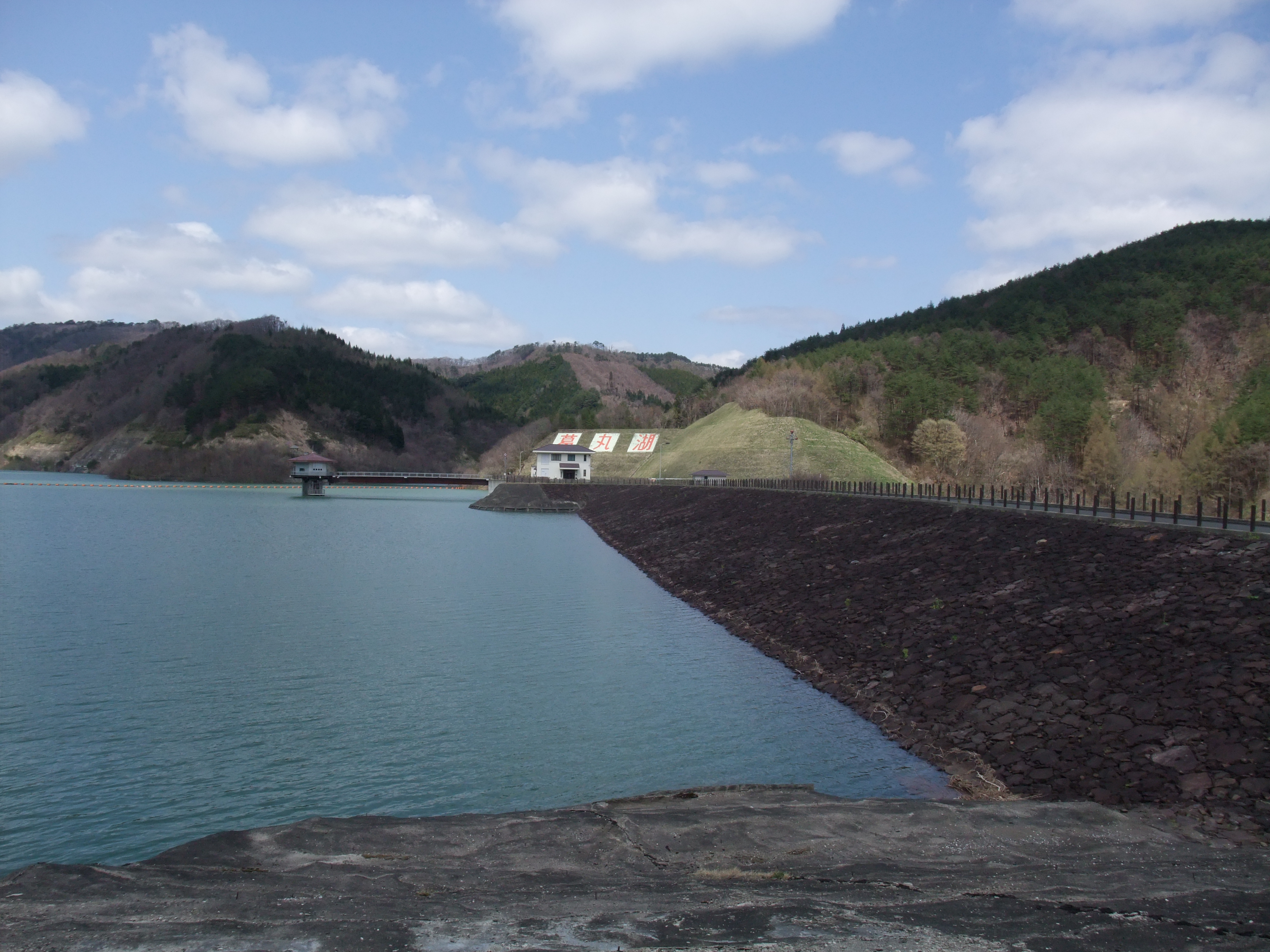
Imagine standing at the edge of a crystal‑clear reservoir, the gentle hum of water spilling over a concrete spillway, and a backdrop of verdant forest that seems to stretch forever. That’s the experience waiting at Kuzumaru Dam—a modest yet striking dam that captures the essence of rural Iwate. While the dam itself may not boast towering heights, its surrounding landscape, dotted with pristine waterfalls and tranquil walking trails, makes it a hidden treasure for travelers seeking authentic Japanese countryside charm.
2. About 葛丸ダム
A Brief Overview
- Name: 葛丸ダム (Kuzumaru Dam)
- Type: Concrete dam (🏗️)
- Location: Hanamaki City, Iwate Prefecture, Japan
- Coordinates: 39.513307° N, 141.052702° E
- Wikipedia: Kuzumaru Dam
Built to regulate local water flow and support regional irrigation, Kuzumaru Dam plays an essential role in the agricultural life of Hanamaki. Although the exact height and altitude of the structure are not publicly disclosed, the dam’s modest scale blends seamlessly into the surrounding hills, allowing nature to remain the star of the show.
Historical Significance
Kuzumaru Dam was constructed as part of post‑war infrastructure development aimed at stabilizing water resources for the Tōhoku region. Its presence helped modernize farming practices in the surrounding valleys, contributing to the revitalization of rural communities. Today, the dam stands as a quiet reminder of Japan’s dedication to harmonizing engineering with the environment.
Why It Matters to Travelers
- Scenic Reservoir: The reservoir created by the dam mirrors the sky, offering stunning sunrise and sunset photo opportunities.
- Gateway to Waterfalls: Within a 3‑km radius, you’ll find four spectacular waterfalls—perfect for day‑trip hiking.
- Cultural Insight: Visiting the dam gives you a glimpse into the everyday infrastructure that sustains Japan’s countryside, an aspect often missed by typical city‑focused tours.
3. How to Get There
By Train & Bus
- Start at Tokyo: Take the Tōhoku Shinkansen to Hanamaki‑Station (≈2.5 hours).
- Local Transfer: From Hanamaki‑Station, hop on the JR Kamaishi Line to Kuzumaru‑Station (if available) or a local bus heading toward the Kuzumaru Dam stop.
- Final Walk: The dam is a short 10‑minute walk from the bus drop‑off; follow local signage pointing to the reservoir and parking area.
Tip: Bus schedules can be sparse on weekends, so check the latest timetables on the Hanamaki City Transportation website before you travel.
By Car
Rent a car in Hanamaki (many rental agencies operate near the Shinkansen station). From the city center, follow National Route 283 northward for about 12 km, then turn onto Prefectural Road 45 toward the dam. The drive takes roughly 25 minutes and offers scenic views of the Kitakami River valley.
- Parking: A small free parking lot sits near the dam’s visitor area. Arrive early during peak foliage season (late October) to secure a spot.
By Bicycle
For the adventurous, the Hanamaki Cycling Loop passes near Kuzumaru Dam. The route is moderately hilly, so be prepared for some climbs, but the reward is a peaceful ride through rice paddies and forest trails.
4. Best Time to Visit
| Season | Highlights | Why Visit |
|---|---|---|
| Spring (Mar‑May) | Cherry blossoms along the reservoir, fresh green foliage | Mild temperatures make walking to nearby waterfalls comfortable. |
| Summer (Jun‑Aug) | Lush forest canopy, cool mist from the water | Ideal for early‑morning hikes; the dam’s reservoir reflects the bright sky. |
| Autumn (Sep‑Nov) | Vibrant koyo (autumn colors) especially late October | The reservoir turns golden‑orange, perfect for photography. |
| Winter (Dec‑Feb) | Snow‑capped hills, quiet atmosphere | Fewer tourists; the dam’s still waters create a mirror‑like surface. |
Pro tip: Mid‑October is the peak of autumn colors in Iwate, but it also brings higher visitor numbers. Arriving early (before 9 am) ensures you capture the scenery without crowds.
5. What to Expect
The Atmosphere
Kuzumaru Dam exudes a calm, almost meditative vibe. The water’s gentle ripple against the concrete creates a soothing soundtrack, while the surrounding forest offers occasional bird songs and rustling leaves. There’s no commercial bustle—just a simple visitor area with benches, informational boards, and a modest picnic spot.
Activities
- Scenic Walks: A paved trail circles the reservoir, offering multiple viewpoints for photography.
- Waterfall Hikes: Short, well‑marked paths lead to Taroshi Falls (1.2 km), Okuhisamei Falls (1.6 km), Yubana Falls (2.0 km), and Kurotaki (2.8 km). Each waterfall varies in height and flow, providing diverse photo ops.
- Birdwatching: The dam’s quiet waters attract waterfowl, while the forest hosts a variety of songbirds—great for nature lovers.
- Picnicking: Pack a bento and enjoy a lakeside meal; the designated area offers tables and waste bins.
Facilities
- Restrooms: Basic public toilets near the parking lot.
- Information Board: Provides details on water levels, dam history, and trail maps.
- No Admission Fee: Visiting the dam and its surrounding trails is free of charge.
6. Nearby Attractions
After soaking in the serenity of Kuzumaru Dam, explore these natural wonders—all within a short drive or hike:
| Attraction | Distance from Dam | Highlights | Link |
|---|---|---|---|
| Taroshi Falls | 1.2 km | A graceful cascade surrounded by mossy rocks. | Taroshi Falls |
| Okuhisamei Falls | 1.6 km | Known for its crystal‑clear plunge pool—great for a quick dip in summer. | Okuhisamei Falls |
| Yubana Falls | 2.0 km | A multi‑tiered waterfall that creates a misty rainbow on sunny days. | Yubana Falls |
| Kurotaki | 2.8 km | A secluded waterfall hidden in a dense forest, perfect for quiet contemplation. | Kurotaki Falls |
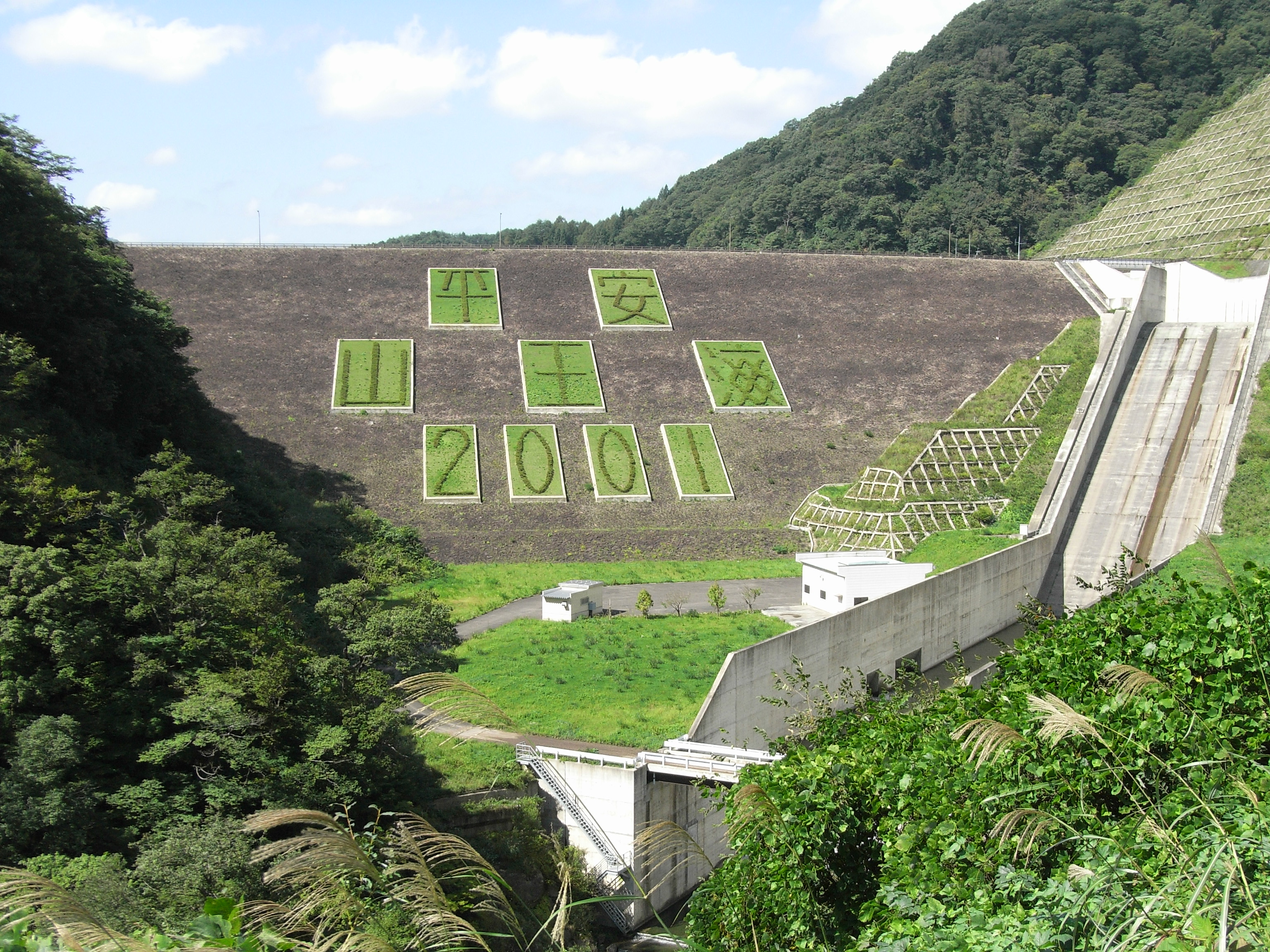
| 山王海ダム (Sanno‑Kai Dam) | 3.9 km | Another small dam offering a different perspective on Iwate’s water management. | Sanno‑Kai Dam |
All attractions are reachable via short walking trails or a quick drive. Bring comfortable shoes and a waterproof jacket if you plan to explore the waterfalls.
7. Travel Tips
- Check Water Levels: Seasonal variations affect the reservoir’s appearance. Low water levels in late summer may expose more of the dam’s structure, while high levels in spring create a fuller, mirror‑like surface.
- Dress in Layers: Iwate’s climate can shift quickly, especially near water. A light jacket and breathable layers keep you comfortable.
- Bring Cash: Small vending machines and local souvenir stalls may only accept cash.
- Respect Nature: Stay on marked paths, especially near waterfalls, to protect fragile ecosystems.
- Photography Gear: A wide‑angle lens captures the expansive reservoir, while a telephoto lens is handy for close‑up waterfall shots. A tripod is useful for low‑light sunrise or sunset photography.
- Language Help: Signage is primarily in Japanese, but most information boards include English translations. A translation app can assist with any unfamiliar terms.
- Timing for Waterfalls: Early morning (7‑9 am) offers the best lighting and fewer visitors—ideal for photographing the waterfalls in soft natural light.
Final Thought
Kuzumaru Dam may not headline Japan’s travel brochures, but its quiet charm, combined with the surrounding cascade‑filled landscape, makes it a must‑visit for travelers craving off‑the‑grid serenity. Pack your walking shoes, a camera, and an appetite for natural beauty, then head to Hanamaki, Iwate, to discover the tranquil allure of 葛丸ダム.
Happy travels, and may your journey be as smooth as the waters of Kuzumaru Dam!