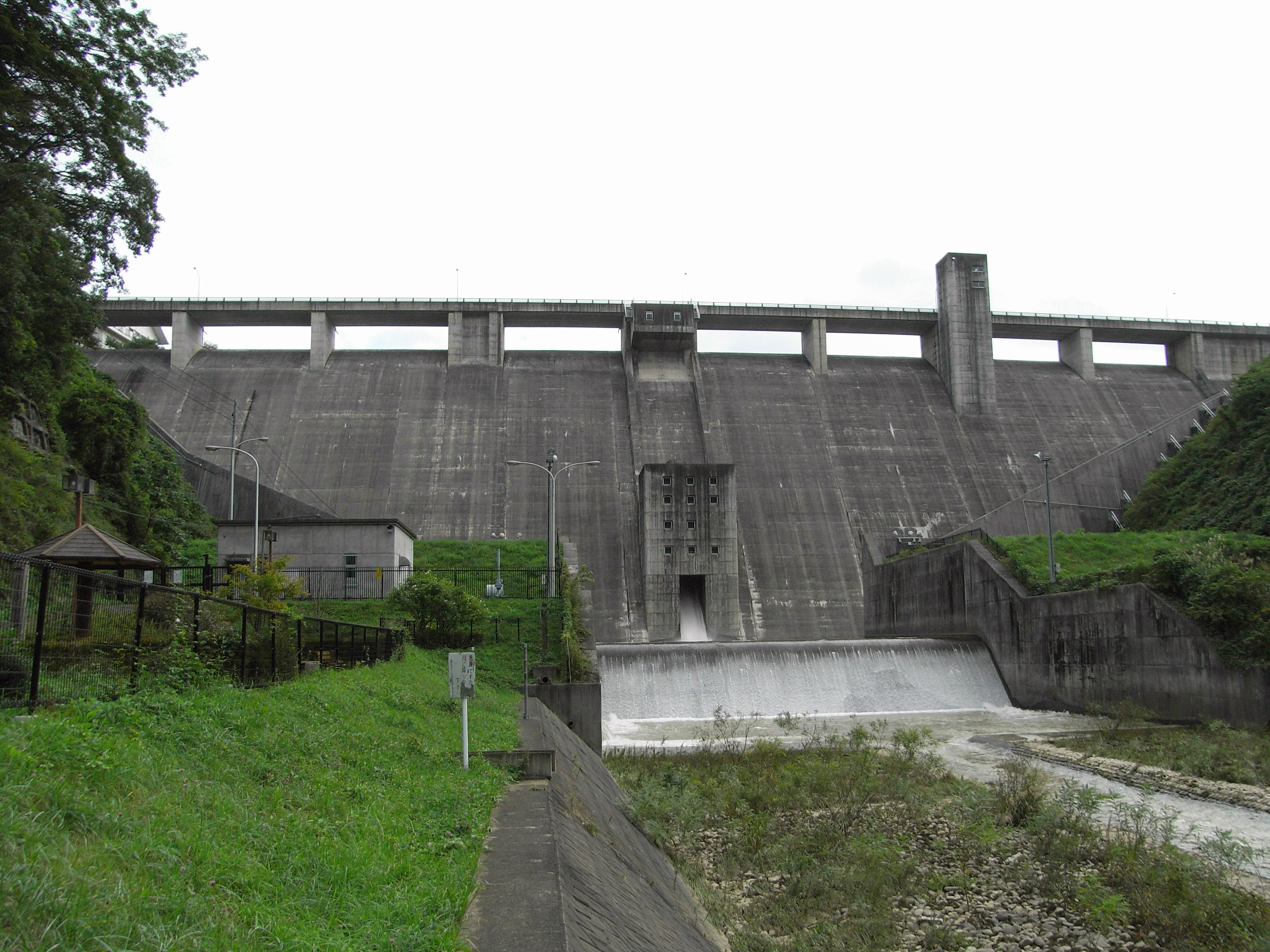
綱取ダム (Tsunatori Dam) – A Hidden Gem in Morioka, Iwate
Explore the tranquil waters, lush forest trails, and nearby natural wonders that make this modest dam a perfect off‑the‑beaten‑path destination for nature lovers and curious travelers alike.
1. Introduction
If you picture Iwate Prefecture, you might first think of dramatic coastlines, snow‑capped mountains, or the historic city of Morioka. Yet tucked away just a short drive from the city centre lies 綱取ダム (Tsunatori Dam), a quiet reservoir surrounded by dense woodlands and crystal‑clear springs. The dam may not boast the towering height of Japan’s famous hydro‑power giants, but its serene setting, easy accessibility, and proximity to several hidden waterfalls and springs make it an ideal spot for a day‑trip, a photography outing, or a peaceful picnic.
In this guide, we’ll dive into everything you need to know to experience Tsunatori Dam like a local—its history, how to get there, the best seasons to visit, what you’ll see on site, and the surrounding attractions that round out a perfect Iwate adventure.
2. About 綱取ダム
What is Tsunatori Dam?
- Type: Multipurpose dam (water storage and flood control)
- Location: Morioka‑shi, Iwate Prefecture, Japan
- Coordinates: 39.710925 N, 141.204697 E
While the exact height and altitude of the dam are not publicly listed, the structure serves as a vital component of the local water‑management system, regulating flow from the surrounding rivers and providing a reliable water source for nearby communities.
A Brief History
Tsunatori Dam was constructed as part of post‑war infrastructure development in the Tōhoku region, a period when Japan invested heavily in flood‑control projects to protect agricultural lands and growing urban centers. Although detailed records are scarce in English, the dam’s Japanese Wikipedia entry (see the link below) outlines its role in regional water management and highlights its integration with surrounding natural habitats.
Reference: 綱取ダム – Wikipedia (Japanese)
Why It Matters
- Environmental stewardship: The reservoir has become a haven for local wildlife, especially birds that nest along its banks.
- Recreation: The calm surface of the lake invites anglers, photographers, and hikers to explore the surrounding forest trails.
- Cultural value: For residents of Morioka, the dam symbolizes the balance between modern engineering and the region’s pristine natural scenery.
3. How to Get There
From Morioka Station
-
By Car – The most straightforward option. From Morioka Station, take National Route 4 heading north, then turn onto Prefectural Road 18 toward the Tsunatori area. The drive is roughly 15 km and takes about 25–30 minutes depending on traffic. Parking is available in a small lot near the dam’s visitor area.
-
By Bus – Local bus line “Morioka‑Kōgen” (operated by Iwate Kotsu) runs a limited service from Morioka Station to the Tsunatori Dam stop. Check the latest timetable on the Iwate Kotsu website, as the service is most frequent on weekends and holidays. The journey takes around 45 minutes.
-
By Bicycle – For the adventurous, the route is bike‑friendly. The ride follows scenic countryside roads and takes roughly 1 hour 15 minutes. Bring a lock and be prepared for occasional uphill sections.
From Sendai (Shinkansen)
If you’re traveling by the Tōhoku Shinkansen, disembark at Morioka Station (≈ 1 hour from Sendai). From there, follow the directions above.
Practical Tips
- GPS: Input the coordinates 39.710925, 141.204697 for precise navigation.
- Language: Signage around the dam is primarily in Japanese; a translation app can be handy.
- Accessibility: The main viewing platform is wheelchair‑accessible, but some trail sections are uneven.
4. Best Time to Visit
| Season | Highlights | Why Visit |
|---|---|---|
| Spring (Mar–May) | Cherry blossoms start to bloom along the reservoir’s edge; the nearby springs are at their most vigorous. | Mild temperatures (10‑18 °C) and vibrant foliage make for perfect photography. |
| Summer (Jun–Aug) | Lush green canopy, occasional dragonflies hovering over the water. | Early mornings are cool; ideal for fishing or a shaded picnic. |
| Autumn (Sep–Nov) | Brilliant reds, oranges, and yellows as the surrounding forest changes color. | The crisp air (10‑16 °C) enhances hiking experiences; fewer tourists. |
| Winter (Dec–Feb) | Snow‑capped trees create a tranquil, almost magical scene; the dam often freezes partially, offering unique photo opportunities. | If you enjoy quiet, snowy landscapes, this is the time to go—just dress warmly. |
Overall recommendation: Late April and October provide the most striking natural colors while keeping weather comfortable for outdoor activities.
5. What to Expect
Scenic Views
- Panoramic lake: The reservoir’s surface mirrors the surrounding forest, creating a picture‑perfect backdrop for sunrise or sunset shots.
- Mountain silhouettes: Distant peaks of the Kitakami Range can be glimpsed on clear days.
Activities
- Walking trails: A short, well‑marked loop (≈ 2 km) circles the dam, with benches placed at scenic overlooks.
- Birdwatching: Look for Japanese bush warblers, kingfishers, and occasionally the rare black‑throated loon.
- Fishing: Local anglers often try their luck for carp and trout; a small permit may be required—check the visitor center.
Facilities
- Visitor center: Open weekdays 9:00–17:00 (closed on national holidays). Provides maps, safety information, and a small souvenir shop featuring locally made crafts.
- Restrooms: Clean, gender‑separated facilities near the parking lot.
- Picnic area: Tables and a shaded pavilion are available on a first‑come‑first‑served basis.
Atmosphere
Unlike crowded tourist hotspots, Tsunatori Dam exudes a calm, almost meditative vibe. You’ll often hear the gentle rustle of leaves, the distant call of a waterbird, and the faint murmur of water spilling over the dam’s spillway. It’s an ideal spot for solo travelers seeking reflection, families looking for a low‑key outing, or photographers chasing soft natural light.
6. Nearby Attractions
While Tsunatori Dam is the star of the day, the surrounding area offers several natural gems that can easily be added to your itinerary. All are within a 5 km radius, making them perfect for short side‑trips.
| Attraction | Distance from Dam | What to See | Link |
|---|---|---|---|
| 白滝 (Shirataka Waterfall) | 2.5 km | A graceful cascade dropping into a clear pool; ideal for a quick hike and photo stop. | 白滝 – Wikipedia (Japanese) |
| Unnamed Fountain | 2.7 km | A natural spring that creates a small, bubbling fountain—great for a refreshing break. | (No dedicated page – ask locals for directions) |
| たたら清水 (Tatarashi Spring) | 3.3 km | Crystal‑clear water emerging from a rocky outcrop; legend says the water has a subtle mineral taste. | たたら清水 – Local guide |
| 青龍水 (Seiryu Spring) | 4.6 km | Known for its emerald‑green hue, this spring feeds a tiny brook that meanders through a mossy forest floor. | 青龍水 – Travel blog |
| 大慈清水 (Daiji Spring) | 4.6 km | A larger spring with a shallow pool, popular among locals for summer foot‑baths. | 大慈清水 – Regional tourism site |
Suggested itinerary: After exploring the dam, head east to 白滝 for a short waterfall trek, then continue north to たたら清水 and 青龍水 for a series of peaceful spring stops. Finish the day back at the dam for sunset reflections.
7. Travel Tips
| Tip | Details |
|---|---|
| Bring cash | The visitor center’s shop and nearby snack stalls accept only cash (¥500‑¥2,000). |
| Dress in layers | Weather can shift quickly, especially near the water; a light rain jacket is advisable. |
| Footwear | Sturdy walking shoes or hiking boots are recommended for the uneven forest paths. |
| Respect nature | No fishing or swimming is allowed in the protected spring areas; stay on marked trails. |
| Timing | Arrive early (before 10 am) on weekends to avoid the small crowd that gathers for picnics. |
| Photography | The best light is early morning or late afternoon; bring a polarizing filter to reduce glare on the water. |
| Local food | Try the nearby Morioka Jajamen (a regional noodle dish) at a roadside eatery on your way back. |
| Language help | Most locals speak basic English, but a few Japanese phrases—“こんにちは” (hello) and “ありがとうございます” (thank you)—go a long way. |
| Safety | The dam’s spillway can be slippery when wet; keep a safe distance and watch children closely. |
| Connectivity | Mobile signal is moderate; consider downloading offline maps before you set out. |
Final Thoughts
Whether you’re a seasoned traveler seeking hidden natural spots, a photography enthusiast chasing tranquil water reflections, or simply a curious visitor to Morioka, 綱取ダム offers a rewarding blend of engineering, scenery, and local charm. Its easy accessibility, combined with the surrounding waterfalls and springs, makes it a compact yet unforgettable day‑trip in Iwate Prefecture.
Pack a light snack, charge your camera, and head to Tsunatori Dam—where the water flows quietly, the forest whispers, and every season paints a new masterpiece. Safe travels!