上寺津ダム (Kamiterazu Dam) – A Hidden Gem in Ishikawa, Japan
Discover the tranquil beauty of a modest yet captivating dam nestled in the mountains of Tsurugi‑asahimachi. Whether you’re a dam‑enthusiast, a nature lover, or simply seeking an off‑the‑beaten‑path spot in Ishikawa, 上寺津ダム offers a peaceful retreat with stunning scenery and easy access to other local attractions.
1. Introduction
Imagine a place where the gentle murmur of water meets the crisp mountain air, where the surrounding forest paints a picture‑perfect backdrop for a leisurely stroll. This is the experience awaiting you at 上寺津ダム (Kamiterazu Dam)—a small concrete dam that may not appear on typical tourist itineraries, but promises an authentic slice of rural Japan.
Located at 36.462675 N, 136.719572 E in the quiet district of Tsurugi‑asahimachi, Ishikawa Prefecture, the dam stands 19.5 m tall and serves as a quiet sentinel over the surrounding landscape. Its modest size makes it ideal for a relaxed visit, photography, and a chance to unwind far from the crowds of Kanazawa or the bustling Noto Peninsula.
If you’re planning a road trip through the Hokuriku region, a dam‑tour, or simply a day hike in Ishikawa’s verdant interior, add 上寺津ダム to your itinerary and discover why this hidden spot is quickly becoming a favorite among local hikers and photographers.
2. About 上寺津ダム
Description & Design
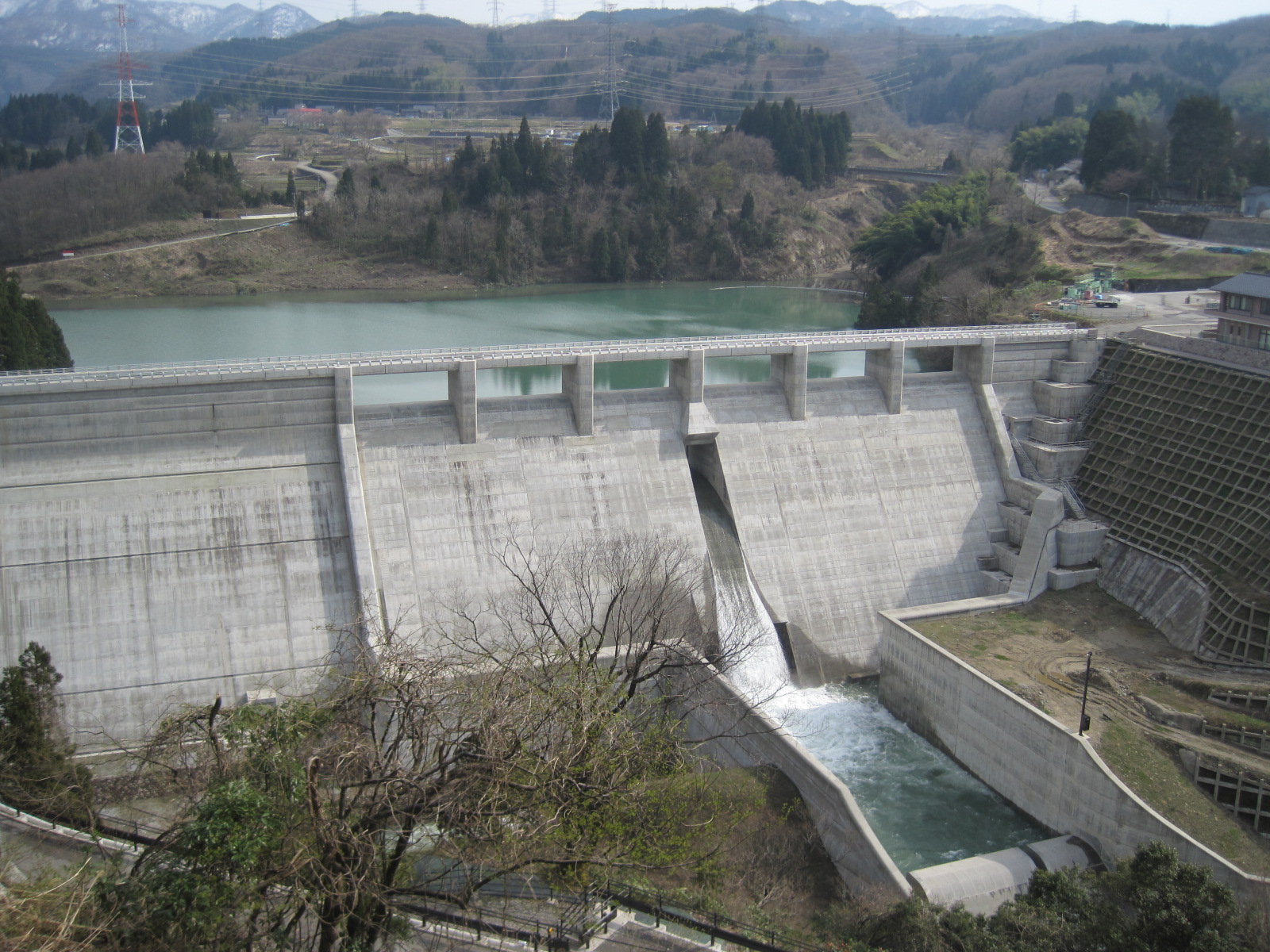
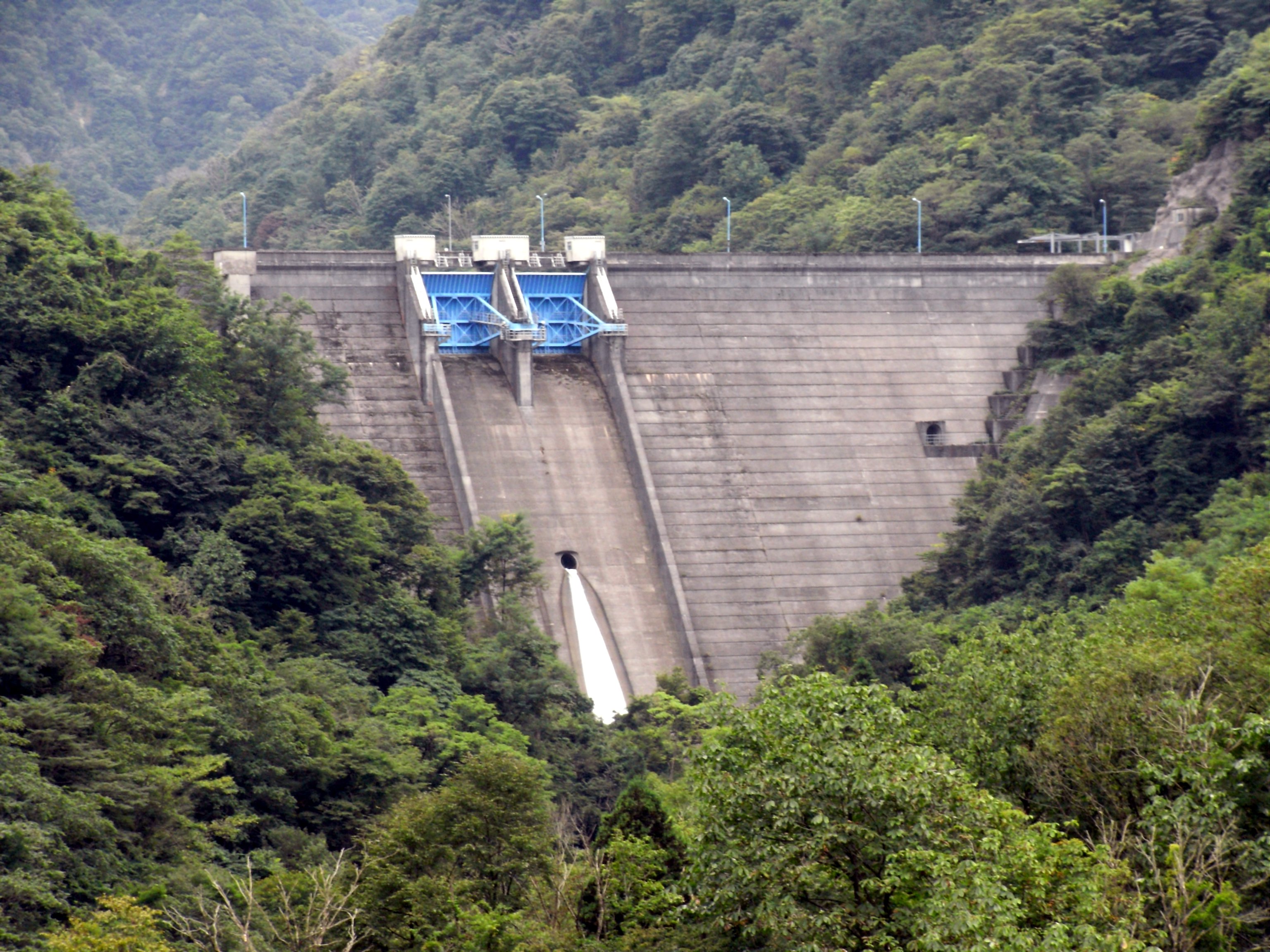
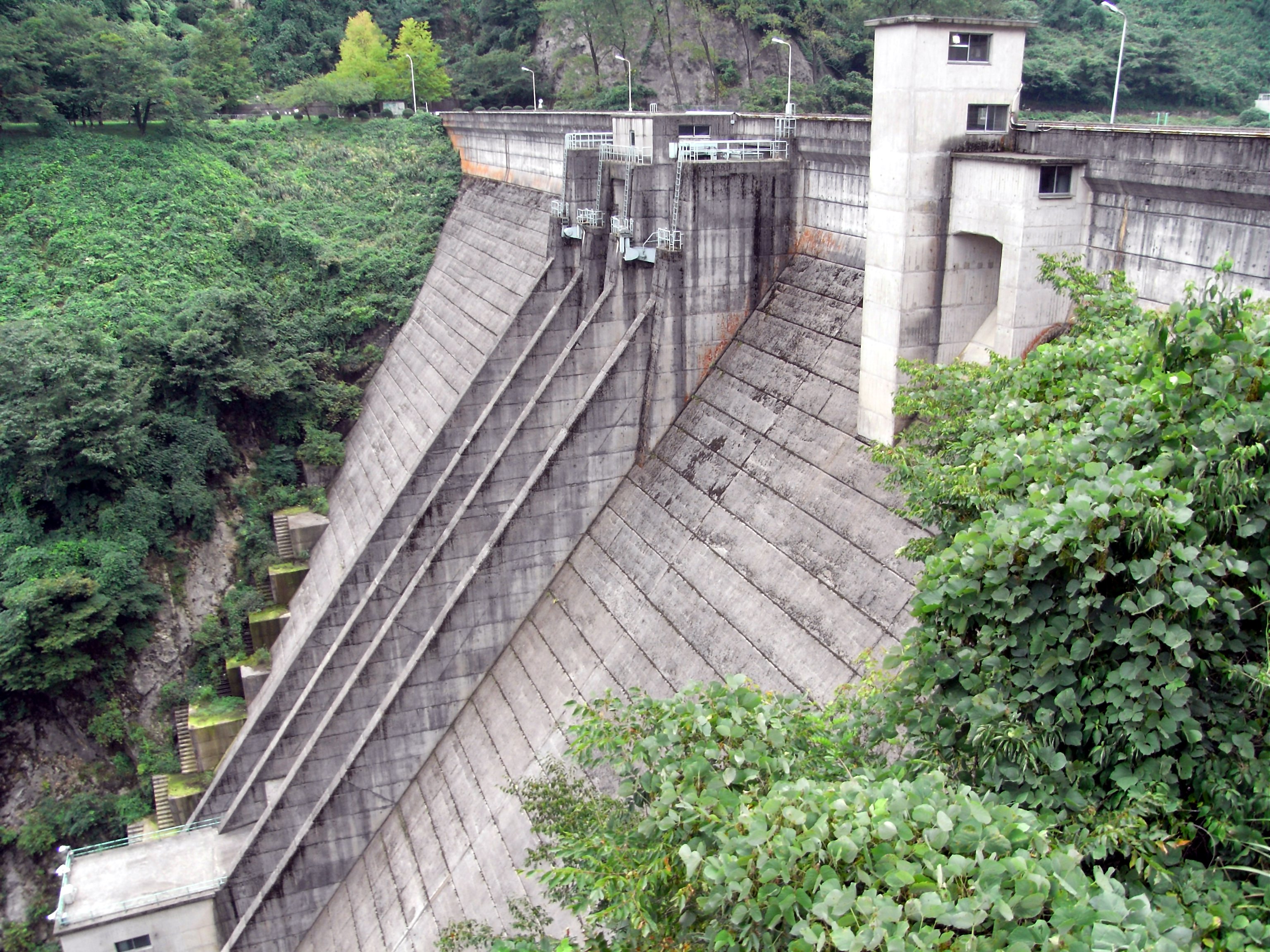
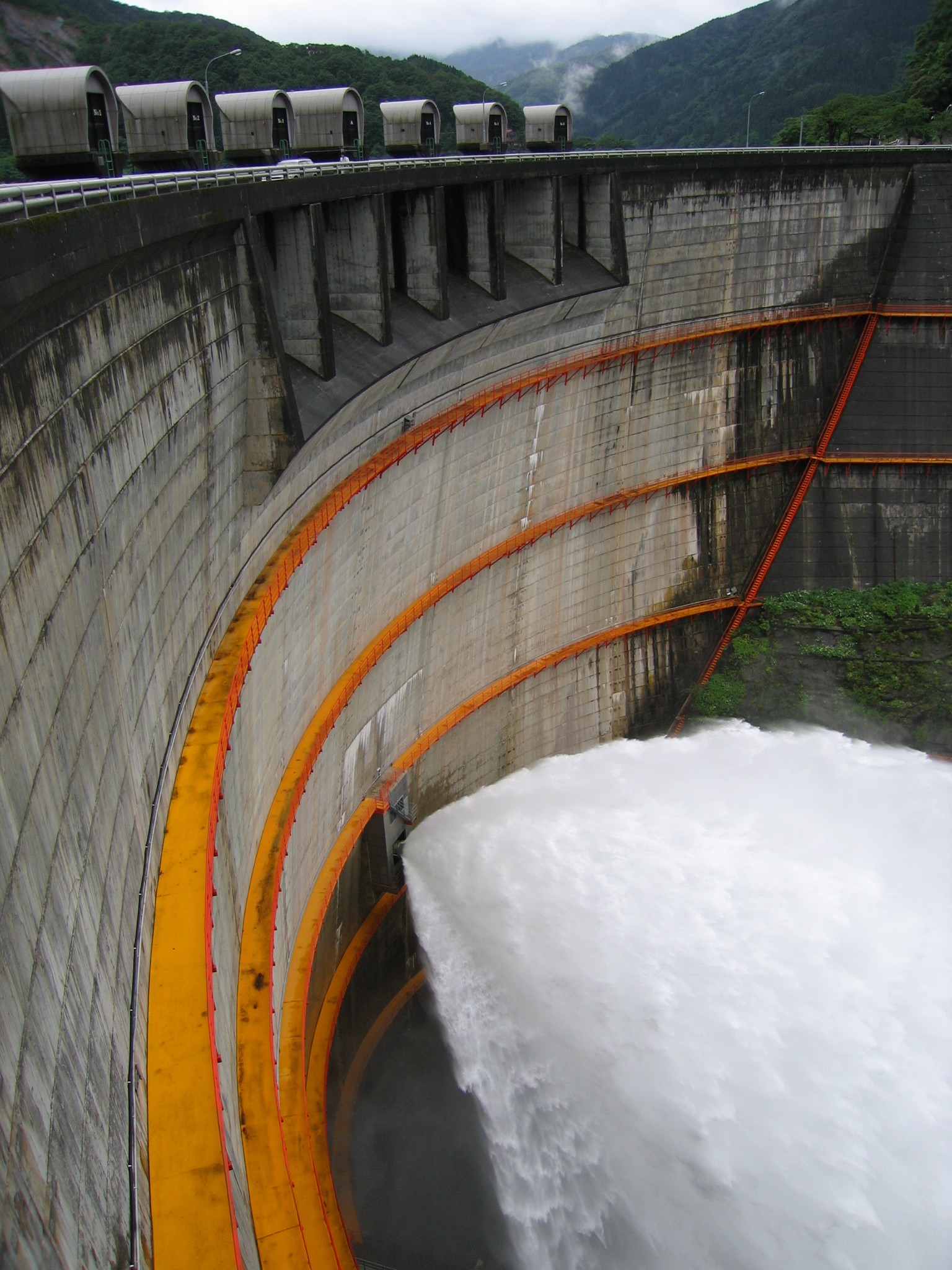
上寺津ダム is a concrete gravity dam built to regulate water flow for irrigation and local water supply. With a height of 19.5 m, it is relatively low compared to Japan’s massive hydro‑electric structures, but its simple, functional design blends harmoniously with the surrounding forested hills. The reservoir behind the dam is modest, creating a calm, mirror‑like surface that reflects the changing colors of the seasons.
History & Significance
While the exact construction date isn’t publicly listed, the dam has been part of the local water management system for several decades, supporting agriculture in the Tsurugi‑asahimachi area. It also plays a role in flood mitigation during the rainy season, helping to protect downstream villages.
Beyond its utilitarian purpose, 上寺津ダム has grown into a modest cultural landmark. Residents often gather here for seasonal festivals, and the site has become a popular spot for school field trips and community clean‑up events. Its presence underscores the close relationship between Ishikawa’s people and the natural environment—a theme that resonates throughout the prefecture.
Why It Matters for Travelers
For travelers, the dam offers:
- Scenic photography – The tranquil water, surrounding trees, and distant mountains provide a perfect composition for sunrise, sunset, and autumn foliage shots.
- Quiet contemplation – The low visitor volume creates an atmosphere ideal for meditation, sketching, or simply enjoying a picnic.
- Gateway to other dams – Its central location makes it a convenient starting point for a “dam‑hopping” adventure across Ishikawa’s network of waterworks.
For more technical details, see the official Wikipedia entry: Kamiterazu Dam (English Wikipedia).
3. How to Get There
By Public Transportation
- From Kanazawa Station – Take the JR Hokuriku Main Line to Tsurugi Station (approximately 45 minutes).
- Bus Transfer – From Tsurugi Station, board the local community bus bound for Asahimachi (check the latest timetable at the station; services run roughly every 1–2 hours).
- Walking – The dam is about 2 km from the Asahimachi bus stop. Follow the well‑marked local road signs for “上寺津ダム” and enjoy a short, scenic walk through farmland and forest.
By Car
Renting a car gives you the most flexibility, especially if you plan to visit nearby dams.
- From Kanazawa – Take the Hokuriku Expressway (E8) north toward Nanao, exit at Tsurugi‑Asahimachi Interchange. Follow Route 159 for roughly 15 km; signage for “Kamiterazu Dam” appears near the village center.
- Parking – A small free parking lot sits adjacent to the dam’s visitor area. Space is limited, so arrive early on weekends.
By Bicycle
The region’s gentle slopes make cycling a pleasant option for the adventurous. Bike rental shops are available in Kanazawa and Tsurugi. Expect a 30–40 km round‑trip ride, with scenic countryside views along the way.
4. Best Time to Visit
| Season | Highlights | Why Visit |
|---|---|---|
| Spring (Mar–May) | Cherry blossoms along the access road; fresh green foliage. | Ideal for photography and mild weather for walking. |
| Summer (Jun–Aug) | Lush forest canopy; occasional mist over the reservoir. | Perfect for picnics and cooling breezes; early mornings are serene. |
| Autumn (Sep–Nov) | Brilliant red, orange, and gold foliage reflecting on the water. | Peak foliage season—highly photogenic. |
| Winter (Dec–Feb) | Snow‑capped hills; quiet, almost mystical atmosphere. | Fewer visitors, crisp air; great for winter landscape shots. |
Tip: The rainy season (June‑July) can cause higher water levels and occasional trail slickness. If you don’t mind a bit of mist, it adds a dreamy quality to photos, but bring waterproof footwear.
5. What to Expect
Scenic Views
Approaching the dam, you’ll first notice the calm reservoir framed by towering pines. The water’s surface often mirrors the sky, creating a striking contrast when clouds drift by. In autumn, the surrounding maples turn fiery red, and the reflections become picture‑perfect.
Walking & Picnic Areas
A short, well‑maintained path circles the reservoir, offering several viewpoints. Benches and a modest picnic shelter sit near the dam’s spillway—ideal for a lunch break with a view.
Wildlife
Early mornings attract birds such as the Japanese white‑eye and occasional kingfishers. Small mammals—squirrels, field mice—are often seen darting among the trees. Keep an eye out for dragonflies skimming the water’s surface during summer.
Facilities
- Restrooms – Basic toilet facilities are available near the parking lot.
- Information Board – A bilingual (Japanese/English) board explains the dam’s purpose and local ecology.
- No Admission Fee – Visiting is free, though donations for maintenance are appreciated.
6. Nearby Attractions
After exploring 上寺津ダム, extend your adventure to the surrounding waterworks and natural sites. All are within a 5 km radius, making them perfect for a day‑trip loop.
| Attraction | Distance | Highlights | Link |
|---|---|---|---|
| 辰巳ダム (Tatsumi Dam) | 4.0 km | Scenic reservoir, hiking trail to a small waterfall. | Tatsumi Dam (Wikipedia) |
| 犀川ダム (Saigawa Dam) | 4.3 km | Panoramic views of the Saigawa River valley; bird‑watching hotspot. | Saigawa Dam (Wikipedia) |
| 内川ダム (Uchi River Dam) | 4.5 km | Picnic area with a playground; ideal for families. | Uchi River Dam (Wikipedia) |
| 新内川ダム (Shinuchi River Dam) | 4.5 km | Recently renovated spillway; great for sunset photography. | Shinuchi River Dam (Wikipedia) |
All distances are approximate and measured from the center of 上寺津ダム.
7. Travel Tips
- Check the Weather: The region can be foggy in early morning and rainy in June. Pack a lightweight rain jacket and waterproof shoes.
- Cash is King: Small rural shops may not accept credit cards, so bring enough yen for snacks, souvenirs, or a possible donation at the dam.
- Timing: Arrive early (around 8 am) on weekends to avoid the modest crowd that gathers later in the day.
- Respect the Environment: The area is a protected water source. Do not litter, and avoid feeding wildlife.
- Photography Gear: A wide‑angle lens (16‑35 mm) captures the full reservoir, while a telephoto (70‑200 mm) helps isolate distant mountain peaks. A polarizing filter reduces glare on the water surface.
- Language: Signage is primarily Japanese, but the information board includes English. A translation app can help with any additional queries.
- Combine with Local Cuisine: After your dam tour, stop at a nearby family‑run shōjin ryōri (vegetarian Buddhist cuisine) restaurant in Asahimachi for a wholesome meal.
Wrap‑Up
上寺津ダム may not be the tallest or most famous dam in Japan, but its serene setting, easy accessibility, and proximity to other water‑related attractions make it a rewarding stop for any traveler exploring Ishikawa Prefecture. Whether you’re chasing autumn colors, seeking a quiet picnic spot, or building a dam‑themed itinerary, Kamiterazu Dam delivers a genuine slice of rural Japanese charm.
Pack your camera, hop in the car (or rent a bike), and let the gentle flow of 上寺津ダム guide you to a peaceful corner of Japan that few tourists have discovered—yet. Safe travels!
Keywords: 上寺津ダム, Kamiterazu Dam, Ishikawa dam, Tsurugi-asahimachi, dam tourism Japan, travel to Ishikawa, Ishikawa attractions, Japan travel, dam hiking, rural Japan