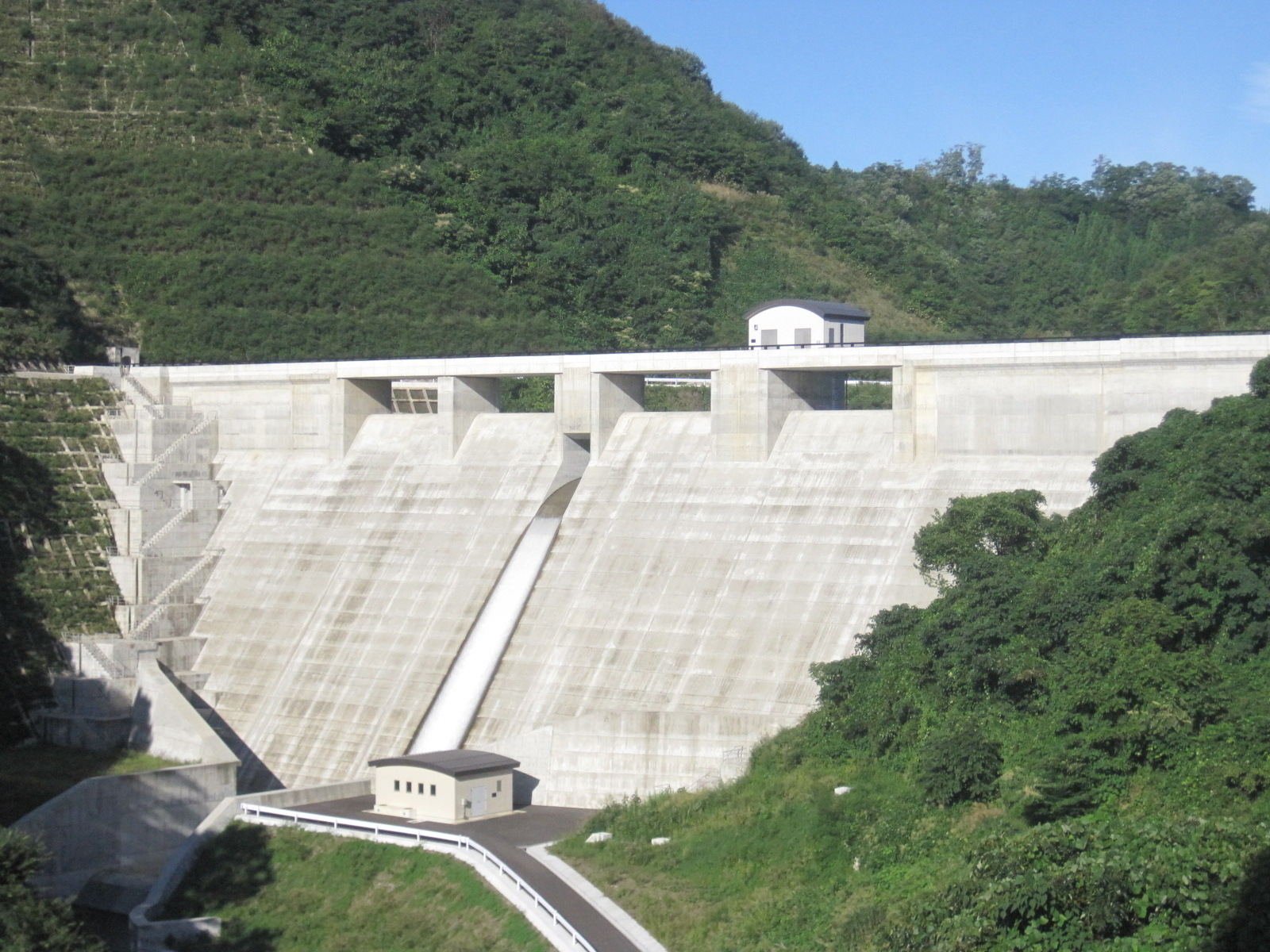
北河内ダム (Kita‑Kawachi Dam) – A Hidden Gem in Nanao, Ishikawa
Explore the serene beauty of 北河内ダム, a peaceful dam tucked away in the coastal city of Nanao, Ishikawa. Perfect for nature lovers, photographers, and off‑the‑beaten‑path travelers.
1. Introduction
If you think Japan’s most famous sights are limited to bustling Tokyo, ancient Kyoto temples, or snow‑capped Hokkaido peaks, think again. Nestled on the rugged coastline of the Noto Peninsula, 北河内ダム (Kita‑Kawachi Dam) offers a tranquil escape that feels worlds away from the city rush. With crystal‑clear waters reflecting the surrounding forested hills, this modest dam is a photographer’s dream, a picnic haven, and a gateway to several nearby natural attractions. Whether you’re on a road trip through the Hokuriku region or a day‑trip from Kanazawa, the dam is a rewarding stop that adds depth to any Ishikawa itinerary.
2. About 北河内ダム
Description & Setting
- Location: Nanao, Ishikawa Prefecture, Japan
- Coordinates: 37.377647 N, 137.042683 E
- Type: Dam (🏗️)
北河内ダム sits amid gently rolling hills and dense cedar forests that characterize the Noto Peninsula. While the exact height and altitude of the dam are not publicly disclosed, its modest scale blends seamlessly with the landscape, creating a calm reservoir that mirrors the sky.
History & Significance
The dam was constructed as part of Ishikawa’s regional water‑resource management plan, serving both irrigation and flood‑control functions for the surrounding agricultural communities. Over the years, it has become more than a piece of infrastructure; it now functions as a local recreation spot and a subtle showcase of Japan’s commitment to harmonizing engineering with nature.
For a concise historical overview, you can refer to the Japanese Wikipedia entry: 北河内ダム (Wikipedia).
3. How to Get There
By Train & Bus
- From Kanazawa: Take the JR Nanao Line from Kanazawa Station to Nanao Station (≈ 1 hour 30 minutes).
- From Nanao Station: Local bus routes (Noto Bus) head toward the “Kita‑Kawachi Dam” stop. The ride is roughly 20 minutes and drops you within a short walking distance of the dam’s parking lot.
Tip: Bus schedules are sparse on weekends, so check the latest timetable on the Noto Bus website or at Nanao Station’s information desk.
By Car
Driving is the most flexible option, especially if you plan to explore nearby attractions.
- From Kanazawa: Follow the Noto‑Hanto Expressway (E41) northward, exit at Nanao‑IC, then take Route 215 toward the dam. The drive takes about 1 hour 20 minutes.
- Parking: A small, free parking lot sits at the dam’s edge. It fills up quickly during peak foliage season, so arrive early.
By Bicycle
The Noto Peninsula is famed for its scenic cycling routes. A dedicated bike lane runs from Nanao city center to the dam, offering a leisurely 12 km ride through coastal villages and rice paddies.
4. Best Time to Visit
| Season | Highlights | Why Visit |
|---|---|---|
| Spring (Mar‑May) | Cherry blossoms along the reservoir’s shoreline; mild temperatures (10‑18 °C). | Ideal for photography and picnics without the crowds. |
| Summer (Jun‑Aug) | Lush green foliage; occasional fireflies at dusk. | Perfect for a cool respite from the heat, especially on rainy days when the water is calm. |
| Autumn (Sep‑Nov) | Vibrant maple and ginkgo leaves turning red, orange, and gold; temperatures 15‑22 °C. | Peak foliage season draws nature photographers; the dam’s surface reflects the colors spectacularly. |
| Winter (Dec‑Feb) | Snow‑capped hills; quiet, serene atmosphere. | A rare chance to see a Japanese dam in a winter wonderland—great for early‑morning sunrise shots. |
Overall recommendation: Late October to early November offers the most dramatic scenery, with the added benefit of comfortable hiking weather.
5. What to Expect
Scenic Views
Approaching the dam, you’ll first notice the gentle mist rising from the reservoir, especially in the early morning. The water is remarkably clear, allowing glimpses of submerged rocks and occasional fish darting near the surface. The surrounding forest provides a natural frame, making the dam a perfect backdrop for portrait and landscape photography.
Activities
- Picnicking: Designated benches and a small grassy area invite families and solo travelers to relax. Bring a bento box and enjoy a lakeside lunch.
- Walking Trails: A short, well‑marked trail circles the reservoir (≈ 2 km). The path is mostly flat, suitable for all ages and fitness levels.
- Birdwatching: Early mornings attract kingfishers, herons, and migratory waterfowl. Binoculars are recommended.
Facilities
- Restrooms: Basic but clean facilities are located near the parking lot.
- Information Board: A bilingual (Japanese/English) board explains the dam’s purpose and local ecology.
- No Admission Fee: The site is free to the public, though donations for maintenance are appreciated.
6. Nearby Attractions
After soaking in the peaceful ambiance of 北河内ダム, extend your adventure to these nearby gems (all within a 6 km radius).
- [Unnamed Dam – 0.0 km] – The dam you’re already visiting; perfect for a deeper dive into its engineering details via the information board.
- Weir (堰) – 2.0 km – A small weir on a tributary stream, offering a quieter spot for contemplation and a chance to see traditional water‑management techniques.
- 三重の滝 (Mie no Taki) – 2.4 km – A picturesque waterfall cascading over a granite cliff. The short hike to the falls is well‑marked and rewards visitors with a misty spray and a natural pool ideal for a quick dip (season‑dependent).
- [Unnamed Dam – 5.4 km] – Another regional dam that provides panoramic views of the Noto coastline. Great for a comparative look at how different dams integrate with the landscape.
- [Unnamed Dam – 5.6 km] – Yet another dam in the vicinity, known for its modern spillway design. It’s a favorite spot for engineering enthusiasts.
Tip: All these sites are reachable by a short drive or a leisurely bike ride. Consider renting a bicycle in Nanao to explore them at your own pace.
7. Travel Tips
| Tip | Details |
|---|---|
| Language | Signage at the dam is primarily Japanese, but the information board includes English. A translation app helps with bus schedules. |
| Weather Prep | Coastal Ishikawa can be windy; bring a light windbreaker, especially in spring and autumn. |
| Footwear | Sturdy walking shoes or hiking sandals are advisable for the trail around the reservoir and the nearby waterfall. |
| Food & Drink | No shops are on site. Pack water, snacks, and a portable lunch. Nearby Nanao city offers fresh seafood if you plan a longer stay. |
| Photography | Early morning (sunrise) and late afternoon (golden hour) provide the best lighting. A polarizing filter reduces glare on the water. |
| Respect the Environment | Stay on marked paths, avoid feeding wildlife, and dispose of trash in designated bins. |
| Parking | Arrive before 10 am during peak foliage season to secure a spot. Parking is free but limited. |
| Connectivity | Mobile signal can be spotty near the dam; consider downloading offline maps beforehand. |
| Safety | The reservoir’s edge can be slippery when wet. Keep children supervised and avoid swimming near the spillway. |
Final Thought
北河内ダム may not appear on the typical Japan travel checklist, but that’s exactly why it’s worth the detour. Its calm waters, surrounding forest, and proximity to other natural wonders make it an ideal micro‑adventure for anyone traveling through Ishikawa’s Noto Peninsula. Pack your camera, hop on a bike, or simply enjoy a quiet lakeside lunch—this hidden dam promises a memorable slice of Japan’s quieter side.
Happy travels, and may your journey to 北河内ダム be as refreshing as the water that flows there!


