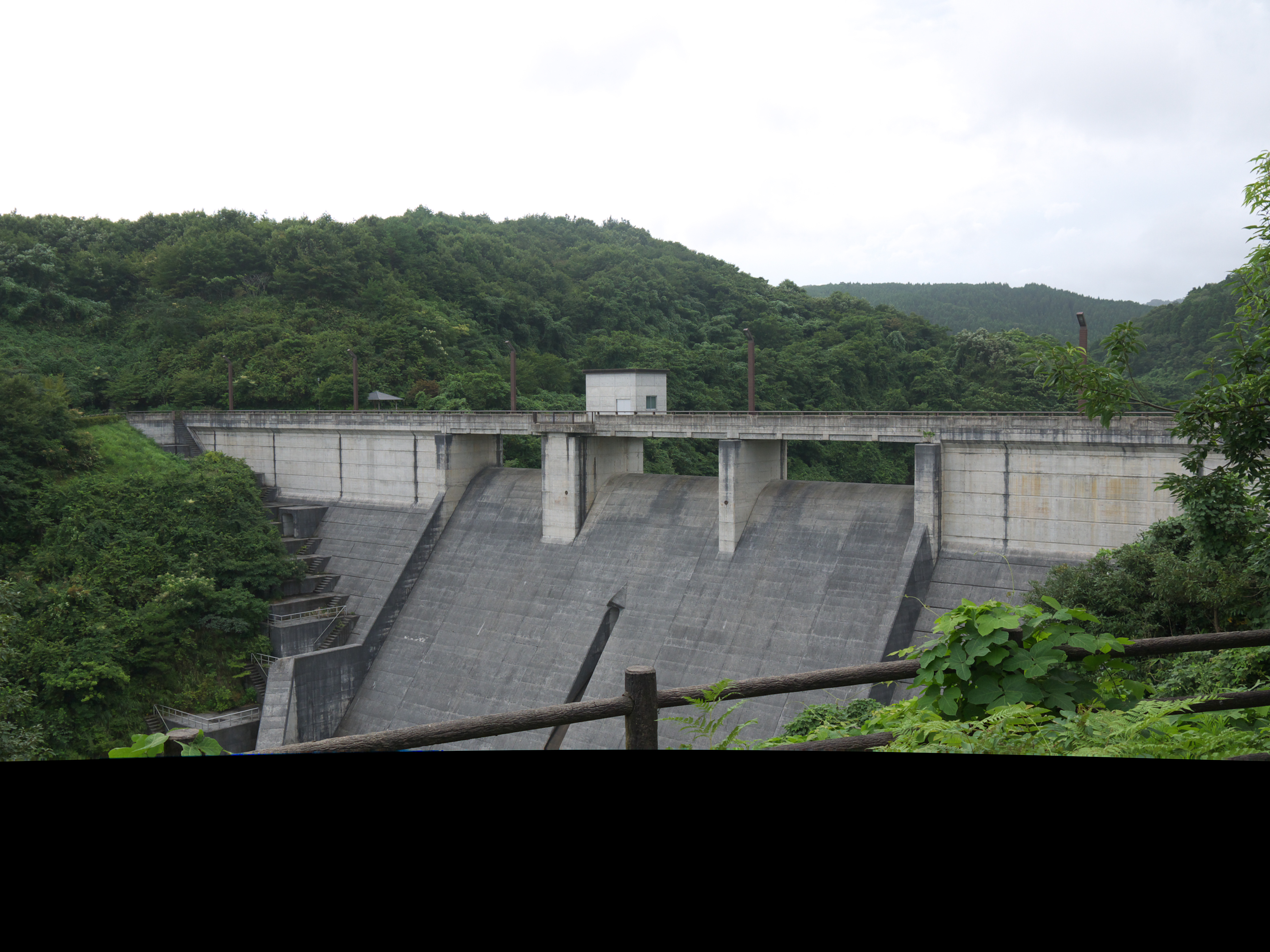
八ヶ川ダム (Yatsukagawa Dam) – A Hidden Gem in Nanao, Ishikawa
Explore the serene landscape, learn the dam’s story, and discover nearby wonders that make this spot a perfect day‑trip for nature lovers and cultural explorers alike.
1. Introduction
Tucked away in the coastal city of Nanao on the Noto Peninsula, 八ヶ川ダム (Yatsukagawa Dam) may not appear on the typical Japan travel itineraries, but it offers a tranquil escape that captures the essence of Ishikawa’s rugged beauty. With crystal‑clear waters reflecting towering forested hills, the dam is a photographer’s dream, a cyclist’s haven, and a quiet spot for contemplation away from the crowds of more famous landmarks. If you’re planning a road trip through the Hokuriku region or seeking a peaceful pit‑stop on your way to Noto’s historic villages, Yatsukagawa Dam should be high on your list.
2. About 八ヶ川ダム
A Brief Overview
- Location: Nanao, Ishikawa Prefecture, Japan
- Coordinates: 37.262359 N, 136.832045 E
- Type: Multipurpose dam (primary function: water supply and flood control)
While the exact height and altitude of the dam remain undocumented in public sources, its presence is unmistakable along the Yatsukawa River, where it creates a calm reservoir that blends seamlessly into the surrounding landscape.
History & Significance
Yatsukagawa Dam was constructed as part of Ishikawa’s post‑war infrastructure development, aiming to secure reliable water resources for the growing communities of Nanao and the surrounding agricultural zones. Over the decades, the dam has become a vital component of regional flood mitigation, especially during the heavy rains of the Japanese rainy season (June–July).
Beyond its utilitarian role, the dam has grown into a modest cultural landmark. Local residents often gather for seasonal festivals, and the reservoir’s shoreline is a popular spot for hanami (cherry‑blossom viewing) in early spring and koyo (autumn leaf‑color) in late October. The tranquil setting also serves as an outdoor classroom for school groups learning about water management and environmental stewardship.
For a deeper dive into the dam’s background, you can visit the Japanese Wikipedia page: 八ヶ川ダム (Wikipedia).
3. How to Get There
By Train & Bus
- Start at Nanao Station (JR Nanao Line).
- From the station, catch a local bus heading toward the Yatsukawa area. Bus routes are limited, so check the latest timetable at the Nanao Station information desk or online via the Ishikawa public‑transport portal.
- Get off at the Yatsukawa‑dam stop (approximately 15 minutes from the station). The dam is a short walk from the bus stop, with clear signage pointing toward the reservoir.
By Car
Renting a car offers the most flexibility, especially if you plan to explore nearby weirs and coastal towns.
- From Nanao City Center: Take Route 159 northward for about 8 km; turn left onto the local road marked “八ヶ川ダム入口” (Yatsukawa Dam entrance).
- Parking: A small free parking lot sits near the dam’s visitor area. Parking spaces fill up quickly during weekend holidays, so arrive early if possible.
By Bicycle
The Noto Peninsula is renowned for its scenic cycling routes. The dam lies on a relatively gentle 12 km stretch from Nanao’s downtown, making it an enjoyable ride for casual cyclists. Bring a lock for your bike, as the parking area provides bike racks.
4. Best Time to Visit
| Season | Highlights | Why Visit |
|---|---|---|
| Spring (Mar–May) | Cherry blossoms along the reservoir, mild temperatures | Ideal for photography and picnics; the water reflects pink blossoms beautifully. |
| Summer (Jun–Aug) | Lush greenery, occasional firefly displays at dusk | Perfect for early‑morning walks before the heat peaks; nearby weirs create cool micro‑climates. |
| Autumn (Sep–Nov) | Brilliant red‑orange foliage (koyo) on surrounding hills | The dam’s mirror‑like surface amplifies autumn colors, creating a postcard‑worthy scene. |
| Winter (Dec–Feb) | Snow‑capped hills, quiet atmosphere | A serene, less‑crowded experience; the reservoir often freezes at the edges, offering unique photo opportunities. |
Tip: The rainy season (June–July) can cause higher water levels and occasional temporary road closures. Check local weather forecasts before heading out.
5. What to Expect
Scenic Views
Approaching the dam, you’ll first notice the gentle curve of the reservoir against a backdrop of forested ridges. The water is typically a deep, tranquil blue, and on calm days, it acts like a giant natural mirror, reflecting the sky and surrounding trees.
Walking Paths
A short, well‑maintained walking trail circles the reservoir, offering several lookout points equipped with benches and informational placards about the dam’s construction and local ecology. The trail is mostly flat and suitable for families with children, seniors, and wheelchair users (though some sections may be uneven due to seasonal leaf fall).
Wildlife
The area is a haven for birdwatchers. Look out for Japanese white‑eye, kingfishers, and occasional cormorants skimming the water’s surface. In early spring, you might spot Japanese bush warblers singing from the treetops.
Picnic & Relaxation
Designated picnic spots line the western shore, complete with trash receptacles and shaded benches. Bring a bento box and enjoy a leisurely lunch while listening to the soft murmur of water flowing through the dam’s spillways.
Photo Opportunities
- Sunrise over the reservoir (east‑facing viewpoint)
- Autumn foliage reflections (late October)
- Nighttime illumination (the dam’s spillway is occasionally lit during local festivals)
6. Nearby Attractions
While Yatsukagawa Dam is a highlight on its own, the surrounding area offers several charming spots that can easily be combined into a half‑day itinerary.
| Attraction | Distance from Dam | Description |
|---|---|---|
| Weir A | 4.0 km | A small historic weir built during the Edo period; great for a short hike and learning about traditional water management. |
| Weir B | 5.1 km | Offers a scenic riverside trail with panoramic views of the Noto coastline. |
| Weir C | 6.0 km | Known for its vibrant autumn colors; ideal for photographers seeking a quieter spot. |
| Weir D | 6.7 km | Features a modest visitor center explaining the role of weirs in local agriculture. |
| Weir E | 6.7 km | A tranquil spot perfect for birdwatching; bring binoculars for the best experience. |
Note: While specific names are not widely published, these weirs are marked on local maps and can be located via GPS coordinates or by following signposts from the dam’s main parking area.
7. Travel Tips
- Check Opening Hours – The dam’s visitor area is generally open year‑round, but some facilities (e.g., the small information kiosk) close early in winter. Verify before you go.
- Bring Cash – There are no vending machines at the dam; local convenience stores in Nanao accept cash only.
- Dress in Layers – Weather can shift quickly, especially near the water. A light waterproof jacket is advisable.
- Respect the Environment – The reservoir supplies drinking water to nearby communities. Avoid swimming, and always dispose of trash in designated bins.
- Stay Connected – Mobile signal can be spotty near the dam. Download offline maps (Google Maps or MAPS.ME) for navigation.
- Photography Gear – A polarizing filter helps reduce glare on the water’s surface, while a tripod is useful for low‑light shots during sunrise or sunset.
- Local Cuisine – After your visit, head back to Nanao city for fresh seafood (especially Nanao crab and sashimi). The city’s market district offers affordable, high‑quality options.
Final Thought
八ヶ川ダム may not have the fame of Japan’s iconic bridges or towering skyscrapers, but its quiet charm, stunning natural backdrop, and proximity to lesser‑known cultural sites make it a rewarding destination for travelers seeking authentic Ishikawa experiences. Whether you’re a photography enthusiast, a family on a weekend outing, or a solo adventurer exploring the Noto Peninsula, the dam offers a peaceful retreat that captures the gentle rhythm of Japan’s countryside. Pack your camera, hop in the car, and let the serene waters of Yatsukagawa Dam refresh your travel spirit.
Keywords: 八ヶ川ダム, Yatsukagawa Dam, Ishikawa dam, Nanao travel, Noto Peninsula attractions, Japan dam tourism, seasonal travel Japan, hidden gems Ishikawa, dam sightseeing, Japanese weirs.
