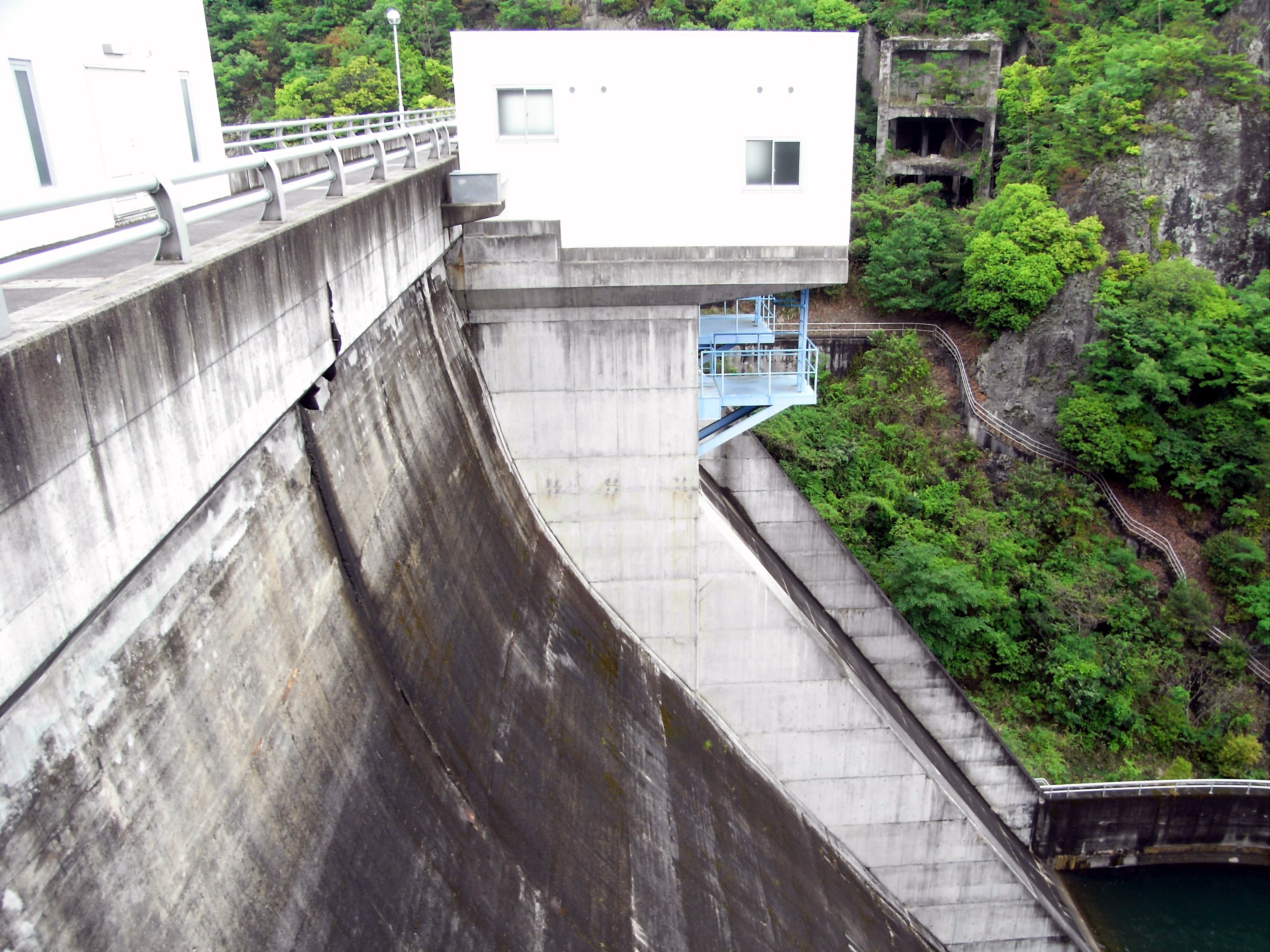
鴨川ダム (Kamo River Dam) – A Hidden Gem in Yashiro, Hyogo, Japan
Discover the tranquil beauty of 鴨川ダム, a modest 43.5‑meter dam perched in the lush countryside of Hyogo. Perfect for nature lovers, photography enthusiasts, and anyone seeking an off‑the‑beaten‑path Japanese experience.
1. Introduction
If you think Japan’s most famous sights are limited to neon‑lit skyscrapers, ancient temples, and snow‑capped mountains, think again. Nestled in the verdant hills of Yashiro, Hyogo Prefecture, 鴨川ダム (Kamo River Dam) offers a peaceful retreat where water, forest, and sky meet in perfect harmony. Whether you’re a local weekend explorer or an international traveler craving a slice of rural Japan, this dam is an underrated spot that promises stunning reflections, gentle breezes, and a glimpse into Japan’s sophisticated water‑management heritage.
2. About 鴨川ダム
A Brief Overview
- Name: 鴨川ダム (Kamo River Dam)
- Type: Dam 🏗️ (concrete gravity dam)
- Location: Yashiro, Hyogo, Japan
- Coordinates: 34.930008° N, 135.072288° E
- Height: 43.5 m
Built to regulate the flow of the Kamo River, the dam plays a vital role in local flood control, irrigation, and water supply. Though modest in size compared with Japan’s mega‑dams, its 43.5 m height creates a calm reservoir that mirrors the surrounding forested slopes, making it a natural photography studio.
Historical Significance
While specific construction dates are not widely publicized, 鴨川ダム reflects Japan’s post‑war commitment to modernizing rural infrastructure. The dam’s presence has helped stabilize agricultural production in the Yashiro area and contributed to the safety of downstream communities. Its quiet operation exemplifies the balance Japan strives for between technological advancement and environmental stewardship.
Why It Matters
- Ecological Balance: The reservoir supports local fish habitats and provides a watering point for wildlife.
- Community Resource: Farmers rely on the regulated water flow for rice paddies and vegetable fields.
- Scenic Value: The dam’s unobtrusive design blends seamlessly with the landscape, offering a serene backdrop for hikers and photographers.
For more technical details, you can visit the Japanese Wikipedia page: 鴨川ダム (Wikipedia).
3. How to Get There
By Car
The most convenient way to reach 鴨川ダム is by private car or rental vehicle. From Osaka or Kobe, follow these general steps:
- Head east on the Meishin Expressway (E1A) toward Himeji.
- Take the Exit for Hyogo‑Yashiro (the exact interchange name may vary; look for signs pointing to Yashiro).
- Follow Route 2 (国道2号) northward for roughly 15 km.
- Turn onto the local road that leads directly to the dam—signage for “鴨川ダム” appears near the reservoir’s parking area.
The drive takes about 1.5 hours from Osaka and 1 hour from Kobe, depending on traffic.
By Public Transport
If you prefer trains and buses:
- Take the JR Kobe Line (or the JR Tokaido Main Line) to Yashiro Station (八代駅).
- From Yashiro Station, catch a local Hyogo Bus bound for “Kamo River” or “Dam” (check the latest timetable at the station).
- The bus drops you off at the dam’s entrance after a short 15‑minute ride.
Tip: Buses run less frequently on weekends, so plan ahead and consider a taxi for the final leg if you’re on a tight schedule.
Parking & Accessibility
A modest parking lot sits at the dam’s base, offering space for cars, motorcycles, and bicycles. The site is wheelchair‑friendly, with gently graded paths leading to the viewing platform.
4. Best Time to Visit
| Season | Highlights | Why Visit |
|---|---|---|
| Spring (Mar‑May) | Cherry blossoms along the riverbanks; mild temperatures | Perfect for hanami (flower‑viewing) picnics and pastel photography |
| Summer (Jun‑Aug) | Lush green foliage; occasional mist over the water | Early mornings provide cool, photogenic fog; great for birdwatching |
| Autumn (Sep‑Nov) | Brilliant maple (momiji) colors reflecting on the reservoir | The dam’s surface becomes a mirror for fiery reds and oranges |
| Winter (Dec‑Feb) | Snow‑capped hills; crisp, clear skies | Low tourist traffic; ideal for serene winter landscapes |
Insider tip: The dam’s water level fluctuates with seasonal rainfall. Late autumn often offers the most dramatic contrast between the full reservoir and the surrounding hills.
5. What to Expect
Scenic Walks & Photo Ops
A short, well‑maintained trail circles the reservoir, providing multiple viewpoints:
- The Main Viewing Platform: Offers a panoramic vista of the dam wall, the river’s gentle cascade, and the forest beyond.
- The Riverside Path: Ideal for low‑angle shots of water ripples and reflections.
- The Picnic Spot: A shaded area with benches where you can enjoy a bento while listening to the soft murmur of the Kamo River.
Wildlife & Nature
Expect to see:
- Japanese bush warblers singing from the treetops.
- Dragonflies skimming the water surface during summer evenings.
- Sika deer occasionally grazing near the trail edges (keep a respectful distance).
Facilities
- Restrooms: Clean, gender‑neutral facilities near the parking lot.
- Information Board: Provides a brief overview of the dam’s purpose and local flora/fauna (available in Japanese and English).
- Souvenir Stand: Small kiosk selling locally produced snacks and a few dam‑themed keychains.
6. Nearby Attractions
While 鴨川ダム is the star of the day, the surrounding area boasts several other water‑related sites worth exploring:
| Attraction | Distance from 鴨川ダム | What to See |
|---|---|---|
| Unnamed Weir (堰) | 1.9 km | A traditional weir offering a glimpse into historic water management techniques. |
| 大川瀬ダム (Ōkawase Dam) | 4.4 km | Larger reservoir with walking trails and seasonal flower fields. |
| Unnamed Dam #1 | 5.3 km | Small cascade ideal for quiet contemplation. |
| Unnamed Dam #2 | 6.1 km | Features a modest fishing pier and picnic area. |
| Unnamed Dam #3 | 6.9 km | Offers a scenic overlook of the surrounding valleys. |
All of these sites are reachable by car or local bus routes. For detailed maps and up‑to‑date opening hours, check the Hyogo Prefecture tourism website.
7. Travel Tips
- Arrive Early: Parking fills up quickly on weekends, especially during cherry‑blossom season.
- Bring a Light Jacket: Even in summer, mornings near the water can be cool, and evenings get breezy.
- Pack a Picnic: While there’s a small kiosk, local convenience stores in Yashiro have fresh onigiri, sandwiches, and seasonal fruits.
- Respect the Environment: The dam area is a protected water source. Dispose of trash in designated bins and avoid feeding wildlife.
- Photography Gear: A wide‑angle lens captures the sweeping landscape; a polarizing filter helps reduce glare on the water’s surface.
- Check Weather Forecasts: Heavy rain can raise water levels dramatically; the viewing platform may temporarily close for safety.
- Cash is King: Some rural bus services and the souvenir stand accept cash only. Have a few hundred yen on hand.
Final Thought
鴨川ダム may not appear on every travel guide, but that’s exactly what makes it special. It offers a genuine slice of Hyogo’s countryside—a place where engineering meets nature, and where you can pause, breathe, and soak in the quiet rhythm of the Kamo River. Pack your camera, hop in the car, and let this hidden dam become a memorable chapter in your Japan adventure.
Happy travels!