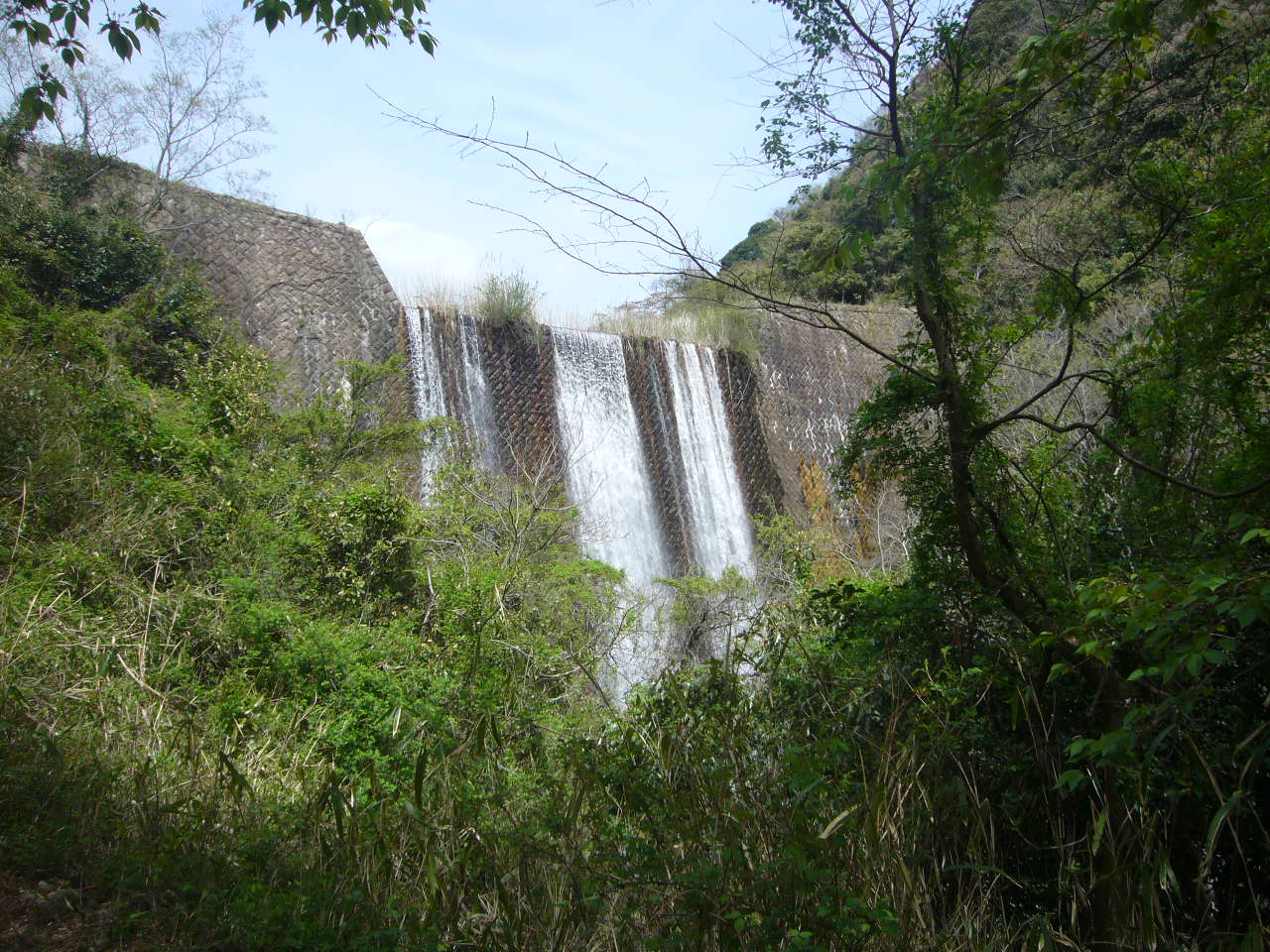
五助堰堤 (Gosuke Weir) – A Hidden Gem in Ashiya, Hyogo, Japan
Explore the serene waters, historic engineering, and the quiet charm of one of Hyōgo’s lesser‑known dams.
1. Introduction
If you’re planning a trip to the Kansai region and think you’ve seen every iconic sight—from Osaka’s neon streets to Kyoto’s golden temples—think again. Tucked away in the upscale city of Ashiya lies a modest yet captivating structure: 五助堰堤 (pronounced Gosuke Weir). At first glance it may look like any other concrete barrier, but this 30‑meter‑high dam holds a story of local ingenuity, flood control, and a surprisingly peaceful spot for nature lovers and photography enthusiasts alike.
Whether you’re a dam‑aficionado, a local‑culture explorer, or simply searching for a quiet place to unwind away from the tourist crowds, 五助堰堤 offers a unique slice of Hyōgo’s engineering heritage and a perfect backdrop for your travel blog, Instagram feed, or weekend adventure.
2. About 五助堰堤
Description & Technical Specs
- Name: 五助堰堤 (Gosuke Weir)
- Type: Dam / Weir (concrete gravity structure)
- Location: Ashiya, Hyōgo Prefecture, Japan
- Coordinates: 34.749516 N, 135.261441 E
- Height: 30 m
- Altitude: Not publicly listed (situated at river level in a gently rolling landscape)
Built to regulate water flow and protect downstream neighborhoods from seasonal flooding, the weir blends functional engineering with a low‑profile aesthetic that harmonizes with its surrounding greenery. The concrete surface, though utilitarian, has weathered decades of rain and sunshine, developing a subtle patina that adds character to the site.
Historical Context
While specific construction dates are scarce in English‑language sources, the Japanese Wikipedia entry for 五助堰堤 (see the link below) indicates that the structure has been an integral part of Ashiya’s water‑management system for many years. Its name, “五助,” is thought to honor a local benefactor or a historical figure associated with the early development of the region’s irrigation networks.
Significance
- Flood Control: The weir plays a crucial role in moderating river levels during the rainy season (June–July) and typhoon periods, safeguarding residential areas in Ashiya and neighboring municipalities.
- Ecological Balance: By maintaining a steady flow, it supports local aquatic habitats, providing a stable environment for fish and riverine plants.
- Cultural Value: Though not a major tourist attraction, 五助堰堤 is a point of pride for residents, symbolizing the community’s long‑standing relationship with its waterways.
For a concise overview, check the Japanese Wikipedia page: 五助堰堤 (Wikipedia).
3. How to Get There
By Train
- Start at Osaka or Kobe: Both cities are well‑connected to Ashiya via the JR Kobe Line (also known as the JR Tōkaidō Main Line).
- Alight at Ashiya Station (JR) – the journey from Osaka Station takes about 15 minutes, while from Kobe Station it’s roughly 10 minutes.
- Transfer to a local bus or taxi: From Ashiya Station, a short 5‑minute taxi ride (≈¥800) drops you off near the weir’s entrance.
By Car
- From Osaka: Take the Hanshin Expressway Route 3 toward Kobe, exit at the Ashiya‑Kōen interchange, then follow local signs to the riverbank.
- From Kobe: Use the Kobe‑Osaka Loop Road, exit at Ashiya‑Miyakojima, and head east on National Route 2. Parking is limited, so plan to arrive early or use a nearby public lot in the city center and walk the remaining 1 km.
By Bicycle
Ashiya is a bike‑friendly city with dedicated lanes along the river. Renting a city bike (available at several stations near Ashiya Station) lets you enjoy a leisurely 30‑minute ride to the weir, with scenic riverside views along the way.
4. Best Time to Visit
| Season | Highlights | Why Visit |
|---|---|---|
| Spring (Mar‑May) | Cherry blossoms along the riverbank, mild temperatures (15‑20 °C) | Perfect for photography and picnics |
| Early Summer (Jun) | Fresh water flow, lush green foliage | Ideal for watching the weir in action during low‑to‑moderate river levels |
| Autumn (Oct‑Nov) | Brilliant foliage (maple & ginkgo) reflecting on the water | Spectacular colors, cooler weather for walking |
| Winter (Dec‑Feb) | Quiet atmosphere, occasional light snow on the dam’s silhouette | Peaceful, less crowded, great for sunrise shots |
Tip: Avoid the peak of the rainy season (late June to early July) if you prefer calm waters, but a quick visit during a light rain can give you a dramatic, mist‑filled backdrop.
5. What to Expect
Visual Experience
Approaching the weir, you’ll first notice the clean, geometric lines of the concrete barrier set against a backdrop of gently rolling hills. The river glides smoothly beneath the structure, creating a mirror‑like surface that reflects the sky, trees, and occasionally, passing clouds.
During sunrise, the water takes on a golden hue, while sunset paints the dam in soft pinks and purples—an Instagram‑worthy moment for any traveler. In winter, a thin veil of frost may lace the concrete, adding a subtle, ethereal quality.
Activities
- Leisure Walks: A paved path runs parallel to the river, offering a safe, stroller‑friendly route for families.
- Photography: Capture long‑exposure shots of water flowing over the weir, or frame the dam with seasonal foliage.
- Birdwatching: The river attracts migratory birds such as kingfishers and herons, especially in early spring.
- Picnic Spots: Small grassy areas near the riverbank provide perfect spots for a packed lunch, especially during cherry‑blossom season.
Facilities
- Restrooms: Limited public toilets are available near the main parking area.
- Information Board: A Japanese‑language plaque explains the weir’s purpose and basic engineering facts. (English translations are not currently provided.)
- Accessibility: The pathway is flat and wheelchair‑friendly, though the weir itself is fenced for safety.
6. Nearby Attractions
While 五助堰堤 may be the star of your itinerary, the surrounding area offers several other water‑related sites that are worth a quick detour—all within a 0.3 km radius:
| Attraction | Distance | Type | Quick Note |
|---|---|---|---|
| Unnamed Dam A | 0.1 km | Dam | Small concrete structure, ideal for a quick photo stop. |
| Unnamed Dam B | 0.2 km | Dam | Slightly higher elevation, offers a different angle of the river. |
| Unnamed Dam C | 0.2 km | Dam | Features a modest viewing platform. |
| Unnamed Dam D | 0.2 km | Dam | Popular with local joggers; quiet early mornings. |
| Unnamed Weir | 0.3 km | Weir | Provides a contrast in design to 五助堰堤. |
(Because these nearby structures lack English‑language webpages, we recommend using a map app (Google Maps or Apple Maps) and searching “dam near 五助堰堤” to locate them on the ground.)
Other Ashiya Highlights (a short ride away)
- Ashiya Kaikan Cultural Center: Modern architecture, occasional exhibitions on local history.
- Koshien Stadium: If you’re a baseball fan, catch a game of the Hanshin Tigers (30 min by train).
- Rokko Mountains: Scenic hiking trails and panoramic views of Osaka Bay—perfect for a day trip.
7. Travel Tips
- Language: Signage at the weir is primarily in Japanese. Having a translation app or a few basic phrases (e.g., “トイレはどこですか?” – “Where is the restroom?”) can be handy.
- Timing: Arrive early (7‑8 am) on weekends to avoid the few locals who come for morning walks. The lighting is also softer for photography.
- Weather Prep: The river can be breezy; bring a light jacket even in summer evenings.
- Respect the Site: The weir is a functional piece of infrastructure. Stay behind safety railings and avoid climbing on the concrete.
- Cash is King: Small vending machines and nearby convenience stores accept cash only. Keep ¥1,000–¥2,000 on hand.
- Connectivity: Free Wi‑Fi is not available at the site. Download maps offline before you go.
- Eco‑Friendly Travel: Use a reusable water bottle and carry a small trash bag to leave the area as pristine as you found it.
Wrap‑Up
五助堰堤 may not have the fame of Japan’s massive hydro‑power dams, but its quiet charm, easy accessibility, and beautiful riverside setting make it a perfect micro‑adventure for travelers seeking an off‑the‑beaten‑path experience in Hyōgo. Combine a visit with a stroll through Ashiya’s elegant streets, a quick coffee at a local café, and you’ll have a well‑rounded day that captures the subtle elegance of Japan’s lesser‑known engineering marvels.
So pack your camera, hop on the JR line, and let the gentle flow of the river guide you to a hidden slice of Japanese serenity. Happy travels!