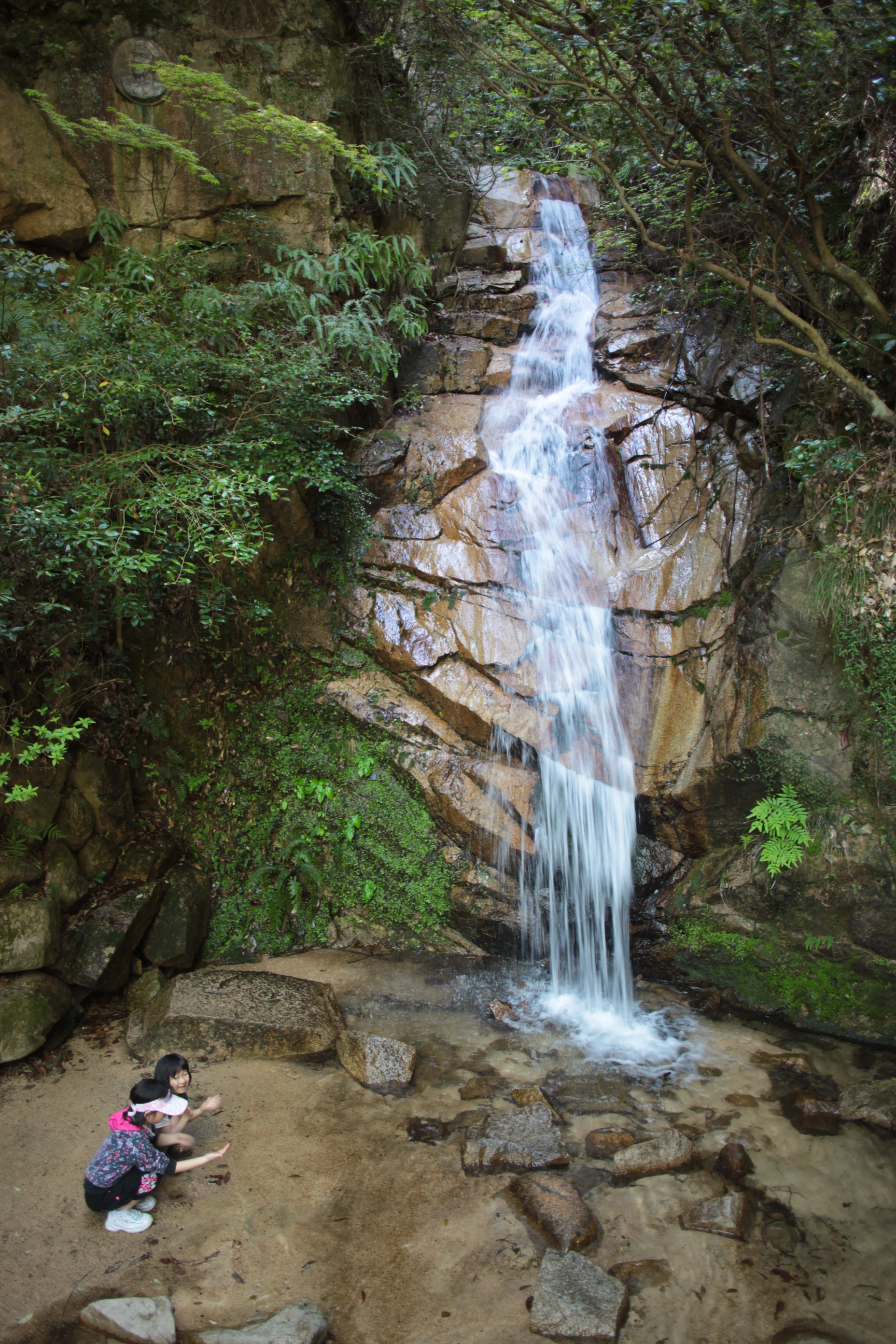
高座の滝 (Takaza no Taki) – A Hidden Waterfall Gem in Ashiya, Hyogo
Discover the tranquil charm of 高座の滝, a lesser‑known waterfall tucked away in the suburbs of Ashiya, Hyogo. Whether you’re a local day‑tripper or an international traveler seeking off‑the‑beaten‑path nature spots in Japan, this guide gives you everything you need to plan an unforgettable visit.
Introduction
Imagine stepping off the urban rhythm of Osaka and Kobe into a quiet forest where the sound of water cascading over moss‑covered rocks greets you. That’s the experience awaiting you at 高座の滝 (Takaza no Taki), a modest yet mesmerizing waterfall perched in the gentle hills of Ashiya, Hyogo. While it doesn’t boast towering heights or dramatic plunge pools, its serene setting, easy accessibility, and proximity to other scenic sites make it a perfect micro‑adventure for families, photographers, and nature lovers alike.
If you’ve been searching for “waterfalls in Hyogo,” “Ashiya nature spots,” or “hidden gems near Kobe,” you’ve just found one of the region’s best‑kept secrets. Let’s dive into what makes 高座の滝 special and how you can make the most of your visit.
About 高座の滝
Description & Setting
高座の滝 is a small, free‑flowing waterfall located at 34.745784 N, 135.288741 E. Nestled within a shaded forest trail, the water gently tumbles over a series of rocky ledges, creating a soothing white‑noise backdrop that instantly calms the mind. The surrounding vegetation—Japanese maple, evergreen camellias, and delicate ferns—changes color throughout the year, offering a fresh visual palette each season.
History & Cultural Significance
Although detailed historical records are scarce, the waterfall has long been a local landmark referenced in regional guides and community stories. Its name, “高座” (Takaza), translates roughly to “high seat,” hinting at the elevated position of the water’s source relative to the surrounding terrain. Over the decades, residents have used the area for modest picnics, seasonal leaf‑viewing (紅葉), and as a quiet spot for contemplation.
Because the site is not heavily commercialized, it retains a sense of authenticity that many larger tourist attractions lack. This low‑impact usage aligns with Japan’s broader cultural emphasis on preserving natural spaces for communal enjoyment.
Why It Matters
- Eco‑friendly tourism – Minimal infrastructure means lower environmental footprints.
- Local charm – Visiting 高座の滝 supports the surrounding community, which benefits from modest tourism.
- Photography haven – The interplay of water, light, and foliage offers excellent opportunities for both beginners and seasoned photographers.
For a quick reference, you can read the Japanese Wikipedia entry here: 高座の滝 (Wikipedia).
How to Get There
By Train & Bus
- Start from Osaka or Kobe – Take the JR Kobe Line to Ashiya Station (JR Kobe Line). The ride from Osaka takes ~20 minutes; from Kobe, ~10 minutes.
- Bus transfer – From Ashiya Station’s south exit, board the Hyogo City Bus bound for “高座の滝入口” (Takaza no Taki Entrance). The bus ride is roughly 10 minutes.
- Walk to the trailhead – The bus stop is a short 5‑minute walk to the designated parking area and trailhead sign.
By Car
- From Osaka: Follow the Hanshin Expressway Route 3 to the Ashiya‑Kita Interchange, then take local roads (国道2号) toward the “高座の滝” sign.
- Parking – A small free lot is available near the trailhead; it fills quickly on weekends, so early arrival (before 9 am) is recommended.
By Bicycle
Ashiya is a bike‑friendly city with dedicated lanes. Renting a city bike and riding along the riverfront path offers a scenic, low‑cost approach. The ride from Ashiya Station to the waterfall takes about 20 minutes.
Best Time to Visit
| Season | Highlights | Visitor Tips |
|---|---|---|
| Spring (Mar‑May) | Fresh green foliage, occasional cherry blossoms along the river. | Wear light layers; the trail can be damp from meltwater. |
| Summer (Jun‑Aug) | Lush canopy provides natural shade; waterfalls are at their fullest after the rainy season. | Bring a hat and plenty of water; early morning avoids the heat. |
| Autumn (Sep‑Nov) | Vibrant maple (紅葉) colors turn the forest into a fiery backdrop. | This is the most photographed period—arrive early for the best light. |
| Winter (Dec‑Feb) | Quiet, misty atmosphere; occasional light snow adds a magical feel. | Trail may be slippery; wear sturdy shoes with good traction. |
Overall, late autumn (mid‑October to early November) is often considered the peak season for visual appeal, while early summer offers the most robust water flow.
What to Expect
The Trail Experience
- Length & Difficulty – The path from the parking lot to the waterfall is about 800 meters (≈ 0.5 mile) and is classified as easy. The trail is well‑maintained, with occasional wooden steps and handrails near steeper sections.
- Sensory Highlights – As you approach, the gentle roar of water grows louder, mingling with bird calls. The air feels cooler, and the scent of damp earth and pine needles adds to the immersion.
- Viewing Points – A modest wooden viewing platform sits just downstream of the cascade, offering a clear, unobstructed view of the water’s descent. For a different perspective, a short side trail leads to a higher rock ledge where you can see the waterfall from above.
Facilities
- Restrooms – A basic public toilet is located near the parking area.
- Picnic Area – A few benches and a small open space allow for a quick snack break.
- No Admission Fee – Access to the waterfall is free of charge.
Photography Tips
- Golden Hour – Aim for sunrise (early June) or late afternoon (October) when the sun filters through the canopy, creating soft, warm tones.
- Long Exposure – Use a tripod and a neutral density filter to capture silky water effects.
- Safety – Stay on marked paths; the rocks near the water can be slippery, especially after rain.
Nearby Attractions
While 高座の滝 is the star of the day, the surrounding area offers several complementary sites worth exploring:
| Attraction | Distance | Type | Quick Link |
|---|---|---|---|
| Unnamed Dam | 0.5 km | Dam | Dam Info (Google Maps) |
| 八幡滝 (Yawata Waterfall) | 1.7 km | Waterfall | 八幡滝 (Wikipedia) |
| Unnamed Weir | 1.9 km | Weir | Weir Details (Google Maps) |
| Second Unnamed Dam | 1.9 km | Dam | Dam Details (Google Maps) |
| 黒五谷第二堰堤 (Kurogo Second Weir) | 1.9 km | Dam | 黒五谷第二堰堤 (Wikipedia) |
These spots are all within a short walking or cycling radius, making them ideal for a relaxed half‑day itinerary. The nearby 八幡滝 offers a slightly larger cascade, providing a nice contrast to the intimate feel of 高座の滝.
Travel Tips
- Timing is Everything – Arrive before 9 am on weekends to secure parking and enjoy a quieter atmosphere.
- Dress Appropriately – Even in summer, the forest can be cool near the water. Layered clothing and waterproof shoes are advisable.
- Respect the Environment – Carry a small bag for any trash; there are no waste bins along the trail. Stick to marked paths to protect the delicate moss and vegetation.
- Stay Connected – Mobile reception can be spotty inside the forest. Download offline maps (e.g., Google Maps offline area) before you set out.
- Bring Snacks & Water – While there are no food vendors on-site, a packed bento or onigiri makes for a pleasant picnic near the waterfall.
- Check Weather Forecasts – Heavy rain can increase water flow dramatically, making some sections slippery. If a typhoon is forecasted, consider rescheduling.
- Cultural Etiquette – If you encounter locals or fellow hikers, a polite nod or “こんにちは” (konnichiwa) is appreciated.
Wrap‑Up
高座の滝 may not dominate travel guide headlines, but its understated beauty, easy accessibility, and proximity to other natural attractions make it a standout destination for anyone exploring Hyogo’s outdoor treasures. Whether you’re chasing the perfect autumn leaf shot, seeking a peaceful spot for meditation, or simply adding a refreshing waterfall stop to your Ashiya itinerary, Takaza no Taki delivers a memorable experience without the crowds.
Pack your camera, slip on those sturdy shoes, and let the gentle cascade of 高座の滝 refresh both body and spirit. Happy travels!