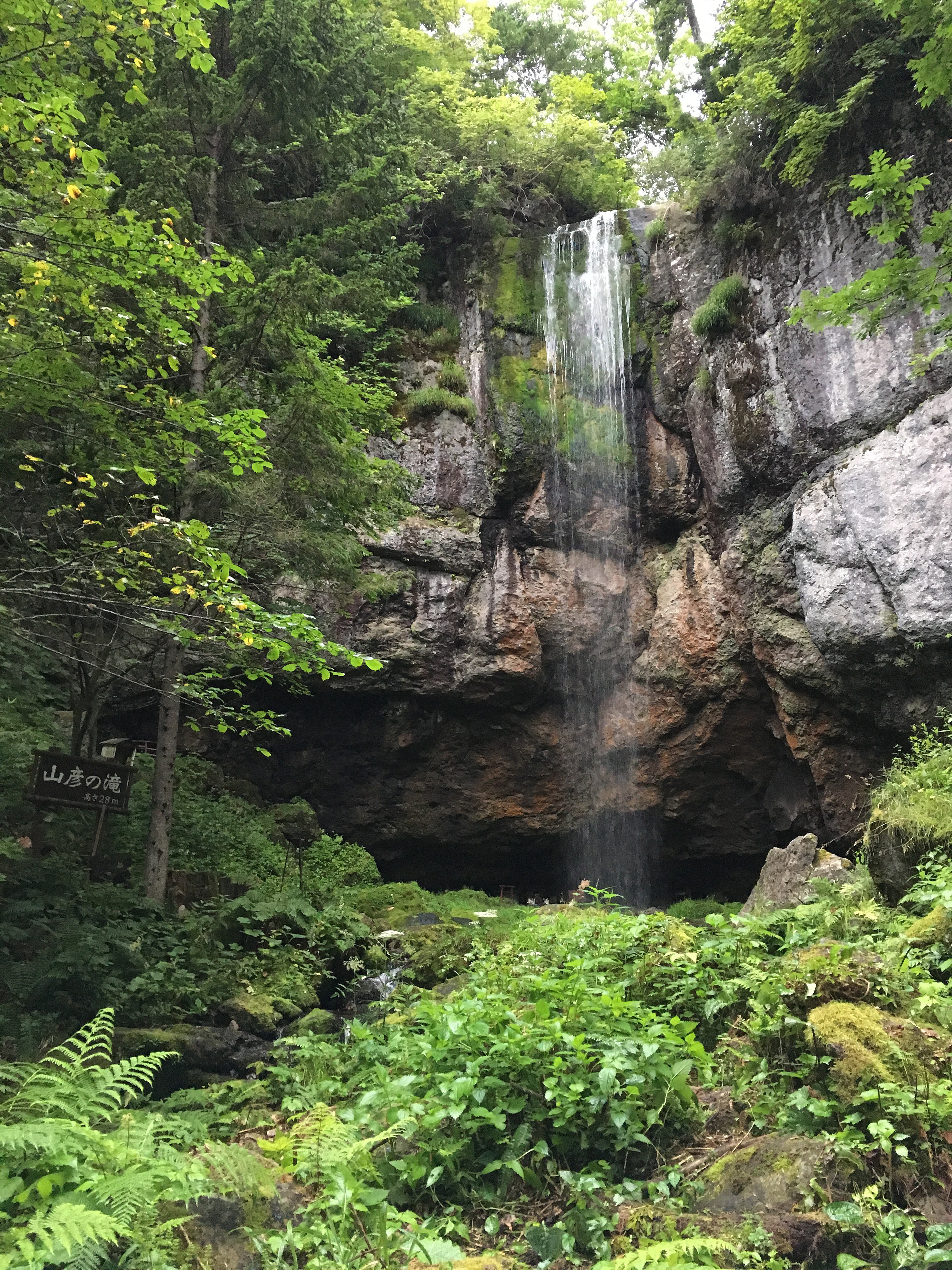
山彦の滝 (Yamabiko no Taki) – A Hidden Waterfall Gem in Mombetsu, Hokkaido
Discover the serene beauty of 山彦の滝, a secluded waterfall tucked away in the northern wilderness of Japan. Whether you’re a seasoned hiker, a photography enthusiast, or simply craving a peaceful escape, this Hokkaido waterfall offers an unforgettable experience.
1. Introduction
Imagine stepping off the beaten path into a quiet forest where the only sound is the gentle roar of water cascading over moss‑covered rocks. That’s the magic of 山彦の滝 (Yamabiko no Taki), a modest yet captivating waterfall located in the coastal town of Mombetsu, Hokkaido. While it doesn’t boast towering heights, its charm lies in the tranquil atmosphere, pristine surroundings, and the sense of discovery that comes with finding a hidden natural treasure.
Travelers searching for “waterfall Hokkaido,” “Mombetsu attractions,” or “off‑the‑grid waterfalls in Japan” will quickly learn that Yamabiko no Taki is a must‑visit spot that blends natural beauty with the rugged spirit of Hokkaido’s countryside.
2. About 山彦の滝
Description
Yamabiko no Taki (山彦の滝) translates roughly to “Echo Waterfall,” a name that hints at the soft reverberations heard when the water strikes the pool below. The waterfall is situated at coordinates 43.882637, 143.303387, nestled among dense evergreen forests and gentle hills. Although the exact height and altitude are not documented, the waterfall’s modest drop creates a delicate veil of water that glistens in the sunlight, especially during the warmer months.
History & Significance
The waterfall is part of the local folklore of Mombetsu and the surrounding Shiretoko‑Tokachi region. Historically, the area served as a seasonal hunting and gathering ground for the Ainu people, who revered natural sites such as waterfalls, rivers, and mountains as spiritual places. While there is no official monument or shrine at the site, the name “Yamabiko” evokes the echoing call of the mountains—an auditory reminder of the land’s ancient presence.
For modern visitors, the waterfall represents a quiet escape from the bustling city life of Sapporo or the tourist crowds at Shiretoko National Park. Its relative obscurity makes it a perfect spot for those seeking solitude, meditation, or simply a place to pause and listen to nature’s whisper.
3. How to Get There
From Mombetsu Station
- Start at Mombetsu Station (JR Hokkaido Nemuro Main Line).
- Rent a car or join a local taxi service—public buses do not stop directly at the waterfall.
- Drive north on Route 236 for about 7 km, following signs for the Yamabiko no Taki Parking Lot (山彦の滝駐車場).
- Park at the designated lot (approximately 0.2 km from the waterfall).
Walking Directions
- From the parking lot, a short 15‑minute walk along a well‑marked forest trail leads you directly to the waterfall’s base.
- The path is mostly flat, with occasional wooden boardwalk sections to protect the delicate moss and avoid slippery rocks.
GPS Navigation
Enter the coordinates 43.882637, 143.303387 into your navigation app for the most accurate location.
Public Transportation (Alternative)
If you prefer not to drive, you can take a local bus from Mombetsu Bus Terminal to the “Yamabiko no Taki” stop (check the latest schedule on the Hokkaido Bus website). From the bus stop, it’s a brief walk to the parking area.
4. Best Time to Visit
| Season | Highlights | Tips |
|---|---|---|
| Spring (April‑May) | Snow melt creates a higher flow; cherry blossoms may appear along the trail. | Wear waterproof shoes; bring a light rain jacket. |
| Summer (June‑August) | Lush greenery, comfortable temperatures (15‑25 °C). Ideal for photography with vivid colors. | Arrive early to avoid occasional weekend hikers. |
| Autumn (September‑October) | Brilliant foliage—maple and birch turn amber and red, framing the waterfall. | Bring a tripod for low‑light shots; daylight fades quickly. |
| Winter (November‑March) | The waterfall partially freezes, creating icy sculptures; quiet, snow‑covered forest. | Check road conditions; some sections may be icy—use crampons if needed. |
Overall, late summer to early autumn offers the most reliable weather and the most striking visual contrast between water and foliage, making it the peak season for most travelers.
5. What to Expect
When you arrive at Yamabiko no Taki, the first thing you’ll notice is the gentle hush that envelops the forest. The waterfall itself forms a modest curtain of water that tumbles over smooth granite, creating a clear, cool pool at its base. Sunlight filters through the canopy, producing sparkling reflections that dance across the water’s surface.
- Soundscape: The soft rush of water combined with occasional bird calls creates a calming ambiance—perfect for meditation or a quiet picnic.
- Photography: The site offers several natural frames: a moss‑covered rock ledge, a fallen log serving as a viewpoint, and the surrounding forest that adds depth to long‑exposure shots.
- Wildlife: Keep an eye out for local fauna—Hokkaido’s resident Eurasian red squirrels, Japanese martens, and occasional birds of prey soaring overhead.
- Accessibility: The trail is suitable for most fitness levels, though it can become slippery after rain. No wheelchair access is currently available.
6. Nearby Attractions
While Yamabiko no Taki is the star of the day, the surrounding area boasts several other natural wonders worth exploring:
- Yamabiko no Taki Parking Lot – The convenient parking area just 0.2 km away, offering restrooms and a small information board.
- 鹿鳴の滝 (Shikanari no Taki) – A neighboring waterfall only 0.5 km away, known for its slightly larger cascade and a picturesque stone bridge.
- [Dam] (Unnamed) – Approximately 7 km from Yamabiko no Taki, this dam creates a serene reservoir ideal for kayaking and sunset views.
- 白滝 (Shirataki) – A beautiful white‑water cascade located 7 km away; the name means “white waterfall” and it lives up to its reputation with a frothy, misty plunge.
- Birthplace of Shirataki – Situated 7.1 km from the main waterfall, this site marks the origin of the Shirataki River and offers scenic walking trails along the riverbank.
For more detailed information on each spot, you can search the names directly or visit the local tourism website of Mombetsu.
7. Travel Tips
| Tip | Details |
|---|---|
| Bring cash | Rural Hokkaido often has limited credit‑card facilities, especially at small parking lots or local eateries. |
| Pack a picnic | There are no cafés near the waterfall; a bento box and a thermos of hot tea make for a perfect lunch amidst nature. |
| Dress in layers | Weather can change quickly, especially near the coast; a lightweight fleece and waterproof outer layer are ideal. |
| Respect the environment | Stay on marked trails, avoid stepping on delicate moss, and carry out all trash. |
| Check road conditions | During winter, snow and ice can make the access road hazardous; consult the Hokkaido Road Information Center before heading out. |
| Timing | Arrive early (before 10 am) to enjoy the waterfall in soft morning light and avoid any crowds that may gather on weekends. |
| Photography gear | A wide‑angle lens (16‑35 mm) captures the surrounding forest, while a telephoto (70‑200 mm) isolates the water flow. A neutral density filter can help create silky‑smooth water effects during bright daylight. |
| Local etiquette | If you encounter local hikers, a friendly “こんにちは” (konnichiwa) goes a long way. Hokkaido residents are proud of their natural sites and appreciate respectful visitors. |
Final Thoughts
Yamabiko no Taki may not be the tallest waterfall in Japan, but its quiet charm, accessible location, and surrounding natural beauty make it a standout destination for anyone traveling through Hokkaido. Whether you’re chasing the perfect waterfall photo, seeking a peaceful spot to unwind, or simply want to explore a lesser‑known gem of Mombetsu, 山彦の滝 welcomes you with open arms and the soothing echo of falling water.
Plan your trip, pack your sense of adventure, and let the echo of Yamabiko guide you to a memorable Hokkaido experience.
For more information, see the Japanese Wikipedia entry: https://ja.wikipedia.org/wiki/%E5%B1%B1%E5%BD%A6%E3%81%AE%E6%BB%9D

