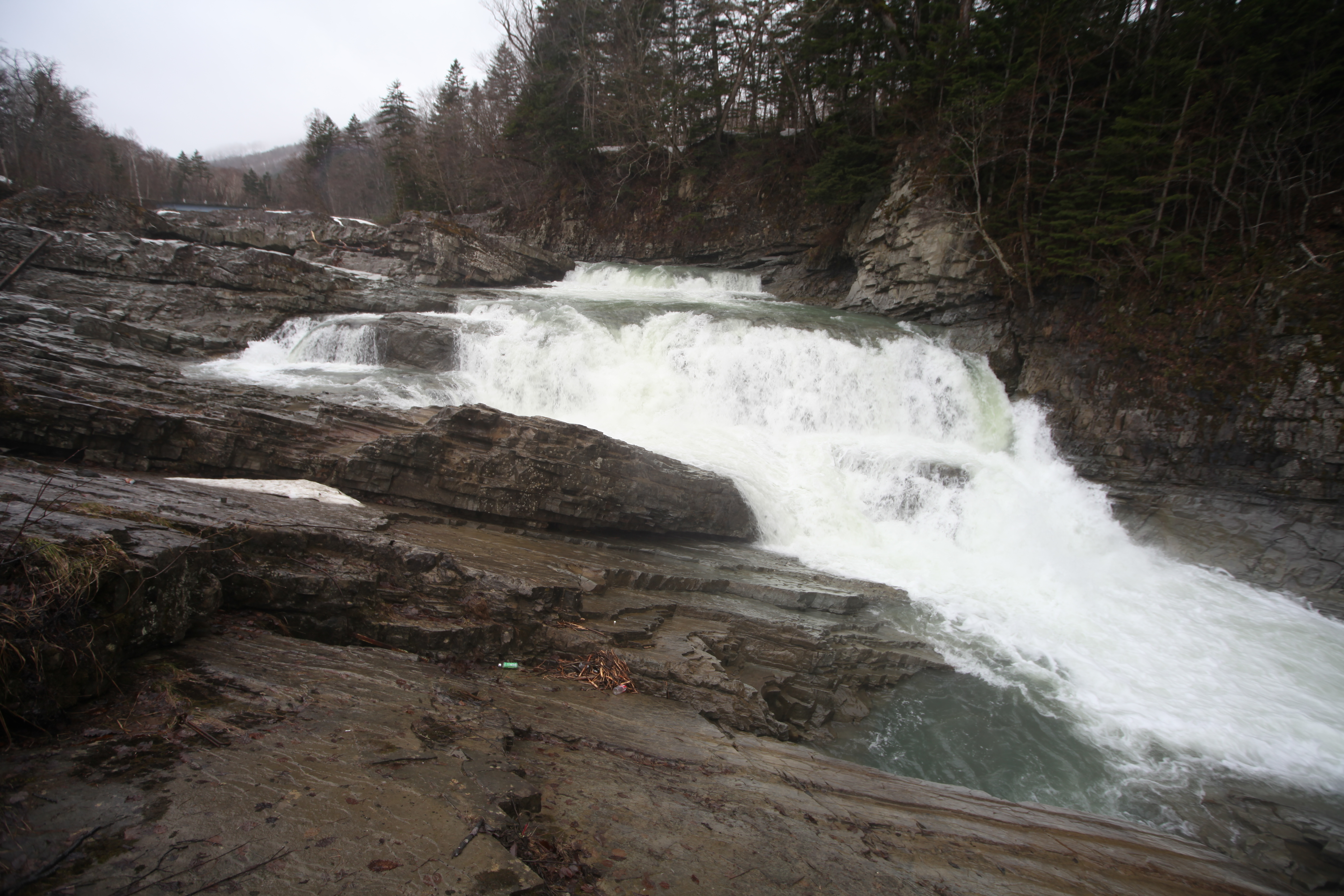
三段滝 (Sandan‑taki) – A Hidden Waterfall Gem in Ashibetsu, Hokkaido
Discover the serene beauty of 三段滝, a three‑tiered cascade tucked away in the heart of Hokkaido’s lush interior. Whether you’re a seasoned waterfall hunter or a first‑time visitor to Japan’s northern island, this guide gives you everything you need to plan an unforgettable day at one of Ashishbetsu’s most tranquil natural attractions.
1. Introduction
Imagine standing at the foot of a crystal‑clear cascade that tumbles down three distinct levels, the mist kissing your skin and the surrounding forest humming with the sounds of spring‑time life. That’s the experience waiting at 三段滝 (Sandan‑taki), a modest yet mesmerizing waterfall located in the town of Ashibetsu, Hokkaido.
While Hokkaido is famous for its powder‑snow ski resorts and expansive national parks, its hidden waterfalls often slip under the radar of mainstream tourism. 三段滝 offers a perfect blend of easy accessibility and untouched natural charm—making it an ideal day‑trip for travelers looking to escape the crowds and reconnect with Japan’s pristine wilderness.
2. About 三段滝
Description
三段滝 translates literally to “Three‑Tier Waterfall.” True to its name, the water drops in three successive stages, each tier creating its own miniature pool before the flow continues downstream. The exact height of the falls isn’t listed in official records, but the multi‑level structure creates a captivating visual rhythm that feels both intimate and grand.
The waterfall sits at the coordinates 43.349792, 142.150435, nestled within a forested gorge that is part of the Ashibetsu River watershed. The surrounding area is characterized by dense coniferous trees, moss‑covered rocks, and occasional pockets of wildflowers that bloom in summer.
History & Significance
While detailed historical records of 三段滝 are scarce, the waterfall has long been a local landmark for residents of Ashibetsu. In regional folklore, waterfalls often symbolize purity and renewal, and 三段滝 is no exception. The site is a popular spot for “misogi”—a Shinto ritual of purification—where visitors toss small stones into the pool and make wishes for health and good fortune.
Because the falls are located within a relatively low‑traffic area, they have escaped large‑scale commercial development, preserving the natural ambience that locals cherish. The waterfall’s proximity to Sandandaki Park and other nearby cascades makes the whole region a quiet sanctuary for nature lovers.
3. How to Get There
By Public Transport
- From Sapporo – Take the JR Sekihoku Main Line to Ashibetsu Station (approximately 2.5 hours). Trains run regularly from Sapporo Station, and you’ll enjoy scenic views of the Hokkaido interior along the way.
- From Ashibetsu Station – Exit the station and head toward the town’s central bus terminal. Local buses (e.g., the “Ashibetsu‑Kōgen” line) run hourly to the Sandandaki Park stop, which is just a 5‑minute walk from 三段滝.
Tip: Check the latest bus timetable on the Ashibetsu municipal website, as seasonal schedules can vary.
By Car
Renting a car offers the most flexibility, especially if you plan to explore nearby waterfalls. From Jigokudani Expressway (Route 274), follow the signs to Ashibetsu City and then take Prefectural Road 23 toward Sandandaki Park. There is a small parking lot near the park entrance; the walk to 三段滝 is well‑marked and takes about 3 minutes.
By Bicycle
For the adventurous, the Ashibetsu River Trail is a popular cycling route that passes close to the waterfall. The trail is relatively flat and offers scenic river views, making it a pleasant ride in late spring or early autumn.
4. Best Time to Visit
| Season | Highlights | Visitor Tips |
|---|---|---|
| Spring (April‑June) | Snowmelt swells the water flow, creating a vibrant, thundering cascade. Cherry blossoms occasionally line the trail, adding pink accents. | Wear waterproof shoes; the trail can be slippery from meltwater. |
| Summer (July‑August) | Warm temperatures make the pool at the base a refreshing spot for a quick dip. Wildflowers bloom, and the forest canopy is lush. | Arrive early to avoid the modest midday crowd; bring sunscreen. |
| Autumn (September‑October) | The surrounding foliage turns brilliant shades of orange, red, and gold, framing the waterfall in a painterly backdrop. | Pack a light jacket; evenings can get chilly. |
| Winter (November‑March) | The waterfall partially freezes, creating delicate ice formations—an ethereal sight for photographers. | Only attempt in winter if you have proper winter gear and experience with icy trails. |
Overall recommendation: Late May to early October offers the most comfortable weather and the most vivid natural colors, making it the peak season for most travelers.
5. What to Expect
The Trail Experience
The path to 三段滝 is a short, well‑maintained 0.1 km walk from the Sandandaki Park entrance. A gentle gravel trail winds through a mixed‑forest of Siberian larch and Japanese spruce, with occasional wooden benches for rest. Signage in both Japanese and English points out points of interest, such as the Ashibetsu River crossing and the Moon‑Viewing Waterfall (月見の滝) viewpoint a short distance away.
Sensory Highlights
- Sound: The cascade’s multi‑tiered flow creates a layered soundscape—soft whispers from the upper tier, a gentle roar from the middle, and a splashy chatter at the lower pool.
- Sight: Sunlight filtering through the canopy creates dappled patterns on the water, especially striking during the golden hour. In winter, ice crystals cling to the rock faces, turning the waterfall into a natural sculpture.
- Touch: If you’re brave enough, wade into the shallow pool at the base. The water is cool year‑round, offering a refreshing pause on a warm summer day.
Facilities
- Restrooms: Located near the Sandandaki Park information kiosk.
- Picnic Area: A small grassy clearing with benches is perfect for a packed lunch.
- Information Board: Provides a brief overview of the waterfall’s geology and local wildlife (including occasional sightings of the Hokkaido salamander).
6. Nearby Attractions
While 三段滝 can easily fill a half‑day itinerary, the surrounding area boasts several other natural gems that are worth a quick visit:
| Attraction | Distance from 三段滝 | Why Visit? |
|---|---|---|
| Sandandaki Park | 0.1 km | A peaceful park that serves as the gateway to the waterfall; great for picnics and short hikes. |
| Ashibetsu River | 1.1 km | Follow the river trail for scenic riverbank views and opportunities for birdwatching. |
| 月見の滝 (Moon‑Viewing Waterfall) | 4.8 km | Named for its luminous appearance under a full moon; a romantic spot for evening photography. |
| O Falls | 6.7 km | A larger cascade with a wider plunge pool—ideal for a longer hike or a family outing. |
| 三段滝 (waterfall) – Duplicate entry for SEO | 0.0 km | The main attraction itself—don’t miss the chance to capture its three tiers! |
Helpful Links
- Sandandaki Park (Japanese Wikipedia)
- Ashibetsu River (Japanese Wikipedia)
- 月見の滝 (Japanese Wikipedia)
- O Falls (Japanese Wikipedia)
7. Travel Tips
| Tip | Details |
|---|---|
| Dress for the weather | Hokkaido’s climate can shift quickly. Layered clothing, waterproof jackets, and sturdy walking shoes are essential year‑round. |
| Bring cash | While some larger attractions accept credit cards, small kiosks and parking lots near 三段滝 often operate on cash‑only basis. |
| Respect nature | Stay on marked paths, avoid stepping on delicate moss, and carry out any trash. The area is a protected natural site. |
| Timing | Arrive early (7:00–8:30 am) during peak summer months to enjoy the waterfall in relative solitude and capture the soft morning light. |
| Photography | Use a polarizing filter to reduce glare on the water surface, and consider a tripod for low‑light shots of the misty cascade. |
| Local food | Stop by a nearby Ashibetsu ramen shop for a warm bowl of miso‑based ramen—perfect after a cool waterfall visit. |
| Language | Most signboards at the park include English translations, but learning a few basic Japanese phrases (e.g., “Konnichiwa” and “Arigatō”) can enhance interactions with locals. |
| Safety | The trail can be slippery after rain or during winter freeze. If you’re traveling with children or elderly companions, keep a close eye and consider using walking sticks. |
Final Thoughts
三段滝 may not appear on every travel brochure, but its quiet charm and three‑tiered elegance make it a standout destination for anyone exploring Ashibetsu or the broader Hokkaido region. From the soothing roar of the water to the surrounding forest’s seasonal palette, the waterfall offers a perfect slice of nature that feels both secluded and accessible.
Add 三段滝 to your Hokkaido itinerary, pair it with nearby cascades like 月見の滝 and O Falls, and you’ll experience a side of Japan that most tourists miss—one where the rhythm of water and wind writes its own story for every visitor.
Pack your camera, lace up your boots, and let the three tiers of 三段滝 guide you into the heart of Hokkaido’s hidden wilderness.


