さくらの滝 (Sakura no Taki) – A Hidden Waterfall Gem in Abashiri, Hokkaido
Discover the serene beauty of さくらの滝, a lesser‑known waterfall that offers a peaceful escape in the rugged north of Japan.
Introduction
If you’ve trekked the famous waterfalls of Japan—such as Kegon, Nachi, or the icy cascades of Shiraito—you might think you’ve seen it all. Yet the northern island of Hokkaido still guards a secret that many travelers overlook: さくらの滝 (Sakura no Taki). Nestled in the remote coastal city of Abashiri, this waterfall drops into a pristine forested gorge, providing a perfect backdrop for photography, meditation, and a genuine taste of Hokkaido’s untouched wilderness.
Whether you’re a seasoned waterfall hunter, a nature‑lover seeking off‑the‑beaten‑path spots, or simply someone who enjoys a quiet stroll beside a rushing stream, Sakura no Taki deserves a place on your itinerary. In this guide we’ll explore everything you need to know—history, how to get there, the best season to visit, nearby attractions, and insider travel tips—so you can experience this hidden treasure with confidence.
About さくらの滝
Description
- Location: Abashiri, Hokkaido, Japan
- Coordinates: 43.731928 N, 144.523118 E
- Type: Natural waterfall (no dam or artificial structures)
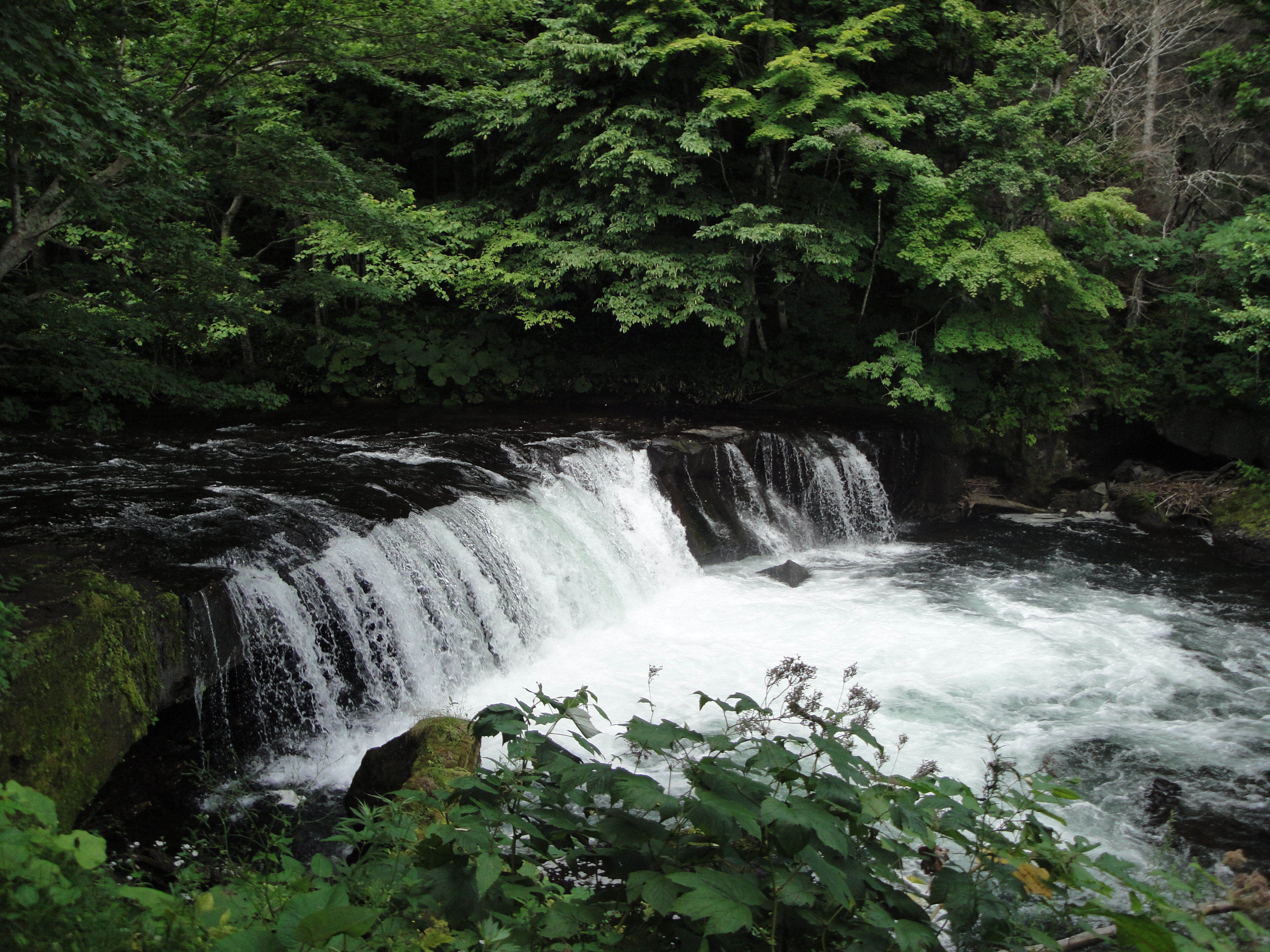
- Height & Altitude: Not officially recorded – the cascade is modest but impressive, surrounded by dense coniferous forest and moss‑covered rocks.
Sakura no Taki translates to “Cherry Blossom Waterfall.” While the name conjures images of pink petals, the waterfall itself is celebrated for the delicate, translucent quality of its water, which glistens like cherry blossoms in the morning sun. The surrounding forest is a mix of Japanese larch, fir, and birch, creating a tranquil atmosphere that feels far removed from the bustling city life of Sapporo or Tokyo.
History & Significance
The waterfall has long been a local landmark for the people of Abashiri. Historically, the surrounding area served as a route for fishermen and traders traveling between the Sea of Okhotsk and inland settlements. The cascade was a natural stop‑over where travelers could rest, refill water supplies, and enjoy the cool mist on hot summer days.
In recent years, Sakura no Taki has attracted hikers and photographers who appreciate its unspoiled charm. Because it is not listed among Hokkaido’s “major” tourist sites, the waterfall remains relatively uncrowded, preserving its sense of solitude. The name also reflects the cultural love for sakura (cherry blossoms) that permeates Japanese landscapes, even in the far north where actual cherry trees bloom later than in central Japan.
How to Get There
By Air
The nearest major airport is New Chitose Airport (CTS) near Sapporo. From there, you can catch a domestic flight to Abashiri Airport (AKJ)—a roughly 1‑hour 15‑minute flight operated by JAL or ANA.
By Train
If you prefer rail travel, board the JR Hokkaido Limited Express “Super Ozora” from Sapporo to Abashiri Station. The journey takes about 5‑6 hours, offering scenic views of the Sea of Okhotsk coastline.
By Car
Renting a car is the most flexible way to reach Sakura no Taki, especially if you plan to explore nearby attractions. From Abashiri Station:
- Head east on Route 39 toward the coastal road.
- Turn left onto Prefectural Road 229 (signposted for local hot springs).
- Follow the road for approximately 12 km; you’ll see a small parking area marked “さくらの滝”.
The drive is scenic, passing through coastal cliffs, small fishing villages, and forested hills. Parking is limited, so arrive early in the morning during peak seasons (July–August) to secure a spot.
Public Transportation
Local buses run from Abashiri Station to the “Sakura no Taki” stop only a few times per day. Check the latest timetable on the Abashiri City Transportation website before you travel, as service may be reduced in winter.
Best Time to Visit
| Season | Highlights | Why Visit |
|---|---|---|
| Spring (April–June) | Early snowmelt boosts water flow; occasional cherry‑blossom‑like reflections on the pool. | Mild temperatures (5‑15 °C) and fewer crowds. |
| Summer (July–August) | Lush green foliage, abundant wildlife, and the longest daylight hours. | Ideal for hiking, photography, and cooling off in the mist. |
| Autumn (September–October) | Brilliant amber and crimson leaves frame the waterfall. | Crisp air, vibrant colors, and harvest festivals in nearby towns. |
| Winter (November–March) | Snow‑covered forest creates a magical, silent landscape; occasional ice formations on the cascade. | For adventurous travelers comfortable with cold; fewer visitors. |
Peak recommendation: Late July to early September offers the most reliable weather, vibrant greenery, and comfortable hiking temperatures (15‑22 °C). However, if you love autumn colors, early October is equally rewarding.
What to Expect
The Trail Experience
The path to Sakura no Taki is a moderately easy forest trail, roughly 1.5 km round‑trip from the parking area. The trail is well‑maintained, with wooden boardwalk sections over damp ground. Expect gentle elevation changes (about 80 m total) and occasional wooden railings near steeper drops.
Senses Engaged
- Sight: The waterfall itself is a slender ribbon of water that plunges into a shallow pool, surrounded by moss‑laden rocks. In summer, the pool reflects the sky, creating a mirror‑like surface perfect for long exposure photography.
- Sound: The constant, soothing rush of water provides a natural white‑noise backdrop—great for meditation or simply unwinding.
- Smell: Fresh pine and damp earth fill the air, especially after a rain shower.
- Touch: If you’re brave enough, you can step onto the smooth stones at the water’s edge (caution: the rocks can be slippery). The mist cools your skin on hot days.
Wildlife
Hokkaido’s northern climate supports a variety of wildlife. Keep an eye out for Japanese macaques, Eurasian red squirrels, and a plethora of bird species such as the great spotted woodpecker and varied tit. Early mornings are the best time for birdwatching.
Nearby Attractions
While Sakura no Taki can easily fill a half‑day, the surrounding area offers several additional points of interest within a short drive. All distances are measured from the waterfall’s parking lot.
| Attraction | Type | Distance | Why Visit |
|---|---|---|---|
| 三十三冷泉 (Sanjusan Reizei) | Natural spring | 5.4 km | Known for its crystal‑clear, cold water; perfect for a refreshing dip after the hike. |
| Papas Land Hot Spring | Hot spring (onsen) | 6.5 km | Relax in mineral‑rich baths while enjoying views of the surrounding forest. |
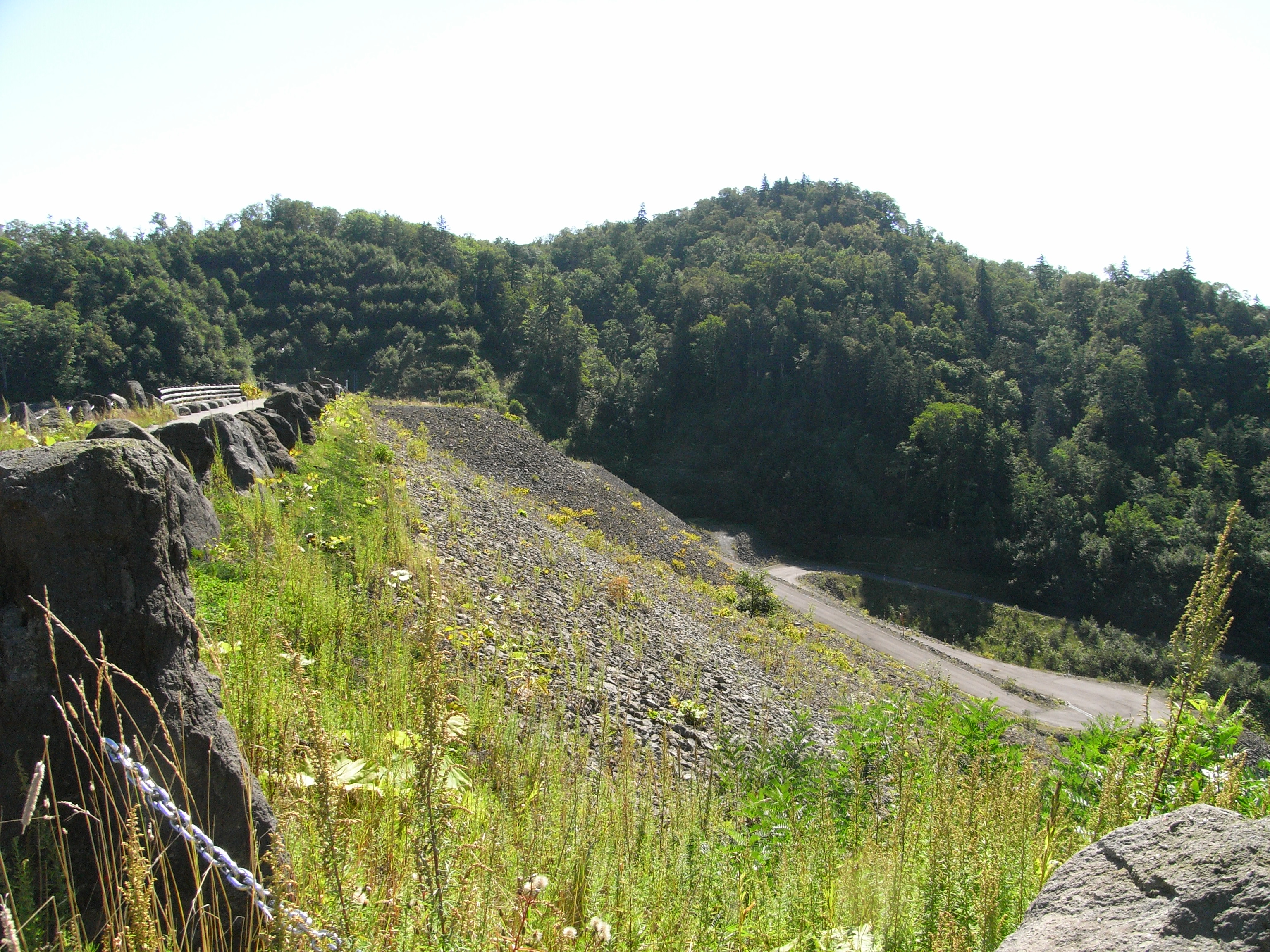
| Weir #1 | River weir | 6.5 km | Small engineering structure offering a quiet spot for photography of water flow. |
| Weir #2 | River weir | 6.7 km | Similar to Weir #1, but with a slightly different angle of the river. |
| Weir #3 | River weir | 6.8 km | Final weir in the series; great for comparing how water is managed across short distances. |
Quick links:
• 三十三冷泉 – Wikipedia (Japanese)
• [Papas Land Hot Spring – Official Site] (search “Papas Land Hot Spring Abashiri”)
These attractions can be combined into a full‑day itinerary: start with Sakura no Taki in the morning, head to Sanjusan Reizei for a short swim, enjoy lunch at a local restaurant in Abashiri, then unwind at Papas Land Hot Spring in the late afternoon.
Travel Tips
- Dress in Layers – Hokkaido weather changes quickly. Even in summer, mornings and evenings can be cool (10‑12 °C). Bring a light jacket and waterproof shoes.
- Carry Cash – Rural Hokkaido locations often lack credit‑card terminals. Small shops and onsen may only accept cash (¥1,000‑¥3,000).
- Respect the Environment – The trail is a delicate ecosystem. Stay on marked paths, pack out all trash, and avoid picking plants or disturbing wildlife.
- Timing – Arrive early (before 9 am) during summer weekends to avoid the small influx of local families. The waterfall is most photogenic with soft morning light.
- Safety – The rocks near the water can be slippery, especially after rain. Use sturdy hiking boots with good grip, and keep children close.
- Connectivity – Mobile signal can be spotty near the waterfall. Download offline maps (Google Maps or MAPS.ME) before you set out.
- Parking – The lot fills quickly in peak season. If it’s full, there is a secondary pull‑out area a few hundred meters up the road—just follow the “Sakura no Taki” signs.
- Local Cuisine – Try the regional specialty Abashiri crab (kani) or Hokkaido dairy products at nearby eateries. Fresh seafood pairs wonderfully with the crisp mountain air.
Wrap‑Up
Sakura no Taki may not have the towering height of Japan’s famous waterfalls, but its charm lies in the quiet intimacy of a forested cascade that feels like a secret shared between the land and the traveler. From the gentle roar of water to the soft rustle of pine needles, every moment here invites you to slow down and savor Hokkaido’s pristine natural beauty.
So pack your hiking boots, charge your camera, and set your GPS to 43.731928, 144.523118. Whether you’re chasing the perfect waterfall shot, seeking a peaceful spot to reflect, or simply craving an off‑the‑grid adventure, さくらの滝 promises an unforgettable experience that will linger long after you leave the misty forest of Abashiri.
Happy travels, and may the mist of Sakura no Taki bring you serenity on your journey through Hokkaido!