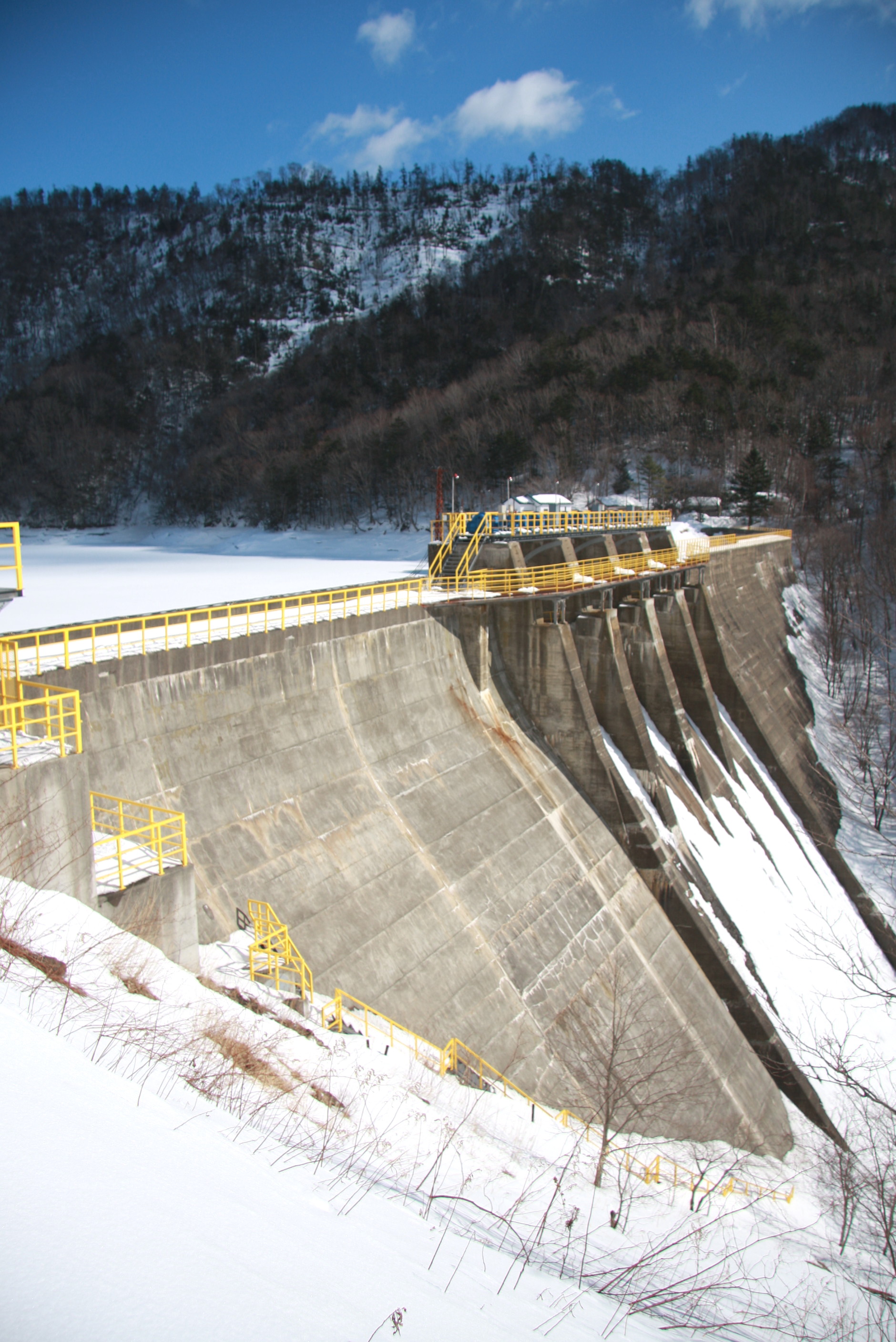
幌満川第三ダム (Horoman River Third Dam) – A Hidden Hokkaido Gem Worth the Journey
Coordinates: 42.124692, 143.069833 | Height: 42.5 m | Location: Shizunai‑furukawacho, Hokkaido, Japan
1. Introduction
If you think Hokkaido’s allure is limited to snow‑capped ski resorts, lavender fields, and bustling Sapporo streets, think again. Tucked away in the tranquil valleys of Shizunai‑furukawacho lies 幌満川第三ダム—a sleek concrete‑gravity dam that blends engineering brilliance with pristine nature. Whether you’re a photography enthusiast hunting dramatic water‑front vistas, a curious traveler fascinated by Japan’s hydro‑electric heritage, or simply looking for an off‑the‑beaten‑path spot to stretch your legs, this dam offers a surprisingly rewarding experience. In this guide, we’ll dive into the dam’s story, how to reach it, the best seasons to visit, and the surrounding attractions that can turn a single‑day stop into a full‑day adventure.
2. About 幌満川第三ダム
A Brief History
Completed as part of the 幌満川第3発電所 (Horoman River Third Power Plant) project, 幌満川第三ダム was constructed to harness the flow of the Horoman River for hydro‑electric power. While exact construction dates are scarce in English sources, the dam’s design follows Japan’s post‑war emphasis on renewable energy and regional development. Its 42.5‑meter height may not rival the massive Kurobe Dam, but it plays a crucial role in stabilizing water supply for downstream communities and supporting local industry.
Engineering Highlights
- Concrete Gravity Structure – The dam relies on its massive weight to resist water pressure, a classic design that ensures durability in Hokkaido’s harsh winter climate.
- Integrated Power Station – The dam feeds directly into the third hydro‑electric plant, generating clean electricity that powers nearby towns, including parts of Shizunai.
- Scenic Reservoir – The impounded water forms a calm, mirror‑like lake that reflects surrounding forests and mountains, creating a picture‑perfect backdrop for sunrise and sunset shots.
Why It Matters
Beyond its functional role, 幌満川第三ダム symbolizes Hokkaido’s commitment to sustainable development. The dam’s presence has helped preserve the river’s ecological balance, supporting fisheries and wildlife habitats while providing a reliable power source. For travelers, it offers a rare glimpse into Japan’s lesser‑known infrastructure projects that quietly sustain daily life in rural regions.
3. How to Get There
From Sapporo (Hokkaido’s Capital)
- Train to Shizunai – Board the JR Hokkaido Limited Express “Super Ozora” from Sapporo Station to Shizunai Station (≈ 4 hours).
- Local Bus or Taxi – From Shizunai Station, hop on the Shizunai‑Furukawa Line bus (runs every 30‑45 minutes) and alight at Furukawacho. The bus stop is roughly a 15‑minute walk from the dam’s parking area.
- Driving Option – If you rent a car, follow Route 235 east from Shizunai. The dam is sign‑posted after about 12 km; ample parking is available near the visitor’s viewpoint.
From Hakodate
- Take the JR Hakodate Line to Shizunai (≈ 3 hours). The same local bus or taxi routes apply.
Public Transportation Tips
- Check Schedules – Hokkaido’s rural bus services operate less frequently on weekends and holidays, so verify timetables a day ahead.
- JR Pass – The nationwide JR Pass covers the Limited Express trains, making the journey budget‑friendly.
4. Best Time to Visit
| Season | Highlights | Why Visit |
|---|---|---|
| Spring (April‑May) | Snowmelt swells the reservoir, cherry‑blossom‑tinted hills appear. | Mild temperatures (5‑15 °C) and vibrant colors make for excellent photography. |
| Summer (June‑August) | Long daylight hours, clear skies, and lush greenery. | Ideal for picnics by the water and exploring nearby trails. |
| Autumn (September‑October) | Brilliant foliage (maple & birch) reflects on the lake surface. | Photographers love the golden hour; cooler temps (10‑18 °C) are comfortable for hiking. |
| Winter (November‑March) | Snow‑covered landscape, frozen reservoir edges. | A serene, almost mystical scene—perfect for those who enjoy winter photography, though access may require a 4WD vehicle. |
Top Recommendation: Late September to early October offers the most dramatic scenery with autumn colors and still‑warm days for outdoor activities.
5. What to Expect
Visual Experience
Approaching the dam, you’ll first notice the sleek concrete wall cutting across the river, framed by dense coniferous forests. The reservoir stretches like a glassy ribbon, often mirroring the sky’s ever‑changing hues. During sunrise, the water glows amber, while sunset paints the dam in soft pinks and purples—a photographer’s dream.
Sensory Highlights
- Sounds: The gentle rush of water through the spillway, punctuated by distant bird calls.
- Smells: Fresh pine and, in summer, a faint earthy scent from nearby wildflowers.
- Feel: A cool breeze off the lake, especially refreshing on warm summer days.
Activities
- Scenic Walks: A short, well‑maintained trail circles the reservoir, offering multiple viewpoints.
- Picnic Spots: Designated benches and grassy areas near the parking lot are perfect for a quick lunch.
- Educational Panels: Small information boards explain the dam’s operation and local ecology—great for families and curious minds.
While the site does not have a formal visitor center, the tranquil atmosphere encourages reflection and appreciation of both human ingenuity and natural beauty.
6. Nearby Attractions
Extend your itinerary by exploring other water‑related sites within a short drive. All distances are measured from 幌満川第三ダム.
| Attraction | Type | Distance | Quick Note |
|---|---|---|---|
| 幌満川第二発電所堰堤 | Dam | 2.3 km | The second hydro‑electric dam upstream; offers a similar scenic reservoir and a small observation platform. |
| Unnamed Dam (6.4 km) | Dam | 6.4 km | A modest concrete dam surrounded by forest trails—ideal for a quiet hike. |
| Unnamed Weir (6.5 km) | Weir | 6.5 km | Small water diversion structure; perfect for spotting local fish species. |
| Unnamed Dam (7.2 km) | Dam | 7.2 km | Provides panoramic views of the Horoman River valley; a favorite spot for sunrise. |
| Unnamed Weir (10.4 km) | Weir | 10.4 km | Slightly farther out, this weir is set near a traditional Hokkaido farming village—great for cultural immersion. |
All attractions are reachable by car or local bus; however, some may have limited signage, so using a GPS device (coordinates above) is recommended.
Useful Link: For a deeper dive into the dam’s technical background, visit the Japanese Wikipedia page: 幌満川第3発電所ダム.
7. Travel Tips
| Tip | Details |
|---|---|
| Bring a Camera & Tripod | The dam’s reflective water and surrounding mountains reward long‑exposure shots, especially at sunrise or sunset. |
| Dress in Layers | Hokkaido weather can shift quickly; a windproof jacket and warm layers are advisable even in summer. |
| Footwear | Sturdy walking shoes or light hiking boots are best for the uneven trail around the reservoir. |
| Parking | Free parking is available near the dam, but spaces fill up quickly on weekends during peak foliage season. Arrive early (before 9 am) to secure a spot. |
| Food & Drink | There are no on‑site shops. Pack water, snacks, and a simple lunch. Nearby Shizunai town offers fresh seafood and local ramen if you prefer a sit‑down meal. |
| Respect the Environment | Stay on marked paths, dispose of trash responsibly, and avoid feeding wildlife. The area is a protected watershed. |
| Connectivity | Mobile signal can be spotty; consider downloading offline maps (Google Maps or MAPS.ME) before you set out. |
| Safety | While the dam area is generally safe, the reservoir edge can be slippery when wet. Keep children supervised near water. |
Final Thoughts
Visiting 幌満川第三ダム isn’t about ticking off a famous landmark; it’s about immersing yourself in Hokkaido’s quieter side—where engineering meets untouched nature. The dam’s modest scale, combined with its striking surroundings, makes it an ideal stop for travelers seeking authenticity, tranquility, and a dash of photographic inspiration. Pair it with the nearby dams and weirs, and you’ll discover a network of water‑focused sites that collectively tell the story of Hokkaido’s sustainable future.
Pack your camera, hop on a train, and let the gentle rush of the Horoman River guide you to one of Japan’s hidden hydro‑tourism treasures. Happy travels!