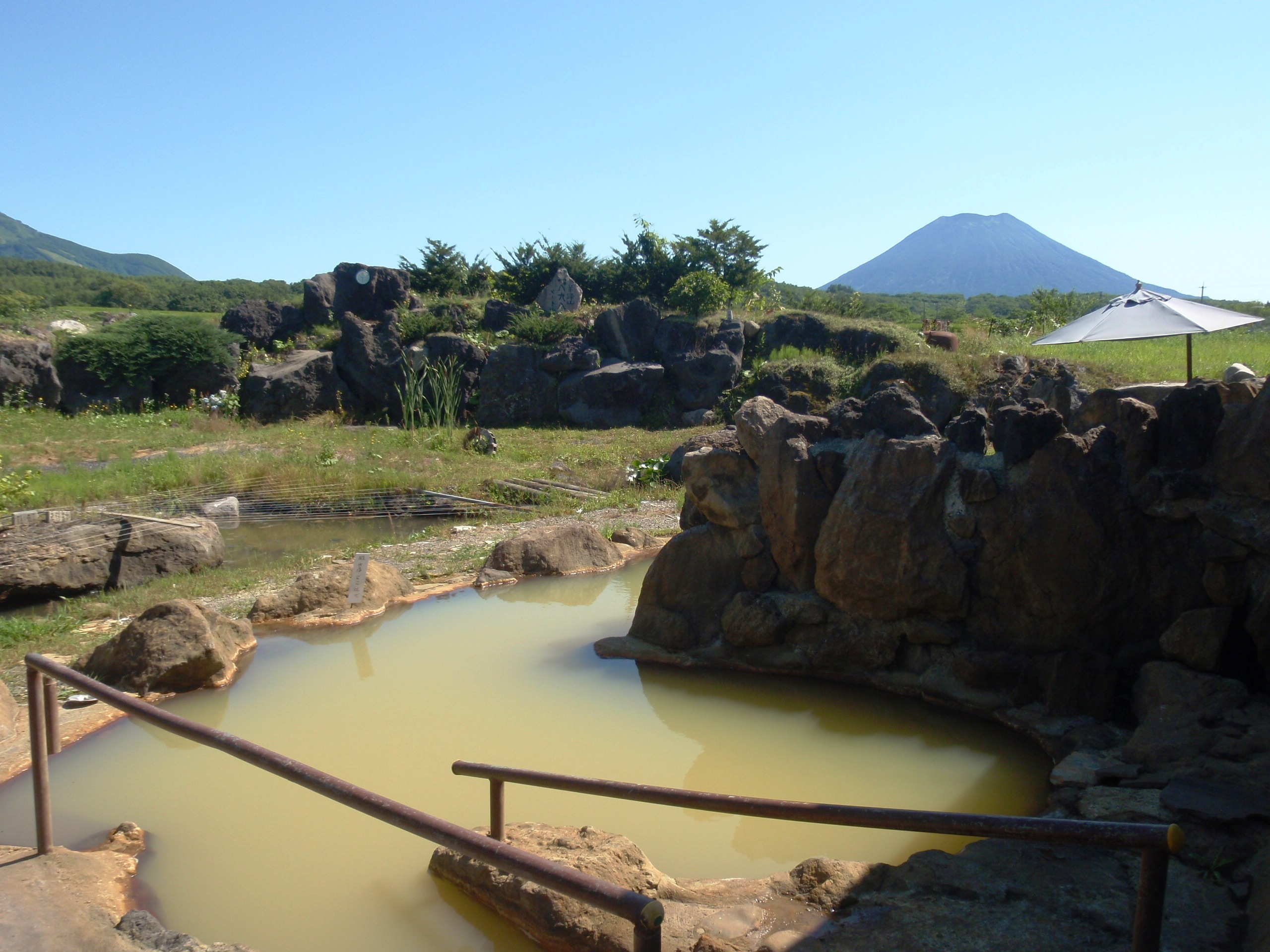
黄金温泉 (Golden Hot Spring) – A Hidden Gem in Niseko, Hokkaido
Discover the soothing waters, stunning mountain backdrop, and authentic Japanese onsen culture at 黄金温泉, the golden‑glimmering spring that’s quietly captivating travelers in Hokkaido.
1. Introduction
If you’ve ever imagined a place where the crisp alpine air of Hokkaido meets the comforting steam of a natural hot spring, look no further than 黄金温泉 (Golden Hot Spring). Nestled in the picturesque town of Niseko, this modest yet enchanting spring offers a truly immersive onsen experience far from the crowded tourist hubs. Whether you’re a seasoned onsen enthusiast, a winter‑sports lover seeking post‑ski relaxation, or simply a traveler craving a slice of authentic Japanese culture, 黄金温泉 promises a rejuvenating escape that sparkles like its name suggests.
2. About 黄金温泉
A Brief Description
黄金温泉 is a natural spring (温泉) located at latitude 42.804982 and longitude 140.626716 in Niseko Town, Hokkaido, Japan. While the exact altitude and water temperature are not publicly listed, the spring’s reputation stems from its mineral‑rich waters that are believed to promote circulation and soothe tired muscles—perfect after a day on Niseko’s famed powder slopes.
History & Cultural Significance
The spring’s name, “Golden,” alludes to the warm, amber hue of its waters during sunrise and sunset, a visual that has inspired local folklore for generations. Historically, the onsen served as a communal gathering spot for nearby farming families, who would bathe together after a hard day’s work. Over time, the spring attracted travelers from across Japan, eventually earning a modest place in regional travel guides and the Japanese Wikipedia entry for 黄金温泉 (北海道).
While the spring remains relatively low‑key compared to Niseko’s luxury resorts, its authenticity is its greatest draw. Visitors can enjoy a traditional Japanese onsen atmosphere—wooden changing rooms, simple stone benches, and the gentle sound of mountain streams nearby—without the flash of commercialized spas.
3. How to Get There
By Air
- New Chitose Airport (CTS) – Hokkaido’s main international gateway, located about 140 km (≈ 2 hours by car) from Niseko.
- Sapporo (Okadama) Airport (OKD) – A smaller domestic hub, also within a 2‑hour drive.
By Train & Bus
- JR Hakodate Line: Take a limited‑express train from Sapporo to Otaru (≈ 30 min), then transfer to the JR Hakodate Main Line to Kutchan Station (≈ 1 hour).
- From Kutchan, board the Niseko Bus (Route 1) bound for Grand Hirafu. Get off at the Niseko Town Hall stop; the spring is a short 10‑minute walk northward toward the mountain trailhead.
By Car
Rent a car at New Chitose or Sapporo and follow National Route 5 north toward Otaru, then switch to Route 274 toward Kutchan. From Kutchan, take Hokkaido Route 23 (the Niseko Highway) and follow signs for Niseko Town. Turn onto the local road leading to the spring’s coordinates (42.804982, 140.626716). Parking is available at a small lot adjacent to the onsen facility.
Public Transportation Tips
- Bus Pass: Purchase a Niseko “All‑Season Pass” for unlimited rides on local buses—great for exploring surrounding attractions.
- Language: Most bus drivers speak limited English; having the Japanese address (黄金温泉, 北海道虻田郡ニセコ町) on a printed card helps.
4. Best Time to Visit
| Season | Highlights | Why It Works |
|---|---|---|
| Winter (Dec‑Feb) | Snow‑covered mountains, post‑ski soak | The contrast of icy air and steaming water creates a classic onsen experience. |
| Spring (Mar‑May) | Cherry blossoms, milder temperatures | Warm waters are perfect after hiking the newly thawed trails. |
| Summer (Jun‑Aug) | Lush green valleys, cooler evenings | Nighttime bathing under starry skies feels magical. |
| Autumn (Sep‑Nov) | Vibrant foliage, crisp air | The golden hue of the spring mirrors the surrounding amber leaves. |
Peak Visitor Periods: Late December (New Year) and early February (Ski season). If you prefer a quieter soak, aim for early March or late October when crowds thin but the scenery remains spectacular.
5. What to Expect
The Onsen Experience
- Water Quality: The spring’s mineral composition is slightly alkaline, known for easing muscle fatigue and improving skin texture.
- Facilities: A modest wooden building houses separate male and female bathing areas, each equipped with traditional wooden tubs (木桶) and a communal shower station. Towels are provided, but you may also bring your own.
- Atmosphere: Expect a tranquil setting—no music, no flashing neon, just the natural sounds of wind rustling through pine trees and distant water from nearby dams. The interior features simple tatami mat seating and a small lounge where you can enjoy a cup of hot green tea after your soak.
Etiquette
- Wash Thoroughly before entering the bath.
- No Swimwear – Onsen bathing is done nude; bring a small towel to cover modesty while moving.
- Keep Voices Low to maintain the serene environment.
- No Tattoos (unless covered) – many traditional onsens restrict visible tattoos.
Amenities
- Changing Rooms with lockers (small fee).
- Refreshments: A tiny kiosk sells bottled water, local sweets, and seasonal fruit juices.
- Souvenir Shelf: Small jars of onsen‑derived bath salts and locally crafted wooden spoons.
6. Nearby Attractions
While 黄金温泉 is the star of the show, the surrounding area offers several natural and cultural points of interest that can easily fill a day’s itinerary.
| Attraction | Distance | Type | Quick Link |
|---|---|---|---|
| [Unnamed Dam #1] | 0.4 km | Dam | View on Map |
| [Unnamed Dam #2] | 0.5 km | Dam | View on Map |
| さかもと公園 (Sakamoto Park) | 4.1 km | Spring / Park | Sakamoto Park (JP) |
| [Unnamed Dam #3] | 4.1 km | Dam | View on Map |
| [Unnamed Dam #4] | 4.4 km | Dam | View on Map |
Tip: The cluster of small dams creates a gentle cascade of water that’s perfect for a short nature walk. Bring a camera—early morning light reflects beautifully off the reservoirs, offering photo‑ops that rival the onsen’s golden glow.
7. Travel Tips
| Tip | Details |
|---|---|
| Bring Cash | Small rural onsens often accept only cash for locker fees and souvenirs. |
| Dress in Layers | Temperatures can swing dramatically—from sub‑zero outside to warm steam inside. |
| Pack a Small Towel | While the onsen provides a large towel, a personal hand towel helps with modesty and hygiene. |
| Check Opening Hours | 黄金温泉 typically opens from 8 am to 10 pm, but seasonal variations may occur. Call ahead at the local tourism office: +81 136‑72‑xxxx (Japanese only). |
| Respect Local Rules | No loud conversations, no diving, and keep phones on silent. |
| Combine with Skiing | If you’re visiting in winter, spend the morning on the slopes at Grand Hirafu, then unwind at the spring in the afternoon. |
| Stay Overnight | Consider staying at a nearby guesthouse or ryokan (traditional inn) in Niseko Town for easy access to the onsen after dark. |
Final Thoughts
黄金温泉 may not have the glitz of a high‑rise resort, but that’s precisely why it feels so special. The combination of authentic onsen culture, breathtaking Hokkaido scenery, and easy access from Niseko’s ski areas makes it a must‑visit for anyone exploring northern Japan. Pack your bathing suit (or rather, your towel), follow the directions above, and let the golden waters of this hidden spring melt away the stress of everyday life.
Happy soaking, and may your journey through Hokkaido be as warm and radiant as the waters of 黄金温泉!