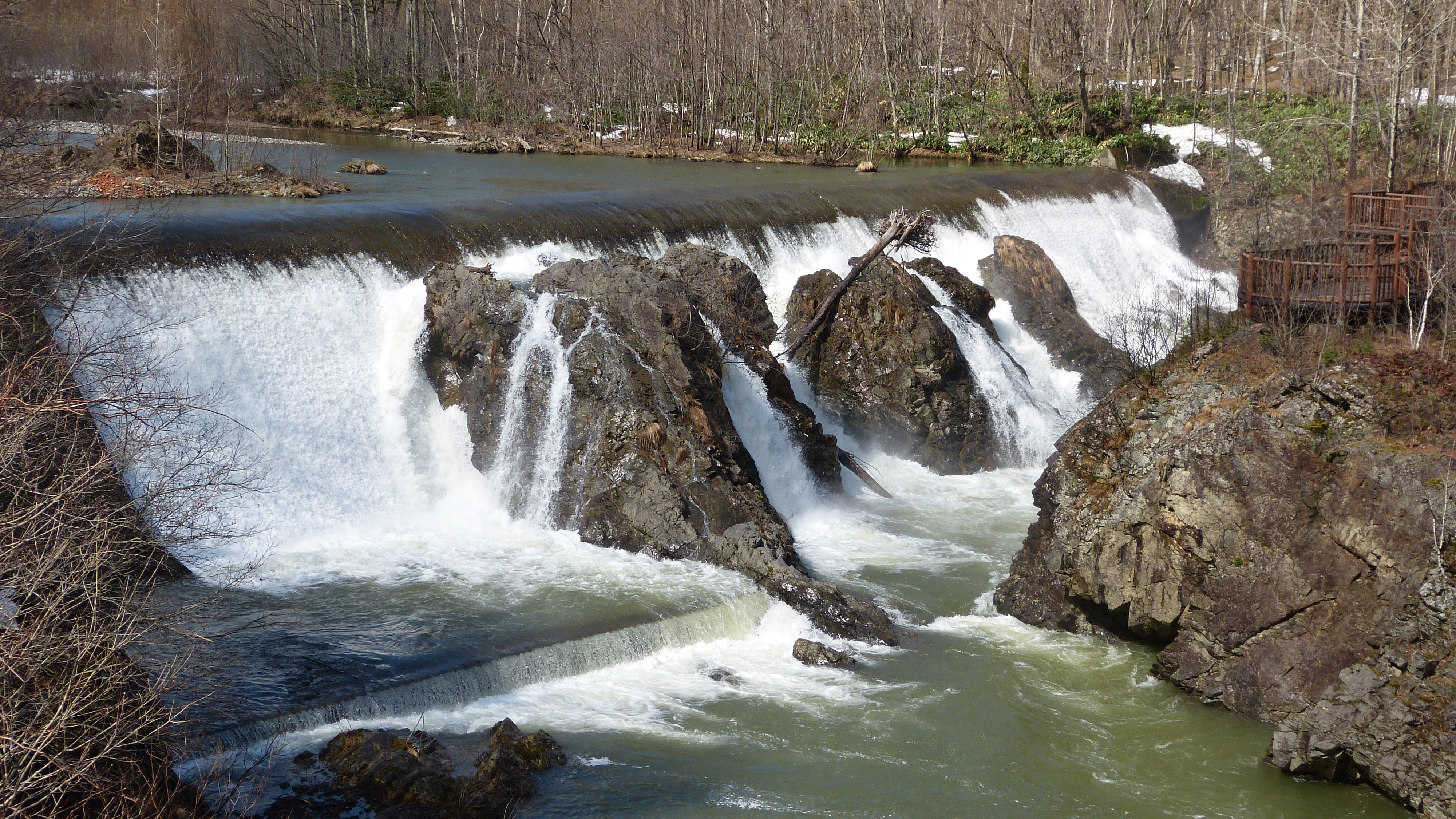
ピョタンの滝 (Pyōtan-no-Taki) – Hokkaido’s Hidden Waterfall Gem
Discover the serene beauty of ピョタンの滝, a lesser‑known waterfall tucked away in the rolling countryside of Obihiro, Hokkaido. Whether you’re a seasoned Japan traveler or a first‑time visitor to the island’s northern frontier, this natural wonder offers a peaceful retreat far from the crowds.
1. Introduction
Imagine standing on a quiet forest path, the crisp Hokkaido air filling your lungs, and hearing the gentle roar of water cascading over smooth stone. That’s the moment you’ll experience at ピョタンの滝 (Pyōtan-no-Taki), a small but enchanting waterfall that embodies the untouched charm of rural Hokkaido. Unlike the bustling tourist hotspots of Sapporo or Hakodate, this waterfall remains a secret haven for hikers, photographers, and anyone craving a slice of nature’s tranquility.
If you’re planning a road trip through the Tokachi Plain, a day‑trip from Obihiro, or a weekend adventure focused on “waterfalls in Hokkaido,” make sure to add ピョタンの滝 to your itinerary. Its modest size is more than compensated by the surrounding forest, the scent of pine, and the sense of discovery that comes with visiting a spot off the typical travel radar.
2. About ピョタンの滝
Description
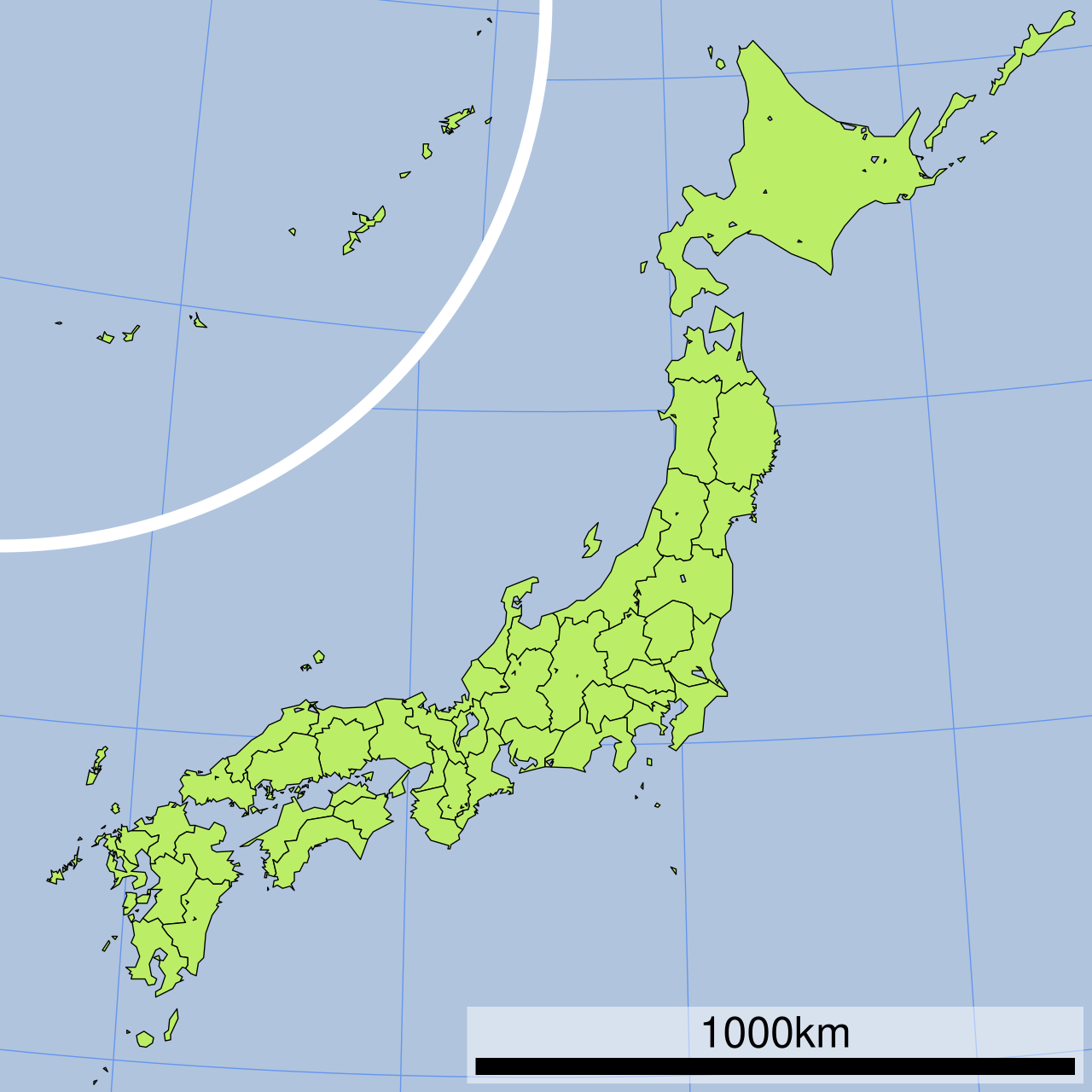
ピョタンの滝 is a waterfall (🌊) located at latitude 42.593609, longitude 142.951564 in the city of Obihiro, Hokkaido, Japan. The waterfall’s exact height and altitude have not been officially recorded, which adds a touch of mystery to the site. What is known, however, is that the cascade flows through a lush, forested ravine, creating a soothing mist that blankets the surrounding rocks and foliage.
History & Significance
The name “ピョタン” (Pyōtan) is derived from the Ainu language, the indigenous people of Hokkaido, though the precise meaning is not documented in mainstream sources. Like many natural features across the island, the waterfall likely served as a seasonal gathering point for local Ainu communities, who relied on fresh water sources for daily life and spiritual rituals.
In modern times, ピョタンの滝 has become a modest point of interest for local hikers and nature lovers. While it does not appear on major tourism brochures, the waterfall is mentioned in the Japanese Wikipedia entry for “ピョタンの滝” and is occasionally highlighted in regional outdoor guides. Its low profile helps preserve the pristine environment, making it an ideal spot for those seeking an authentic Hokkaido experience away from the typical tourist trail.
3. How to Get There
By Car
The most convenient way to reach ピョタンの滝 is by rental car or private vehicle. From Obihiro Station, head west on Route 236 (国道236号) toward the town of Tōbetsu. After approximately 30 km, turn onto the local road that leads to the Satsunai River area. Signage for the waterfall is minimal, so it’s advisable to use a GPS device with the exact coordinates (42.593609, 142.951564) or a reliable mapping app.
Parking is available in a small lot near the trailhead; the lot is unguarded, so keep valuables out of sight. From the parking area, a short, well‑maintained forest trail (about 10–15 minutes) leads directly to the waterfall’s viewing platform.
By Public Transportation
Public transport options are limited. The nearest bus stop is in Obihiro city, but there is no direct line to the waterfall. If you prefer not to drive, consider taking a local bus to the Satsunai River region and then hiring a taxi for the final stretch, or joining a guided day‑tour that includes the waterfall as part of a broader Hokkaido nature itinerary.
By Bicycle
For the adventurous, the flat terrain of the Tokachi Plain makes cycling a viable option. A bike ride from Obihiro to the waterfall takes roughly 2 hours (≈30 km). Be sure to bring a repair kit, as the rural roads can be rough in places, and pack enough water and snacks for the journey.
4. Best Time to Visit
Spring (April – May)
Early spring brings a burst of new green, and the waterfall’s flow is strong from snowmelt. The surrounding forest is alive with budding cherry and magnolia trees, offering a fresh, vibrant backdrop for photos.
Summer (June – August)
Summer is the most popular season for visiting ピョタンの滝. Temperatures in Obihiro hover around 20‑25 °C (68‑77 °F), making the forest trail comfortable for hiking. The waterfall’s mist provides a natural cooling effect, perfect for a midday break.
Autumn (September – October)
Autumn foliage paints the landscape in shades of orange, red, and gold. The waterfall’s spray catches the light, creating a magical, almost ethereal atmosphere. This is the ideal time for photographers seeking dramatic seasonal colors.
Winter (November – March)
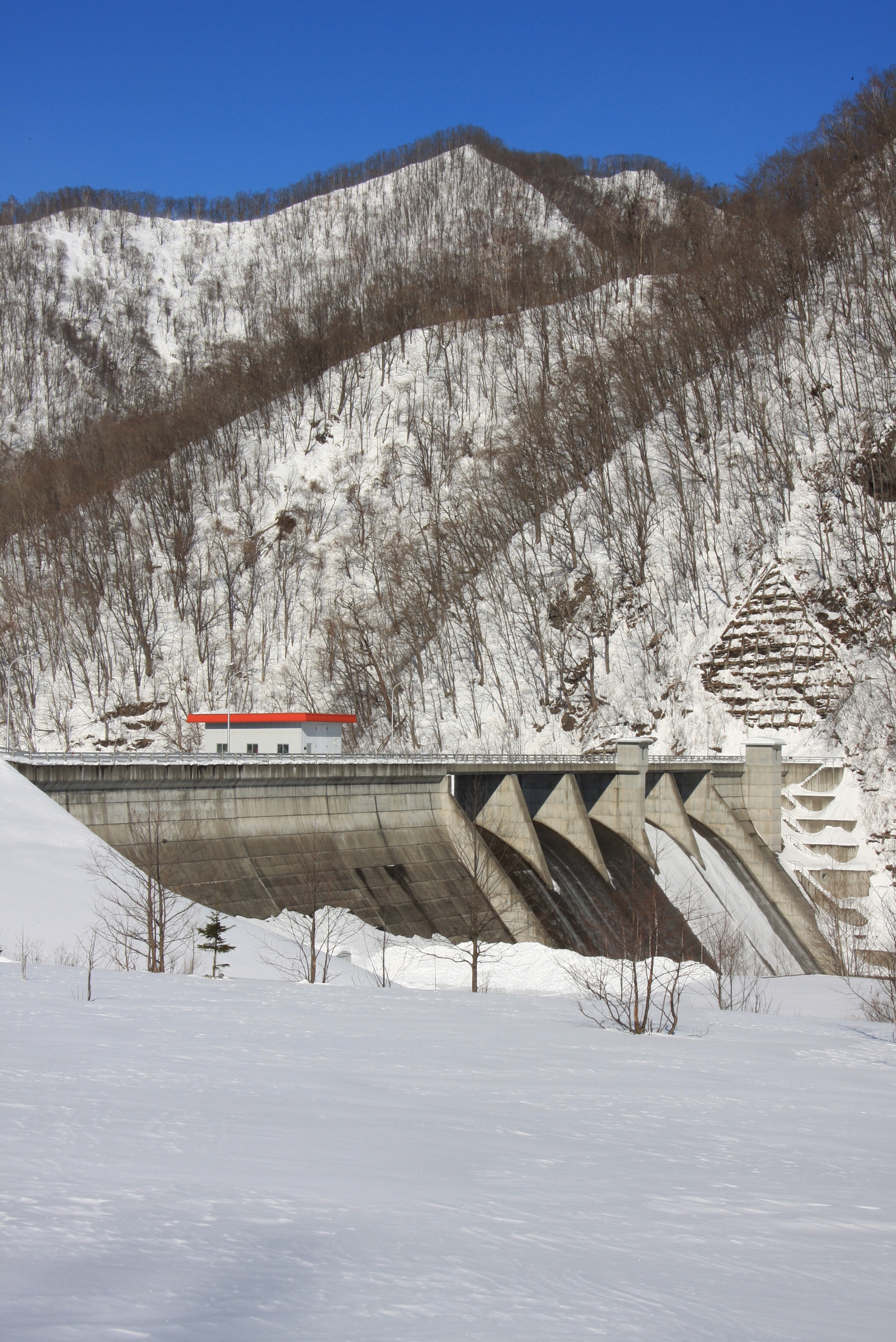
While the waterfall never freezes solid, the surrounding area can be covered in snow, turning the site into a serene winter wonderland. If you’re prepared for cold conditions and icy trails, a winter visit offers a unique, quiet experience—just be sure to wear insulated boots and check weather forecasts.
5. What to Expect
Arriving at the trailhead, you’ll notice a modest wooden sign pointing toward the waterfall. The path is a graded forest trail with occasional wooden steps, making it accessible for most walkers, though those with limited mobility may find the final approach a bit uneven.
As you near the cascade, the sound of water grows louder, mingling with the rustle of pine needles. The waterfall itself drops over a series of smooth stones, creating a thin veil of water that catches sunlight in shimmering ribbons. A small viewing platform, built from local timber, offers a safe spot to sit, take photos, and enjoy the soothing soundscape.
Because the site is not heavily commercialized, there are no souvenir shops or food stalls on site. However, the nearby Satsunai River area does have a few roadside stands where you can purchase local snacks such as Hokkaido milk soft serve or fresh corn on the cob during the summer months.
6. Nearby Attractions
While you’re in the vicinity of ピョタンの滝, consider extending your day with a few other natural and engineering sights that showcase the diversity of Hokkaido’s landscape. All distances are measured from the waterfall’s coordinates.
| Attraction | Type | Distance | Link |
|---|---|---|---|
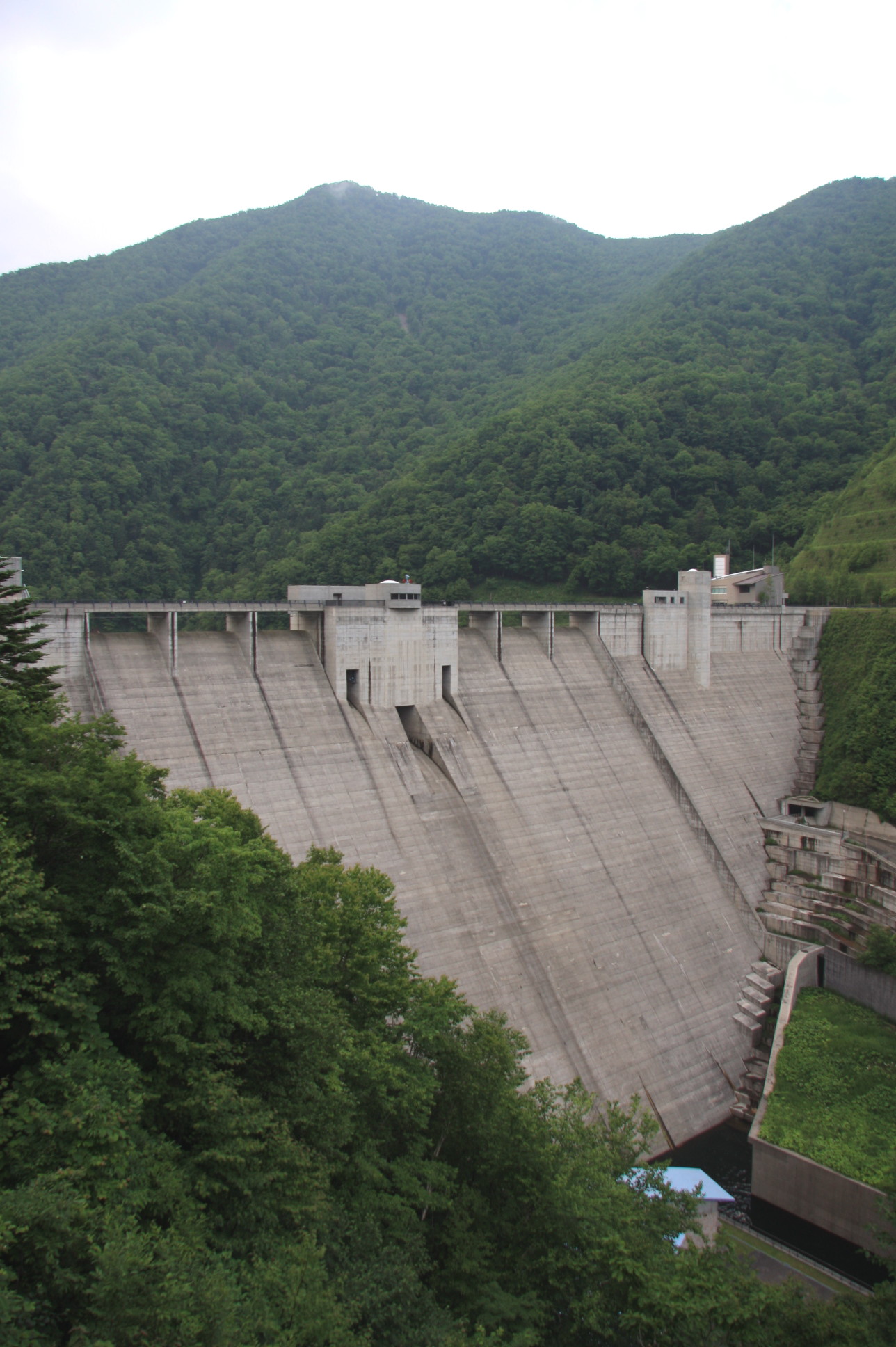
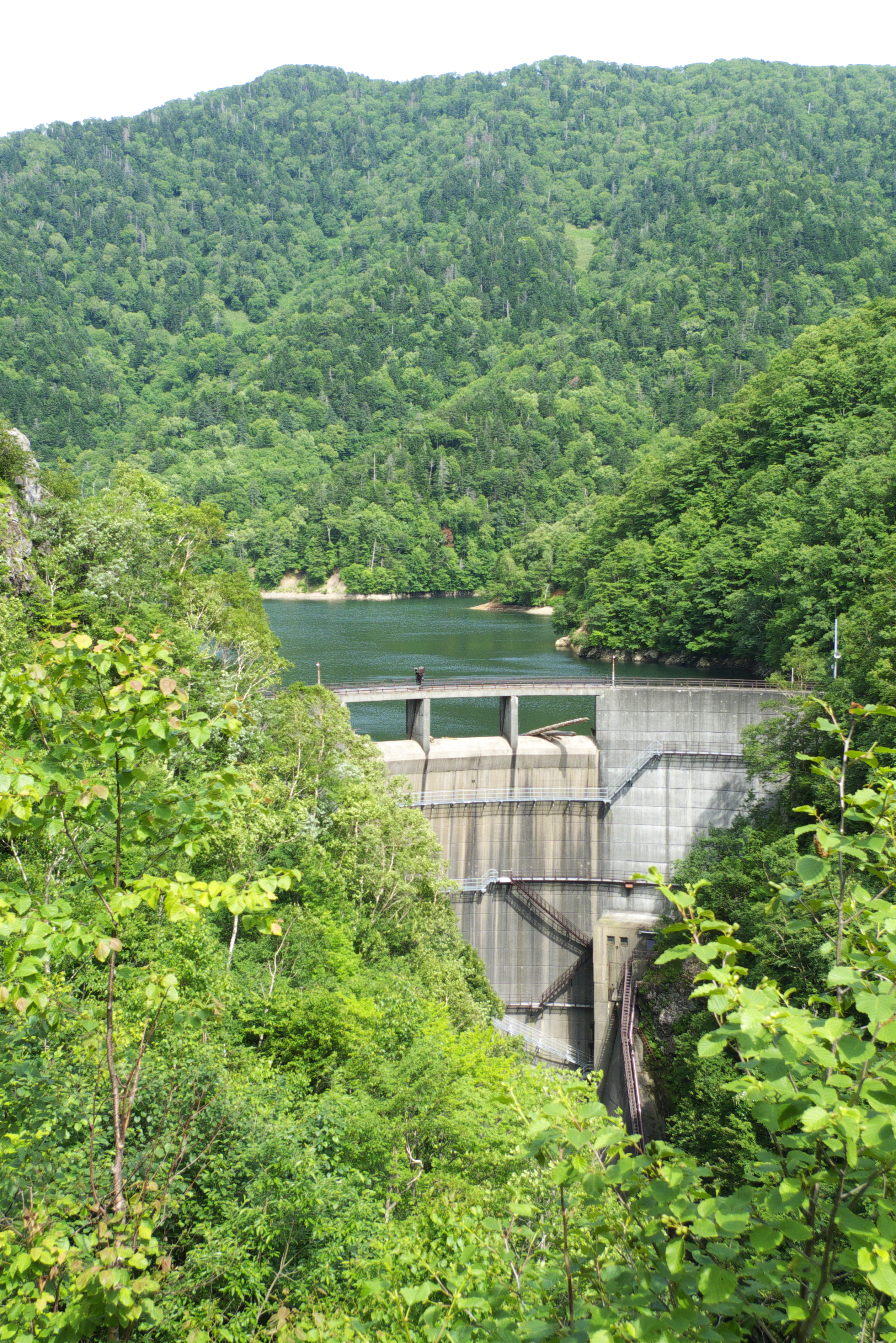
| 札内川ダム (Satsunai River Dam) | Dam | 2.4 km | 札内川ダム |
| (未命名)堰 (Unnamed Weir) | Weir | 5.1 km | No dedicated page – local weir |
| 西札内ダム (Nishi‑Satsunai Dam) | Dam | 11.1 km | 西札内ダム |
| 東の沢ダム (Higashi‑no‑Sawa Dam) | Dam | 19.6 km | 東の沢ダム |
| (未命名)堰 (Unnamed Weir) | Weir | 22.4 km | No dedicated page – local weir |
These sites are especially interesting for fans of Japanese dam architecture, hydroelectric history, or anyone who enjoys scenic drives through Hokkaido’s countryside. Many of the dams have observation decks that provide panoramic views of the surrounding farmlands and forests.
7. Travel Tips
| Tip | Details |
|---|---|
| Bring proper footwear | The trail can be slippery near the waterfall, especially after rain. Sturdy hiking shoes or waterproof boots are recommended. |
| Check weather before you go | Hokkaido weather changes quickly. A clear day can turn misty in minutes, affecting visibility and trail conditions. |
| Pack a picnic | There are no food facilities at the waterfall. Bring a lunch or snacks to enjoy on the viewing platform. |
| Respect nature | Stay on marked paths, avoid pulling on rocks, and pack out any trash. The area’s low visitor numbers rely on responsible tourism. |
| Photography gear | A tripod and a polarizing filter help capture the waterfall’s mist without overexposure. Early morning or late afternoon light yields the best colors. |
| Cash on hand | Rural Hokkaido still has many cash‑only establishments. Keep some yen for any small purchases at nearby roadside stands. |
| Language | Signage is primarily in Japanese. Having a translation app or a basic knowledge of key terms (e.g., “滝” = waterfall) can be helpful. |
| Safety | Mobile reception can be spotty. Let someone know your route and expected return time, especially if traveling alone. |
| Seasonal gear | In winter, bring insulated clothing, hand warmers, and crampons or microspikes for icy sections. |
| Combine with a dam tour | If you have a car, consider a loop that includes the nearby dams. Many have parking areas and short walking paths that complement the waterfall visit. |
Final Thoughts
ピョタンの滝 may not have the towering height of Japan’s famous waterfalls, but its quiet charm, pristine forest setting, and accessibility make it a standout spot for travelers seeking an authentic Hokkaido experience. Pair it with a scenic drive through the Tokachi Plain, explore the nearby dams, and you’ll uncover a side of Hokkaido that most guidebooks overlook.
So pack your camera, hop in the car, and let the gentle roar of ピョタンの滝 guide you to a moment of peace in the heart of northern Japan. Safe travels!