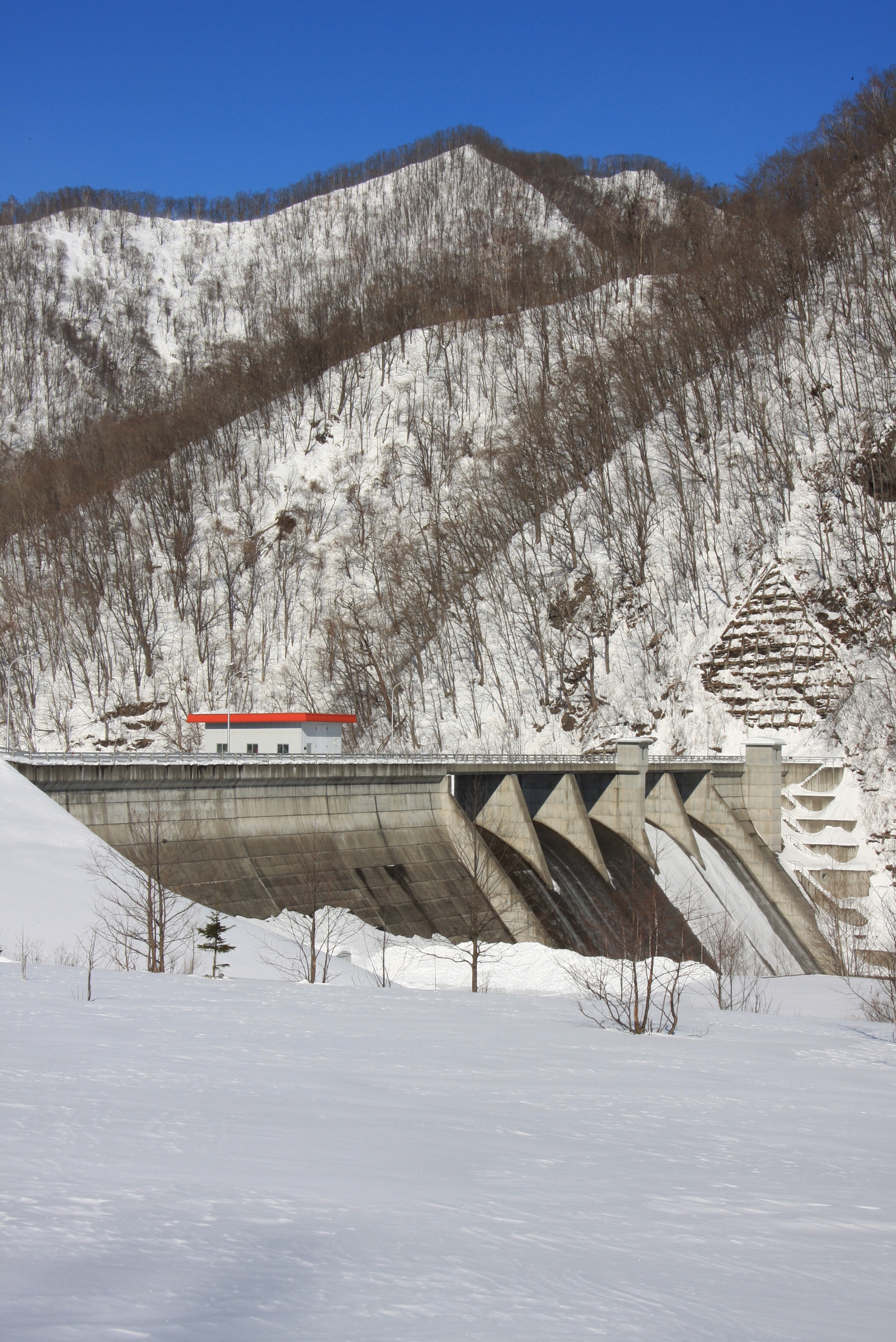
奥沙流ダム (Okusaru Dam) – A Hidden Gem in Hokkaido’s Scenic Heartland
Discover the tranquil beauty, engineering marvel, and nearby waterfalls that make this dam a must‑visit spot for nature lovers traveling through Hokkaido.
1. Introduction
If you think Hokkaido is only about snow‑capped mountains, endless rice fields, and bustling Sapporo nightlife, think again. Tucked away in the gentle hills of Shimo‑Furano lies 奥沙流ダム (Okusaru Dam)—a serene water‑holding structure that blends modern engineering with pristine wilderness. Whether you’re a photography enthusiast hunting for mirror‑like reflections, a cyclist craving quiet country roads, or a traveler simply looking to step off the typical tourist trail, Okusaru Dam offers a refreshing pause amid Hokkaido’s natural splendor.
2. About 奥沙流ダム
What Is Okusaru Dam?
- Type: Dam (🏗️)
- Location: Shimo‑Furano, Hokkaido, Japan
- Coordinates: 42.926307° N, 142.670119° E
- Wikipedia: Okusaru Dam
Okusaru Dam was constructed to regulate water flow for irrigation and flood control in the Furano basin. While the exact height and altitude remain undisclosed in public records, the dam’s presence is unmistakable—its calm reservoir stretches across a valley framed by rolling hills and dense forest.
Historical Significance
Built during a period when Hokkaido’s agricultural sector was expanding, the dam played a pivotal role in stabilizing water supply for the surrounding farms. Over the decades, it has also become a subtle landmark for locals, symbolizing the harmonious balance between human ingenuity and the island’s rugged environment.
Why It Matters to Travelers
- Scenic Views: The reservoir mirrors the sky, creating perfect sunrise and sunset photo opportunities.
- Quietude: Unlike more commercialized attractions, Okusaru Dam offers a peaceful setting ideal for meditation, sketching, or simply soaking in the sounds of flowing water.
- Gateway to Waterfalls: It sits within a short drive of several stunning waterfalls, making it an excellent base for a day‑trip waterfall tour.
3. How to Get There
From Sapporo (the major gateway)
| Mode | Approx. Time | Directions |
|---|---|---|
| Train + Bus | 2.5 – 3 hours | Take the JR Hakodate Line from Sapporo Station to Furano Station (≈ 2 hours). From Furano, board a local bus heading toward Shimo‑Furano; the stop is a short walk from the dam. |
| Car Rental | 2 hours | Drive north on Route 237 (the “Furano Line”) and follow signs for Shimo‑Furano. The dam is located just off the main road, with a small parking lot near the visitor area. |
| Guided Tour | Varies | Several local tour operators in Furano offer half‑day trips that include transportation, a guide, and optional stops at nearby waterfalls. |
From Asahikawa
- Train: Take the JR Furano Line to Furano, then transfer to a local bus (≈ 1.5 hours total).
- Car: Follow Route 237 eastward; the drive takes about 1 hour and 15 minutes.
Parking & Accessibility
A modest parking area (≈ 30 spaces) is available near the dam’s observation deck. The site is wheelchair‑friendly, with gently graded pathways leading to the water’s edge.
4. Best Time to Visit
| Season | Highlights |
|---|---|
| Spring (April‑May) | Snowmelt raises water levels, creating vibrant green surroundings and lively bird activity. |
| Summer (June‑August) | Long daylight hours allow for sunrise and sunset photography; nearby waterfalls are at peak flow. |
| Autumn (September‑October) | The foliage turns amber and crimson, reflecting beautifully on the reservoir’s surface. |
| Winter (November‑March) | The dam is often dusted with snow, offering a tranquil, frosty landscape—perfect for quiet contemplation, though some access roads may be icy. |
Peak visitor months are July and August, so if you prefer fewer crowds, aim for late May, early June, or mid‑October.
5. What to Expect
The Experience
- First Glance: As you approach, the dam’s concrete face subtly blends into the surrounding forest, while the reservoir spreads out like a glassy lake.
- Walking Trail: A 1.2 km loop trail circles the water, featuring interpretive signs that explain the dam’s purpose and local ecology.
- Observation Deck: The deck offers panoramic views toward the east, where you can spot distant mountain ridges on clear days.
- Wildlife: Keep an eye out for Japanese white‑eyes, kingfishers, and occasional deer drinking at the water’s edge.
Photography Tips
- Golden Hour: Position yourself on the western side for sunrise reflections; the eastern side captures stunning sunset hues.
- Long Exposure: Use a neutral density filter to smooth the water’s surface for a silky effect.
- Seasonal Shots: In autumn, frame the dam with a foreground of maple leaves for a classic Japanese landscape.
Amenities
- Restrooms: Clean facilities near the parking lot.
- Picnic Area: Small tables and benches allow for a quick snack or packed lunch.
- Information Kiosk: Offers brochures in Japanese and English, including maps of nearby attractions.
6. Nearby Attractions
While Okusaru Dam is a rewarding destination on its own, the surrounding region is dotted with natural wonders that can easily be combined into a single day itinerary.
| Attraction | Distance | Type | Quick Note |
|---|---|---|---|
| 五番滝 (Go‑ban‑taki) Waterfall | 9.6 km | Waterfall | A tiered cascade surrounded by mossy rocks; perfect for a short hike. |
| 双珠別ダム (Sōshubetsu Dam) | 10.6 km | Dam | Another impressive dam offering a different perspective on Hokkaido’s water management. |
| Unnamed Weir | 12.3 km | Weir | Small but picturesque, ideal for a quick photo stop. |
| Unnamed Dam | 16.6 km | Dam | Lesser‑known, providing quiet walking trails along its reservoir. |
| Sangono Falls | 17.0 km | Waterfall | A powerful, single‑drop waterfall that roars especially after rain. |
Pro tip: Rent a bike in Furano and follow the Route 237 scenic loop to visit all five sites comfortably in a single day.
7. Travel Tips
- Check Road Conditions – Winter snow can make the mountain roads slippery. Use the Hokkaido Road Information website or local radio for real‑time updates.
- Carry Cash – While most major attractions accept credit cards, the small kiosk at Okusaru Dam only takes cash (¥500‑¥1,000 bills).
- Dress in Layers – Hokkaido’s weather shifts quickly; a light windbreaker, a warm sweater, and breathable base layers work best.
- Respect the Environment – Stay on marked trails, avoid feeding wildlife, and pack out any trash. The area is a protected watershed.
- Timing for Waterfalls – After a rainy night, the nearby waterfalls (especially Sangono Falls) are at their most spectacular. Plan an early morning visit for the best flow and lighting.
- Local Cuisine – Stop in Shimo‑Furano for fresh Hokkaido melon or a bowl of soup curry—both are regional specialties that pair nicely with a day of outdoor exploring.
- Photography Etiquette – If you’re using a tripod, be mindful of other visitors and avoid blocking the narrow pathways.
Wrap‑Up
奥沙流ダム (Okusaru Dam) may not headline the typical Hokkaido travel guide, but its tranquil waters, surrounding forest, and proximity to spectacular waterfalls make it a hidden treasure for the curious traveler. By arriving via Furano, timing your visit for the season that speaks to you, and exploring the nearby natural attractions, you’ll experience a side of Hokkaido that feels both authentic and unforgettable.
Pack your camera, lace up your walking shoes, and let the gentle ripple of Okusaru Dam’s reservoir guide you into the heart of Japan’s northern wilderness. Safe travels!