嫗仙の滝 (Osenno Waterfall) – A Hidden Gem in Gunma, Japan
Discover the tranquil 25‑meter cascade tucked away in Nakanojomachi, Gunma, and learn how to make the most of your visit.
1. Introduction
If you’ve ever dreamed of stepping off the beaten path to find a waterfall that feels like a secret kept by the mountains themselves, 嫗仙の滝 (pronounced Osenno no Taki) is the perfect destination. Nestled in the lush forest of Nakanojomachi, this 25‑meter drop offers a serene escape from the hustle of Japan’s big cities. Whether you’re a seasoned waterfall hunter, a nature photographer, or simply looking for a peaceful spot to unwind, 嫗仙の滝 delivers a blend of natural beauty and quiet contemplation that’s hard to find elsewhere.
2. About 嫗仙の滝
Description
- Type: Waterfall 🌊
- Height: 25 m
- Location: Nakanojomachi, Gunma Prefecture, Japan
- Coordinates: 36.607518° N, 138.617555° E
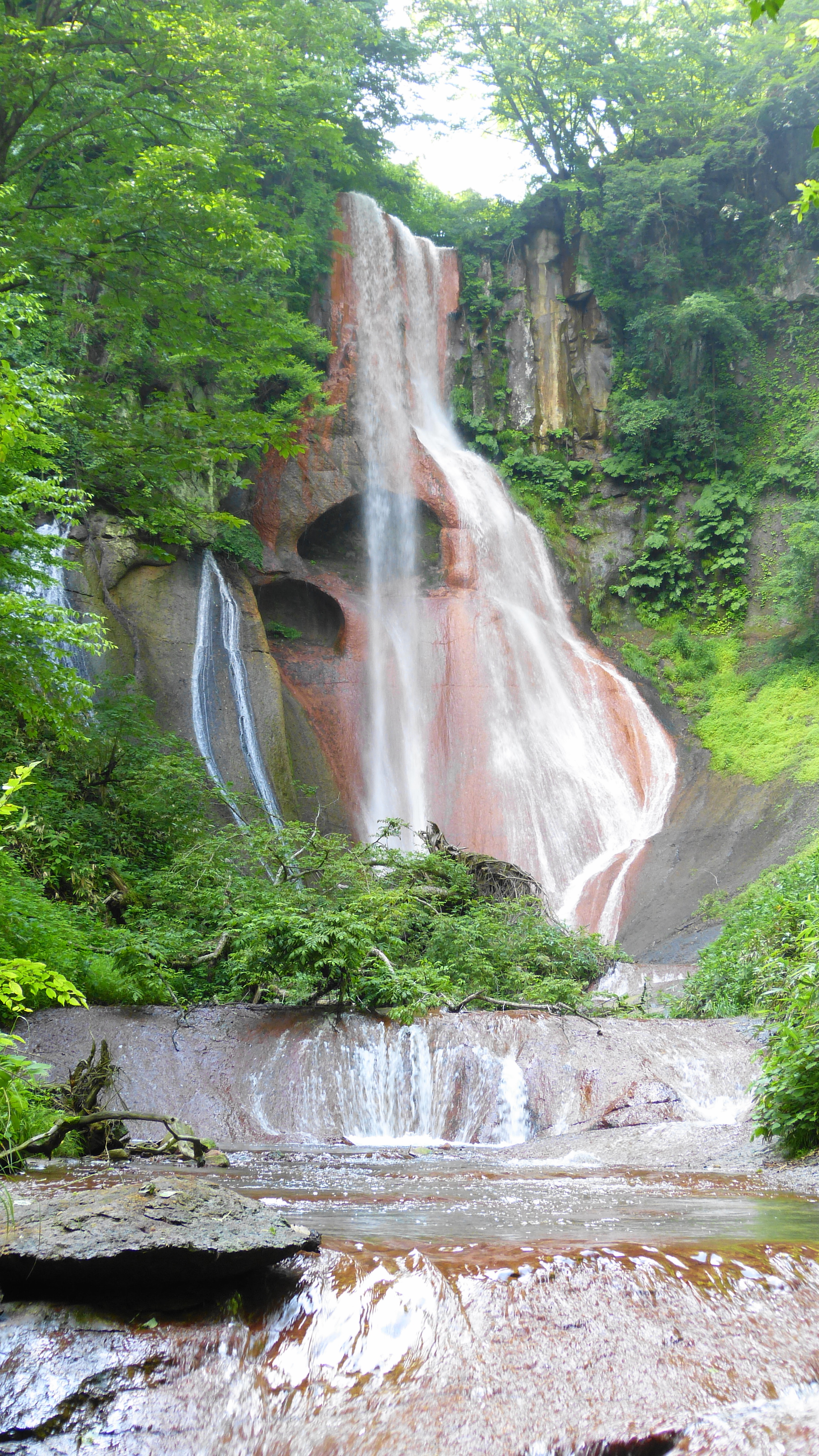
The cascade tumbles over a rugged cliff, creating a veil of mist that catches the sunlight in a dazzling display of rainbows. Surrounded by dense evergreen forest, the sound of the water echoing through the trees makes the area feel almost otherworldly.
History & Significance
While detailed historical records of 嫗仙の滝 are scarce, the waterfall has long been a cherished natural landmark for locals in Gunma. Its name, 嫗仙 (literally “old woman’s fairy”), hints at folklore that often surrounds remote waterfalls in Japan—stories of spirits or kami that protect the water’s purity. The site is listed on the Japanese Wikipedia page for 嫗仙の滝, confirming its cultural relevance within the region.
Because the waterfall is relatively undiscovered by mass tourism, it remains a pristine spot for hikers and nature lovers seeking an authentic Japanese wilderness experience.
3. How to Get There
By Public Transportation
- Start from Tokyo or Osaka – Take the JR Joetsu Shinkansen to Takasaki Station (Gunma).
- Transfer to the JR Shinetsu Line (or a local bus) and head toward Nakanojo Station.
- From Nakanojo Station, local buses or community shuttles run intermittently to the Nakanojomachi area.
Tip: Bus schedules can vary seasonally, so check the latest timetables on the Gunma Prefecture transportation website before you travel.
By Car
Renting a car offers the most flexibility, especially if you plan to explore nearby attractions.
- From Takasaki: Take the Kan'etsu Expressway (E17) toward Nikko and exit at Nakanojo IC. Follow the signs for Nakanojomachi; the waterfall is marked by a small roadside sign near the forest trailhead.
- Parking: A modest parking lot is available at the trailhead (usually free, but bring cash for any possible fees).
Walking & Hiking
The final stretch to 嫗仙の滝 is a short, well‑maintained forest path. The trail is relatively flat, making it accessible for most fitness levels. Wear sturdy shoes, as the path can be slippery after rain.
4. Best Time to Visit
| Season | What to Expect | Why It’s Ideal |
|---|---|---|
| Spring (Mar–May) | Fresh green foliage, blooming wildflowers, moderate water flow | The forest is vibrant, and the mist from the waterfall creates beautiful photo opportunities. |
| Summer (Jun–Aug) | Lush canopy, higher water volume, cooler micro‑climate | Perfect for escaping the heat; the waterfall’s spray offers natural cooling. |
| Autumn (Sep–Nov) | Brilliant red and orange leaves, crisp air | The contrast between the orange foliage and the white cascade is spectacular. |
| Winter (Dec–Feb) | Possible light frost, quieter trails | If you don’t mind colder temperatures, the waterfall can form delicate ice patterns—though access may be limited by snow. |
Overall recommendation: Late spring to early autumn (April–October) provides the most reliable weather and the richest visual experience.
5. What to Expect
The Senses
- Sight: A 25‑meter sheet of water plunges into a crystal‑clear pool, framed by moss‑covered rocks and towering cedars. Sunlight filtering through the canopy creates shimmering ribbons of light.
- Sound: The roar of the cascade blends with the rustle of leaves, providing a natural soundtrack that instantly calms the mind.
- Touch: On hot days, the fine mist feels refreshing on the skin. Bring a light jacket for cooler evenings.
Visitor Experience
Because 嫗仙の滝 is not heavily commercialized, you’ll find minimal facilities—just a modest restroom near the parking area and a few informational signs. This lack of crowds allows for a meditative experience: sit on a nearby rock, listen to the water, and let the forest’s tranquility recharge you.
If you’re a photographer, the best light occurs early morning (when the sun is low) or late afternoon (golden hour). A tripod is useful for long‑exposure shots that capture the silky flow of water.
6. Nearby Attractions
While you’re in the Nakanojomachi region, consider adding these nearby spots to your itinerary. They’re all within a short drive, making for a perfect day‑trip circuit.
| Attraction | Distance from 嫗仙の滝 | Highlights | Link |
|---|---|---|---|
| Osenno Falls (waterfall) | 0 km (same area) | Another cascade in the same forest, ideal for a quick side‑trip. | Osenno Falls |
| Yutaki (waterfall) | 2.5 km | A picturesque waterfall with a small walking trail. | Yutaki Waterfall |
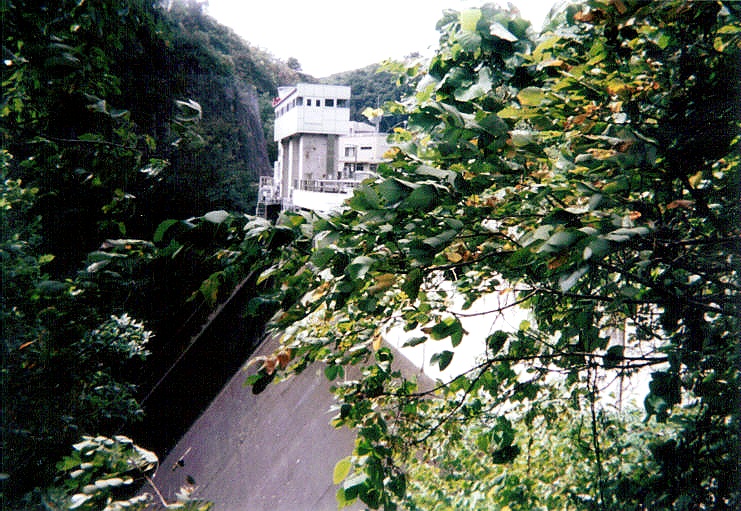
| 品木ダム (Shinboku Dam) | 2.7 km | Scenic reservoir surrounded by mountains; great for picnics. | Shinboku Dam |
| Sainokawara Park (waterfall) | 3.1 km | A park featuring a gentle cascade, walking paths, and seasonal foliage. | Sainokawara Park |
Suggested route: Start at 嫗仙の滝, then head to Yutaki for a short hike, stop at Shinboku Dam for lunch, and finish at Sainokawara Park before returning to your car.
7. Travel Tips
- Check Weather Forecasts – Heavy rain can swell the waterfall, making the trail slippery. Bring rain gear and sturdy boots.
- Carry Cash – Some rural areas in Gunma still rely on cash for parking or small purchases.
- Respect Nature – Keep the forest clean; there are no trash bins on the trail, so pack out what you bring in.
- Timing – Arrive early (before 10 am) during peak seasons to avoid the occasional weekend crowd and to capture the best light.
- Connectivity – Mobile signal can be spotty; download offline maps (Google Maps or MAPS.ME) using the coordinates 36.607518, 138.617555.
- Safety – Stay on marked paths. The rocks near the water’s edge can be slippery, especially after rain.
- Local Cuisine – After your waterfall adventure, try Gunma’s famous konnyaku dishes or a steaming bowl of udon at a nearby family‑run restaurant.
Final Thought
嫗仙の滝 may not appear on the typical tourist itineraries, but that’s precisely why it feels like a personal discovery. The combination of a 25‑meter cascade, serene forest ambience, and easy access from major transport hubs makes it a must‑visit for anyone traveling through Gunma. Pack your camera, lace up your hiking shoes, and let the mist of 嫗仙の滝 refresh your spirit.
Happy travels, and may the sound of the waterfall guide you to new adventures!