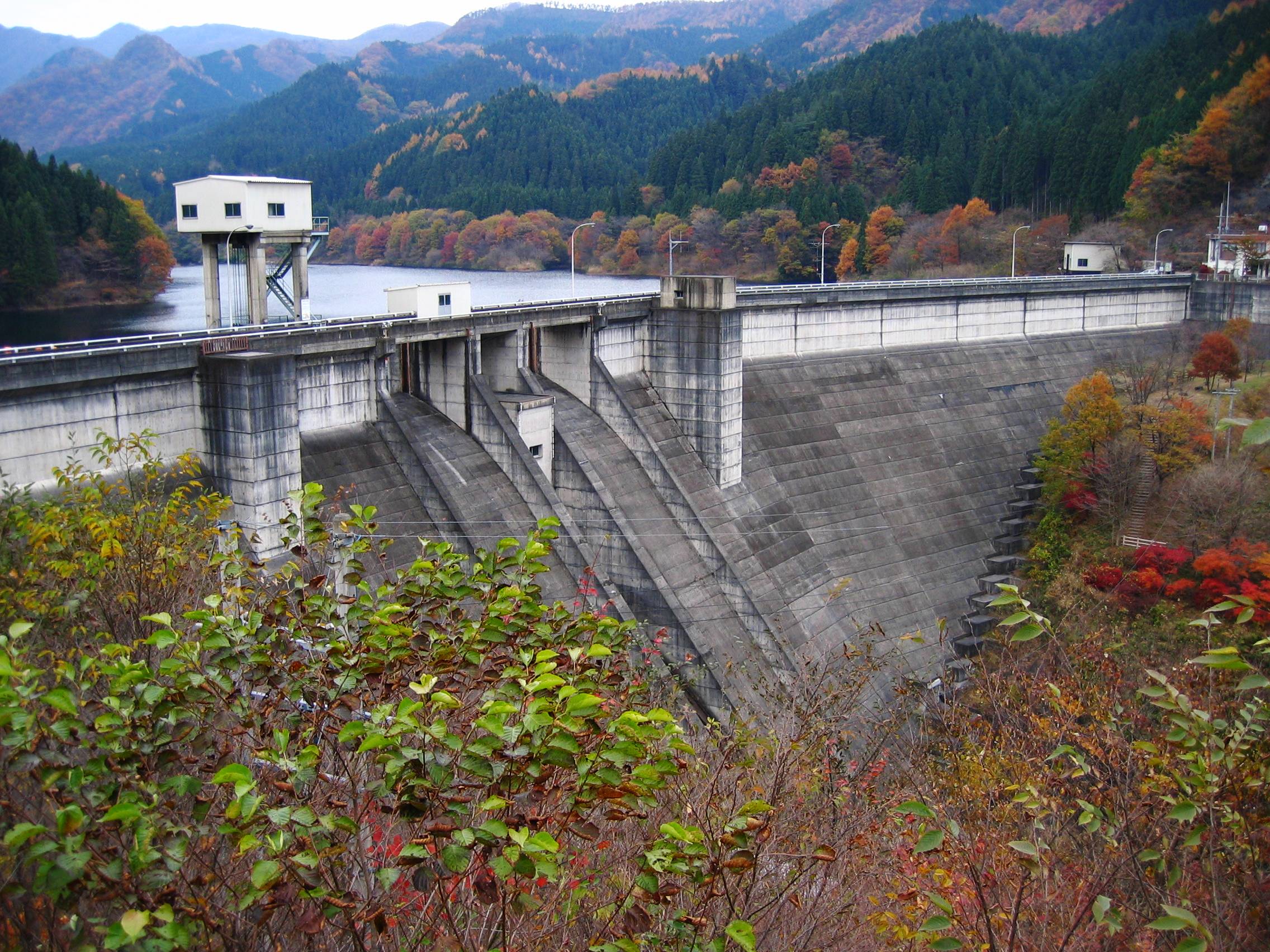
霧積ダム (Kirizumi Dam) – A Hidden Gem in Gunma’s Mountain Landscape
If you’re chasing off‑the‑beaten‑path scenery in Japan, the serene waters of 霧積ダム in Annaka, Gunma, should be at the top of your list. Nestled amid forested hills and just a short drive from several spectacular waterfalls, this modest dam offers a peaceful retreat for photographers, hikers, and anyone who loves a quiet spot by the water.
1. Introduction
Travelers often picture Japan through the lens of neon‑lit Tokyo, historic Kyoto temples, or the snow‑capped peaks of Hokkaido. Yet the country’s lesser‑known engineering marvels—like 霧積ダム—reveal a different side of Japanese beauty: calm reservoirs framed by lush greenery, gentle mountain breezes, and the subtle roar of nearby cascades. Whether you’re a dam enthusiast, a nature photographer, or simply looking for a tranquil day‑trip outside the city, 霧積ダム delivers an authentic slice of Gunma’s natural charm.
2. About 霧積ダム
- Location: Annaka, Gunma Prefecture, Japan
- Coordinates: 36.368558 N, 138.700799 E
- Type: Multipurpose dam (water storage, flood control, recreation)
Built to support local water management, 霧積ダム quietly regulates the flow of the surrounding streams while creating a crystal‑clear reservoir that mirrors the surrounding forest. Although the exact height and construction year are not publicly listed, the dam’s design blends seamlessly with its environment—an intentional choice that respects the region’s natural aesthetics.
The dam’s significance lies in its role within Gunma’s broader water‑resource network. It helps sustain agricultural lands downstream, supplies drinking water to nearby communities, and acts as a safety buffer during heavy rainfalls common to the Kantō region. For visitors, the reservoir offers a reflective surface that captures seasonal colors—from the fresh greens of spring to the fiery reds of autumn—making it a favorite spot for landscape photography.
3. How to Get There
From Tokyo (or other major hubs)
| Step | Mode of Transport | Approx. Time | Notes |
|---|---|---|---|
| 1 | JR Joetsu Shinkansen to Takasaki Station | 50 min | Direct high‑speed service from Tokyo Station. |
| 2 | JR Shinetsu Main Line (or local bus) to Annaka Station | 20 min | Trains run roughly every 30 minutes. |
| 3 | Taxi / Local Bus from Annaka Station to 霧積ダム | 15‑20 min (≈ 5 km) | Taxi is the most convenient; bus routes may be limited on weekends. |
By Car
If you prefer driving, rent a car and follow the Jōshin‑etsu Expressway (E17) to the Annaka‑IC exit. From there, take National Route 18 northward, then follow local signage for “霧積ダム”. The drive from the interchange to the dam is about 12 km and takes roughly 20 minutes. Parking is available in a small lot near the dam’s visitor area.
Practical Tips
- GPS coordinates (36.368558, 138.700799) work reliably on most navigation apps.
- Cellular coverage is generally good, but a paper map can be handy in remote sections.
- The dam is open year‑round, but the visitor area may close early during winter storms.
4. Best Time to Visit
| Season | Highlights | Why Visit |
|---|---|---|
| Spring (Mar‑May) | Cherry blossoms along the reservoir edge; fresh, clear water. | Mild temperatures and vibrant foliage make for perfect photo sessions. |
| Summer (Jun‑Aug) | Lush green canopy; occasional mist over the water in early mornings. | Ideal for early‑morning walks before the heat peaks; nearby waterfalls are at their fullest. |
| Autumn (Sep‑Nov) | Brilliant reds, oranges, and yellows reflecting on the dam’s surface. | The most photographed season—sunset hues create magical reflections. |
| Winter (Dec‑Feb) | Snow‑capped hills; tranquil, quiet atmosphere. | If you enjoy serene, snow‑covered landscapes, the dam’s stillness is captivating (note limited access during heavy snowfall). |
Overall, late April to early November offers the best combination of weather, accessibility, and visual appeal.
5. What to Expect
Arriving at 霧積ダム, you’ll be greeted by a modest visitor pavilion that houses basic amenities (restrooms, a small information board, and a souvenir shelf with locally produced items). The reservoir itself stretches gently across the valley floor, its surface often glass‑smooth—perfect for mirror‑like reflections of surrounding trees and clouds.
Walking & Photography
A short, well‑maintained trail loops around the dam, allowing you to capture multiple viewpoints without strenuous effort. Look for benches positioned at natural “vantage points” where the water meets the forest edge. Early morning light, especially during sunrise, creates a soft glow that photographers adore.
Wildlife & Soundscape
The area is a haven for birdwatchers; you may spot kingfishers darting over the water or hear the distant call of the Japanese bush warbler. The gentle hum of the dam’s spillway blends with the rustle of leaves, offering a calming soundtrack for meditation or simply unwinding.
Safety & Comfort
The water is not designated for swimming, and the dam’s edges are fenced for safety. Keep a respectful distance from any operational equipment, and follow posted signs regarding trail closures during high‑water periods.
6. Nearby Attractions
After soaking in the serenity of 霧積ダム, explore these nearby natural wonders—each just a short drive away:
| Attraction | Type | Distance from 霧積ダム | Quick Description |
|---|---|---|---|
| 坂本ダム (Sakamoto Dam) | Dam | 1.8 km | Another small dam offering a quiet picnic spot and scenic views of the surrounding hills. |
| Me Falls (Me no Taki) | Waterfall | 3.2 km | A cascade that tumbles over granite cliffs, especially impressive after rainy days. |
| O Falls (O no Taki) | Waterfall | 3.6 km | Known for its broad, veil‑like flow; a perfect backdrop for nature shots. |
| Asao Falls (Asao no Taki) | Waterfall | 4.5 km | A hidden gem nestled in a narrow gorge—ideal for hikers seeking a secluded waterfall. |
| Asaono Falls (Asaono no Taki) | Waterfall | 4.5 km | Similar to Asao Falls but with a slightly higher drop, creating a misty atmosphere in summer. |
All of these sites are reachable by car or local bus, and many have short trailheads that lead directly to the water’s edge. For a full‑day adventure, consider a “waterfall circuit” that visits Me, O, Asao, and Asaono Falls, returning to the dam for a sunset finale.
7. Travel Tips
| Tip | Details |
|---|---|
| Dress in layers | Gunma’s mountain climate can shift quickly; bring a light jacket even in summer. |
| Footwear | Sturdy walking shoes or light hiking boots are recommended for the trail around the dam and the nearby waterfalls. |
| Timing | Arrive early (7‑8 am) during peak seasons to avoid crowds and capture the best light. |
| Parking | The dam’s lot fills up fast on weekends; consider using the Annaka Station parking and taking a short taxi ride. |
| Food & Drink | Pack a picnic; there are limited vending machines near the dam. Local convenience stores in Annaka offer fresh onigiri and seasonal snacks. |
| Respect the Environment | Stay on marked paths, carry out all trash, and avoid feeding wildlife. |
| Check Water Levels | During heavy rain, the reservoir may rise, leading to temporary trail closures. Local signage or the Annaka town office website provides updates. |
| Connectivity | Free Wi‑Fi is not available at the dam, but you’ll find signal strength for mobile maps. |
| Seasonal Events | Occasionally, Annaka hosts a “Dam Illumination” night in autumn—check the town’s event calendar if you’re visiting late October. |
Final Thought
霧積ダム may not boast the towering height of Japan’s famous dams, but its understated charm, crystal‑clear reservoir, and proximity to a cluster of enchanting waterfalls make it a must‑visit destination for travelers seeking authentic, low‑key nature experiences in Gunma. Pack your camera, lace up your shoes, and let the gentle mist of the dam guide you into a day of tranquil discovery.
Happy travels, and may your journey to 霧積ダム be as refreshing as the mountain air itself!


