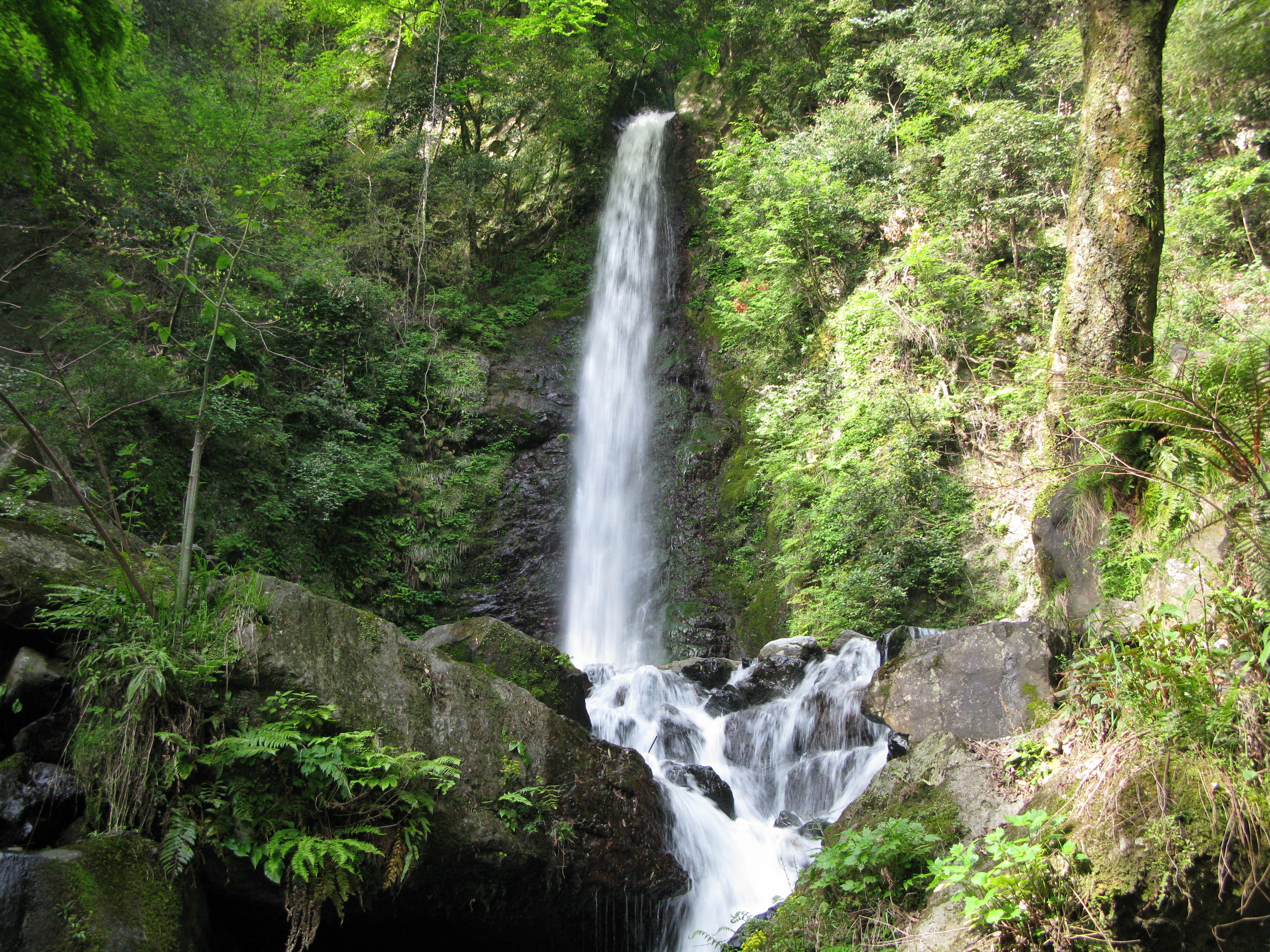
養老の滝 (Yōrō no Taki) – A Hidden Waterfall Gem in Tarui, Gifu, Japan
Discover the tranquil charm of 養老の滝, a serene waterfall tucked away in the lush countryside of Gifu Prefecture. Perfect for nature lovers, photographers, and anyone seeking a quiet escape from the city.
1. Introduction
If you’re planning a trip to central Japan and want to step off the well‑trodden tourist trail, the 養老の滝 (Yōrō no Taki) should be at the top of your list. Nestled in the small town of Tarui in Gifu Prefecture, this modest waterfall may not boast towering heights, but it offers an intimate encounter with pristine nature, crystal‑clear streams, and the gentle sound of water cascading over stone.
Imagine standing on a moss‑covered riverbank, the mist kissing your skin, while the surrounding forest whispers stories of ancient pilgrims and local folklore. Whether you’re a seasoned hiker, a family on a weekend outing, or a photographer hunting that perfect mist‑filled shot, 養老の滝 delivers a peaceful experience that feels like a secret shared only with those who seek it.
2. About 養老の滝
Description
- Location: Tarui, Gifu, Japan
- Coordinates: 35.280376 N, 136.534213 E
- Type: Natural waterfall (川の滝)
- Height & Altitude: Not officially recorded, but the cascade is gentle enough to be safely approached from the surrounding banks.
The waterfall drops from a modest height into a clear pool that feeds the Yōrō River. Surrounded by dense maple and cedar trees, the site changes character with the seasons—vibrant greens in summer, fiery reds in autumn, and delicate snow‑covered branches in winter.
History & Significance
While detailed historical records are scarce, 養老の滝 has long been a beloved local landmark. The name “養老” (Yōrō) translates roughly to “longevity” or “nourishment,” hinting at the traditional belief that the waters here possess restorative qualities. Local folklore suggests that travelers who drink from the pool may be granted a longer, healthier life—an anecdote that adds a touch of mystique to the already soothing setting.
The waterfall is also part of the broader Yōrō River watershed, which has supported agriculture and settlement in the Tarui basin for centuries. Small weirs and irrigation channels (some of which sit within a few hundred meters of the waterfall) illustrate how the community has harmoniously integrated the natural water flow into daily life.
3. How to Get There
By Train
- From Nagoya: Take the JR Tōkaidō Main Line to Tarui Station (approximately 45 minutes).
- From Osaka/Kyoto: Ride the JR Tokaido Line to Tarui via Shin-Ōsaka and Nagoya (about 2 hours total).
By Car
- From Nagoya: Drive east on the Meishin Expressway (E21), exit at Tarui Interchange, then follow Route 22 north for roughly 8 km.
- From Gifu City: Take National Route 21 eastward; the waterfall is sign‑posted after the town center.
Local Transportation
- Bus: The Tarui Community Bus runs a short loop from Tarui Station to the Yōrō River Park area, stopping within a 5‑minute walk of the waterfall.
- Taxi: Taxis are readily available at the station; a 10‑minute ride will drop you at the trailhead.
Walking Directions (from the nearest parking area)
- Park at the Yōrō River Park lot (free parking for up to 2 hours).
- Follow the well‑marked river trail heading east; the path is flat and suitable for all ages.
- After about 300 meters, you’ll hear the gentle roar of water—turn left onto the stone‑lined footbridge that leads directly to the viewing platform.
4. Best Time to Visit
| Season | Highlights | Tips |
|---|---|---|
| Spring (Mar‑May) | Cherry blossoms along the river; water flow is moderate. | Wear light rain gear; early mornings are less crowded. |
| Summer (Jun‑Aug) | Lush green foliage; perfect for a cool dip in the pool. | Bring sunscreen and insect repellent; expect occasional rain showers. |
| Autumn (Sep‑Nov) | Brilliant maple and oak colors; mist creates dramatic photo opportunities. | Arrive before sunset for golden‑hour lighting. |
| Winter (Dec‑Feb) | Snow‑capped trees and a quiet, almost mystical atmosphere. | Dress warmly; the waterfall may be partially frozen, creating stunning ice formations. |
Peak visitor months are April (cherry blossoms) and October (autumn colors). If you prefer solitude, aim for early weekday mornings in either the off‑season or right after the rain when the water is most lively.
5. What to Expect
The Senses
- Sight: A modest cascade spilling over smooth granite, framed by mossy rocks and seasonal foliage. In autumn, the backdrop bursts into reds and golds; in winter, delicate icicles cling to the edges.
- Sound: A soothing, continuous murmur—louder after heavy rains, softer during dry spells. The sound blends with birdsong and rustling leaves, creating a natural symphony.
- Touch: The air is cool and often misty; the rocks near the pool are slick, so sturdy shoes are advisable. The water temperature remains refreshingly cool year‑round, perfect for a quick splash in summer.
Facilities
- Viewing Platform: A short, wooden deck offers a safe spot to photograph the waterfall from a frontal angle.
- Restrooms: Public toilets are located near the parking lot.
- Picnic Area: Benches and a shaded spot under a large cedar tree invite a relaxed lunch.
Accessibility
The main trail to 養老の滝 is wheelchair‑friendly up to the viewing platform, though the final few steps may be uneven. The site is suitable for families with small children, provided they stay on the designated path.
6. Nearby Attractions
While 養老の滝 is the star of the day, the surrounding area offers several complementary spots that enrich your visit:
- Local Weir (0.0 km) – A historic stone weir sits right beside the waterfall, illustrating traditional water management techniques.
- Secondary Weir (0.1 km) – A short walk downstream reveals another small weir, perfect for quiet contemplation.
- Additional Waterfall (0.1 km) – A tiny cascade hidden behind a grove of maples; ideal for a quick photo stop.
- Nearby Waterfall (1.1 km) – A slightly larger waterfall accessible via a gentle forest trail; great for a longer hike.
- Further Weir (2.4 km) – Located near the outskirts of Tarui, this weir offers panoramic views of the river valley.
All of these sites are within a comfortable walking distance and can be combined into a half‑day nature loop.
7. Travel Tips
- Check the Weather: The waterfall’s flow varies with rainfall. After a rainy night, the cascade is at its most impressive.
- Bring a Small Towel: If you plan to dip your feet or take a quick swim, a towel will come in handy.
- Respect Local Customs: The area is considered a place of natural reverence; avoid littering and keep noise to a minimum.
- Photography Gear: A wide‑angle lens captures the full scene, while a telephoto lens isolates the water’s texture. A small tripod is useful for low‑light shots in autumn or winter.
- Cash for Snacks: Small vending machines near the parking lot sell drinks and local rice crackers—perfect for a quick snack.
- Stay Connected: Mobile reception can be spotty near the river; download offline maps (e.g., Google Maps offline area) before you set out.
- Timing: Arrive early (7‑8 am) during peak seasons to avoid crowds and enjoy the soft morning light.
Final Thought
養老の滝 may not be the tallest or most famous waterfall in Japan, but its quiet elegance, easy accessibility, and surrounding natural beauty make it a must‑visit for anyone traveling through Gifu Prefecture. Whether you’re chasing the perfect autumn leaf‑kissed photo, seeking a calming spot to meditate, or simply want to enjoy a peaceful walk by the water, this hidden gem offers a genuine taste of Japan’s countryside charm.
Pack your camera, slip on your walking shoes, and let the gentle roar of 養老の滝 guide you into a moment of timeless serenity.
Keywords: 養老の滝, Yōrō no Taki, waterfall in Gifu, Tarui travel, Gifu attractions, Japan waterfall, how to get to 養老の滝, best time to visit 養老の滝, travel tips Gifu