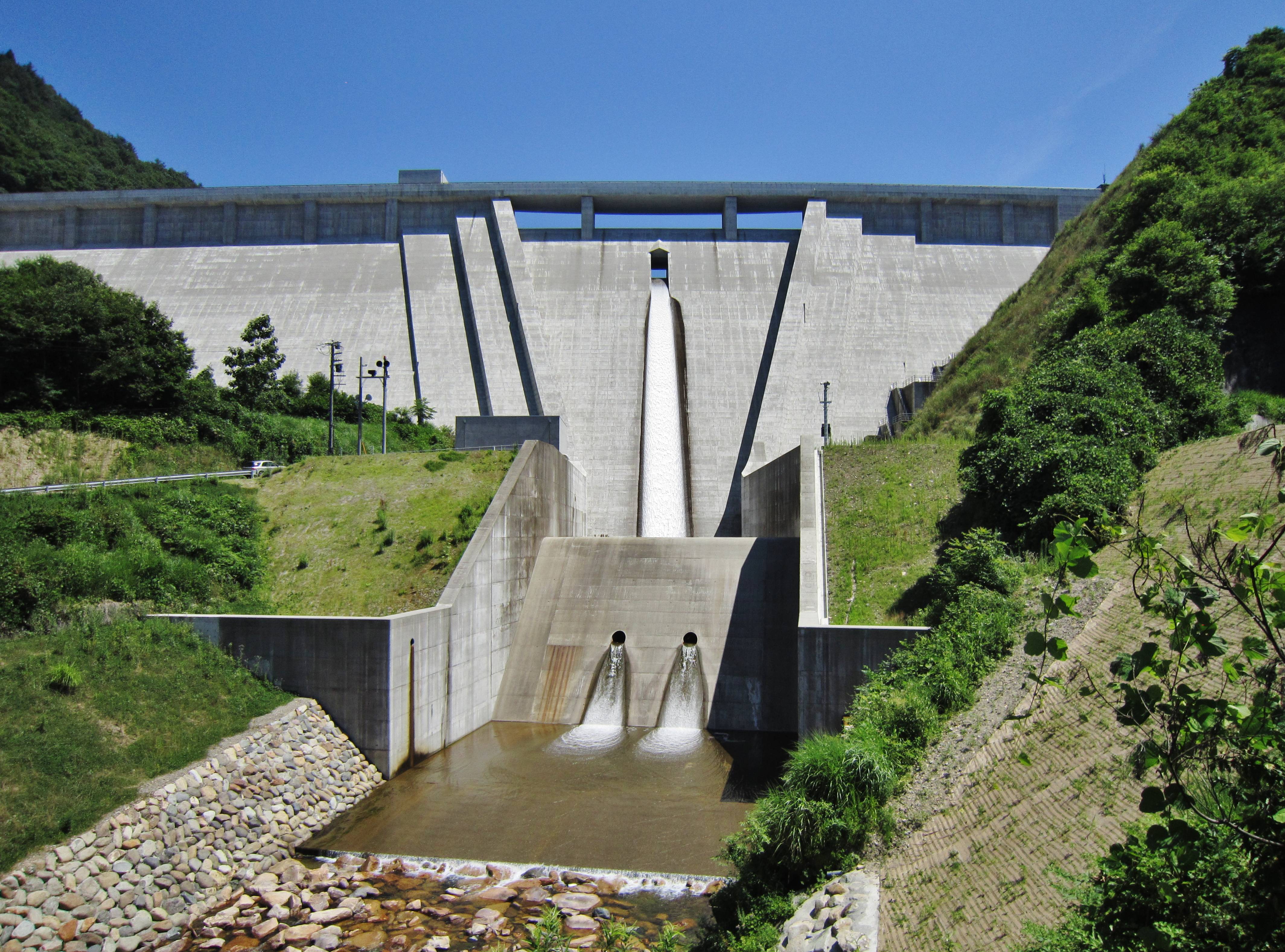
丹生川ダム (Nyu River Dam) – A Hidden Gem in Takayama, Gifu, Japan
Explore the tranquil beauty, practical travel tips, and nearby wonders of 丹生川ダム, one of Gifu Prefecture’s lesser‑known engineering marvels.
1. Introduction
If you’ve wandered the historic streets of Takayama, trekked the mist‑capped peaks of the Japanese Alps, or soaked in the hot springs of Gifu, you’ve already tasted the region’s charm. Yet there’s a quieter, equally captivating side that many travelers overlook: 丹生川ダム (Nyu River Dam). Nestled amid lush forest and crystal‑clear mountain streams, this dam offers a perfect blend of natural serenity and subtle industrial elegance—ideal for photographers, nature lovers, and anyone seeking a peaceful escape from the bustling city.
In this guide we’ll dive into the dam’s story, show you how to reach it, tell you when the scenery is at its best, and highlight nearby attractions that can round out a day‑trip itinerary. Let’s embark on a journey to one of Gifu’s hidden water‑front treasures.
2. About 丹生川ダム
A Brief Description
丹生川ダム is a gravity dam situated on the Nyu River (丹生川) in the northern part of Takayama, Gifu Prefecture. Its coordinates are 36.216725 N, 137.370820 E, placing it deep within the forested foothills of the Hida Mountains. While the exact height and altitude are not publicly disclosed, the dam’s modest scale blends seamlessly with the surrounding landscape, creating a calm reservoir that mirrors the sky and surrounding peaks.
History & Purpose
Built as part of the region’s water‑resource management system, 丹生川ダム plays a crucial role in flood control, irrigation, and maintaining stable water flow for downstream communities. Its construction reflects Japan’s long tradition of integrating engineering projects into natural settings without sacrificing aesthetic harmony. Although specific construction dates are scarce, the dam has served the local area for decades, supporting agriculture and providing a reliable water supply for Takayama’s expanding needs.
Cultural & Environmental Significance
Beyond its utilitarian purpose, the dam has become a modest but beloved spot for locals and hikers. The reservoir’s still waters attract seasonal wildlife—dragonflies in summer, migratory birds in autumn, and a gentle veil of mist in early spring. The surrounding forest is part of a protected watershed, ensuring that the water remains pristine and the ecosystem stays balanced. For travelers, 丹生川ダム offers a glimpse into how Japan balances modern infrastructure with deep respect for nature.
3. How to Get There
From Takayama Station
-
By Car – The most straightforward option. Rent a compact car in Takayama (numerous agencies near the station) and follow National Route 41 northward. After about 12 km, turn onto the local road marked for “丹生川ダム”. The drive takes roughly 25–30 minutes, winding through scenic valleys and offering occasional pull‑outs for photo stops.
-
By Bus – Takayama’s municipal bus system runs a limited “Hida‑Nyu River” line (bus #12) that departs from the Takayama Bus Center. The journey to the dam’s nearest stop takes about 45 minutes. From the stop, it’s a short 10‑minute walk along a well‑maintained trail to the dam’s viewing platform. Check the latest timetable on the Hida Bus website, as services are less frequent on weekends.
-
By Taxi – For a hassle‑free experience, hail a taxi from Takayama Station. Expect a fare of ¥4,500–¥5,500 depending on traffic. Taxis can also wait for you while you explore the reservoir and surrounding trails.
From Nagoya (for international travelers)
- Shinkansen + Limited Express – Take the Tokaido Shinkansen from Nagoya to Nagoya Station, then transfer to the JR Hida Limited Express bound for Takayama. The total travel time is about 2 hours. Once in Takayama, follow the directions above.
Practical Tips
- Parking: A small free parking lot sits at the dam’s base. It fills up quickly on weekends, so arrive early (7–8 am) during peak seasons.
- Signage: Road signs are in Japanese, but the dam’s name appears in both kanji (丹生川ダム) and romaji (Nyu River Dam). Keep a map app handy.
- Connectivity: Mobile reception is spotty near the reservoir; download offline maps beforehand.
4. Best Time to Visit
| Season | What to Expect | Why It’s Ideal |
|---|---|---|
| Spring (March–May) | Fresh green foliage, occasional cherry blossoms along the riverbank, gentle mist over the water. | The air is crisp, and the reservoir reflects the awakening forest—perfect for early‑morning photography. |
| Summer (June–August) | Lush canopy, vibrant dragonflies, cool breezes off the water. | Warm days make the dam a refreshing stop after hiking higher mountain trails. |
| Autumn (September–November) | Brilliant reds, oranges, and yellows; migratory birds begin to appear. | The color contrast between the dam’s concrete and the fiery foliage creates striking landscape shots. |
| Winter (December–February) | Snow‑capped trees, quiet stillness, occasional ice crystals on the reservoir surface. | Fewer visitors, offering a serene, almost meditative atmosphere. |
Peak visitor months are April (cherry blossom) and October (autumn foliage). If you prefer solitude, aim for early May or late November.
5. What to Expect
Scenic Highlights
- Panoramic Views: A modest viewing platform on the east side provides an unobstructed vista of the dam, the turquoise reservoir, and the surrounding mountains.
- Walking Trails: A 1.5 km loop trail circles the reservoir, featuring interpretive signs that explain the dam’s engineering and local ecology.
- Wildlife Spotting: Keep an eye out for Japanese bush warblers, kingfishers, and seasonal butterflies.
Visitor Experience
Arriving at 丹生川ダム feels like stepping into a quiet watercolor painting. The water is remarkably clear, allowing you to see the riverbed’s smooth stones. The sound of water gently spilling over the spillway creates a soothing backdrop, making it an ideal spot for a picnic or a brief meditation break.
Because the dam is not a major tourist hub, you’ll often encounter only a handful of fellow travelers—most of them hikers or local families. This low‑key atmosphere lets you linger as long as you like, whether you’re snapping photos, sketching the scene, or simply soaking in the calm.
6. Nearby Attractions
While 丹生川ダム is the star of the day, the surrounding area offers several additional points of interest that can easily be added to a half‑day or full‑day itinerary.
| Attraction | Distance from 丹生川ダム | What to See | Link |
|---|---|---|---|
| 丹生川ダム (the dam itself) | 0.0 km | Main attraction – reservoir, viewing platform, trail loop. | 丹生川ダム Wikipedia (ja) |
| Nearby Weir 1 | 9.1 km | Small river weir with historic stonework, ideal for a quick photo stop. | # |
| Nearby Weir 2 | 10.6 km | Scenic spot where the river narrows, perfect for bird‑watching. | # |
| Nearby Weir 3 | 11.0 km | Features a traditional wooden footbridge and a picnic area. | # |
| Nearby Weir 4 | 12.6 km | Offers a short hiking trail leading to a waterfall cascade. | # |
Note: The weirs are modest structures that showcase traditional Japanese water‑management techniques. They are accessible via local roads and provide additional opportunities for photography and quiet contemplation.
7. Travel Tips
- Dress for the Weather – Mountain weather changes quickly. Layered clothing, a waterproof jacket, and sturdy walking shoes are essential, especially in early spring or late autumn.
- Bring Snacks & Water – While there is a small kiosk near the parking lot, supplies are limited. Pack a light lunch or bento box to enjoy on the reservoir’s grassy banks.
- Respect the Environment – The dam area is part of a protected watershed. Dispose of trash in designated bins and stay on marked trails to preserve the delicate flora.
- Timing for Photos – Early morning (sunrise) or late afternoon (golden hour) yields the most dramatic lighting on the water’s surface. A tripod can help capture long‑exposure shots of the gentle flow.
- Check Seasonal Access – In heavy winter snowfall, some access roads may be closed. Verify road conditions with the Takayama tourism office before heading out.
- Currency & Payments – Rural shops may accept only cash, so carry some yen. Credit cards are accepted at larger establishments in Takayama city.
- Language Help – Signage around the dam is primarily Japanese. Having a translation app or a small phrasebook (e.g., “トイレはどこですか?” – “Where is the restroom?”) can be handy.
8. Wrap‑Up
丹生川ダム may not have the fame of Japan’s iconic bridges or towering skyscrapers, but it offers a uniquely peaceful experience that captures the essence of Gifu’s natural beauty and engineering finesse. Whether you’re a seasoned traveler seeking off‑the‑beaten‑path spots, a photographer hunting soft reflections, or simply a curious explorer, a visit to this serene dam will add a memorable chapter to your Takayama adventure.
Plan your trip, pack your camera, and let the gentle ripple of the Nyu River guide you to a hidden slice of Japanese tranquility.
Happy travels!