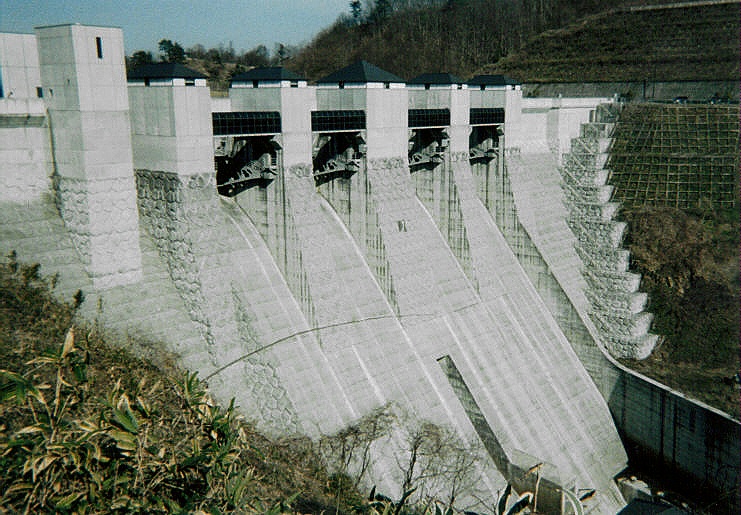
三春ダム (Miharu Dam) – A Hidden Gem in Fukushima, Japan
Discover the tranquil beauty, local culture, and easy‑going adventure that surround this lesser‑known dam in the heart of the Tōhoku region.
Introduction
If you think Japan’s most famous sights are limited to bustling Tokyo streets, neon‑lit Osaka, or the iconic Mount Fuji, think again. Nestled in the scenic town of Miharu in Fukushima Prefecture, 三春ダム (Miharu Dam) offers a peaceful retreat for nature lovers, photography enthusiasts, and anyone craving an off‑the‑beaten‑path experience. While the dam itself may not boast towering heights or world‑record statistics, its surrounding landscape—lush forests, gentle waterways, and historic cherry‑blossom sites—makes it a perfect day‑trip destination for both domestic and international travelers.
In this guide, we’ll dive into the dam’s background, how to reach it, the best seasons to visit, what you’ll see on‑site, nearby attractions (including the famed Miharu Takizakura), and practical travel tips to ensure a smooth adventure.
About 三春ダム
A Brief Overview
- Name: 三春ダム (Miharu Dam)
- Type: Dam 🏗️
- Location: Miharu, Fukushima, Japan
- Coordinates: 37.403695° N, 140.475101° E
- Wikipedia: 三春ダム (Japanese)
Built to support local water management—irrigation, flood control, and a modest supply of hydroelectric power—Miharu Dam plays a functional role in the agricultural heartland of Fukushima. Though official records list the dam’s height and altitude as “unknown,” its presence is unmistakable: a gentle concrete curve that holds back the clear waters of the surrounding river, creating a calm reservoir that mirrors the sky and surrounding hills.
Historical Significance
Miharu’s history stretches back centuries, famed for its Miharu Takizakura, a 1,000‑year‑old weeping cherry tree that draws visitors each spring. The dam, constructed in the latter half of the 20th century, reflects Japan’s post‑war push toward modernizing rural infrastructure while preserving the natural beauty that defines the region. It serves as a reminder that progress and preservation can coexist—a theme that resonates throughout Fukushima’s recovery and revitalization efforts after the 2011 disaster.
Why It Matters to Travelers
- Scenic Views: The reservoir offers postcard‑perfect reflections of seasonal foliage, especially during autumn’s fiery reds and golds.
- Quiet Atmosphere: Unlike crowded tourist hotspots, the dam’s surroundings are tranquil, ideal for meditation, sketching, or simply unwinding.
- Gateway to Local Culture: Visiting the dam puts you within walking distance of historic shrines, traditional farms, and the world‑renowned Miharu Takizakura.
How to Get There
From Tokyo
- Shinkansen to Fukushima Station – Take the Tōhoku Shinkansen (≈ 1 hour 30 minutes).
- JR Ban’etsu West Line – Transfer to the local train bound for Miharu Station (≈ 30 minutes).
- Bus or Taxi – From Miharu Station, hop on the community bus (route A) toward the dam, or take a short 10‑minute taxi ride (≈ 5 km).
From Fukushima City
- JR Ban’etsu West Line directly to Miharu Station (≈ 15 minutes).
- Local Bus – The “Miharu Loop” bus stops at the dam’s visitor parking lot.
By Car
- Expressway: From the Tōhoku Expressway, exit at Fukushima‑Miharu IC. Follow Route 46 eastward for 12 km; signs for “三春ダム” appear after the town center.
- Parking: A modest free parking area sits near the dam’s observation platform. Expect limited spaces on weekends during cherry‑blossom season, so arrive early.
Accessibility
The dam’s main walkway is wheelchair‑friendly, with gentle slopes and handrails. However, some surrounding trails (e.g., toward the waterfall viewpoints) may be uneven, so sturdy shoes are recommended.
Best Time to Visit
| Season | Highlights | Why Visit |
|---|---|---|
| Spring (Mar‑May) | Cherry blossoms at Miharu Takizakura, budding foliage around the reservoir. | The iconic pink canopy creates a magical backdrop for photos. |
| Summer (Jun‑Aug) | Lush green water, cool breezes, occasional firefly displays at night. | Perfect for picnics and early‑morning photography when the light is soft. |
| Autumn (Sep‑Nov) | Brilliant reds, oranges, and yellows on surrounding hills. | The dam’s mirror‑like surface reflects autumn colors spectacularly. |
| Winter (Dec‑Feb) | Snow‑capped landscape, quiet serenity, occasional ice‑formation on the water’s edge. | A peaceful, less‑crowded experience; great for winter photography. |
Peak Visitor Period: Late March to early April (cherry‑blossom season) and mid‑October (autumn foliage). If you prefer solitude, aim for early December or late January.
What to Expect
Scenic Walks & Photo Ops
- Observation Platform: A short, paved path leads to a raised deck offering panoramic views of the dam and reservoir. Bring a wide‑angle lens to capture the water’s reflection of the sky and surrounding mountains.
- Riverbank Trail: A 1.2 km loop follows the river’s edge, passing small cascades and wooden footbridges. The trail is ideal for leisurely strolls and bird‑watching.
Wildlife & Flora
- Birds: During migration seasons, you may spot egrets, kingfishers, and occasionally the elusive Japanese bush warbler.
- Plants: Early summer brings vibrant hydrangeas; autumn brings maple and ginkgo trees that line the walking paths.
Facilities
- Restrooms: Clean, gender‑neutral facilities near the parking lot.
- Picnic Area: Benches and a few tables under a canopy of trees—perfect for a bento lunch.
- Information Board: A bilingual (Japanese/English) board explains the dam’s purpose, construction history, and local ecology.
Atmosphere
Unlike the bustling tourist magnets of Kyoto or Osaka, 三春ダム exudes a gentle, contemplative vibe. The gentle hum of water flowing through the spillway, combined with rustling leaves, creates a soothing soundtrack for meditation or creative work.
Nearby Attractions
While the dam itself offers a serene experience, the surrounding area is peppered with additional points of interest—all within a short drive or walk.
| Attraction | Distance from 三春ダム | Highlights | Link |
|---|---|---|---|
| Sakura Lake (Waterfall) | 0.8 km | A picturesque waterfall that feeds into a small lake, ideal for short hikes and photo stops. | Sakura Lake (Japanese) |
| Ageishi no Fudou Zakura (Waterfall) | 2.2 km | A hidden waterfall surrounded by ancient cedar trees; perfect for nature lovers seeking quiet. | [Ageishi no Fudou Zakura] |
| Miharu Takizakura | 2.3 km | One of Japan’s three most celebrated weeping cherry trees; spectacular during spring. | Miharu Takizakura (English) |
| (Another) Dam | 0.7 km | A small auxiliary dam offering additional viewpoints of the river system. | Dam (Japanese) |
| Sakura Lake (Waterfall) – Alternate Viewpoint | 1.3 km | A different angle of the same waterfall, providing varied lighting for photographers. | [Sakura Lake (Waterfall)] |
Tip: Combine a visit to the dam with a leisurely walk to Miharu Takizakura—the two sites are connected by a gentle hillside path that takes about 30 minutes each way.
Travel Tips
- Timing is Everything – Arrive early (before 9 am) during cherry‑blossom or autumn foliage seasons to avoid crowds and secure parking.
- Dress in Layers – Fukushima’s climate can shift quickly, especially near the water; a light jacket is advisable even in summer evenings.
- Bring Cash – Small local eateries and souvenir stalls may not accept credit cards.
- Respect Local Culture – When visiting shrines or private farms nearby, follow posted signs, stay on designated paths, and speak softly.
- Photography Etiquette – Use a tripod only in designated areas; avoid blocking the walkway for other visitors.
- Stay Connected – Free Wi‑Fi is limited; consider downloading offline maps (Google Maps or MAPS.ME) before you go.
- Safety First – The dam’s spillway can be slippery; keep children close and avoid stepping onto the concrete wall.
- Seasonal Food – Try the local Miharu soba (buckwheat noodles) at a nearby family‑run restaurant; it’s especially comforting after a walk around the dam.
Final Thoughts
三春ダム may not be on every travel itinerary, but that’s precisely why it deserves a spot on yours. Its tranquil waters, gentle surroundings, and proximity to cultural landmarks like the Miharu Takizakura make it an ideal day‑trip for those seeking authentic, low‑key experiences in Fukushima. Whether you’re a photographer chasing reflections, a history buff interested in Japan’s post‑war infrastructure, or simply a traveler yearning for peace away from crowds, the dam and its neighboring attractions promise a memorable slice of rural Japan.
Pack your camera, slip on comfortable shoes, and set your GPS to 37.403695, 140.475101—the heart of Miharu awaits. Safe travels!


