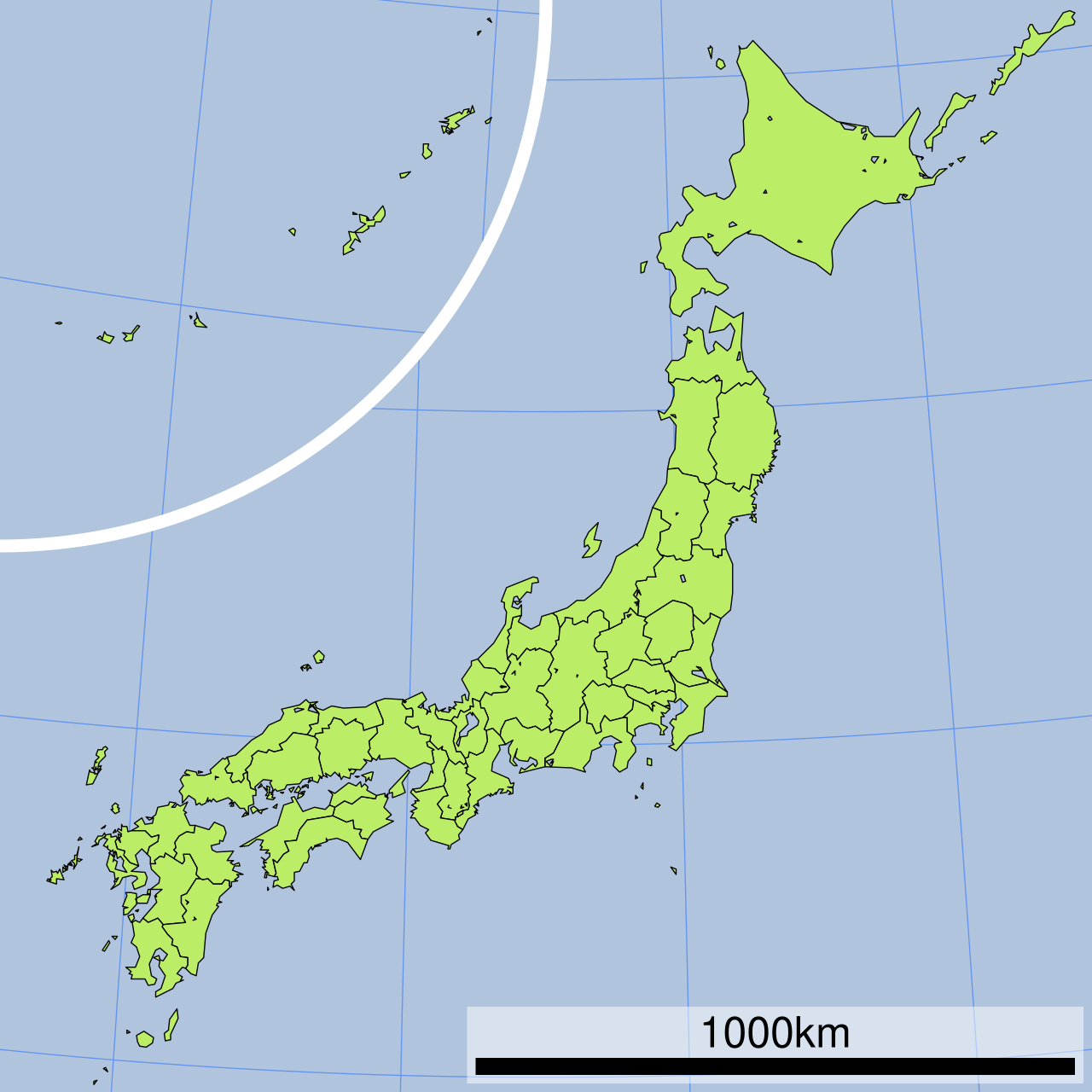
小石原川ダム (Koishiwara River Dam) – A Hidden Gem in Amagi, Fukuoka
Discover the towering beauty, serene surroundings, and easy‑going charm of one of Kyushu’s most impressive dams.
Introduction
If you’ve ever wandered through the lush valleys of Fukuoka Prefecture, you may have heard locals whisper about a “giant of stone and water” perched high above the countryside. That giant is 小石原川ダム (Koishiwara River Dam), a 139‑meter‑tall concrete marvel that quietly dominates the landscape of Amagi town. While it doesn’t have the fame of Japan’s massive hydro‑power projects, the dam offers breathtaking panoramas, crisp mountain air, and a perfect spot for off‑the‑beaten‑path travelers who love engineering, nature, and photography.
In this guide we’ll dive into the dam’s background, how to reach it, the best seasons to visit, what you’ll see on‑site, nearby attractions, and essential travel tips—so you can plan a smooth, memorable day trip or a relaxed weekend adventure.
About 小石原川ダム
What Is It?
- Type: Concrete gravity dam (🏗️)
- Location: Amagi, Fukuoka Prefecture, Japan
- Coordinates: 33.467622 N, 130.763788 E
- Height: 139 m (about the height of a 45‑story building)
The dam was built to regulate the flow of the 小石原川 (Koishiwara River), providing water supply, flood control, and supporting local agriculture. Its massive concrete wall blends seamlessly into the surrounding forested hills, creating a dramatic contrast between the engineered structure and the natural scenery.
A Brief History
Construction of 小石原川ダム began in the late 20th century as part of a regional development plan aimed at securing stable water resources for the growing communities of northern Fukuoka. Though the exact completion year is not listed in the public sources we consulted, the dam has been operational for several decades and remains a vital piece of infrastructure for the area.
Why It Matters
- Water Management: The dam plays a key role in controlling seasonal river flow, protecting downstream towns from flood damage.
- Environmental Balance: By moderating water release, it helps maintain river ecosystems, supporting fish habitats and riparian vegetation.
- Scenic Value: The sheer height and the reservoir’s mirror‑like surface create a photogenic backdrop that attracts hikers, cyclists, and drone enthusiasts.
For more in‑depth information, you can visit the Japanese Wikipedia page: https://ja.wikipedia.org/wiki/小石原川ダム.
How to Get There
By Public Transportation
- Train to Amagi – Take the Nishitetsu Amagi Line from Fukuoka (Tenjin) Station to Amagi Station (≈ 45 minutes).
- Bus Transfer – From Amagi Station, board a local Fukuoka City Bus bound for the “Koishiwara River” stop. Buses run roughly every hour on weekdays; check the latest timetable on the Nishitetsu website.
- Walk / Shuttle – The dam is about 3 km from the bus stop. A short, well‑marked walking trail leads you up the hillside, or you can hire a local taxi for a 10‑minute ride.
By Car
- From Fukuoka City: Take the National Route 202 eastward, then merge onto Prefectural Road 41 toward Amagi. Follow the signs for “小石原川ダム” – the road is paved and offers scenic pull‑over spots for photos.
- Parking: A small free parking lot sits near the visitor viewpoint. Space is limited, so arriving early (especially on weekends) is advisable.
By Bicycle
The surrounding countryside is popular among road‑bike enthusiasts. The route from Amagi Station to the dam is about 12 km round‑trip with moderate elevation gain, offering a rewarding climb and stunning views on the descent.
Best Time to Visit
| Season | Highlights | Why Visit |
|---|---|---|
| Spring (Mar–May) | Cherry blossoms along the access road, mild temperatures (15‑20 °C). | Ideal for photography; the reservoir reflects pink‑white blossoms. |
| Summer (Jun–Aug) | Lush green foliage, occasional mist over the water. | Cool mountain breezes make a pleasant escape from the hot city. |
| Autumn (Sep–Nov) | Brilliant red‑orange maple leaves, clear skies. | The dam’s concrete walls contrast beautifully with autumn colors. |
| Winter (Dec–Feb) | Rare snowfall creates a serene, almost ethereal scene. | Low visitor numbers; perfect for tranquil contemplation. |
Tip: The dam’s viewpoint is most spectacular on clear days when the reservoir acts like a glass mirror. Check the local weather forecast (e.g., “tenki.jp”) before heading out.
What to Expect
The Viewpoint Experience
When you reach the designated viewing platform, you’ll be greeted by a panoramic vista that stretches across the Koishiwara River reservoir and up to the dam’s towering crest. The platform includes safety railings and informational panels (in Japanese) that explain the dam’s engineering and environmental role.
- Photo Opportunities: Capture the dam from the side to emphasize its height, or frame it against the distant mountains for a dramatic composition.
- Soundscape: The gentle rush of water, occasional bird calls, and the faint hum of the turbine (if the dam is generating power) create a calming atmosphere.
Walking Trails
A short nature trail circles the reservoir’s edge, offering spots to rest on benches and observe local flora such as azalea, camellia, and seasonal wildflowers. The trail is relatively flat, suitable for casual walkers and families with children.
Facilities
- Restrooms: Basic public toilets are available near the parking lot.
- Picnic Area: A modest picnic spot with a few tables lets you enjoy a packed lunch while taking in the scenery.
- No Admission Fee: Visiting the dam and its surrounding area is free of charge.
Nearby Attractions
While 小石原川ダム is the star of the day, the surrounding region boasts several other points of interest that can be combined into a full‑day itinerary.
-
江川ダム (Egawa Dam) – Only 2.9 km away, Egawa Dam offers another impressive concrete structure and a tranquil lakeside promenade. Learn more: 江川ダム Wikipedia (ja)
-
Unnamed Dam (4.0 km) – A smaller dam nestled in the hills, perfect for a quick stop and a quiet photo session.
-
Fountain A (5.1 km) – A charming public fountain surrounded by a small garden, ideal for a brief rest.
-
Fountain B (5.1 km) – Another local fountain, often visited by residents for seasonal flower displays.
-
Fountain C (5.2 km) – A picturesque water feature that adds a touch of serenity to the countryside walk.
All of these spots are reachable by the same local roads that lead to 小石原川ダム, making them convenient add‑ons to your travel plan.
Travel Tips
- Language: Signage around the dam is primarily in Japanese. Having a translation app (e.g., Google Translate) handy can help you read the informational panels.
- Timing: Arrive early (7:30 – 8:30 am) on weekends to secure parking and enjoy the site before crowds.
- Footwear: Wear sturdy, comfortable shoes—some sections of the trail can be slippery after rain.
- Weather Gear: Bring a lightweight rain jacket in summer (typhoons can bring sudden showers) and a warm layer in winter.
- Photography: If you’re using a drone, check local regulations; many parks in Japan restrict drone flights without prior permission.
- Food: There are no restaurants on‑site, so pack a bento or snacks. Nearby Amagi town offers local specialties such as tonkotsu ramen and miso soup for a post‑visit meal.
- Cash: Small vending machines and the nearby bus stop may only accept cash, so carry some yen.
- Respect the Environment: Stay on marked paths, dispose of trash responsibly, and avoid feeding wildlife.
Final Thoughts
小石原川ダム may not appear on every mainstream travel guide, but its towering presence, tranquil reservoir, and surrounding natural beauty make it a rewarding destination for anyone exploring Fukuoka’s countryside. Whether you’re an engineering enthusiast, a nature photographer, or simply seeking a peaceful escape from the city, the dam offers a slice of Japan that feels both grand and intimate.
Pack your camera, hop on a train to Amagi, and let the gentle rush of the Koishiwara River welcome you to one of Kyushu’s hidden treasures. Safe travels!