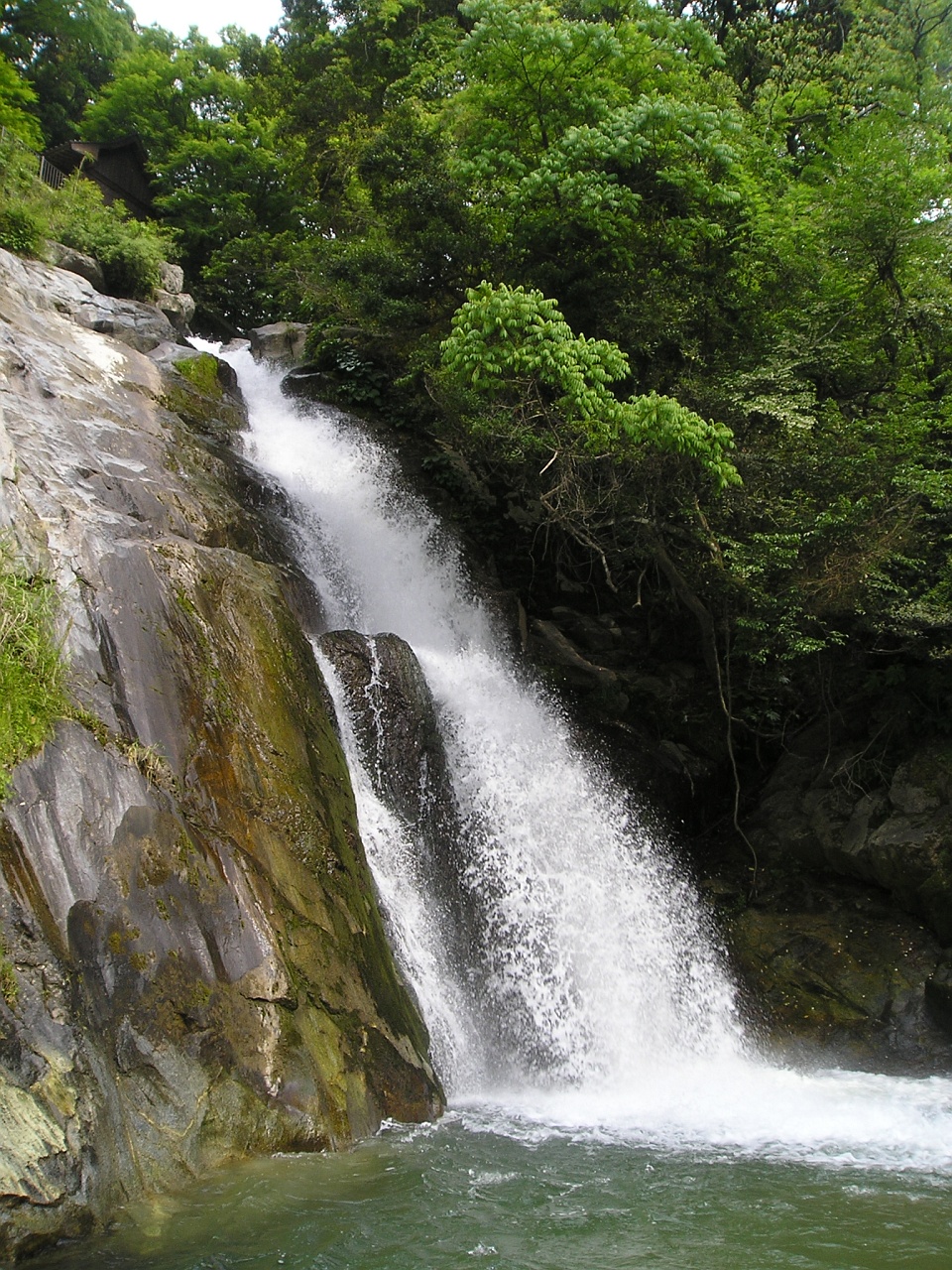
観音の滝 (Kannon no Taki) – A Hidden 45‑Meter Gem in Fukuoka, Japan
Discover the serene power of one of Kyushu’s lesser‑known waterfalls, perfect for nature lovers, photographers, and anyone craving a peaceful escape.
1. Introduction
If you’ve trekked the famous waterfalls of Japan—like Kegon‑dera in Nikko or Nachi‑no‑taki in Wakayama—yet still feel the pull of an undiscovered cascade, 観音の滝 (Kannon no Taki) in Fukuoka should be at the top of your list. Nestled in the quiet town of Maebaru‑chuo, this 45‑meter plunge drops into a crystal‑clear pool surrounded by lush forest, offering a tranquil backdrop that feels worlds away from the bustling streets of Fukuoka City.
Whether you’re a seasoned hiker, a family on a weekend getaway, or a solo traveler chasing the perfect Instagram shot, Kannon no Taki delivers a blend of natural beauty, cultural resonance, and easy‑to‑reach adventure—making it an essential stop on any Fukuoka waterfall itinerary.
2. About 観音の滝
What Makes Kannon no Taki Special?
- Height: 45 m (≈148 ft) – a striking vertical drop that creates a misty veil in sunny weather.
- Location: Maebaru‑chuo, Fukuoka Prefecture, Japan (33.435516 N, 130.129678 E).
- Type: Classic plunge waterfall, where water free‑falls from a sheer cliff into a natural basin.
History & Cultural Significance
The name 観音 (Kannon) references the Buddhist deity of compassion, Kannon Bosatsu. While specific historical records for this waterfall are limited, many Japanese waterfalls bearing the “Kannon” name are traditionally linked to local shrines or legends that honor the goddess’s protective spirit. Visitors often feel a subtle sense of reverence as they stand beneath the roaring cascade, a feeling that aligns with the compassionate aura associated with Kannon.
The surrounding forest has long served as a quiet spot for meditation and seasonal festivals, especially during the Hanami (cherry‑blossom) and Momiji (autumn‑leaf) periods when the foliage frames the waterfall in vivid colors.
3. How to Get There
By Public Transportation
| Step | Details |
|---|---|
| Start | From Fukuoka Airport (FUK) or Hakata Station, board the JR Kagoshima Line toward Maebaru. |
| Alight | Get off at Maebaru Station (約30 min). |
| Bus Transfer | Exit the station and catch the local Fukuoka City Bus (route #XXX – “Maebaru‑chuo Loop”) toward Kannon no Taki. The bus stop is a 5‑minute walk from the waterfall’s trailhead. |
| Walking | From the bus stop, follow the signposted forest path (≈300 m). The trail is well‑maintained and takes about 5 minutes to reach the viewing platform. |
Tip: Bus schedules are less frequent on weekends and holidays; check the latest timetable on the Fukuoka City Transportation website before you travel.
By Car
- From Fukuoka City Center: Take the E3 (Fukuoka‑Kitakyushu Expressway) toward Kitakyushu, exit at Maebaru Interchange, then follow Route 2 (国道2号) for 3 km. Turn left onto Kannon‑no‑taki Road; parking is available at the designated lot near the trailhead (free for the first 2 hours).
- GPS Coordinates: 33.435516, 130.129678 – input directly into your navigation system for the exact spot.
Accessibility
The final approach to the waterfall is a short, paved path with gentle slopes—suitable for most visitors, though there are a few steps near the viewing platform. No wheelchair‑accessible routes are currently available, so be prepared for a light walk on natural terrain.
4. Best Time to Visit
| Season | Highlights | Why Visit |
|---|---|---|
| Spring (Mar‑May) | Cherry blossoms, fresh green foliage, moderate temperatures (15‑20 °C). | Ideal for photography; the mist creates a soft, ethereal glow around blooming sakura. |
| Summer (Jun‑Aug) | Lush canopy, cooler microclimate near the water. | Perfect for a refreshing dip in the pool (if water levels permit) and escaping the city heat. |
| Autumn (Sep‑Nov) | Vibrant maples and ginkgo turning red, orange, and gold. | The waterfall’s mist catches the autumn colors, delivering a dramatic contrast. |
| Winter (Dec‑Feb) | Crisp air, occasional light snow on surrounding trees. | Fewer crowds; the waterfall’s roar is especially resonant in the quiet winter hush. |
Peak visitor months are late April (cherry blossom season) and late October (autumn foliage). Arriving early in the morning (around 8 am) helps you beat the crowds and enjoy the serene atmosphere.
5. What to Expect
The Senses
- Sight: A 45‑meter curtain of water plunges into a turquoise basin, framed by dense evergreen and seasonal foliage. The mist creates a natural rainbow on sunny days.
- Sound: The roar of the cascade is both invigorating and meditative, masking urban noise and inviting contemplation.
- Touch: The air is cool and humid; if you venture close to the edge, expect a fine spray that instantly refreshes your skin.
- Smell: Fresh pine and riverine earth combine for a clean, invigorating aroma—perfect for deep breaths and mindfulness.
Trail Experience
The short approach trail is lined with interpretive signs explaining local flora, geology, and the cultural significance of Kannon. A modest wooden boardwalk leads to a viewing platform that offers a panoramic perspective of the waterfall and the downstream river. For the adventurous, a stepping stone path (season‑dependent) allows you to get within a few meters of the water’s edge—just watch your footing!
6. Nearby Attractions
While Kannon no Taki is the star, the surrounding area boasts several other natural wonders that can be explored in a single day:
| Attraction | Distance from Kannon no Taki | What to See |
|---|---|---|
| Kannonno Falls (観音の滝) | 0.1 km | A smaller cascade that complements the main waterfall. |
| 狭霧の滝 (Sagaru no Taki) | 0.2 km | Known for its “narrow mist” effect; great for close‑up photos. |
| 白竜の滝 (Shiroryu no Taki) | 0.4 km | “White Dragon” waterfall; offers a dramatic vertical drop. |
| 白絹の滝 (Shirokinu no Taki) | 0.5 km | “White Silk” waterfall; the water flows over smooth rock, creating a silky appearance. |
| [Weir] (Name TBD) | 2.5 km (Saga Prefecture) | A historic irrigation weir that showcases traditional water management. |
Quick Links:
- Kannonno Falls – Wikipedia
- 狭霧の滝 – Local Info
- 白竜の滝 – Local Info
- 白絹の滝 – Local Info
- Saga Weir – Travel Guide
These sites are all reachable via the same forest trail network; a leisurely 30‑minute walk will let you experience four waterfalls in a row—a “waterfall tour” that many local hikers rave about.
7. Travel Tips
- Footwear: Wear sturdy, waterproof hiking shoes with good grip. The trail can be slippery after rain.
- Timing: Arrive early (7:30‑8:30 am) to avoid the weekend crowd and capture soft morning light.
- Weather Check: The waterfall’s flow is strongest after rain; check the local forecast for recent precipitation if you want a powerful cascade.
- Photography: Bring a polarizing filter to reduce glare on the water and a tripod for long‑exposure shots that smooth the falling water.
- Respect Nature: Stay on marked paths, avoid littering, and refrain from climbing the rocks—safety first, preservation second.
- Food & Drink: There are no vending machines on site, so pack a light snack and water. A small picnic near the viewing platform is a lovely way to soak in the scenery.
- Language: Signage is primarily in Japanese; having a translation app handy will help you read trail information.
- Emergency: The nearest medical facility is Maebaru Municipal Hospital, about 7 km away. Keep a basic first‑aid kit and a charged phone.
Wrap‑Up
観音の滝 may not have the fame of Japan’s iconic waterfalls, but its 45‑meter plunge, serene forest setting, and cultural aura make it a hidden treasure worth seeking out. Combine it with the nearby cascades for a full‑day nature immersion, and you’ll leave Fukuoka with unforgettable memories—and perhaps a newfound appreciation for the gentle compassion embodied by Kannon herself.
Ready to chase the mist? Pack your boots, set your GPS to 33.435516, 130.129678, and let the sound of water guide you to one of Kyushu’s most peaceful retreats.
Happy travels, and may the waterfall’s rhythm sync with your own heartbeat.
