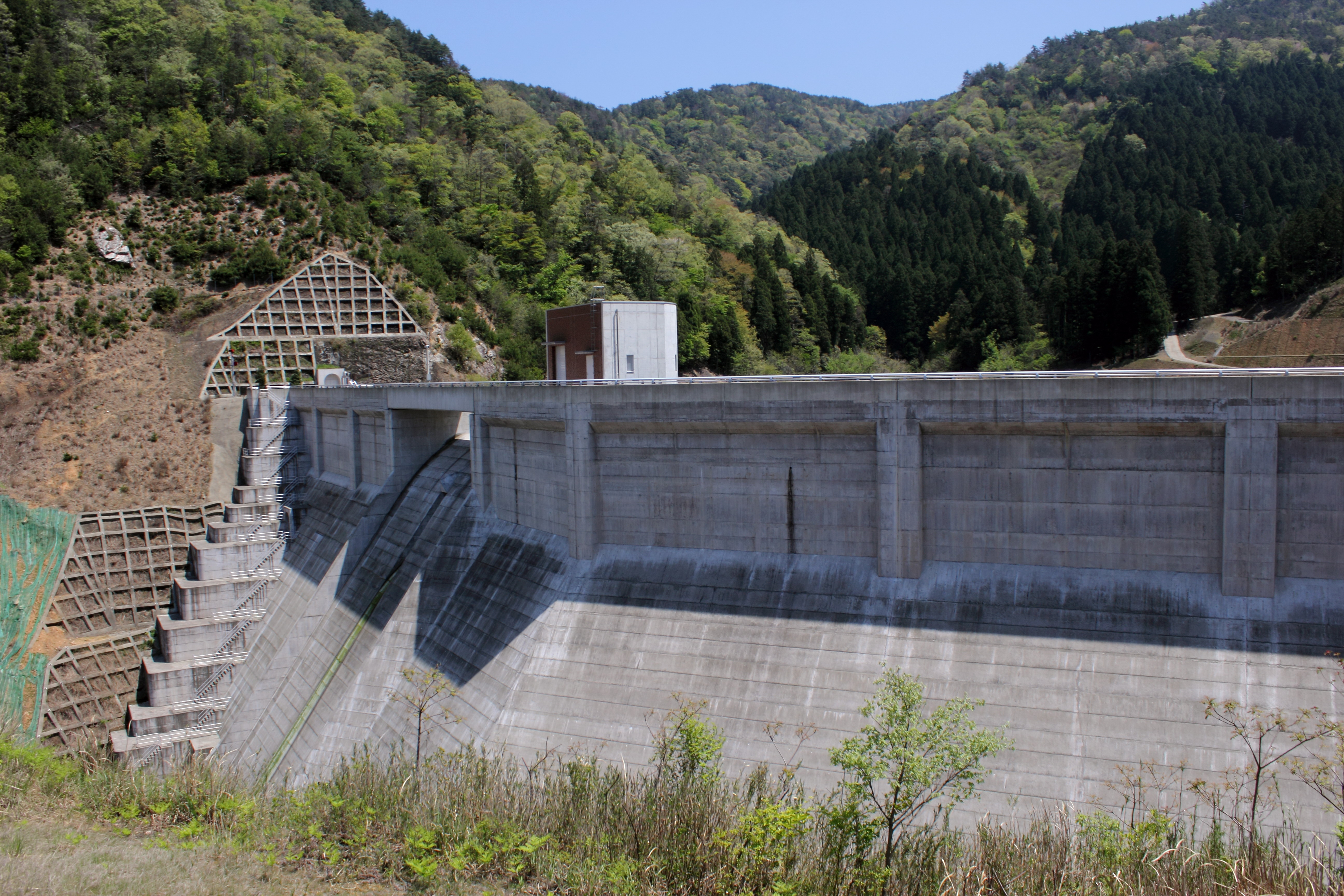
大津呂ダム (Ōtsuro Dam) – A Hidden Gem in Obama, Fukui, Japan
Discover the serene beauty, engineering marvel, and local charm of 大津呂ダム, one of Fukui’s lesser‑known dam attractions.
1. Introduction
If you’ve ever dreamed of standing beside a tranquil reservoir framed by lush Japanese countryside, the Ōtsuro Dam (大津呂ダム) in Obama, Fukui, should be at the top of your travel list. Nestled on the coast of the Sea of Japan, this modest yet striking dam offers a perfect blend of nature, engineering, and quiet contemplation—far from the crowds of Japan’s famous tourist hotspots. Whether you’re a photography enthusiast, a civil‑engineering aficionado, or simply a traveler seeking off‑the‑beaten‑path scenery, Ōtsuro Dam delivers an unforgettable experience that captures the heart of Fukui’s rural landscape.
2. About 大津呂ダム
A Brief Overview
- Name: 大津呂ダム (Ōtsuro Dam)
- Type: Concrete dam (🏗️)
- Location: Obama City, Fukui Prefecture, Japan
- Coordinates: 35.453833° N, 135.630739° E
- Primary Purpose: Water resource management for the surrounding region
While official records do not list the dam’s exact height or altitude, its presence is unmistakable. Built to regulate water flow and support local agriculture, Ōtsuro Dam also serves as a flood‑control structure that protects the coastal town of Obama. Its construction reflects Japan’s post‑war emphasis on robust infrastructure, especially in regions where the sea and mountains converge.
Historical Significance
Ōtsuro Dam was completed during a period of rapid modernization in Fukui Prefecture. The dam’s development helped stabilize water supply for rice paddies and fisheries—two pillars of the local economy. Over the decades, it has become a quiet symbol of resilience, showcasing how engineering can harmonize with the natural environment.
Why It Matters
- Environmental stewardship: The reservoir supports local ecosystems, providing habitat for migratory birds and freshwater fish.
- Cultural relevance: The dam is often featured in regional promotional material as a testament to Obama’s blend of tradition and progress.
- Scenic value: The surrounding hills, cedar forests, and distant sea views create a picturesque backdrop that changes with the seasons.
3. How to Get There
By Air
- Nearest airports: Komatsu Airport (KMQ) in Ishikawa Prefecture (≈ 110 km) and Fukui Airport (FKJ) (≈ 70 km). Both offer domestic flights from major hubs like Tokyo (Haneda) and Osaka (Itami).
By Train
- JR West Hokuriku Main Line: Take a train to Obama Station. From there, Ōtsuro Dam is about a 20‑minute taxi ride or a 5 km bus ride (see local bus schedule).
- Limited Express “Thunderbird”: Connects Osaka, Kyoto, and Kanazawa to Fukui, then transfer to the local line for Obama.
By Car
- From Fukui City: Drive east on the National Route 27 toward Obama. After crossing the Obama Port Bridge, follow the signs for “Ōtsuro Dam” (approximately 45 km, 1‑hour drive).
- Parking: A small, free parking lot sits near the dam’s visitor area. Spaces fill up quickly during cherry‑blossom season, so arrive early.
By Bus
- Fukui‑Obama Community Bus: Runs twice daily from Obama Station to the dam area (check the latest timetable at the station).
Practical Tips
- Language: Signage is bilingual (Japanese/English) at major transport points, but the dam’s on‑site information board may be Japanese‑only.
- Cash: Small rural towns often prefer cash, especially for taxis and local buses.
4. Best Time to Visit
| Season | Highlights | Why Visit |
|---|---|---|
| Spring (Mar‑May) | Cherry blossoms framing the reservoir; gentle breezes from the Sea of Japan. | Ideal for photography and picnics. |
| Summer (Jun‑Aug) | Lush green foliage; occasional firefly displays at night. | Cool, shaded walks; perfect for families. |
| Autumn (Sep‑Nov) | Vibrant maple and ginkgo leaves turning red and gold. | Spectacular color palette; fewer crowds. |
| Winter (Dec‑Feb) | Snow‑capped hills and a quiet, reflective lake surface. | Peaceful atmosphere; chance to see frost‑kissed scenery. |
Insider tip: The dam’s reservoir reflects the sunrise best in early spring, when the sky shifts from deep indigo to pastel pinks over the water. Set your alarm for a pre‑dawn hike to capture this magical moment.
5. What to Expect
Scenic Walks & Photo Ops
A short, well‑maintained trail circles the reservoir, offering multiple viewpoints. Look for the wooden boardwalk that extends over the water—an excellent spot for long‑exposure shots of the dam’s spillway.
Quiet Picnic Areas
Designated benches and grassy patches line the shoreline. Pack a bento box of local specialties—such as Obama black ramen or Fukui crab—and enjoy a leisurely meal while listening to the gentle lapping of water.
Educational Signage
Although the on‑site information is primarily in Japanese, a QR code links to an English‑language page with details about the dam’s construction, water management, and environmental impact.
Wildlife Encounters
Early mornings attract waterfowl, while the surrounding forest is home to Japanese bush warblers and occasional deer. Birdwatchers will appreciate the seasonal migrations that pass over the reservoir.
Minimal Facilities
There are no souvenir shops or cafés directly at the dam. The nearest convenience store is in Obama town, about 10 minutes by car. Bring water, sunscreen, and a rain jacket—weather can change quickly along the coast.
6. Nearby Attractions
While Ōtsuro Dam is the star of the day, the surrounding area offers several other points of interest within a short radius:
- Nearby Dam 1 (0.2 km) – A smaller auxiliary dam that creates a secondary pond, perfect for a quick detour.
- Nearby Dam 2 (0.2 km) – Known for its unique stone spillway, this dam provides a contrasting architectural style.
- Nearby Dam 3 (0.2 km) – Offers a short hiking loop that connects back to Ōtsuro Dam’s main trail.
- Nearby Dam 4 (0.3 km) – Features a historic water gate dating back to the early 20th century.
- Nearby Dam 5 (0.3 km) – A modern concrete structure used for hydro‑electric generation; the visitor area includes an informative display panel.
Other Must‑See Spots in Obama:
- Obama Castle Ruins – A short drive inland, offering panoramic views of the city and coast.
- Wakasa Bay Area – Fresh seafood markets and a picturesque promenade along the sea.
- Mikuni Onsen – Hot‑spring baths with ocean views, ideal for relaxing after a day of exploring.
For a deeper dive into Ōtsuro Dam’s background, visit the official Wikipedia page: 大津呂ダム (Japanese Wikipedia).
7. Travel Tips
| Tip | Details |
|---|---|
| Dress in layers | Coastal weather fluctuates; bring a light jacket even in summer. |
| Bring a portable charger | Cellular service can be spotty near the dam; a power bank keeps your camera ready. |
| Respect the environment | Stay on marked paths, dispose of trash properly, and avoid feeding wildlife. |
| Timing | Arrive early (7–8 am) for sunrise shots; late afternoon offers softer light for landscape photography. |
| Local etiquette | When visiting nearby shrines or temples, bow slightly at the entrance and speak softly. |
| Currency | Have ¥1,000–¥2,000 cash for small purchases; many rural shops don’t accept credit cards. |
| Transportation pass | Consider a Fukui One‑Day Pass for unlimited bus rides within the prefecture. |
| Safety | The dam’s spillway can be slippery; keep a safe distance, especially after rain. |
Final Thoughts
Ōtsuro Dam may not have the towering fame of Japan’s mega‑dams, but its quiet charm, stunning vistas, and authentic local atmosphere make it a standout destination for travelers seeking a deeper connection with Fukui’s natural and cultural heritage. Pack your camera, hop on a train to Obama, and let the serene waters of 大津呂ダム reflect your own sense of adventure.
Happy travels, and may your journey be as steady and inspiring as the dam itself!