魔戸の滝 (Mado no Taki) – A Hidden Waterfall Gem in Niihama, Ehime, Japan
Discover the serene beauty of 魔戸の滝, a lesser‑known waterfall that offers a peaceful retreat for nature lovers exploring Ehime Prefecture.
Introduction
If you’re planning a trip to Shikoku and crave an off‑the‑beaten‑path natural wonder, 魔戸の滝 (Mado no Taki) should be at the top of your list. Nestled in the verdant hills of Niihama, Ehime, this quiet cascade invites hikers, photographers, and anyone seeking a moment of tranquility away from the crowds of more famous Japanese waterfalls. While its exact height remains a mystery, the charm of the site lies in the gentle roar of water, the surrounding forest canopy, and the sense of discovery that comes with finding a hidden treasure.
In this guide, we’ll explore everything you need to know about visiting 魔戸の滝 – from its history and cultural significance to practical travel tips, the best seasons to go, and nearby attractions that can round out a perfect day trip in Ehime.
About 魔戸の滝
Description
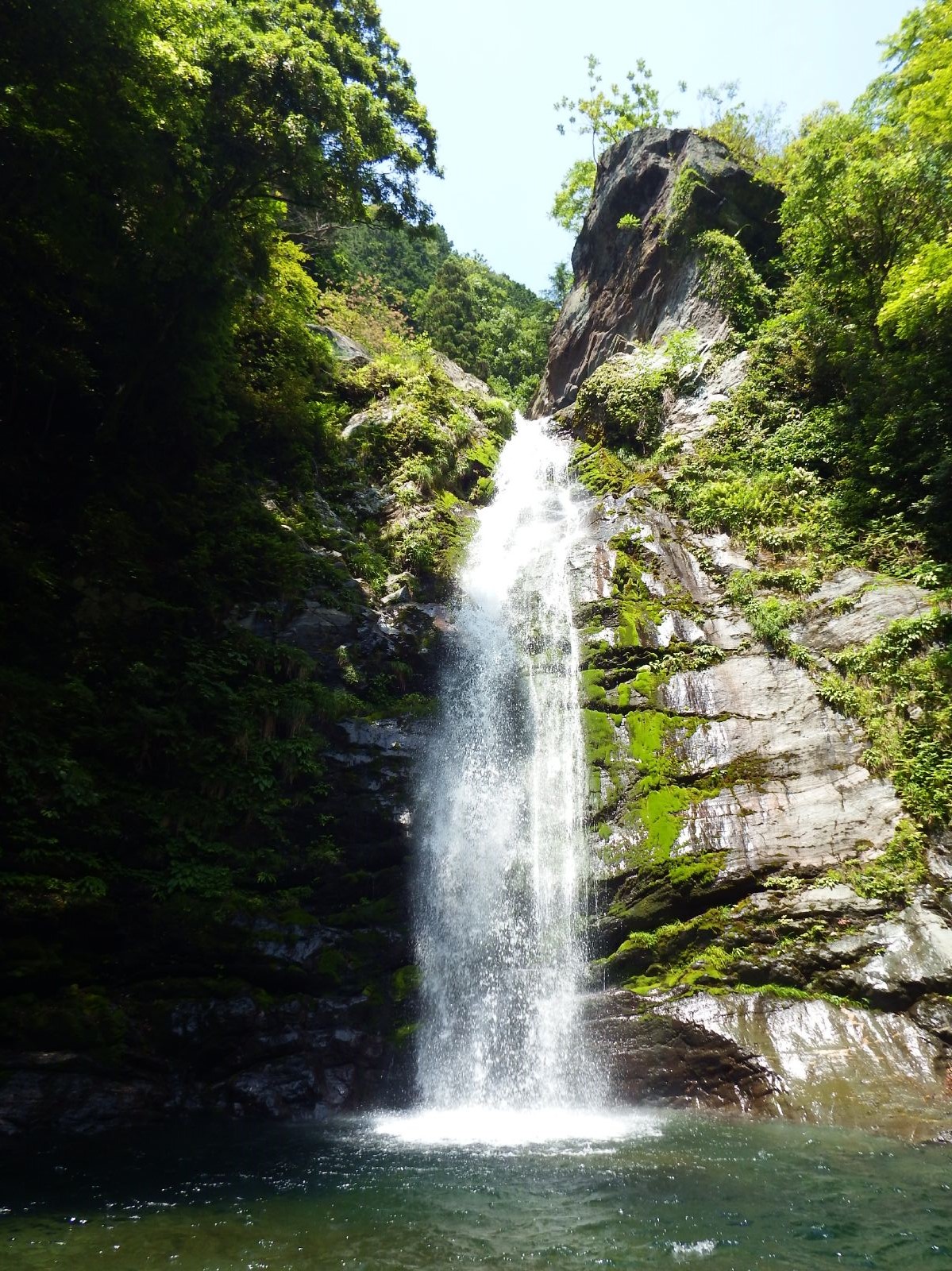
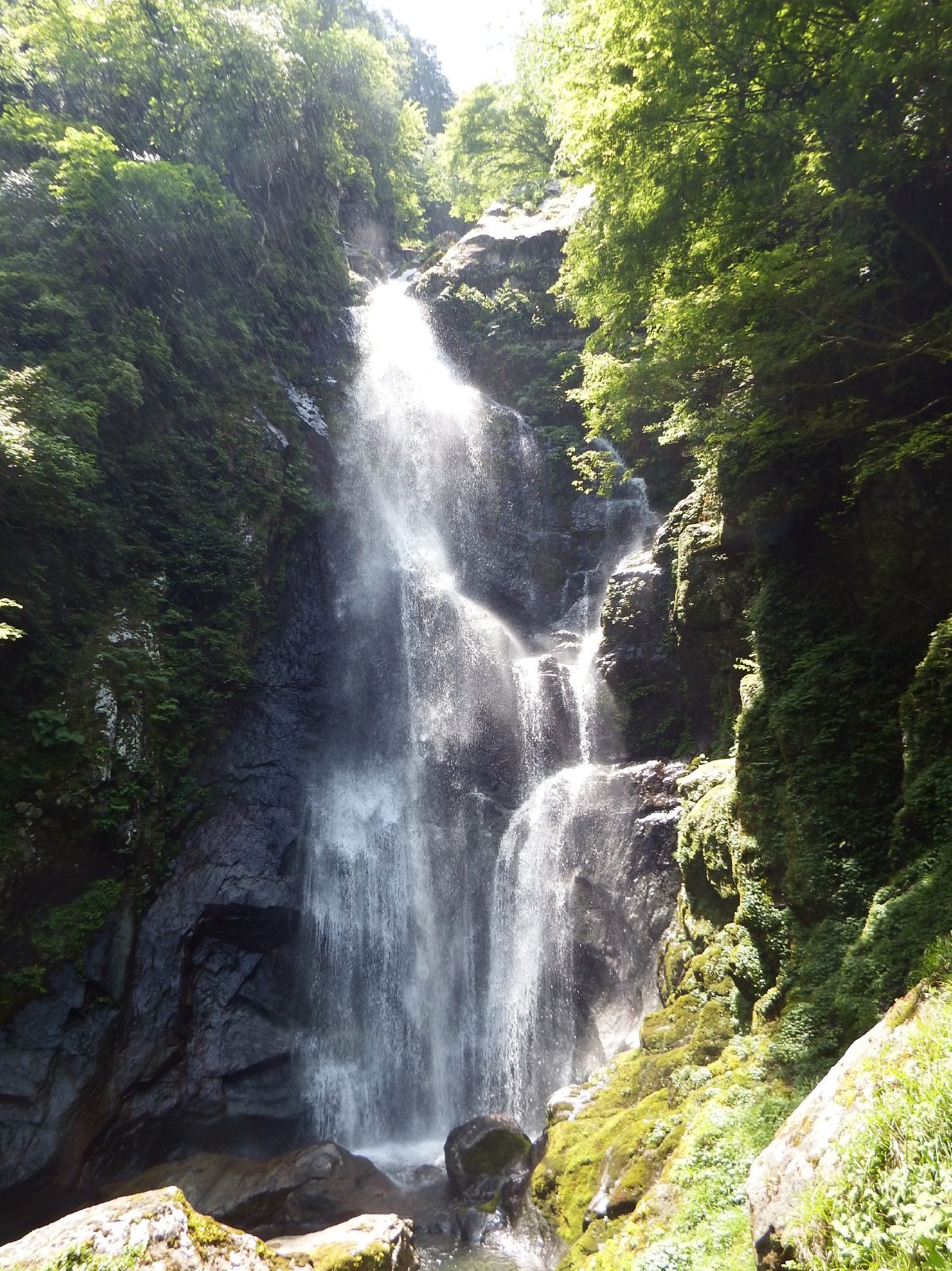
魔戸の滝 (pronounced Mado no Taki) is a natural waterfall located at 33.895722 N, 133.328157 E in the city of Niihama, Ehime Prefecture. The waterfall tumbles down a series of rocky ledges, creating a misty veil that blends seamlessly with the surrounding forest. Because the waterfall is not heavily commercialized, visitors often enjoy an unspoiled atmosphere that feels more like a secret garden than a tourist hotspot.
History & Significance
Although detailed historical records of 魔戸の滝 are scarce, the waterfall has long been part of the local landscape that supports traditional agriculture and forestry in Niihama. Small streams feeding the cascade have historically provided fresh water for nearby farms and have been regarded as a natural blessing by the community.
In Japanese culture, waterfalls (滝, taki) are frequently associated with purification and spiritual renewal. While 魔戸の滝 does not host a major shrine or temple, its serene setting makes it a popular spot for locals to pause, meditate, or enjoy a simple shinrin-yoku (forest bathing) experience.
How to Get There
By Train & Bus
- Start from Okayama or Takamatsu – Both cities have Shinkansen (bullet‑train) connections to Okayama Station. From there, transfer to the JR Yosan Line toward Niihama Station (approximately 1 hour).
- Niihama Station – From the station, you can catch a local Niihama City bus heading toward the Mado area. Check the latest bus timetable at the Niihama City Hall information desk or online via the Niihama Transportation website.
Pro tip: Bus routes to the waterfall may be limited, especially on weekends. If you miss the last bus, a local taxi is readily available near the station.
By Car
Driving is the most flexible way to reach 魔戸の滝, especially if you plan to explore nearby attractions.
- From the Takamatsu Expressway (E11) – Take the Niihama Interchange and follow signs for National Route 33 toward the city center.
- Turn onto Prefectural Road 30 (県道30号) heading north. After about 6 km, look for the Mado Road sign (魔戸道路) that leads to a small parking lot near the waterfall.
- Parking – A modest, free parking area is available at the trailhead. The lot fills quickly during peak foliage season, so arrive early if possible.
Walking & Hiking
From the parking lot, a short 15‑minute well‑marked trail leads to the waterfall’s viewing platform. The path is relatively flat but can be slippery when wet, so wear sturdy shoes with good traction.
Best Time to Visit
| Season | Highlights | Why Visit |
|---|---|---|
| Spring (March–May) | Fresh green foliage, cherry blossoms nearby | Mild temperatures and vibrant colors make for excellent photography. |
| Summer (June–August) | Lush canopy, cooler micro‑climate at the falls | A refreshing escape from the heat; the waterfall’s mist feels revitalizing. |
| Autumn (September–November) | Brilliant maple and ginkgo leaves | The foliage turns fiery red and gold, creating a dramatic backdrop. |
| Winter (December–February) | Quiet, occasional frost on rocks | Fewer visitors; the waterfall’s steady flow contrasts with the crisp air. |
Peak visitor months are typically late October to early November, when the autumn colors are at their most vivid. If you prefer solitude, aim for early spring or mid‑winter weekdays.
What to Expect
The Experience
Arriving at 魔戸の滝, you’ll first notice the gentle hush of water mingling with forest sounds. The trail leads you to a modest wooden platform that offers a clear view of the cascade. Because the waterfall is not overly tall, the focus is on the texture of the water as it dances over moss‑covered stones and the play of light through the leaves.
- Photography: Early morning light creates soft shadows, while late afternoon sun adds a warm glow to the mist. A polarizing filter helps reduce glare on the water surface.
- Soundscape: The continuous murmur of the falls provides a natural white noise, perfect for meditation or simply unwinding.
- Wildlife: Keep an eye out for small forest birds, dragonflies, and occasional deer that wander near the water source.
Facilities
- Restroom: A basic public toilet is located near the parking lot.
- Picnic Area: A small clearing with benches allows for a quick snack break.
- Signage: Trail markers are in Japanese; a simple map at the entrance shows the route to the waterfall and nearby points of interest.
Nearby Attractions
While 魔戸の滝 is a highlight on its own, the surrounding area offers several additional natural sites that can be combined into a full‑day itinerary.
-
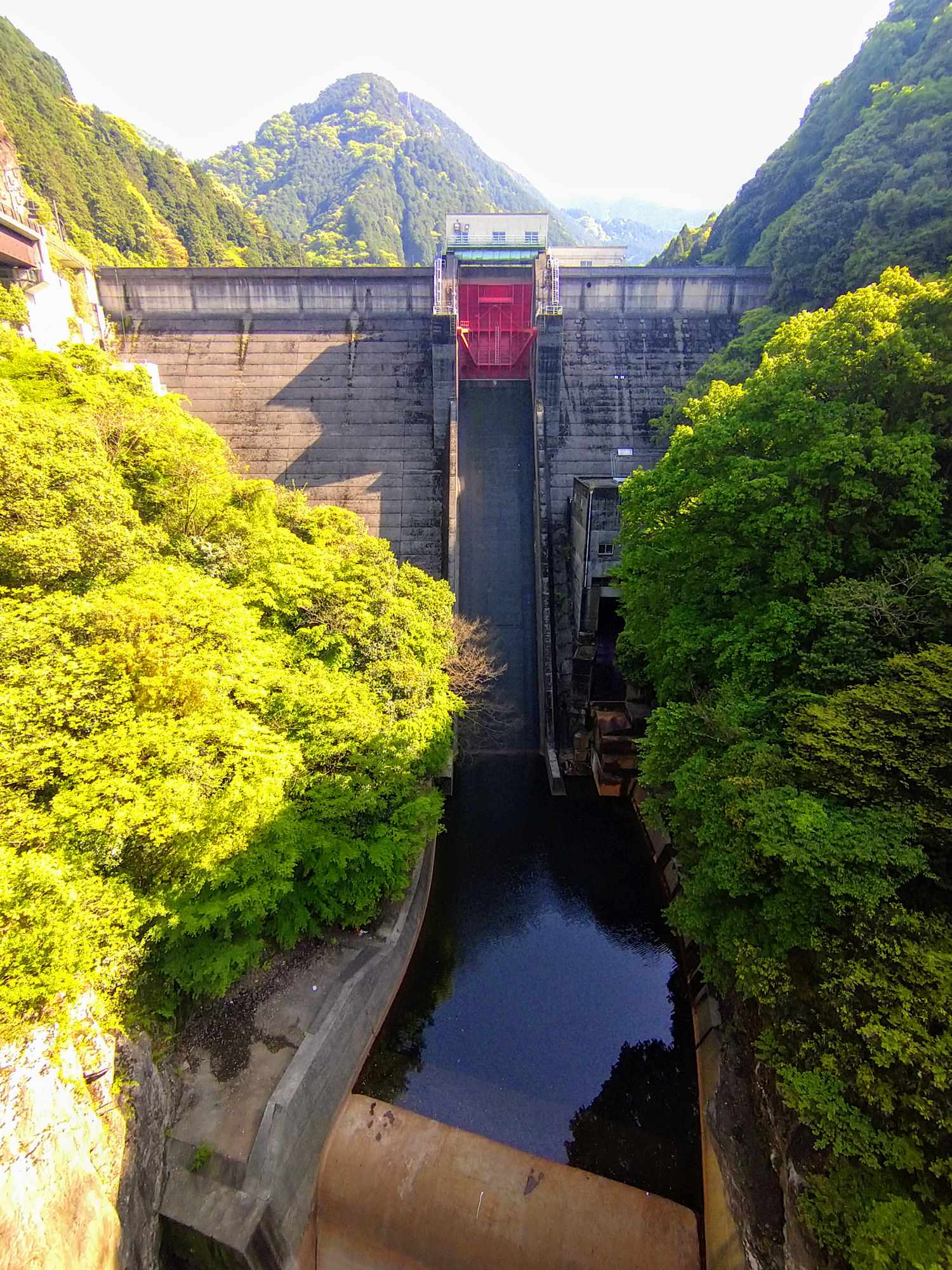
鹿森ダム (Shikamori Dam) – 1.7 km
A modern concrete dam surrounded by a tranquil reservoir. Ideal for a short lakeside walk or a paddle‑boat ride. -
[Unnamed Fountain] – 3.4 km
A charming local fountain nestled in a small park. Great for a quick photo stop. -
吉岡泉 (Yoshioka Spring) – 4.4 km
A clear mountain spring known for its pure water. Visitors often taste the water straight from the source. -
高柳泉 (Takayanagi Spring) – 5.1 km
Another pristine spring set amidst dense forest, offering a peaceful spot for meditation. -
[Unnamed Weir] – 5.2 km
A small weir that creates a gentle cascade, perfect for a quiet afternoon of sketching or reading.
All locations are reachable by car or local bus routes; check the Niihama City tourism website for up‑to‑date schedules.
Travel Tips
| Tip | Details |
|---|---|
| Check the weather | The trail can become slippery after rain. Bring a waterproof jacket and sturdy shoes. |
| Bring cash | Small vending machines and local eateries may not accept credit cards. |
| Timing | Arrive before 10 am to avoid the small crowd that gathers later in the day. |
| Respect nature | Stay on the marked path, avoid pulling rocks, and take any trash with you. |
| Language | Signage is primarily in Japanese. Having a translation app or a simple phrasebook helps. |
| Connectivity | Mobile signal can be weak near the waterfall; download offline maps beforehand. |
| Local cuisine | Try Niihama’s specialty Bouchou (a type of grilled fish) at nearby roadside stalls. |
| Parking | The lot fills quickly during autumn foliage season; consider arriving early or using a nearby public lot and walking the extra 5‑10 minutes. |
| Photography etiquette | If other visitors are present, be mindful of their space when setting up tripods or taking long exposures. |
| Seasonal events | Niihama hosts a Waterfall Illumination Festival in early December; check local listings if traveling during this period. |
Final Thoughts
魔戸の滝 may not have the towering height of Japan’s famous waterfalls, but its quiet charm, lush surroundings, and accessibility make it a must‑visit destination for travelers seeking authentic nature experiences in Ehime. Pair the waterfall with nearby dams, springs, and the scenic countryside for a well‑rounded day trip that showcases the hidden gems of Niihama.
Pack your camera, lace up your hiking boots, and let the gentle cascade of 魔戸の滝 refresh your spirit on your next Japanese adventure.
Keywords: 魔戸の滝, Mado no Taki, waterfall in Ehime, Niihama waterfall, travel to Ehime, Japan waterfalls, things to do in Niihama, Shikoku travel guide, hidden waterfalls Japan