鹿森ダム (Shikamori Dam) – A Hidden Gem in Niihama, Ehime, Japan
Discover the tranquil beauty of 鹿森ダム, a 57.9‑meter‑high dam perched in the lush countryside of Niihama, Ehime. Whether you’re a nature lover, a photography enthusiast, or simply looking for an off‑the‑beaten‑path day trip, this dam offers a peaceful escape with stunning water views and easy access to nearby waterfalls and springs.
1. Introduction
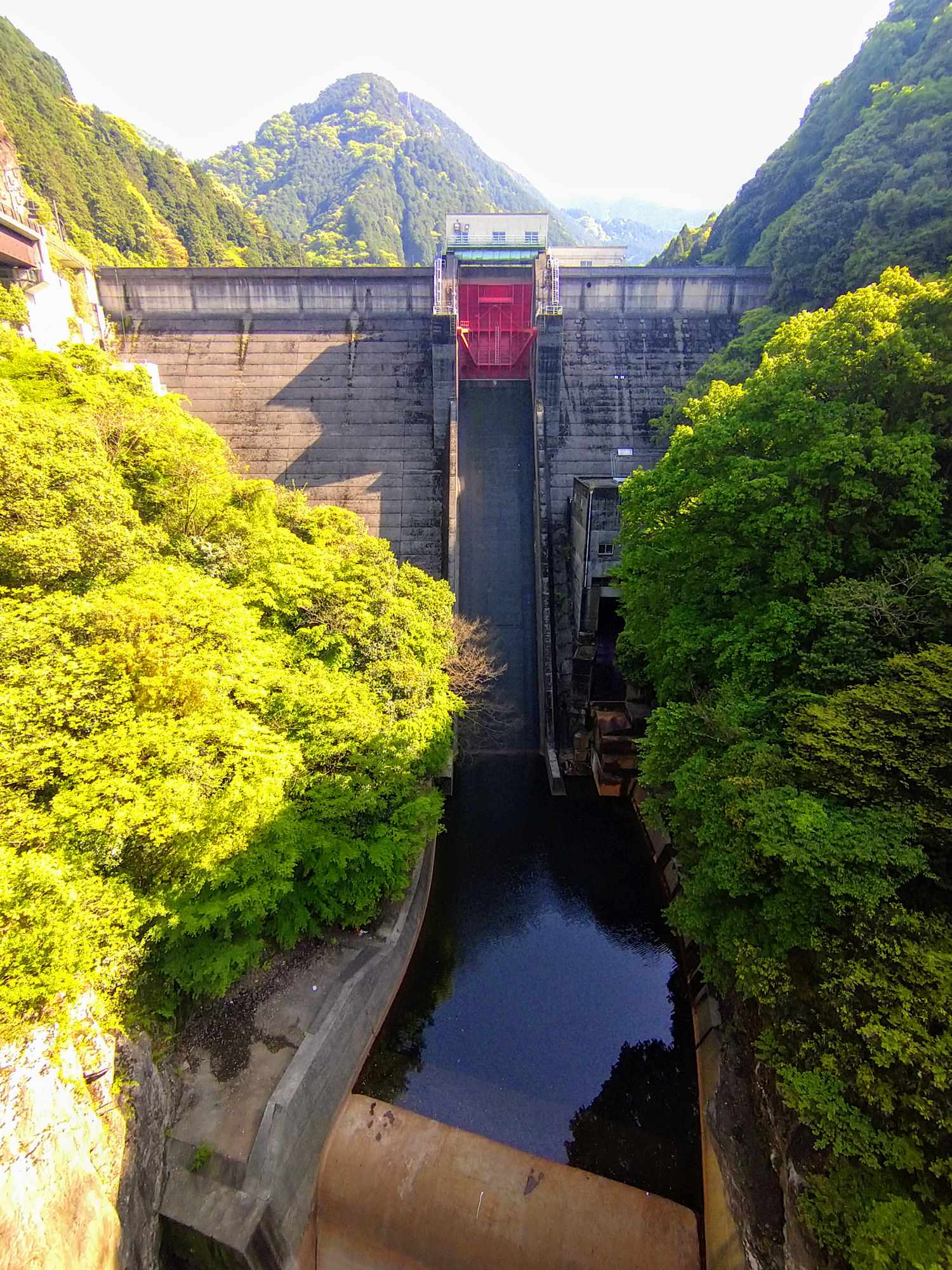
Imagine standing on a quiet overlook, the surface of a crystal‑clear reservoir reflecting the emerald hills of Shikoku, while the gentle hum of water flowing through a concrete marvel fades into the background. That’s the experience awaiting you at 鹿森ダム (Shikamori Dam). Though it doesn’t appear on the typical “must‑see” lists of Japan, this modest‑sized dam (57.9 m tall) packs a punch of natural charm, cultural relevance, and photo‑opportunities that make it a perfect addition to any Ehime itinerary.
If you’re planning a road trip through Shikoku, a cycling adventure along the Seto Inland Sea, or a weekend getaway from Osaka or Kobe, add 鹿森ダム to your travel bucket list. In this guide, we’ll walk you through everything you need to know—history, how to get there, the best seasons to visit, what to expect on site, nearby attractions, and insider travel tips.
2. About 鹿森ダム
Description & Technical Details
- Name: 鹿森ダム (Shikamori Dam)
- Type: Concrete gravity dam 🏗️
- Location: Niihama City, Ehime Prefecture, Japan
- Coordinates: 33.893977 N, 133.309799 E
- Height: 57.9 m
- Primary Purpose: Water resource management (irrigation, flood control, and local water supply)
The dam creates a serene reservoir that blends seamlessly with the surrounding forested hills. While the exact altitude of the dam is not publicly listed, the region’s terrain typically ranges between 150 m and 300 m above sea level, offering gentle slopes and panoramic vistas.
History & Significance
鹿森ダム was constructed as part of Ehime’s post‑war infrastructure development, aimed at stabilizing water resources for agriculture and protecting downstream communities from seasonal flooding. Though the exact completion date isn’t highlighted in the public record, the dam’s modern concrete design reflects engineering practices of the late 20th century.
Beyond its utilitarian role, the dam has become a modest local landmark. Residents of Niihama often gather at the reservoir for picnics, fishing, and seasonal festivals that celebrate the region’s abundant water. Its quiet presence also serves as a gateway to several natural attractions—waterfalls, springs, and forest trails—that are tucked within a 5‑kilometer radius.
For a deeper dive into the dam’s background, see the Japanese Wikipedia entry: 鹿森ダム (Wikipedia).
3. How to Get There
By Public Transportation
- Train: Take the JR Yosan Line to Niihama Station (JR西日本). Niihama is a well‑connected hub with frequent services from Okayama, Matsuyama, and Takamatsu.
- Bus: From Niihama Station, board the Ehime Kotsu local bus heading toward the Shikamori area. The bus route (often labeled “Shikamori‑mae”) stops within a 10‑minute walk of the dam’s parking lot. Check the latest timetable on the Ehime Kotsu website.
Tip: Buses run less frequently on weekends and holidays, so plan to catch an early morning service to maximize your time at the dam.
By Car
Renting a car offers the most flexibility, especially if you intend to explore the nearby waterfalls and springs.
- From Niihama Station: Follow signs for 国道33号 (National Route 33) heading east toward Shikamori. After about 12 km, turn left onto 県道236号; the dam’s entrance and parking area are clearly marked.
- Parking: A modest free lot accommodates 30‑40 vehicles. Arrive early during peak seasons (cherry blossom and autumn foliage) to secure a spot.
By Bicycle
The Shikoku region is famed for its Shimanami Kaido cycling route. While 鹿森ダム lies a bit inland, experienced cyclists can enjoy a scenic 25‑km ride from Niihama using local roadways. Bring a sturdy bike and be prepared for gentle uphill sections.
4. Best Time to Visit
| Season | Highlights | Why Visit |
|---|---|---|
| Spring (Mar‑May) | Cherry blossoms around the reservoir, fresh green foliage | The water’s surface mirrors pink‑white blossoms, creating postcard‑perfect shots. |
| Summer (Jun‑Aug) | Lush vegetation, cooler waters for a quick dip | Ideal for picnics and early‑morning photography before the heat peaks. |
| Autumn (Sep‑Nov) | Vibrant maple and ginkgo leaves turning red, orange, and gold | The dam’s concrete contrasts beautifully with the fiery canopy—perfect for landscape lovers. |
| Winter (Dec‑Feb) | Quiet atmosphere, occasional frost on the reservoir | A serene, almost meditative experience; fewer tourists mean you can enjoy solitude. |
Overall recommendation: Late April (cherry blossom) and early November (autumn foliage) are the most photogenic periods, drawing modest crowds while still preserving a tranquil vibe.
5. What to Expect
The Visitor Experience
- Scenic Overlook: A short, paved walkway leads to a wooden observation deck that offers unobstructed views of the dam wall and the reservoir stretching into the hills.
- Walking Trails: Around the reservoir, a 2‑km loop trail winds through mixed forest, passing small picnic tables and informational signage about the dam’s construction and local ecology.
- Wildlife: Keep an eye out for Japanese bush warblers, kingfishers, and occasional deer that graze near the water’s edge.
- Fishing & Recreation: Local anglers often cast lines for carp and crucian carp. If you bring a fishing license, you can enjoy a peaceful afternoon by the water.
- Photography: The best lighting occurs during the “golden hour” (just after sunrise or before sunset). The dam’s sleek silhouette against a pastel sky makes for dramatic long‑exposure shots.
There are no formal visitor centers or ticket fees; the site is open year‑round and free to the public. Restrooms are available near the parking lot, and a small kiosk sells bottled water during the summer months.
6. Nearby Attractions
A short drive or hike from 鹿森ダム reveals several natural gems—perfect for a day‑trip itinerary.
| Attraction | Distance from Dam | Type | Highlights | Link |
|---|---|---|---|---|
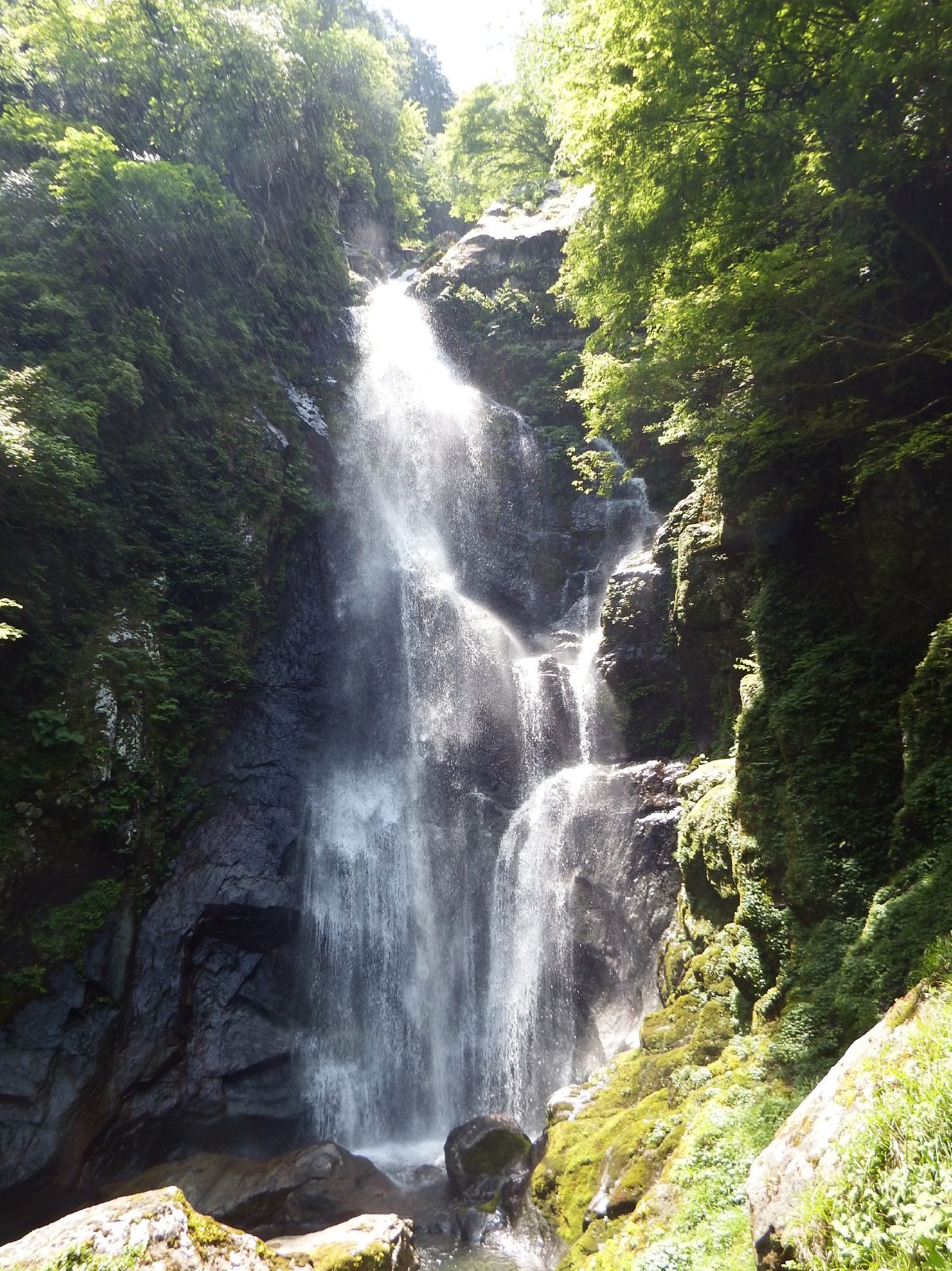
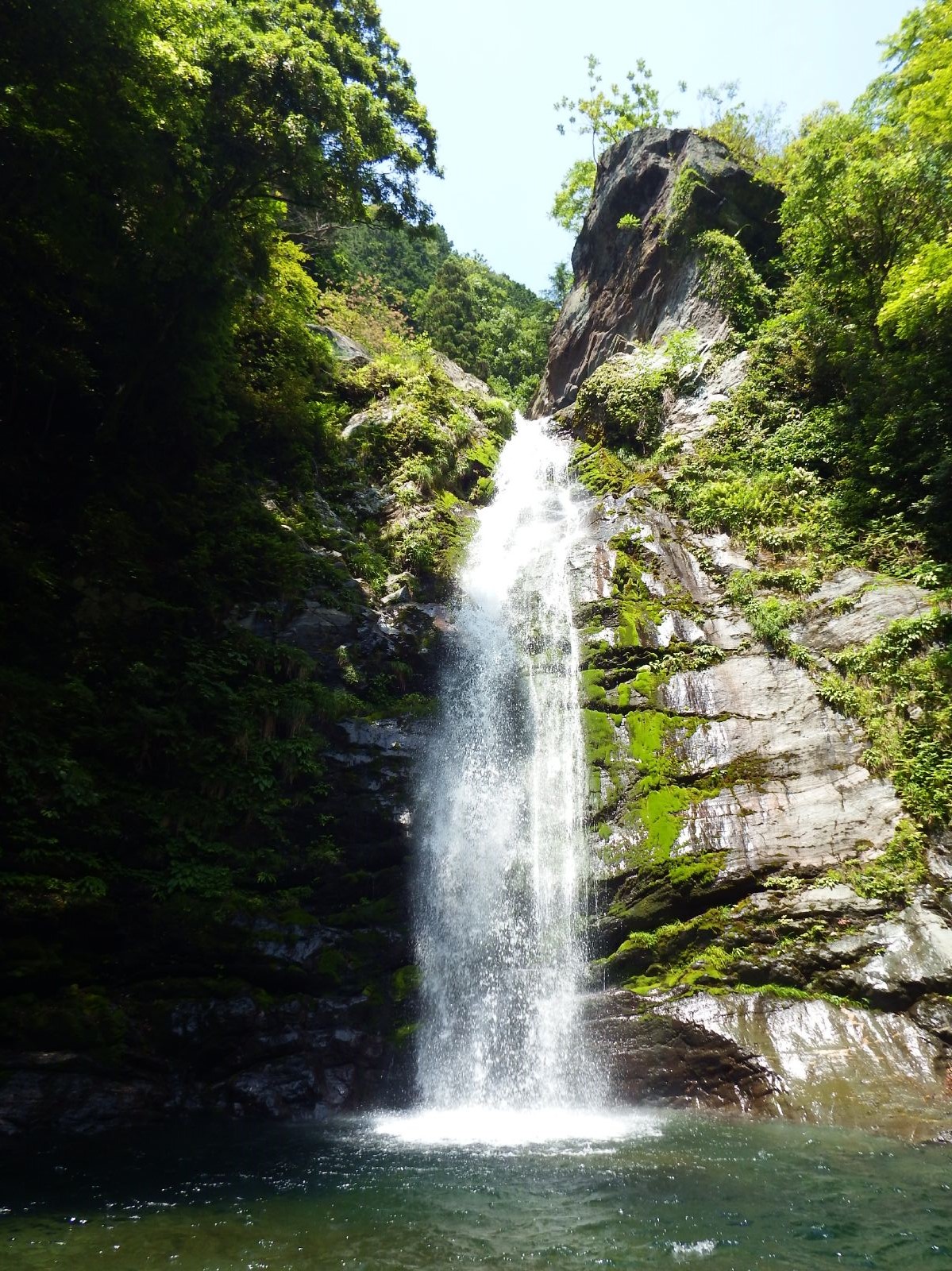
| 魔戸の滝 (Mado Waterfall) | 1.7 km | Waterfall | 15‑meter cascade surrounded by mossy rocks | Mado Waterfall |
| (Fountain) | 3.3 km | Fountain | Small natural spring that creates a gentle spray | (No dedicated page – local guide recommended) |
| 銚子の滝 (Choshi Waterfall) | 4.1 km | Waterfall | Picturesque tiered falls, popular for leaf‑rubbing | Choshi Waterfall |
| 吉岡泉 (Yoshioka Spring) | 4.5 km | Spring | Clear spring water, ideal for a short rest stop | (Local tourism site) |
| 高柳泉 (Takayanagi Spring) | 5.1 km | Spring | Scenic spring surrounded by towering cedars | (Local tourism site) |
Suggested Mini‑Itinerary:
1. Start at 鹿森ダム for sunrise photos.
2. Walk or drive 1.7 km to 魔戸の滝 for a refreshing mist.
3. Continue to 銚子の滝 (4.1 km) for a lunch break—bring a bento and enjoy it on the riverbank.
4. End the day at 高柳泉 for a tranquil sunset before heading back to Niihama.
7. Travel Tips
| Tip | Details |
|---|---|
| Check the Weather | The dam area can be foggy in early mornings, especially in spring. Clear days provide the best visibility for photography. |
| Bring Cash | While most larger towns accept cards, the kiosk near the dam and some rural rest stops only take cash. |
| Wear Comfortable Shoes | The walking loop includes some uneven forest paths and occasional boardwalks. |
| Pack a Picnic | There are no restaurants on site. A packed lunch lets you enjoy the peaceful surroundings without rushing. |
| Respect the Environment | Keep the area clean, follow posted signage, and avoid feeding wildlife. |
| Timing for Waterfalls | Water flow peaks after rainy days (late June–July). If you love powerful cascades, plan your visit after a short rain shower. |
| Photography Gear | A wide‑angle lens (16‑35 mm) captures the dam’s full scale; a telephoto lens (70‑200 mm) isolates waterfall details. A tripod is handy for low‑light shots at sunrise or sunset. |
| Language | Signage is primarily in Japanese. Having a translation app or a small phrasebook can help with directions and local queries. |
| Safety | The dam’s edge can be slippery when wet. Stay on marked paths and keep children supervised. |
Wrap‑Up
鹿森ダム may not have the fame of Japan’s massive hydro‑power projects, but its modest scale, pristine reservoir, and surrounding natural attractions make it a rewarding spot for travelers seeking authentic, low‑key experiences in Ehime. Whether you’re chasing cherry blossoms, autumn colors, or simply a quiet place to unwind by the water, the dam and its neighboring waterfalls and springs offer a perfect blend of engineering marvel and natural beauty.
Ready to add 鹿森ダム to your itinerary? Pack your camera, hop on a train to Niihama, and discover the tranquil charm of this hidden dam in the heart of Shikoku. Safe travels!
Keywords: 鹿森ダム, Shikamori Dam, Niihama, Ehime travel, Japan dam, waterfall near Niihama, spring water Ehime, Shikoku nature, cherry blossom dam, autumn foliage Japan, travel guide Ehime