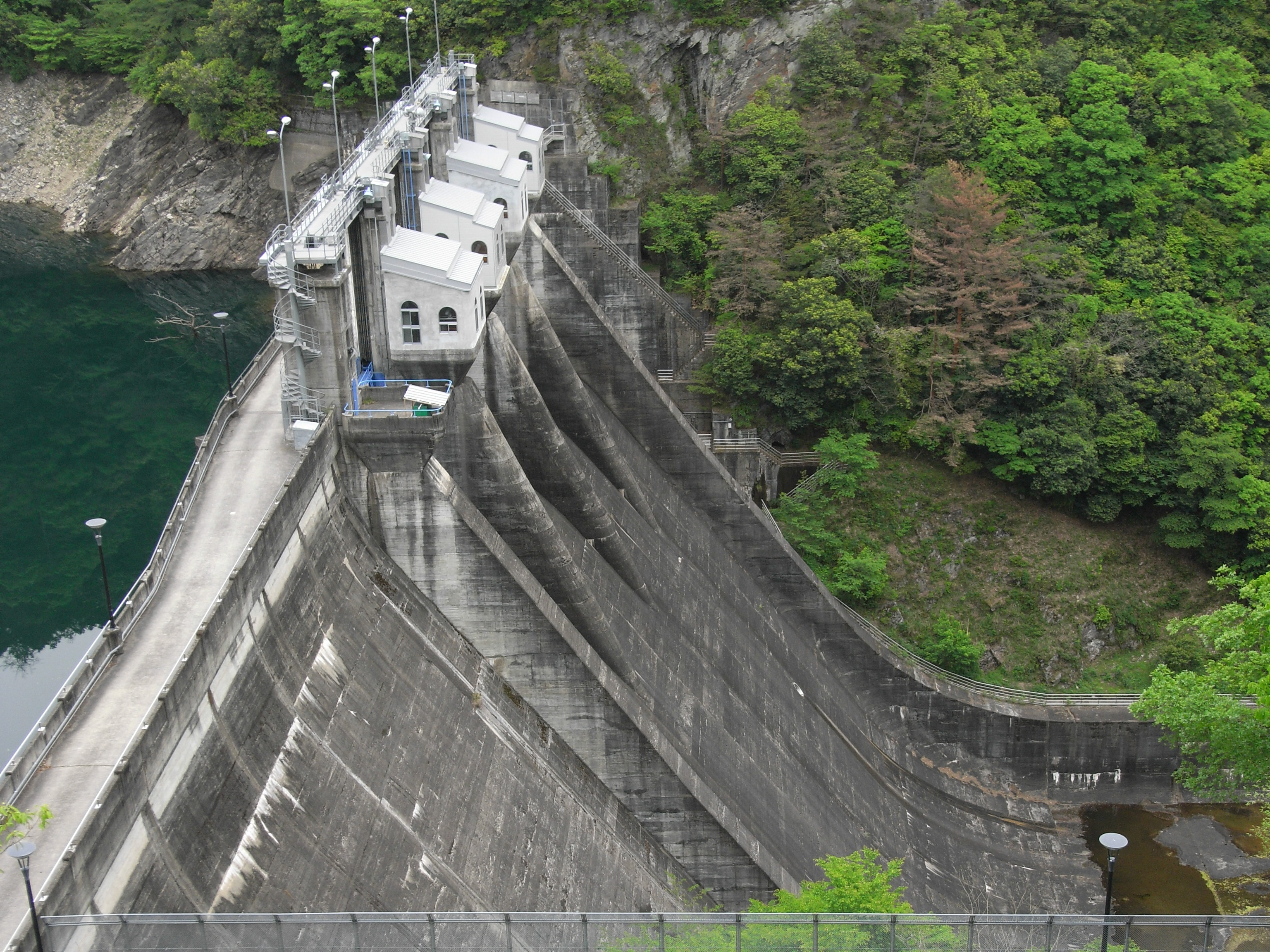
柳瀬ダム (Yanase Dam) – A Hidden Gem in Ehime, Japan
Your ultimate travel guide to discovering the serene beauty of 柳瀬ダム, the perfect day‑trip destination for nature lovers, photography enthusiasts, and anyone looking to explore off‑the‑beaten‑path sights in Ehime Prefecture.
1. Introduction
Imagine a tranquil lake nestled among rolling hills, the gentle hum of water spilling over a concrete wall, and a backdrop of evergreen forests that change color with every season. That’s the experience awaiting you at 柳瀬ダム (Yanase Dam), a modest yet striking dam located in the quiet town of Kawanoecho, Ehime. While it may not have the fame of Japan’s massive hydro‑power projects, Yanase Dam offers an intimate glimpse of rural Shikoku, perfect for a relaxed afternoon of sightseeing, picnicking, and photography.
If you’re planning a road trip through Shikoku, a weekend escape from Matsuyama, or simply hunting for serene spots to unwind, add 柳瀬ダム to your itinerary. In this guide, we’ll cover everything you need to know—history, how to get there, the best visiting seasons, what you’ll see on‑site, nearby attractions, and practical travel tips—so you can make the most of your visit.
2. About 柳瀬ダム
What Is 柳瀬ダム?
- Type: Dam (concrete gravity structure)
- Location: Kawanoecho, Ehime Prefecture, Japan
- Coordinates: 33.936439 N, 133.570822 E
柳瀬ダム sits in the gentle valleys of western Ehime, a region celebrated for its lush greenery, clear rivers, and traditional farming villages. Though official records do not disclose its exact height or altitude, the dam’s modest scale blends harmoniously with the surrounding landscape, creating a calm reservoir that mirrors the sky and nearby forested hills.
Historical Context & Significance
The dam’s construction was part of Ehime’s broader effort to manage water resources for agriculture, flood control, and local water supply—common objectives for many mid‑20th‑century dams across Shikoku. While specific dates and engineering details are scarce, the structure has become an integral part of the community’s daily life, supporting irrigation for nearby rice paddies and providing a reliable source of water for residents.
Beyond its functional role, 柳瀬ダム has gradually turned into a low‑key recreational spot. Locals often gather for seasonal festivals, family picnics, and fishing, while photographers are drawn to the way the water reflects sunrise and sunset hues. Its relative obscurity means you can enjoy the site without the crowds that flock to more famous tourist attractions.
3. How to Get There
By Car
Driving is the most convenient way to reach 柳瀬ダム, especially if you plan to explore nearby attractions.
| Starting Point | Approx. Distance | Driving Time | Recommended Route |
|---|---|---|---|
| Matsuyama City (Ehime’s capital) | ~45 km | 1 hour 10 min | Take Route 33 (国道33号) east toward Kawanoecho, then follow local signs to the dam. |
| Iyo‑Ōzu Station (JR Yosan Line) | ~20 km | 30 min | From the station, head north on Route 197, then turn onto the local road marked “柳瀬ダム入口”. |
Parking: A small free parking lot sits at the dam’s main access road. Spaces fill up quickly on weekends during cherry‑blossom season, so arrive early if possible.
By Public Transport
- Train: Board the JR Shikoku Yosan Line to Iyo‑Ōzu Station (the nearest major station).
- Bus: From Iyo‑Ōzu, take the local bus bound for “Kawanoe‑cho” (look for the route number that stops at “Kawanoe‑cho Kita”). The bus drops you off at “Kawanoe‑cho Kita‑Eki” (Kawanoe Town Center).
- Taxi or Rental Bike: The dam is about 5 km from the bus stop. A short taxi ride (≈10 minutes) or a rental bike (≈30 minutes) will get you to the dam’s entrance.
Tip: Bus schedules are sparse on Sundays and holidays, so check the latest timetables on the Ehime Bus website before you travel.
By Bicycle
Shikoku is famous for the Shimanami Kaido cycling route, and many cyclists extend their ride into Ehime’s interior. The relatively gentle terrain around Kawanoecho makes for a pleasant 20‑km ride from the town center to 柳瀬ダム. Bring a lock—there’s a bike rack near the parking area.
4. Best Time to Visit
柳瀬ダム is a year‑round destination, but each season offers a distinct visual treat:
| Season | Highlights | Why Visit |
|---|---|---|
| Spring (March‑May) | Cherry blossoms along the reservoir’s edge; fresh green foliage. | Ideal for hanami (flower‑viewing) picnics and soft pastel photography. |
| Summer (June‑August) | Lush, deep‑green water; occasional mist rising from the lake. | Cool, shaded spots perfect for a break from the heat; good fishing conditions. |
| Autumn (September‑November) | Brilliant maple and ginkgo leaves turning red, orange, and gold. | The dam’s surface becomes a mirror for fall colors—photographers love this time. |
| Winter (December‑February) | Quiet, snow‑capped hills in the distance; crisp air. | Fewer visitors, making it a peaceful retreat for meditation or early‑morning walks. |
Peak Visitor Periods: Late March (sakura) and late October (koyo) draw the most local crowds. If you prefer solitude, aim for early mornings or weekdays during these months.
5. What to Expect
Scenic Views
- Reservoir Reflections: The still water often creates mirror‑like reflections of surrounding hills, especially during calm mornings.
- Dam Architecture: Though modest, the concrete wall offers a clean, geometric contrast to the organic landscape.
- Wildlife: Keep an eye out for kingfishers, Japanese bush warblers, and occasional deer that wander near the water’s edge.
Activities
- Photography: Sunrise over the dam (around 5:30 am in summer) and sunset (around 6:00 pm in winter) provide dramatic lighting.
- Picnicking: Designated grassy spots near the parking lot are perfect for a packed lunch.
- Fishing: Local anglers often cast lines for carp and crucian carp; a simple fishing license (available at nearby convenience stores) is sufficient.
- Short Hikes: A 1‑km walking trail circles the reservoir, offering multiple viewpoints and interpretive signs about the dam’s role in local water management.
Facilities
- Restrooms: Basic public toilets near the parking area (seasonal cleaning).
- Information Board: A bilingual (Japanese/English) board explains the dam’s purpose and provides safety guidelines.
- No Entry to Reservoir: For safety, swimming and boat launching are prohibited.
6. Nearby Attractions
While 柳瀬ダム can fill an entire half‑day, the surrounding area boasts several other points of interest that can be combined into a full‑day itinerary. All distances are measured from the dam’s main entrance.
| Attraction | Type | Distance | Quick Note |
|---|---|---|---|
| [Fountain] | Fountain | 5.2 km | A charming stone fountain set in a small park—great for a quick photo stop. |
| 新宮ダム (Shingu Dam) | Dam | 5.5 km | Another local dam with a wider reservoir; offers kayaking in summer (check permits). |
| 馬立取水堰 (Umatate Water Weir) | Weir | 6.3 km | Small historic weir used for traditional irrigation—ideal for history buffs. |
| [Weir (Unnamed)] | Weir | 6.3 km | A lesser‑known weir surrounded by a quiet walking path. |
| 影井堰 (Kagei Weir) | Dam | 6.4 km | Offers a scenic viewpoint over a narrow gorge; perfect for sunset shots. |
Suggested Loop: Start at 柳瀬ダム, head north to Shingu Dam, then swing east to the two weirs, and finish back at the fountain before returning to the dam. The entire loop can be completed in 3–4 hours by car, with plenty of time for short stops.
7. Travel Tips
| Tip | Details |
|---|---|
| Check Access Hours | The dam’s visitor area is open year‑round, but the walking trail may be closed during heavy snowfall (usually late December). |
| Bring Cash | Small parking fees (≈¥200) and any local food stalls accept cash only. |
| Pack Light Snacks | While there are a few convenience stores in Kawanoecho, the immediate dam area has no vending machines. |
| Wear Comfortable Shoes | The trail around the reservoir is uneven in places; sturdy sneakers or hiking shoes are recommended. |
| Respect Local Rules | Swimming, boating, and fishing are restricted to designated zones. Littering is strictly prohibited. |
| Stay Connected | Mobile reception can be spotty near the dam; download offline maps (Google Maps or MAPS.ME) beforehand. |
| Seasonal Gear | In spring, bring a light jacket for chilly mornings; in summer, sunscreen and a hat are essential. |
| Photography Gear | A polarizing filter helps reduce glare on the water surface, especially on sunny days. |
| Language | Signage is primarily in Japanese; a translation app can help with the few English terms on the information board. |
| Combine with Local Cuisine | After your dam tour, try Kawanoecho’s specialty Ehime mikan (mandarin oranges) or fresh river fish at a nearby izakaya. |
Final Thoughts
柳瀬ダム may not appear on the typical “top 10 Japan dams” list, but that’s precisely why it feels like a secret sanctuary. Its peaceful reservoir, surrounding forest, and easy accessibility make it a perfect micro‑adventure for anyone traveling through Ehime Prefecture. Whether you’re chasing cherry blossoms, autumn foliage, or simply a quiet spot to unwind, Yanase Dam delivers a genuine slice of rural Japan—unspoiled, authentic, and unforgettable.
Pack your camera, hop in the car, and let 柳瀬ダム add a splash of serenity to your Shikoku travel story. Safe travels!