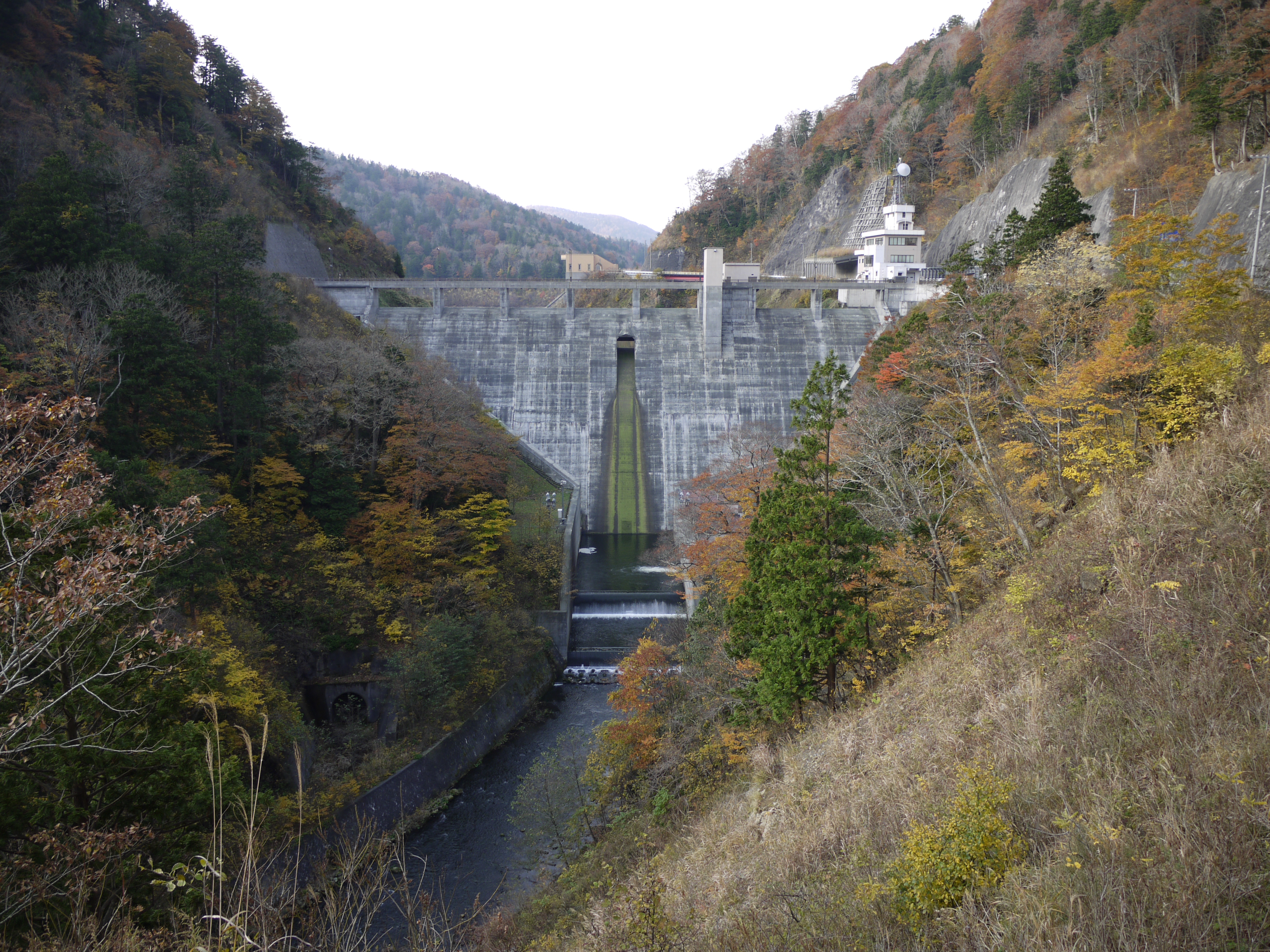
川内ダム (Kawauchi Dam) – A Hidden Engineering Gem in Mutsu, Aomori
Discover the tranquil reservoir, breathtaking mountain backdrop, and nearby waterfalls that make this dam a perfect off‑the‑beaten‑path destination in northern Japan.
1. Introduction
If you think Japan’s natural wonders are limited to cherry‑blossom avenues and towering volcanoes, think again. Nestled on the rugged Tsugaru Peninsula, 川内ダム (Kawauchi Dam) offers a serene blend of modern engineering and pristine wilderness that few travelers have experienced. Whether you’re a photography enthusiast hunting for reflective water scenes, a road‑trip adventurer seeking hidden viewpoints, or simply a curious visitor eager to learn about Japan’s water‑management history, this dam in Mutsu, Aomori, deserves a spot on your itinerary.
“The quiet surface of the reservoir mirrors the sky, while the surrounding forest whispers stories of the past.” – A recent traveler’s note
In this guide we’ll walk you through everything you need to know: the dam’s background, how to reach it, the ideal season to visit, what you’ll see on site, nearby attractions, and practical travel tips to make your trip smooth and memorable.
2. About 川内ダム
A Brief Description
- Name: 川内ダム (Kawauchi Dam)
- Type: Multipurpose dam (primarily for water supply and flood control) 🏗️
- Location: Mutsu City, Aomori Prefecture, Japan
- Coordinates: 41.274737 N, 140.894510 E
The dam sits in a remote valley of the Kawauchi River (川内川), a tributary that eventually joins the larger Mutsu Bay watershed. Though the exact height and altitude are not publicly disclosed, the structure blends seamlessly into the surrounding forested hills, creating a calm reservoir that reflects seasonal colors—from vibrant green in summer to fiery reds in autumn.
History & Significance
Construction of Kawauchi Dam began in the late 20th century as part of a regional effort to secure reliable water resources for the growing communities of the Tsugaru Peninsula. The project also aimed to mitigate flood risks that historically plagued coastal towns during heavy winter snowmelt. While the dam may not be as famous as the iconic Kurobe Dam in Toyama, it plays a vital role in sustaining agriculture, fisheries, and municipal water supply in northern Aomori.
Beyond its utilitarian purpose, Kawauchi Dam has become a modest tourist attraction. The reservoir’s clear waters and the surrounding forest trails provide a peaceful retreat for hikers, birdwatchers, and photographers. Because the dam is less commercialized, visitors can enjoy a sense of solitude that’s increasingly rare in Japan’s popular tourist spots.
3. How to Get There
By Public Transportation
-
From Aomori Station (JR Ou Line):
- Take the rapid JR Ou Line northbound to Mutsu Station (≈ 2 h 30 min, 115 km).
- From Mutsu Station, board the local bus bound for Kawauchi Dam (bus numbers may vary; check the latest schedule at the station). The ride is roughly 30 minutes and drops you at the dam’s parking area. -
From Hakodate (if you’re coming from Hokkaido):
- Take the Seikan Ferry to Aomori Port, then follow the steps above. The ferry crossing offers scenic views of the Tsugaru Strait and is a popular way to start a northern Japan adventure.
By Car
Driving is the most flexible option, especially if you plan to explore nearby waterfalls.
- From Aomori City:
- Take National Route 4 north toward Mutsu.
- After passing the city of Hiranai, follow signs for Route 339 (the coastal road that loops around the peninsula).
-
Turn onto Prefectural Road 102 toward the Kawauchi River valley; signage for the dam appears after approximately 15 km.
-
Parking: A small, free lot sits near the dam’s visitor center. Spaces fill quickly on weekends during cherry‑ blossom season, so arrive early.
By Bicycle
For the eco‑conscious traveler, the Tsugaru Peninsula Cycling Route includes a segment that passes near Kawauchi Dam. The ride is moderately challenging due to rolling hills, but the reward is an uninterrupted view of the reservoir and the surrounding countryside.
4. Best Time to Visit
| Season | Highlights | Why Visit |
|---|---|---|
| Spring (April–May) | Cherry blossoms along the riverbanks; soft pastel reflections on the water | Mild temperatures (10‑15 °C) make walking comfortable; photography of pink‑white blossoms against the dam is spectacular. |
| Summer (June–August) | Lush green foliage, occasional mist over the reservoir | Warm days (20‑25 °C) are perfect for picnics; the dam’s water is cool enough for a brief dip (if permitted). |
| Autumn (September–November) | Brilliant reds, oranges, and yellows; clear skies | The foliage season in Aomori peaks in late October, providing dramatic contrast with the blue reservoir. |
| Winter (December–February) | Snow‑capped hills, quiet atmosphere | Heavy snowfall creates a magical, almost otherworldly scene; the dam’s silhouette against a white landscape is a photographer’s dream. |
Tip: The most popular periods are late April (cherry blossom) and late October (autumn colors). Expect larger crowds and limited parking during these weeks. If you prefer solitude, aim for early May or early November.
5. What to Expect
Scenic Views
- Reservoir Mirror: On calm days, the water surface acts like a giant mirror, perfectly reflecting the surrounding forest and sky. Sunrise and sunset produce striking golden hues that enhance the dam’s concrete contours.
- Mountain Backdrop: The dam is framed by low‑to‑mid‑elevation peaks of the Tsugaru range, offering a sense of depth and grandeur without the crowds of higher alpine zones.
Activities
- Walking Trail: A 2‑km paved loop circles the reservoir, with several observation decks equipped with benches and informational panels about the dam’s construction and local ecology. The trail is wheelchair‑accessible.
- Birdwatching: The reservoir attracts migratory waterfowl in spring and winter. Look for species such as the Eurasian coot, Great cormorant, and occasional White‑streaked wagtail.
- Photography: Ideal spots include the main spillway (great for capturing water flow), the western observation deck (perfect for sunrise), and the northern viewpoint (offers a panoramic shot of the entire valley).
Facilities
- Visitor Center: Small kiosk with brochures (available in Japanese and English), a map of the area, and a modest souvenir selection (local crafts, postcards). Restrooms are clean and gender‑neutral.
- Picnic Areas: Designated spots with wooden tables and trash receptacles. While grilling is prohibited, you can enjoy a packed bento while soaking in the view.
- Safety: Swimming is not officially allowed, and the water can be cold and swift near the spillway. Stay on marked paths and heed any posted warnings.
6. Nearby Attractions
After exploring Kawauchi Dam, extend your adventure to the surrounding natural gems—each just a short drive away.
| Attraction | Type | Distance from Dam | Highlights | Link |
|---|---|---|---|---|
| Weir (堰) – Aomori | Weir | 6.7 km | Small historic weir used for local irrigation; nice spot for quiet contemplation. | Weir – Wikipedia (ja) |
| 大滝 (Ōtaki) Waterfall | Waterfall | 7.1 km | A 15‑meter cascade surrounded by moss‑covered rocks; accessible via a short forest trail. | Ōtaki Waterfall – Wikipedia (ja) |
| O Falls | Waterfall | 7.1 km | Known locally as “O‑no‑taki,” this falls creates a misty veil that’s perfect for macro photography. | — |
| Kawauchi River Gorge | Waterfall / Gorge | 8.1 km | Dramatic gorge with several smaller waterfalls; offers a more rugged hiking experience. | — |
All attractions are reachable by car within 15‑20 minutes. Be sure to check local signage for trail conditions, especially after heavy rain or snowfall.
7. Travel Tips
-
Timing & Parking
- Arrive before 10 am during peak seasons (cherry blossom & autumn) to secure a parking spot.
- Off‑peak weekdays usually have ample space. -
Weather Preparedness
- Aomori’s climate can shift quickly. Pack a light rain jacket, layers, and sturdy walking shoes.
- In winter, roads may be icy; a vehicle equipped with winter tires is advisable. -
Language
- Signage at the dam is primarily Japanese, but most information boards include English translations.
- A simple phrase sheet (e.g., “トイレはどこですか?” – “Where is the restroom?”) can be handy. -
Connectivity
- Mobile reception is generally good, but some remote sections may have limited signal. Consider downloading offline maps (Google Maps or MAPS.ME) before you set out. -
Respect the Environment
- Carry a small trash bag and take all waste back with you.
- Stay on designated trails to protect the fragile forest floor and prevent erosion. -
Photography Etiquette
- Use a tripod only where allowed; some areas near the spillway restrict equipment for safety.
- Be courteous to other visitors—avoid blocking viewpoints for extended periods. -
Local Cuisine
- After your dam visit, stop by a nearby shiroi-miso (white miso) restaurant in Mutsu for a hearty bowl of Miso Ramen or fresh seafood donburi. The region is famous for its apples, so try a local apple dessert or cider.
Final Thoughts
川内ダム may not appear on the typical “Japan travel” checklist, but that’s precisely why it’s a treasure for the curious explorer. Its tranquil reservoir, easy walking paths, and proximity to stunning waterfalls make it an ideal day‑trip destination for anyone touring the northern reaches of Honshu. Pair the dam with a few nearby natural sites, savor the local flavors, and you’ll leave with a deeper appreciation for Aomori’s blend of engineering ingenuity and untouched wilderness.
Pack your camera, bring a sense of adventure, and let the quiet beauty of Kawauchi Dam refresh your travel spirit. Safe travels!
Keywords: 川内ダム, Kawauchi Dam, Mutsu travel, Aomori dam tourism, Tsugaru Peninsula attractions, Japan waterfall tours, 北海道・青森 dam, travel guide Aomori, hidden gems Japan

