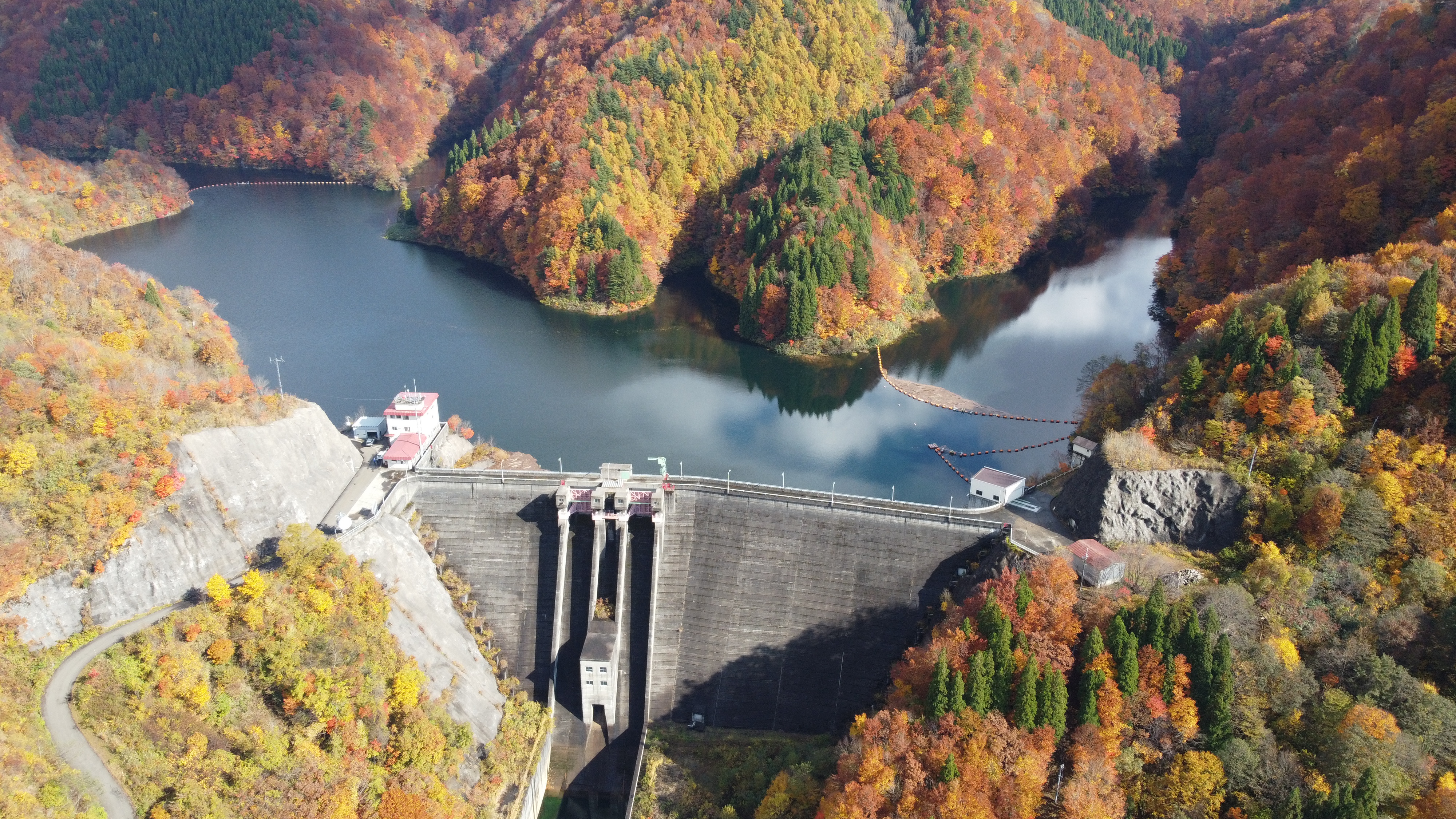
早口ダム (Hayakuchi Dam) – A Hidden Gem in Akita’s Takanosu Region
Discover the tranquil beauty of 早口ダム, a lesser‑known dam that offers stunning river scenery, peaceful walking trails, and easy access to a cluster of spectacular waterfalls.
1. Introduction
If you’ve already checked off the famous sights of Akita—like the Kakunodate samurai district or the Lake Tazawa—consider adding a quiet, off‑the‑beaten‑path destination to your itinerary: 早口ダム (Hayakuchi Dam). Nestled in the town of Takanosu, this modest dam sits at the coordinates 40.405146 N, 140.353752 E, and serves as a perfect base for nature lovers who crave riverside serenity, photo‑worthy vistas, and easy access to several enchanting waterfalls.
Whether you’re a local day‑tripper, a domestic traveler exploring the Tōhoku region, or an international visitor seeking authentic Japanese countryside experiences, 早口ダム offers a refreshing contrast to the bustling cityscapes of Tokyo and Osaka. In this guide, we’ll walk you through everything you need to know—history, how to get there, the best seasons to visit, what to expect on site, nearby attractions, and practical travel tips.
2. About 早口ダム
What Is 早口ダム?
早口ダム (Hayakuchi Dam) is a water‑storage dam located in the Takanosu area of Akita Prefecture. While the exact height and altitude of the dam are not publicly listed, the structure plays an essential role in regional water management and flood control. The dam creates a calm reservoir that reflects the surrounding forested hills, making it an ideal spot for quiet contemplation and photography.
A Brief History
The dam’s construction date and original purpose are not detailed in publicly available sources, but like many dams across rural Japan, it was likely built during the post‑war era to support agricultural irrigation, hydro‑electric generation, and local water supply. Over time, the reservoir has become a community asset, offering recreational opportunities such as walking, bird‑watching, and seasonal picnics.
Why It Matters
- Environmental stewardship: The reservoir supports local ecosystems, providing habitat for fish, amphibians, and migratory birds.
- Cultural value: For residents of Takanosu, the dam is a familiar landmark that marks the transition from the town’s commercial center to the more forested, rural outskirts.
- Tourism potential: Its proximity to a cluster of waterfalls and natural springs makes 早口ダム a strategic base for exploring the hidden natural treasures of northern Akita and neighboring Aomori.
3. How to Get There
By Train
- JR Ōu Main Line – Take the train to Takanosu Station (高能駅). The station is a major stop on the line connecting Akita City with Aomori.
- From Takanosu Station, the dam is about 8 km north‑west.
By Bus
- Local Akita Bus routes run from Takanosu Station to the Hayakuchi Dam bus stop (if available). Check the latest schedule on the Akita Bus website or at the station’s information desk.
By Car
- Rental cars are the most flexible option. From Takanosu Station, head west on National Route 7 and follow signs for the dam. The drive takes roughly 15–20 minutes on well‑maintained rural roads.
- Parking is available near the dam’s visitor area; look for a small lot marked “早口ダム駐車場”.
By Bicycle
- For the adventurous, the rural road network offers a scenic 8‑km bike ride. Bring a helmet and be prepared for occasional uphill sections.
Pro tip: Keep a GPS device or a smartphone map app handy—some of the smaller rural roads may lack clear signage in English.
4. Best Time to Visit
| Season | Highlights | Why Visit |
|---|---|---|
| Spring (Mar‑May) | Cherry blossoms along the riverbanks, fresh green foliage. | Mild temperatures (10‑18 °C) make walking trails comfortable. |
| Summer (Jun‑Aug) | Lush forest canopy, occasional mist over the reservoir. | Ideal for picnics; early mornings are cooler. |
| Autumn (Sep‑Nov) | Vibrant kōyō (autumn colors) reflecting on the water. | Photographers love the golden hour light on the dam. |
| Winter (Dec‑Feb) | Snow‑capped hills, quiet atmosphere. | Low visitor numbers; perfect for serene contemplation. |
Overall recommendation: Late October to early November offers the most striking color palette, while early May provides a fresh, blooming backdrop.
5. What to Expect
Scenic Walks & Photo Ops
- Riverside promenade: A short, paved trail circles the reservoir, offering unobstructed views of the dam’s spillway and the surrounding forest.
- Bird‑watching: Look for kingfishers, Japanese bush warblers, and occasional waterfowl. Bring binoculars for a closer look.
Facilities
- Restrooms: Basic public toilets are available near the parking lot.
- Picnic area: A few benches and a sheltered table make it easy to enjoy a packed lunch.
- Information board: Provides details on the dam’s construction and safety guidelines.
Safety
- The water is not designated for swimming; steep banks and strong currents can be hazardous.
- Follow posted signs and stay on designated paths, especially during rainy seasons when water levels may rise.
6. Nearby Attractions
After soaking in the calm of 早口ダム, venture out to explore the surrounding natural wonders—all within a 10‑km radius:
| Attraction | Type | Distance from Dam | Highlights |
|---|---|---|---|
| Ittsu Falls (一津の滝) | Waterfall | 5.0 km (Akita) | A tiered cascade surrounded by mossy rocks; perfect for short hikes. |
| 止滝 (Tomari‑taki) | Waterfall | 5.2 km (Aomori) | Known for its powerful plunge and clear pool at the base. |
| わき水 (Wakimizu Spring) | Spring | 7.6 km (Akita) | Fresh, crystal‑clear spring water; a tranquil spot for meditation. |
| 平滝 (Hiradaki‑taki) | Waterfall | 7.9 km (Akita) | A serene, single‑drop waterfall hidden in a dense forest. |
| 五色滝 (Goshiki‑taki) | Waterfall | 8.1 km (Aomori) | “Five‑colored waterfall”—the water takes on subtle hues at sunrise. |
Quick tip: Most of these sites are reachable by local roads and have modest parking areas. Consider renting a car or joining a local guided tour to maximize your day.
7. Travel Tips
| Tip | Details |
|---|---|
| Language | Signage around the dam is primarily Japanese. Having a translation app or a few basic phrases (e.g., “トイレはどこですか?” – “Where is the restroom?”) helps. |
| Cash | Rural convenience stores and small eateries may accept only cash. Bring ¥2,000–¥5,000 for snacks or souvenirs. |
| Timing | Arrive early (before 10 am) to avoid the occasional weekend crowd and to capture the soft morning light. |
| Weather | Check the forecast; the region can experience sudden rain showers, especially in June–July. Pack a lightweight rain jacket. |
| Respect nature | Stay on marked trails, carry out any trash, and avoid feeding wildlife. |
| Connectivity | Mobile reception is generally good near Takanosu, but can be spotty near the dam. Download offline maps in advance. |
| Photography | Use a polarizing filter to reduce glare on the water surface, and consider a tripod for low‑light shots of the waterfalls at dusk. |
| Local cuisine | Try Akita’s famous kiritanpo (rice sticks) and hōtō (buckwheat noodles) at a nearby restaurant in Takanosu after your dam visit. |
8. Final Thoughts
早口ダム may not appear on the typical “top 10 Japan dams” list, but its unassuming charm, peaceful waters, and strategic location near a cluster of waterfalls make it a must‑visit for travelers seeking authentic, low‑key nature experiences in Akita. Combine a leisurely stroll around the reservoir with a short road trip to Ittsu Falls or Goshiki‑taki, and you’ll have a full day of scenic diversity without the crowds.
So pack your camera, hop in a rental car, and head north to Takanosu. Let the gentle hum of the dam’s spillway and the whisper of nearby waterfalls guide you into a quieter side of Japan—one that’s waiting to be discovered, one dam at a time.
Keywords: 早口ダム, Hayakuchi Dam, Akita dam, Takanosu travel, Japan dam tourism, Akita waterfalls, Ittsu Falls, Goshiki‑taki, travel guide Akita, off‑the‑beaten‑path Japan.


