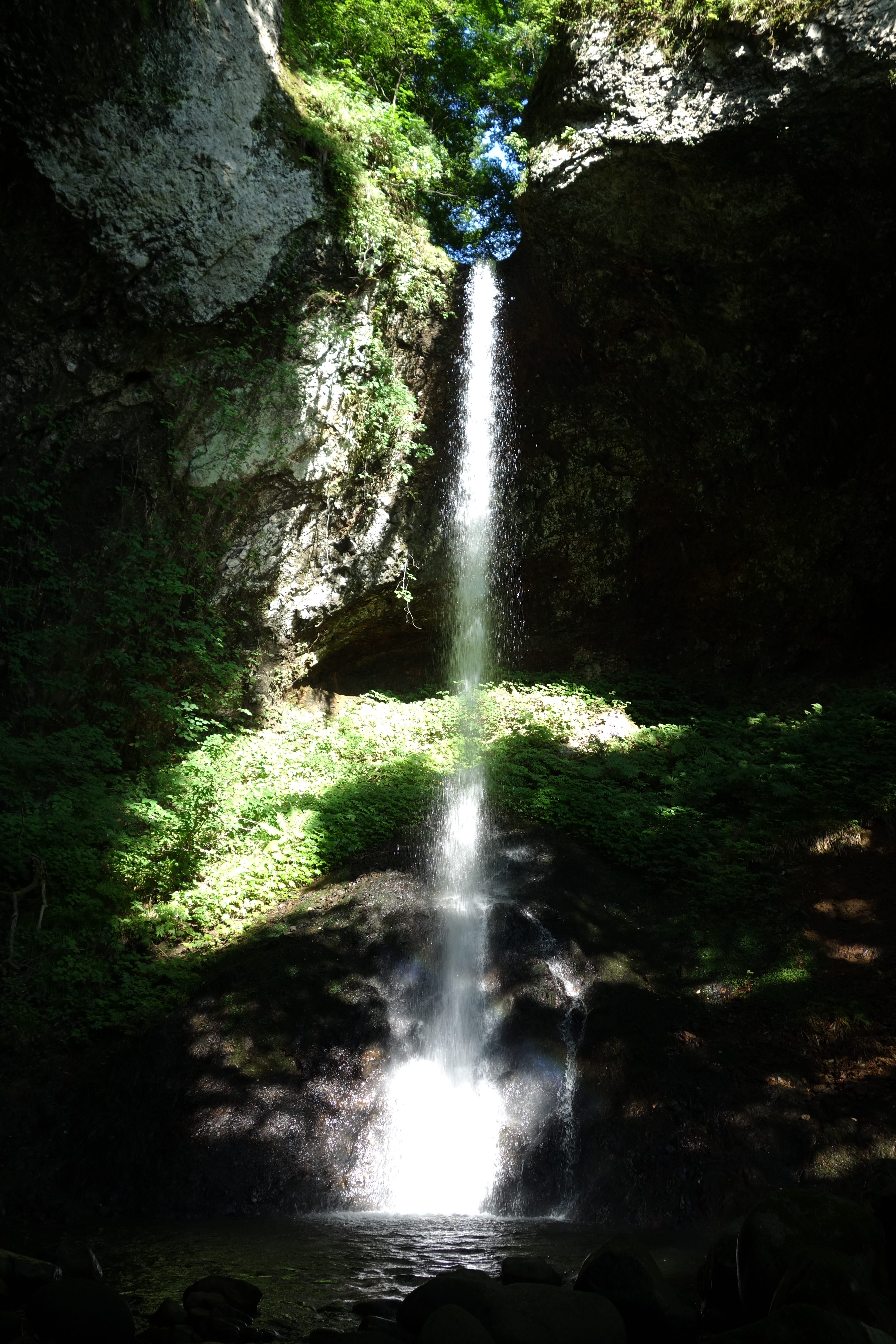
銚子の滝 (Choshi no Taki) – A Hidden Waterfall Gem in Takanosu, Akita
Discover the serene beauty of 銚子の滝, a lesser‑known waterfall tucked away in the lush forests of Akita Prefecture. Whether you’re a seasoned waterfall hunter or a first‑time visitor to the Tōhoku region, this natural oasis promises a peaceful escape and unforgettable photo opportunities.
1. Introduction
Imagine stepping off a quiet forest trail and hearing the soft roar of water cascading over moss‑covered rocks. The air is cool, scented with pine and fresh river mist, and the only sounds are the gentle splash of the falls and the rustle of leaves. This is the experience that awaits you at 銚子の滝 (Choshi no Taki), a tranquil waterfall located in the charming town of Takanosu in Akita Prefecture, Japan.
While Akita is famous for its dramatic coastline, hot springs, and the UNESCO‑listed Shirakami‑Sanchi forest, 銚子の滝 remains an off‑the‑beaten‑path treasure. Its secluded setting makes it perfect for travelers seeking solitude, nature photography, or simply a moment of reflection away from the crowds.
2. About 銚子の滝
Description
- Location: Takanosu, Akita, Japan
- Coordinates: 40.307147° N, 140.294747° E
- Type: Waterfall (自然の滝)
- Height & Altitude: Not officially recorded, adding to its mystique
銚子の滝 is a modest but graceful waterfall that tumbles through a narrow gorge surrounded by dense, evergreen forest. The water source is a small mountain stream that swells during the rainy season, creating a more powerful flow that can be heard from the trailhead. The surrounding rocks are smooth and covered in delicate ferns, offering a classic “Japanese waterfall” aesthetic that has inspired countless local artists and poets.
History & Significance
Although there is limited historical documentation, the waterfall has long been a local landmark for residents of Takanosu and the neighboring Fujisato area. It is often mentioned in regional folklore as a place where travelers would pause to cleanse their spirits before continuing on their journeys. The name “銚子” (Choshi) is believed to derive from an old term for a small wooden bucket used for drawing water, hinting at the waterfall’s historic role as a fresh‑water source for nearby villages.
The waterfall is also part of the broader Shirakami‑Sanchi ecosystem, a UNESCO World Heritage site known for its pristine beech forests and abundant wildlife. While 銚子の滝 itself is not within the World Heritage boundary, its proximity (less than a kilometer from the Shirakami‑Sanchi World Heritage Conservation Center) means that visitors can enjoy the same high‑quality natural environment that earned the region its global recognition.
For more detailed background, see the Japanese Wikipedia entry: 銚子の滝 (藤里町).
3. How to Get There
By Train
- JR Ou Main Line – Take the train to Takanosu Station (高野駅). The station is a major hub in Akita’s northern region and is served by frequent local and limited‑express services from Akita City and Aomori.
- From Takanosu Station, exit toward the east side of town and follow the signs for Fujisato (藤里町).
By Bus
- Local Bus “Fujisato‑Kōgen Line” departs from Takanosu Station’s bus terminal. Get off at the Fujisato Community Center stop (approximately 15 minutes).
- The bus stop is within walking distance of the trailhead that leads to 銚子の滝.
By Car
- Driving from Akita City: Take the National Route 7 north to Takanosu, then follow the signs for Route 108 toward Fujisato.
- Parking: A small free parking lot is available near the trail entrance, just off the local road (coordinates 40.307147, 140.294747).
Trailhead Directions
From the parking area, a well‑marked footpath (≈ 500 m) leads through the forest to the waterfall. The trail is relatively flat and suitable for most fitness levels, though be prepared for occasional slippery rocks during the rainy season.
Pro tip: Download an offline map (e.g., MAPS.ME) with the coordinates pre‑saved, as cellular reception can be spotty in the forested area.
4. Best Time to Visit
| Season | What to Expect | Why It’s Ideal |
|---|---|---|
| Spring (Mar‑May) | Fresh green foliage, gentle flow, cherry blossoms in nearby parks | Mild temperatures and clear skies make for comfortable hiking and vibrant photos. |
| Summer (Jun‑Aug) | Higher water volume, lush canopy, occasional mist | The waterfall is at its most powerful, creating a dramatic soundscape. Bring insect repellent. |
| Autumn (Sep‑Nov) | Brilliant red‑orange maple leaves, cooler air, moderate flow | The foliage contrast against the white water creates postcard‑perfect images. |
| Winter (Dec‑Feb) | Snow‑covered forest, quieter trails, possible ice formations | For the adventurous, a quiet, ethereal landscape—just wear sturdy boots and warm layers. |
Overall recommendation: Late spring to early autumn (April‑October) offers the best combination of weather, accessibility, and visual appeal. If you love autumn colors, aim for mid‑October when the surrounding beech forest turns fiery.
5. What to Expect
The Sensory Experience
- Sight: A cascade of clear water over smooth granite, framed by dense evergreen trees and occasional patches of bright moss. In autumn, the surrounding foliage adds a splash of crimson and gold.
- Sound: A soothing, rhythmic rush that drowns out distant traffic—perfect for meditation or a quiet picnic.
- Touch: A cool mist that lightly sprays the trail during peak flow; the air feels fresh and invigorating.
- Smell: Earthy pine and the faint scent of fresh water, especially after a rain shower.
Photographic Highlights
- Long‑exposure shots of the waterfall create silky water effects.
- Framing the falls with a foreground of ferns or a fallen log adds depth.
- Seasonal contrasts—capture the snow‑capped rocks in winter or the fiery leaves in autumn.
Amenities
- Restrooms: A basic public toilet near the parking lot (maintained by Fujisato town).
- Picnic area: A small cleared space with benches a few minutes before the waterfall—ideal for a snack break.
- No commercial vendors on site, preserving the natural ambiance.
6. Nearby Attractions
While 銚子の滝 is the star of the day, the surrounding area offers several other natural wonders worth exploring:
| Attraction | Distance | Type | Quick Link |
|---|---|---|---|
| Choshino Falls | 0 km (same site) | Waterfall | Choshino Falls |
| Shirakami‑Sanchi World Heritage Conservation Center (Fujisato) | 0.7 km | Museum / Conservation | Shirakami‑Sanchi Center |
| 白糸二段の滝 (Shiraito Nidan no Taki) | 1.4 km | Waterfall | Shiraito Nidan no Taki |
| Garono Falls | 1.4 km | Waterfall | Garono Falls |
| 峨瓏の滝 (Garō no Taki) | 1.4 km | Waterfall | Garō no Taki |
These sites are all reachable on foot or by a short local bus ride, making it easy to create a “waterfall trail” itinerary. The Shirakami‑Sanchi World Heritage Conservation Center offers interactive exhibits about the ancient beech forests, wildlife, and conservation efforts—perfect for a deeper appreciation of the region’s ecological importance.
7. Travel Tips
| Tip | Details |
|---|---|
| Wear proper footwear | Trail can be slippery, especially after rain. Sturdy hiking shoes with good grip are essential. |
| Check the weather | Heavy rain can raise water levels dramatically. If the stream looks dangerous, postpone the visit. |
| Bring a rain jacket | Even on sunny days, mist from the falls can dampen clothes quickly. |
| Carry cash | Small local shops and restrooms may not accept credit cards. |
| Respect the environment | Stay on marked paths, avoid picking plants, and pack out all trash. |
| Timing | Arrive early (before 10 am) to enjoy the waterfall in peaceful solitude and avoid the occasional weekend crowd. |
| Photography | Use a polarizing filter to reduce glare on the water, and bring a tripod for low‑light or long‑exposure shots. |
| Language | Basic Japanese phrases (e.g., “トイレはどこですか?” – “Where is the restroom?”) can be helpful. Most locals are friendly and will appreciate the effort. |
| Local food | Try the regional specialty kiritanpo (rice sticks grilled over an open fire) at a nearby izakaya in Takanosu for a hearty meal after your hike. |
Final Thoughts
銚子の滝 may not have the towering height of Japan’s famous waterfalls, but its charm lies in the intimate connection it offers between water, forest, and visitor. It’s a perfect day‑trip for anyone traveling through Akita, a serene spot for photographers, and a quiet sanctuary for those seeking a moment of calm in nature.
Add 銚子の滝 to your itinerary, explore the nearby falls, and experience the gentle rhythm of the Takanosu countryside—your soul will thank you.
Happy travels, and may the mist of 銚子の滝 bring you fresh inspiration!


