🌊 Discover the Hidden Gem of Akita: 幸兵衛滝 (Kōbei‑taki) Waterfall
If you’re wandering the rugged, forest‑clad valleys of Akita Prefecture, you might think you’ve seen every cascade the region has to offer. Yet tucked away in the quiet town of Kakunodatemachi lies a waterfall that feels like a secret whispered by the mountains themselves – 幸兵衛滝 (Kōbei‑taki). With its crystal‑clear plunge, serene surroundings, and the gentle hum of nature, this hidden waterfall is quickly becoming a favorite stop for off‑the‑beaten‑path travelers, photographers, and anyone craving a moment of peace in Japan’s lush countryside.
About 幸兵衛滝
A Brief Description
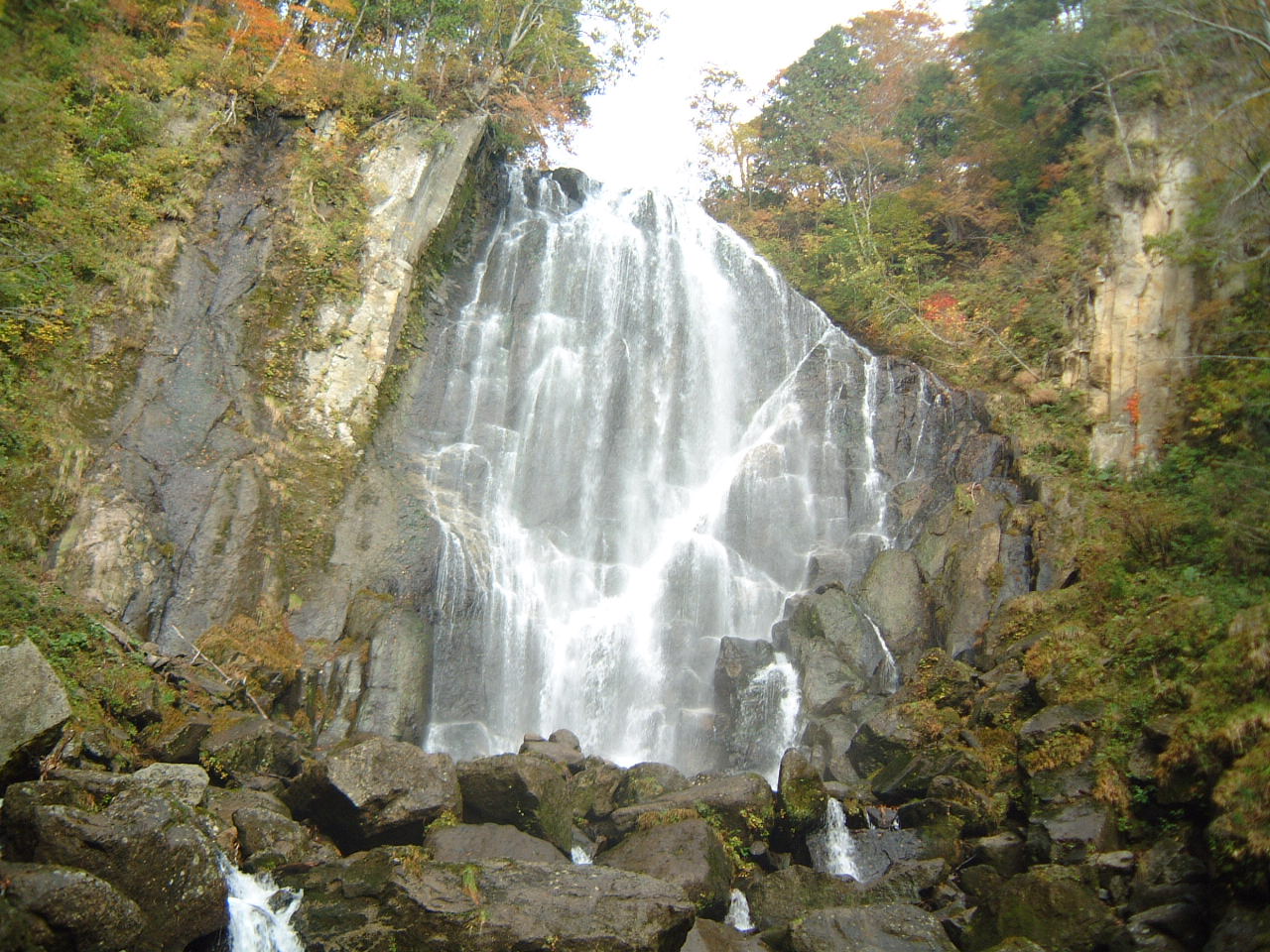
幸兵衛滝 is a classic waterfall (滝) that drops into a shallow pool surrounded by dense forest. While the exact height and altitude remain undocumented, the waterfall’s charm lies in its natural simplicity – a modest cascade that invites visitors to linger, listen, and let the mist kiss their skin. The waterfall’s coordinates are 39.901876 N, 140.624246 E, placing it squarely in the heart of Akita’s verdant interior.
History & Cultural Significance
The name “幸兵衛” (Kōbei) is a traditional Japanese given name, often associated with local folklore and the spirits that guard rivers and waterfalls. Though specific legends about 幸兵衛滝 are scarce in English sources, many Akita waterfalls are historically linked to Shinto rituals and ancient mountain worship (山岳信仰). The waterfall’s proximity to other historic sites in Kakunodatemachi suggests it may have served as a natural gathering spot for villagers and travelers for centuries, offering fresh water and a place for quiet reflection.
Why It Matters
In a region famed for its dramatic coastlines and towering peaks, 幸兵衛滝 stands out as a quiet retreat. It’s an ideal spot for:
- Nature photography – the soft, diffused light through the canopy creates magical reflections.
- Mindful walking – the short, well‑tended trail to the viewing platform encourages a meditative pace.
- Local immersion – the waterfall is less commercialized than Akita’s more famous sites, giving you a genuine taste of rural Japanese life.
How to Get There
From Akita City (the Prefectural Capital)
| Step | Transportation | Approx. Time | Notes |
|---|---|---|---|
| 1️⃣ | JR Akita Station → JR Ou Line to Kakunodate Station | 1 hr 15 min | Trains run roughly every hour; reserve seats during peak seasons. |
| 2️⃣ | Bus from Kakunodate Station to Kakunodatemachi (local community bus) | 30–40 min | Buses are infrequent on weekends; check the schedule at the station. |
| 3️⃣ | Walk from the bus stop to the trailhead | 10 min | Signage in Japanese; a simple map is available at the local tourism office. |
By Car
Rent a car in Akita City and follow National Route 13 north toward Kakunodate. Turn onto Prefectural Road 71 (often signposted for “幸兵衛滝”). The drive takes about 1 hour 30 minutes, with scenic views of rice paddies and forested hills. Parking is available near the trailhead (a small lot with a few spaces, free of charge).
By Bicycle
For the adventurous, the Akita Cycle Route connects Akita City to Kakunodate. The ride is roughly 70 km with moderate elevation—perfect for seasoned cyclists seeking a blend of culture and nature.
Best Time to Visit
| Season | What to Expect | Why It’s Ideal |
|---|---|---|
| Spring (Mar–May) | Fresh green foliage, occasional cherry blossoms near the trail. | Water flow is moderate; the forest feels reborn. |
| Summer (Jun–Aug) | Lush canopy, cooler temperatures in the shade. | Ideal for a refreshing dip in the pool at the waterfall’s base. |
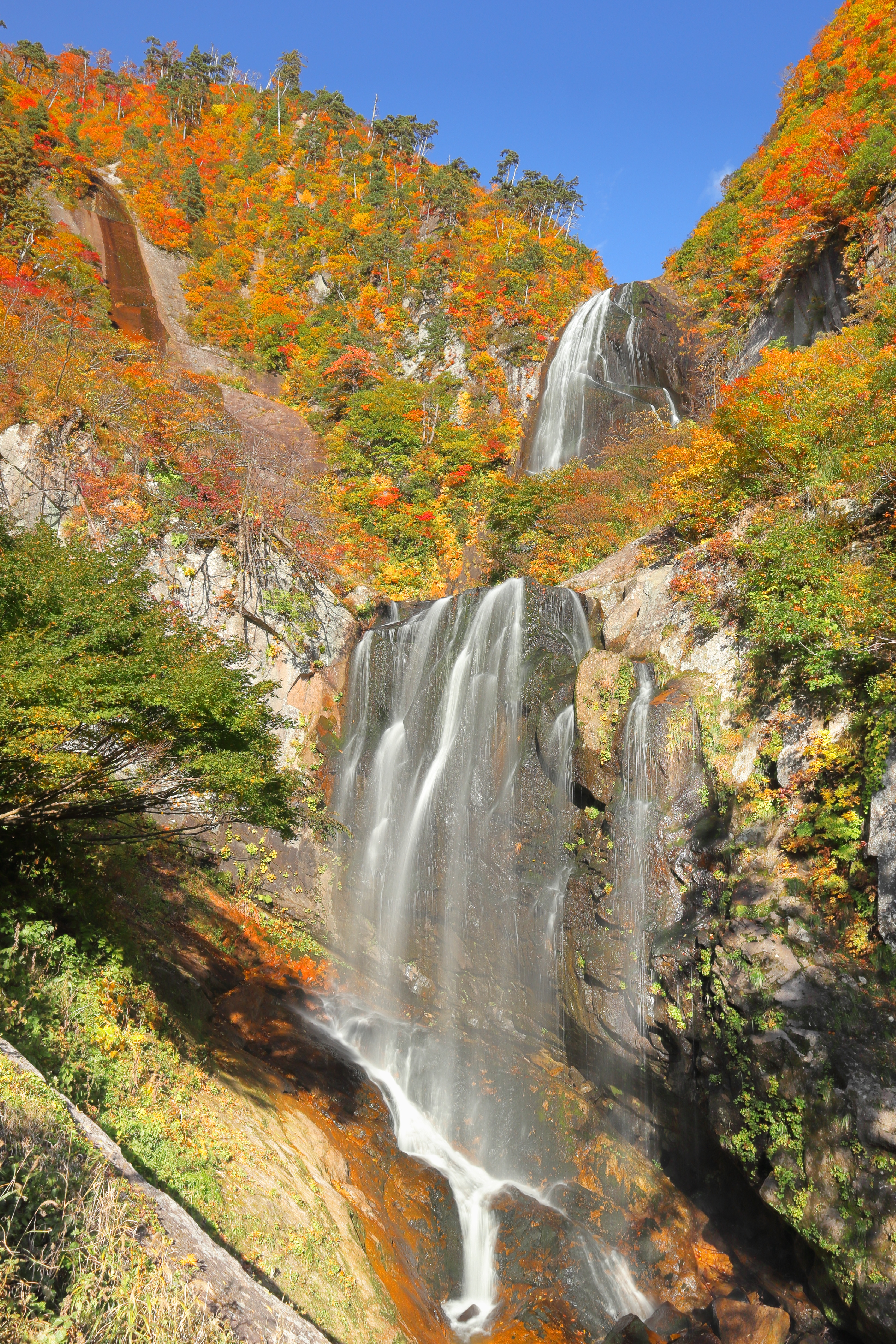
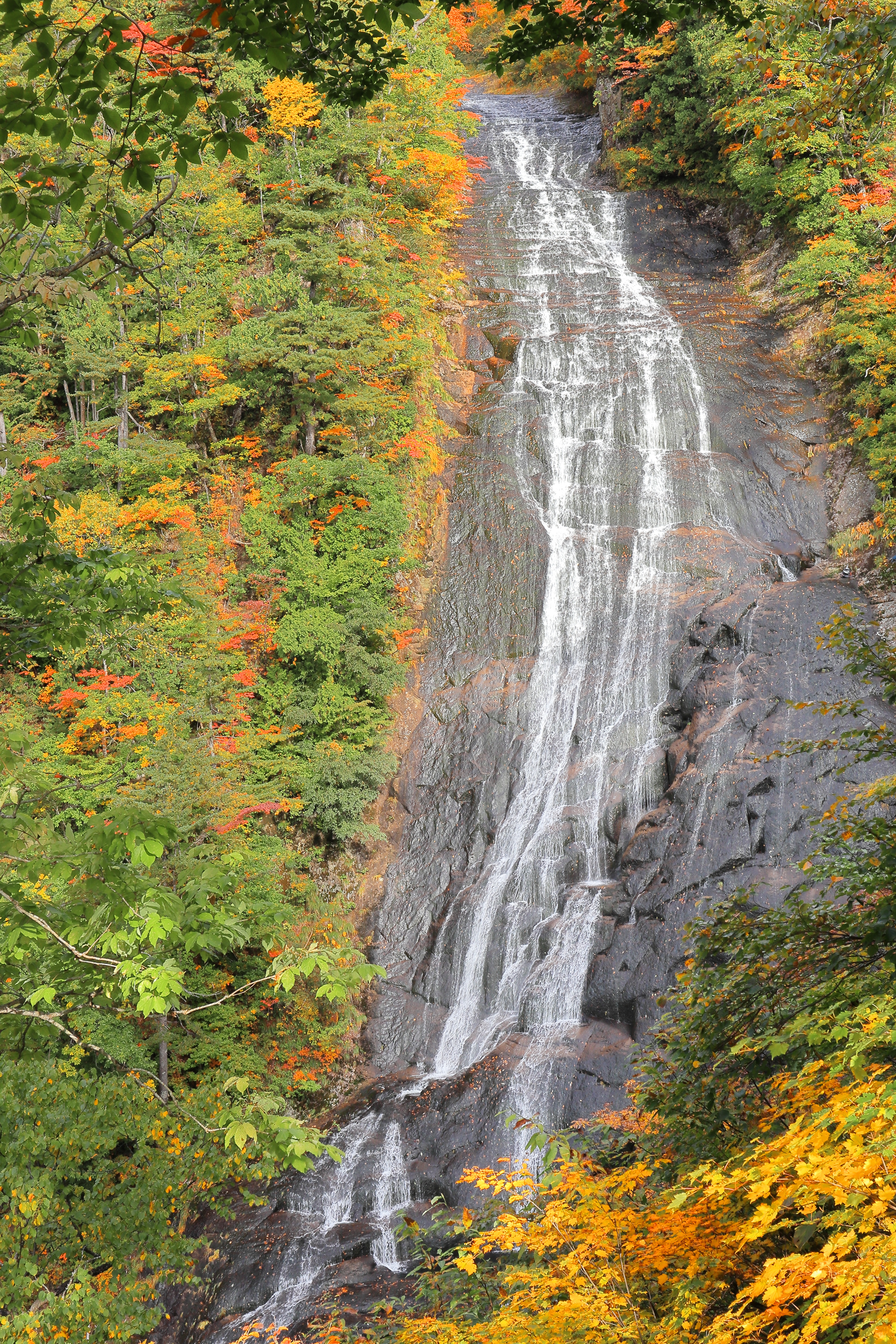
| Autumn (Sep–Nov) | Brilliant koyo (autumn colors) – reds, oranges, and golds. | The waterfall’s mist creates a dramatic contrast with the fiery leaves. |
| Winter (Dec–Feb) | Snow‑capped trees, icy mist, quieter trails. | For photographers who love a serene, frosty atmosphere (access may be limited by snow). |
Tip: The waterfall’s flow is strongest after the rainy season (late June to early July). If you love powerful cascades, plan your visit then. For a more tranquil setting, early autumn is perfect.
What to Expect
The Trail Experience
The path to 幸兵衛滝 is a short, well‑maintained dirt trail (≈300 m) that winds through a mixed‑forest of Japanese cedar (杉) and larch (赤松). Wooden signposts guide you, and occasional stone benches let you pause and soak in the ambience. The trail is accessible for most ages, though a few gentle steps may be slippery after rain.
At the Waterfall
Upon arrival, you’ll see the water tumbling over a modest rock ledge into a clear pool. The surrounding moss‑covered stones and the gentle roar of water create a soothing soundtrack. The viewing platform offers a panoramic vista of the cascade and the valley beyond—perfect for wide‑angle shots or a quiet moment of contemplation.
Wildlife & Flora
Keep an eye out for Japanese macaques (ニホンザル) that sometimes venture near the water, and forest birds like the Japanese bush warbler (ウグイス). In spring, delicate mountain azaleas and fuki (Japanese butterbur) line the trail, adding splashes of pink and green.
Nearby Attractions
After you’ve taken in 幸兵衛滝, explore the surrounding waterfall corridor—each offering its own charm and photo‑opportunity. All are within a short drive or hike:
| Attraction | Distance from 幸兵衛滝 | Quick Highlight |
|---|---|---|
| 二ノ滝 (Ni-no-taki) | 0.3 km | A twin‑cascade that creates a natural “double‑drop” effect. |
| 一ノ滝 (Ichi-no-taki) | 0.6 km | The “first waterfall,” known for its bright, clear water. |
| 中滝 (Naka‑taki) | 0.9 km | A centrally located fall with a wide, gentle sheet of water. |
| 水尻滝 (Mizushiri‑taki) | 1.8 km | A hidden gem often visited by locals for its tranquil pool. |
| 二天ノ滝 (Niten‑no‑taki) | 2.4 km | A higher cascade offering a dramatic backdrop for sunset shots. |
Explore More: For detailed info on each waterfall, check the respective Wikipedia pages (e.g., 二ノ滝, etc.).
Travel Tips
| Tip | Details |
|---|---|
| Bring Waterproof Gear | Even on sunny days, mist can soak shoes and cameras. A small rain cover for your phone is handy. |
| Wear Sturdy Footwear | The trail can be slick after rain; waterproof hiking shoes with good grip are recommended. |
| Respect Local Etiquette | Keep noise low, stay on marked paths, and avoid feeding wildlife. |
| Pack Light Snacks | There are no vending machines near the waterfall; a packed bento or onigiri will keep you energized. |
| Cash is King | Small rural towns often lack ATMs; bring enough yen for parking, bus fares, and souvenirs. |
| Check Bus Schedules | The local bus runs only a few times per day, especially in off‑season. Plan your return trip before heading out. |
| Seasonal Gear | In winter, wear insulated layers and consider crampons if the trail is icy. In summer, a hat and sunscreen are essential. |
| Photography | Early morning light (around 7–9 am) gives the waterfall a soft glow and fewer visitors. Use a polarizing filter to reduce glare on the water surface. |
| Language | Signage is primarily in Japanese; a translation app can help with directions and menu items at nearby eateries. |
Wrap‑Up: Why 幸兵衛滝 Should Be on Your Akita Bucket List
幸兵衛滝 may not boast the towering height of Japan’s famous waterfalls, but its quiet elegance, accessible location, and surrounding cascade network make it a standout destination for anyone exploring Akita Prefecture. Whether you’re a seasoned hiker, a photography enthusiast, or simply a traveler seeking a moment of calm amid Japan’s natural beauty, this hidden waterfall offers a genuine slice of rural serenity.
So pack your walking shoes, charge your camera, and set your GPS to 39.901876, 140.624246. The misty veil of 幸兵衛滝 awaits—ready to welcome you into the heart of Akita’s timeless forest. 🌿✨