久吉ダム (Hisayoshi Dam) – A Hidden Gem in Akita’s Scenic Landscape
Discover the tranquil beauty of Odate’s most understated landmark, a perfect day‑trip for nature lovers and off‑the‑beaten‑path travelers.
Introduction
Tucked away in the lush hills of Odate, Akita, 久吉ダム (Hisayoshi Dam) may not have the towering fame of Japan’s mega‑dams, but it offers a serene escape that feels like stepping into a living postcard. Whether you’re a photography enthusiast hunting for reflective waters, a cyclist craving quiet country roads, or a family looking for a low‑key outdoor adventure, this modest dam delivers a calm, picturesque setting that embodies the gentle charm of rural Tōhoku.
In this guide, we’ll explore everything you need to know to make the most of a visit to 久吉ダム – from its background and how to get there, to the best seasons for a visit, nearby natural wonders, and practical travel tips that keep your journey smooth and enjoyable.
About 久吉ダム
- Location: Odate, Akita, Japan
- Coordinates: 40.442470 N, 140.692543 E
- Type: Dam (purpose and structure details not publicly disclosed)
- Height / Altitude: Information not available
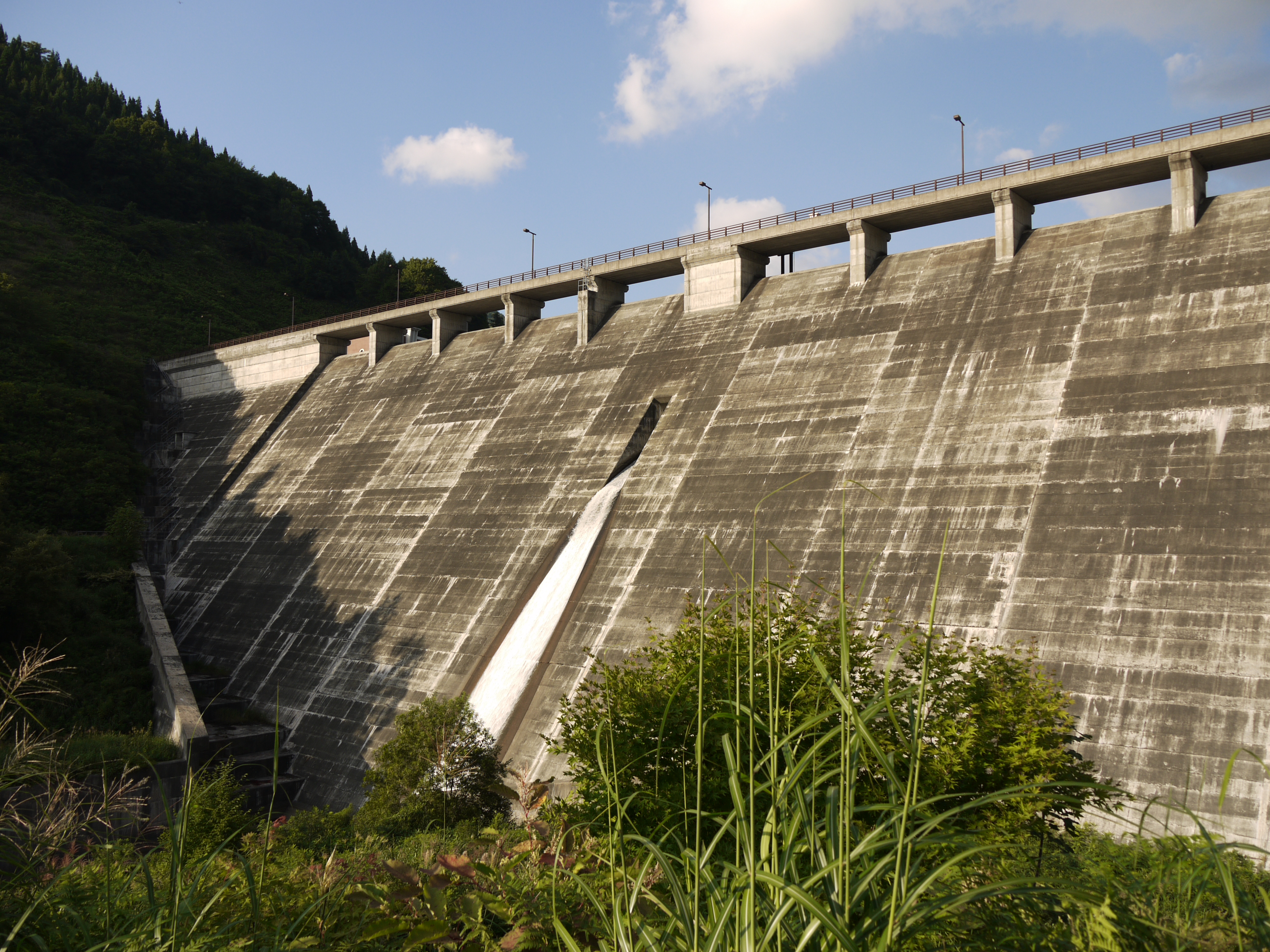
The dam’s official Japanese Wikipedia entry provides a concise overview: 久吉ダム – Wikipedia (ja). While technical specifications such as height and reservoir capacity remain undisclosed, the dam’s primary role is to manage local water resources, supporting agriculture and flood control for the surrounding communities.
What makes 久吉ダム stand out isn’t the engineering marvel itself, but the way it integrates into the surrounding landscape. The reservoir’s calm surface mirrors the rolling forested hills, creating a subtle yet striking visual contrast that changes with the light of each season. In autumn, the water captures the fiery hues of maple leaves, while winter blankets the area in soft snow, turning the dam into a quiet, almost meditative oasis.
For travelers, the dam offers a rare glimpse into everyday life in Akita’s countryside—a place where locals fish, picnickers unwind, and hikers pause to soak in the scenery. It’s an authentic slice of regional culture that larger tourist sites often overlook.
How to Get There
By Air
- Nearest airport: Odate‑Noshiro Airport (ONJ) – about 45 km north of the dam. From the airport, rent a car or catch a local bus to Odate Station.
By Train
- JR Ou Main Line: Alight at Odate Station (approximately 2 hours from Akita Station). From Odate, the dam lies roughly 15 km west.
By Car
- From Odate Station: Rent a car and follow Route 46 westward, then take the local road signs for “久吉ダム”. The drive takes about 30 minutes and winds through scenic farmlands and forest patches—perfect for a relaxed road‑trip playlist.
By Bus
- Local buses from Odate Station occasionally run toward the dam area, especially during peak tourist seasons (spring and autumn). Check the latest timetable at the Odate bus terminal or ask at the station’s information desk.
Parking: A modest parking lot sits near the dam’s visitor area, offering free daytime parking for cars and bicycles.
Best Time to Visit
| Season | Highlights | Why Visit |
|---|---|---|
| Spring (April‑May) | Cherry blossoms along the reservoir edge, fresh green foliage. | Mild temperatures, ideal for walking and photography. |
| Summer (June‑August) | Lush vegetation, occasional mist over the water. | Perfect for picnics, fishing, and cooling off in the shade. |
| Autumn (September‑November) | Vibrant maple and ginkgo leaves reflecting on the dam. | The most photogenic period; colors range from amber to deep red. |
| Winter (December‑February) | Snow‑capped hills, quiet serenity, occasional ice‑glazed water. | A tranquil escape for snow‑shoeing or simply enjoying the stillness. |
Overall, late October to early November is the peak season for visual impact, as the surrounding forest erupts in autumnal brilliance. However, each season offers a distinct atmosphere, so choose based on the experience you crave.
What to Expect
Scenic Views
- Panoramic Reservoir: The water’s surface acts like a natural mirror, especially on calm days, reflecting the surrounding hills and sky.
- Forest Trails: A short, well‑maintained path circles the dam, offering multiple viewpoints for sunrise, sunset, and star‑gazing.
Activities
- Photography: Capture long‑exposure shots of the water, or try macro photography of the local flora.
- Fishing: Local anglers frequent the reservoir; you can try your luck with a simple rod (check local regulations).
- Picnicking: Designated picnic spots equipped with benches and waste bins make for a family‑friendly outing.
Facilities
- Restrooms: Basic restroom facilities are available near the parking lot.
- Information Board: A small board provides details about the dam’s purpose, local wildlife, and safety guidelines.
Because the dam is primarily a functional infrastructure, there are no commercial shops or cafes on site. It’s advisable to bring water, snacks, and any required supplies with you.
Nearby Attractions
While the dam itself offers a peaceful retreat, the surrounding region boasts several natural highlights within a short drive. Here’s a quick guide to the top spots you can combine into a day‑trip itinerary:
| Attraction | Type | Distance | Location | Quick Note |
|---|---|---|---|---|
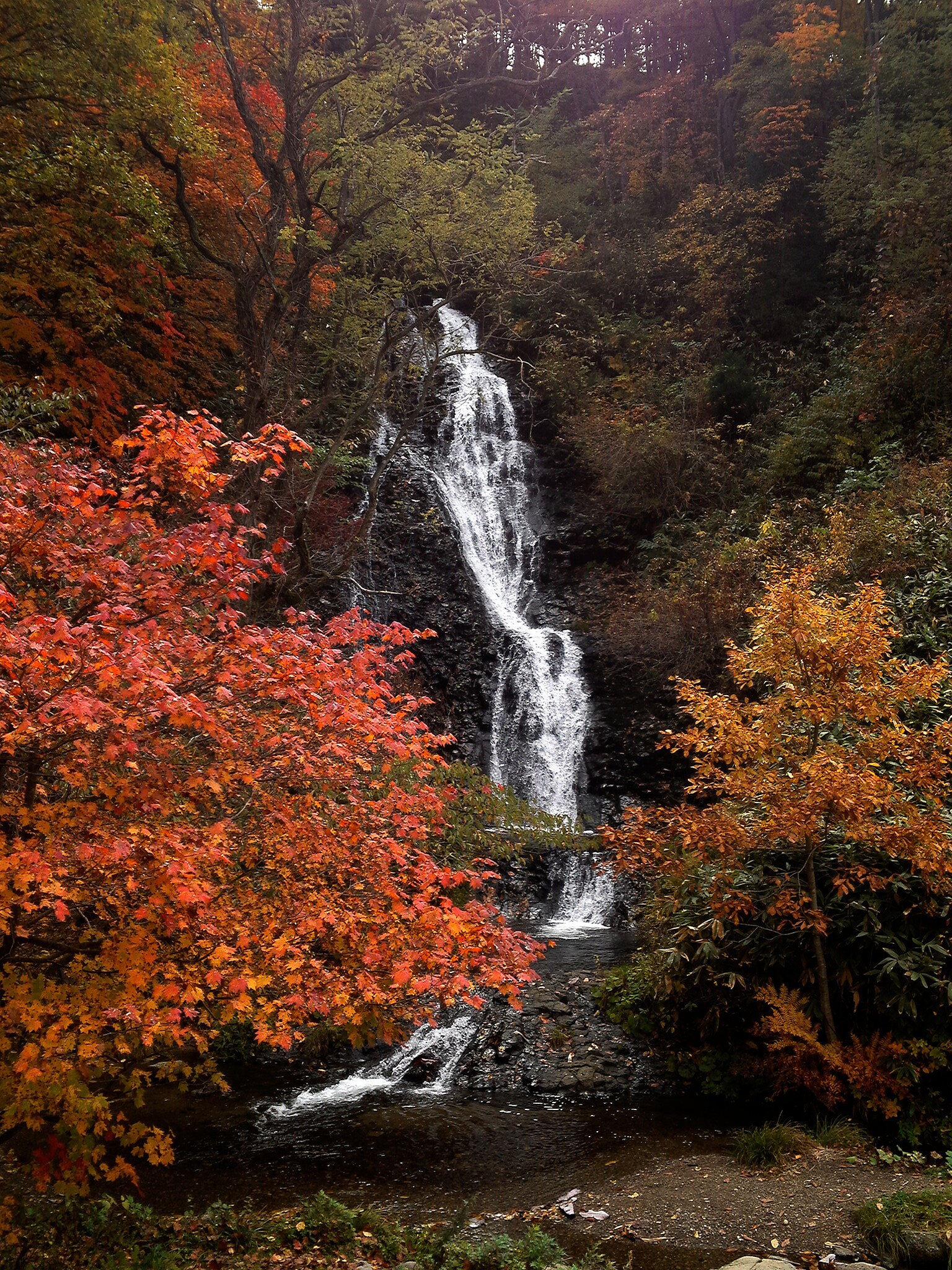
| Shiraitono Falls (白糸の滝) | Waterfall | 4.0 km | Aomori, Japan | A graceful cascade that creates a misty veil—great for a short hike and photo ops. |
| 遠部ダム (Enbu Dam) | Dam | 4.0 km | Akita, Japan | Another modest dam offering a similar tranquil atmosphere; ideal for comparative photography. |
| 三尊滝 (Mitsuzan Waterfall) | Waterfall | 6.7 km | Aomori, Japan | A multi‑tiered waterfall surrounded by dense forest—perfect for a nature walk. |
| [長寿の森林 (Chōju no Shinrin) Waterfall] | Waterfall | 10.7 km | Akita, Japan | A hidden waterfall nestled in a “forest of longevity,” offering a quiet spot for meditation. |
| Unnamed Dam (nearby) | Dam | 11.4 km | Aomori, Japan | A small, lesser‑known dam that adds to the region’s water‑management landscape. |
Tip: Since many of these sites straddle the Akita‑Aomori border, consider renting a car for flexibility. Each location is reachable via well‑marked local roads, and the short distances make it easy to explore multiple attractions in a single day.
Travel Tips
- Bring Essentials: No shops are on site, so pack water, snacks, a light jacket (mountain weather can shift quickly), and a portable charger for your camera or phone.
- Check Weather Forecast: The dam area can become slippery after rain; sturdy shoes with good traction are recommended.
- Respect Local Rules: Fishing is allowed only with a proper permit; check with Odate’s municipal office if you plan to fish.
- Timing for Photography: Early morning (sunrise) and late afternoon (golden hour) provide the softest light for reflecting water shots.
- Stay Connected: Mobile reception is generally good near Odate, but can be spotty close to the dam—download offline maps beforehand.
- Seasonal Gear: In winter, wear insulated boots and consider snow‑shoes if you intend to trek on snow‑covered paths.
- Combine Visits: Pair your trip to 久吉ダム with nearby waterfalls for a full day of nature immersion—most attractions are within a 15‑minute drive.
Final Thought
久吉ダム may be modest in scale, but its quiet charm captures the essence of Akita’s unspoiled countryside. Whether you’re chasing the perfect autumn reflection, seeking a peaceful spot for a family picnic, or simply want to explore a side of Japan that most guidebooks overlook, this dam offers a rewarding experience that stays with you long after you leave.
Pack your camera, hop in the car, and let the gentle ripple of 久吉ダム guide you into the heart of Japan’s serene northern landscapes. Happy travels!